
Reviewed · WALKING TOURS IN HANOI
Hanoi City Highlights Walking Tour – Landmarks & History
Hanoi tells its story in layers. This four-hour city tour links temples, political landmarks, museums, wartime history, and the famous railway alley into one busy but worthwhile morning or afternoon. I like the strong mix of Vietnamese culture and modern history, and I like that the tour finishes with a drink, snacks, and time near Train Street rather than ending at a museum door.
The guides are another plus. John, also known as Huy, is praised for his clear explanations of Vietnam’s wars and political past, while Henry, Henri, and Tom are described as warm, engaging, and good at answering questions. My main caution is the pace: seven stops on the private route, or nine on the small-group route, is a lot in four and a half hours. You need comfortable shoes, modest clothing, and enough energy for a full hit of Hanoi.
In This Review
- Five things to know before you book
- Why this tour works for first-time Hanoi visitors
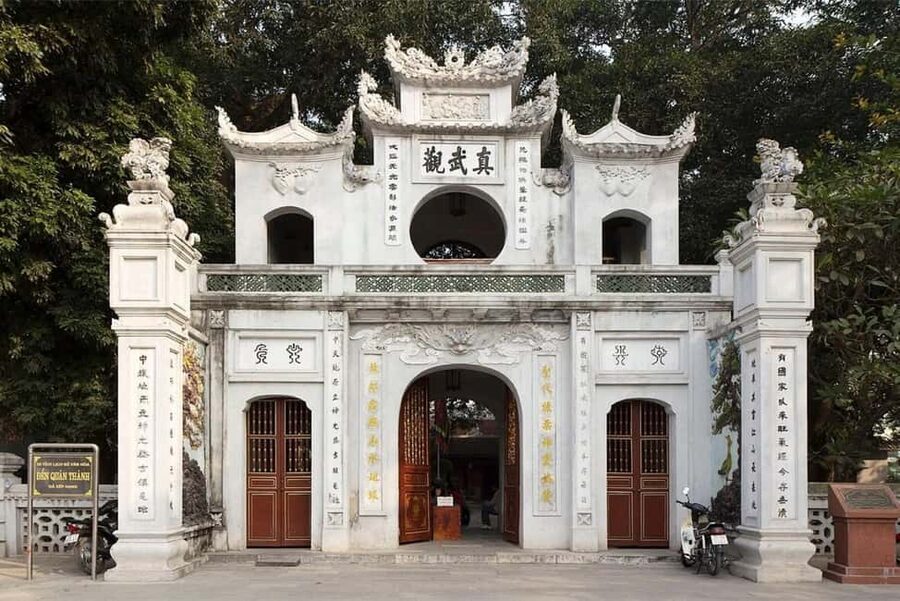
- Quan Thanh Pagoda and Hanoi’s religious traditions
- The National Assembly and the shape of modern Vietnam
- Ho Chi Minh Mausoleum and the One Pillar Pagoda
- Vietnamese art from ancient to modern
- The Women’s Museum and everyday Vietnamese life
- Hoa Lo Prison, the Hanoi Hilton
- Hoàn Kiếm Lake, Ly Thai To Park, and Lenin Park
- Train Street, coffee, and a close look at daily Hanoi
- Private tour or small group of six?
- Practical advice for getting the most from it
- Who should book this Hanoi tour?
- FAQ
- How long does the Hanoi City Highlights Walking Tour last?
- How much does the tour cost?
- Is hotel pickup included?
- How many people are in the small group?
- Can I enter the Ho Chi Minh Mausoleum?
- What languages are available?
- What should I wear?
- Is Train Street included?
Five things to know before you book
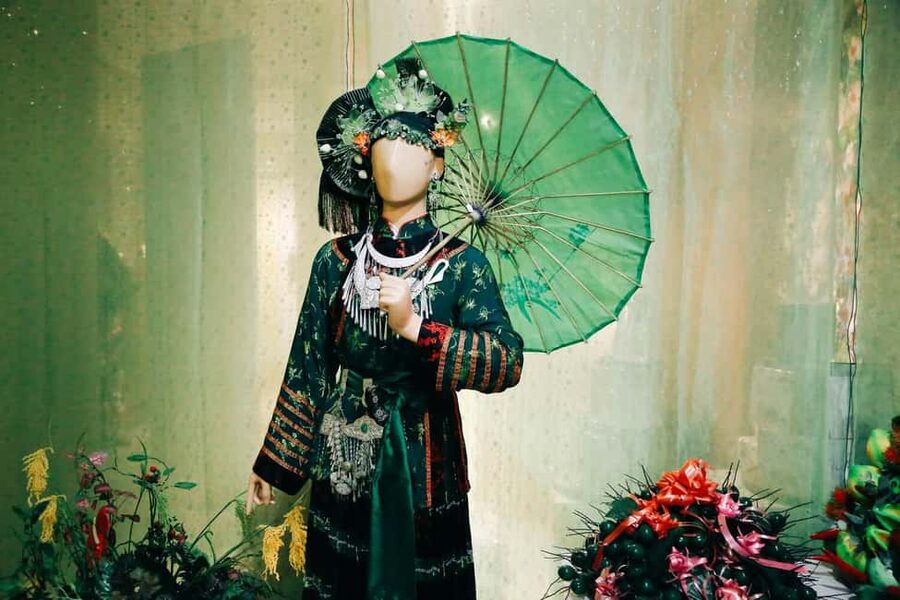
- Train Street is the memorable finale: You can sit with a drink and watch a train pass close to local homes, with the guide helping you find a suitable viewing place.
- The private route covers major museums: Quan Thanh Pagoda, the National Assembly Building, Ho Chi Minh Mausoleum, the Fine Arts Museum, the Women’s Museum, Hoa Lo Prison, and Train Street all fit into one outing.
- The small group is capped at six people: This keeps the walk more personal while adding Hoàn Kiếm Lake, Ly Thai To Park, Lenin Park, One Pillar Pagoda, and a local tea stop.
- Timing matters at the mausoleum: Entry inside is only available in the morning, except Monday and Friday, so check the start time before booking.
- The tour is good value at $24: Water, a local guide, drinks, snacks, and private-route pickup and drop-off are included, though optional beverages may cost extra.
Why this tour works for first-time Hanoi visitors
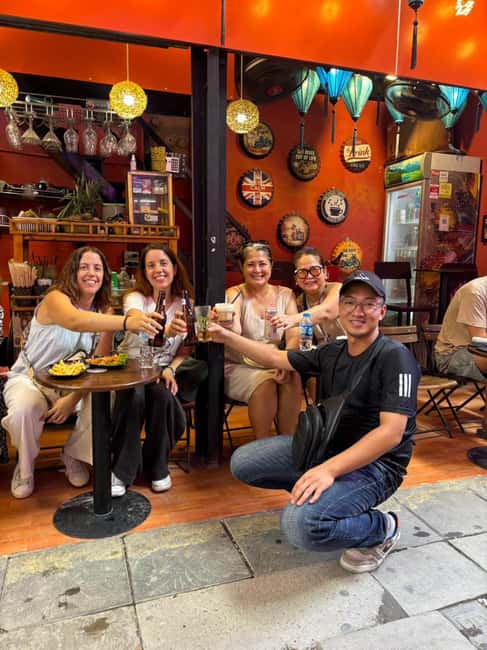
Hanoi can feel confusing at first. Important places are spread across several districts, traffic makes independent sightseeing slower than it looks on a map, and the meaning of a temple or museum is not always obvious from a quick visit.
This tour gives you a framework. You move from older religious traditions to the country’s political center, then to the life and legacy of Ho Chi Minh, Vietnamese art, women’s social roles, colonial prison history, and present-day Hanoi at Train Street. That sequence helps you understand how the city changed, rather than simply collecting photographs.
The storytelling is the heart of the experience. John is repeatedly praised for explaining the Vietnam War and wartime activity in a direct, Vietnamese perspective. He is also described as enthusiastic and fun to talk with, which matters during a long stretch of history. Tom has been praised for handling questions and making the visit to Hoa Lo Prison especially clear.
At $24 per person, the tour offers solid value if you want interpretation rather than transport alone. You receive an experienced local guide, cold bottled water, drinks such as beer, soft drinks, sparkling water, orange juice, or tea, plus simple snacks including peanut brittle, potato crisps, cheese crisps, and rice snacks.
The price is less compelling if you prefer slow museum visits. Several stops receive about an hour, but the full route also includes transfers and outdoor walking. Think of this as a broad introduction to Hanoi, not a specialist art or history tour.
More Walking Tours in Hanoi
- [HOT] Hanoi Old Quarter Walking Street Food – Small Group Tour
★ 5.0 · 2,163 reviews - Private Walking Tour of Hanoi City
★ 5.0 · 1,251 reviews - Hanoi: Small-Group Street Food Walking Tour
★ 4.8 · 1,165 reviews
Quan Thanh Pagoda and Hanoi’s religious traditions
The private tour begins at Quan Thanh Pagoda, one of Hanoi’s oldest Taoist temples. The suggested visit lasts about 30 minutes, enough to appreciate the peaceful setting and hear an introduction to worship, Taoism, and the way religious practice fits into daily Vietnamese life.
This is a useful first stop because it gives cultural context for the rest of the day. You are not only looking at an old building. You are learning how Vietnamese beliefs draw from several traditions and how temples remain part of ordinary city life.
The short visit is also a practical advantage. A temple can be difficult to understand if you rush in alone, take a few photographs, and leave. A guide can point out what matters and explain the customs without turning the stop into a long lecture.
The National Assembly and the shape of modern Vietnam
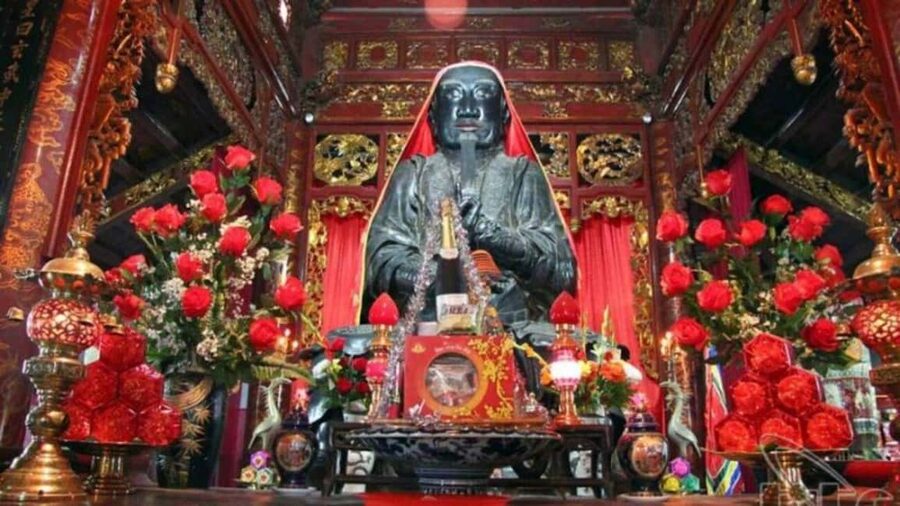
The private itinerary then pauses at the Vietnam National Assembly Building for around 10 minutes. This is a brief stop, but it gives the tour a modern political point of reference.
You learn about the country’s political structure and the role of this national meeting place. Do not expect a long interior visit or a detailed government seminar. The value is in seeing the building as part of Hanoi’s present-day identity, after beginning with a much older religious site.
This contrast is one of the better features of the route. Hanoi is not presented as a museum frozen in the past. Temples, government buildings, memorial sites, and busy residential streets all share the same city.
Ho Chi Minh Mausoleum and the One Pillar Pagoda

The Ho Chi Minh Mausoleum receives about 80 minutes on the private itinerary and appears on the small-group route as well. Here, the guide explains Ho Chi Minh’s humble life and his place in Vietnam’s modern story.
Important timing rules apply. You can enter the mausoleum only in the morning, and it is closed for this purpose on Monday and Friday. If seeing the interior matters to you, choose the morning departure and confirm the schedule before paying.
You should also dress respectfully. Bring shorts or trousers that reach below the knee and a T-shirt. The tour is not suitable for visitors who need wheelchair access, people with mobility impairments, pregnant women, or people over 75, according to the supplied conditions.
The small-group option adds One Pillar Pagoda and Dien Huu Temple. One Pillar Pagoda is one of Hanoi’s most recognizable Buddhist structures, with an architectural story linked to a king’s dream. Dien Huu Temple provides another chance to discuss worship and religious practice.
These stops work well after the mausoleum because they connect national memory with spiritual belief. The tradeoff is time. You will see several important places, but you may not linger long at each one.
A few more Hanoi runs to compare on price
- Hanoi Heritage Premium Daily Tour
★ 5.0 · 914 reviews - Heritage Binh Chuan 2 Days 1 Night discovery in Lan Ha Bay
★ 5.0 · 470 reviews - Old Quarter Hanoi Street Foods and Heritage Road Tour by Walking
★ 5.0 · 117 reviews - Discover Trang An Natural World Heritage, Bich Dong Pagoda, Cycling Day Tour
★ 5.0 · 82 reviews
Vietnamese art from ancient to modern
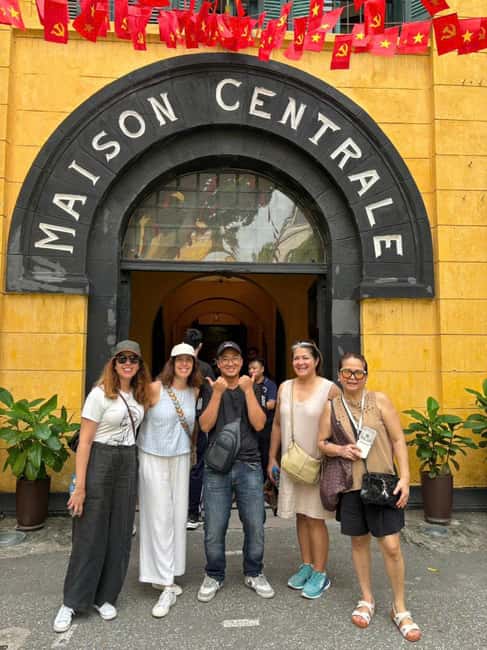
The National Fine Arts Museum is given about an hour on the private route. It presents Vietnamese art from ancient periods through modern work, making it a useful stop for anyone who wants more than war history.
I like this inclusion because many city tours focus only on monuments and political events. Art gives you another way to read Vietnam. It shows how ideas, religious themes, craftsmanship, and modern changes appear beyond official buildings and memorials.
An hour is enough for a guided introduction, but not for every gallery. If you already have a strong interest in Vietnamese art, you may want a separate visit at a slower pace. For most first-time visitors, the stop offers a good base and helps explain the country’s cultural development.
The Women’s Museum and everyday Vietnamese life
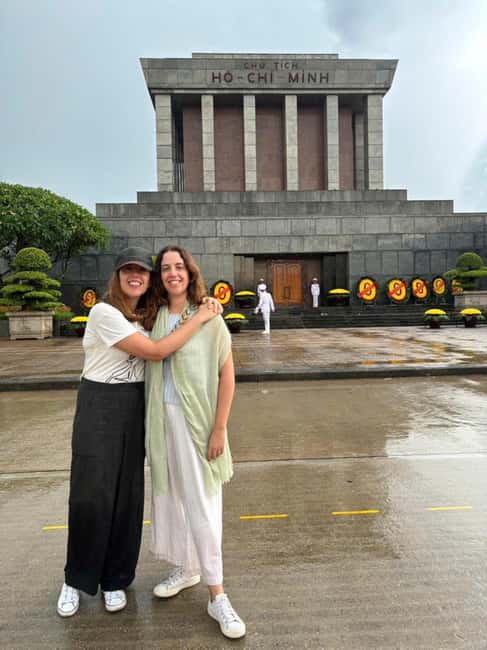
The Vietnamese Women’s Museum also receives about an hour. Its focus is the lives, roles, and contributions of Vietnamese women in family life, culture, and society.
This adds needed balance to a route centered on national leaders, war, politics, and prisons. You hear about social roles and household life, not just military campaigns or government decisions.
For me, this is one of the tour’s most useful stops because it broadens the question of who shaped Vietnam. The museum helps connect national events to the experiences of families and communities. It also gives the guide room to discuss women’s roles in a way that a quick walk past monuments cannot.
The limitation is familiar: an hour provides an overview. If you find a particular exhibit compelling, you may wish you had more independent time.
Hoa Lo Prison, the Hanoi Hilton

Hoa Lo Prison Museum is the most emotionally demanding stop. The tour explains the prison’s dark cells, displays artifacts, and tells the stories of former prisoners. You will hear about the site’s history as the Hanoi Hilton, a name associated with American prisoners of war, while also learning about its wider colonial and wartime past.
Tom has been especially praised for explaining the prison clearly, and John is also described as strong on wartime history. That guidance matters here. The displays can be difficult to interpret without context, and the history is presented through more than one national experience.
Plan for about an hour. This is not a light sightseeing stop, so allow yourself a little quiet time afterward. The tour does not treat history as a backdrop for photographs. It asks you to think about imprisonment, conflict, and the competing memories attached to the site.
If you want only cheerful sightseeing, this portion may feel heavy. If you want to understand Hanoi’s past, it is essential.
Hoàn Kiếm Lake, Ly Thai To Park, and Lenin Park

The small-group option begins at a meeting point and adds several outdoor stops. At Ly Thai To Park, you hear about Hanoi’s 1,000-year legacy before walking toward Hoàn Kiếm Lake.
The lake is the symbolic heart of the city’s old center. Your guide explains the legend of the returned sword, then gives you a chance to enjoy the open air and calmer pace beside the water. This is a welcome change after indoor museums and formal monuments.
Lenin Park is another outdoor pause. It is described as a peaceful place, and the stop helps break up the day’s museum visits.
This option does not include private hotel pickup or drop-off, so you need to reach the meeting point yourself. In exchange, the group is limited to six people. That small size can make it easier to ask questions and keep contact with the guide in crowded streets.
Train Street, coffee, and a close look at daily Hanoi
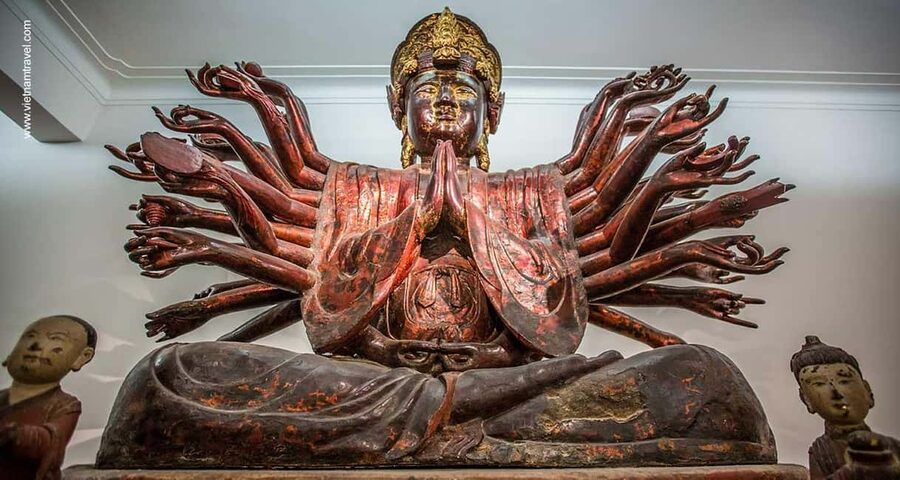
Train Street is the tour’s most unusual stop. A railway line runs through a narrow residential area, with trains passing close to homes. You sit near the tracks with a drink and wait for the train, while the guide helps you find a suitable place to watch.
Several guides have been praised for choosing quieter spots, and John took one group to a calmer café where they could have coffee and take photographs. Tom’s route included time for food and a drink before the train arrived.
This is more than a quick photo stop. You see a part of Hanoi where ordinary homes, cafés, and railway activity occupy the same narrow strip of city. At the same time, you should listen carefully to your guide and follow local safety directions. The train passes extremely close to residential areas, so this is not the place for careless wandering or stepping onto the track.
The route includes drinks and snacks, though some beverages may be optional. The private tour can finish at Train Street or in Hoàn Kiếm. The small-group afternoon route adds a local place for traditional tea, drinks, and snacks, along with discussion of local business and typical Vietnamese life.
That final stop is a good reason to choose the afternoon small-group option if the mausoleum interior is not essential to you. You get a more social ending and a closer look at everyday commerce.
Private tour or small group of six?
Choose the private tour if you want hotel pickup, a flexible pace, and the broad museum-focused route. It is also the better choice for families or companions who want the guide’s full attention, although the tour is not suitable for strollers, wheelchair users, or people with mobility limits.
The private route includes Quan Thanh Pagoda, the National Assembly Building, Ho Chi Minh Mausoleum and garden, the Fine Arts Museum, the Women’s Museum, Hoa Lo Prison, and Train Street. It is the strongest choice for culture and museum coverage.
Choose the small group if you prefer a lower-key walking day with no more than six people. Its route adds Ly Thai To Park, Hoàn Kiếm Lake, Lenin Park, One Pillar Pagoda, Dien Huu Temple, Hoa Lo Prison, Train Street, and an afternoon local tea or snack stop.
Neither route is truly slow. The listed duration is around four to four and a half hours, with some descriptions giving 270 minutes. Expect walking, outdoor heat or rain, museum visits, and possible short rides. The guide may arrange rides to reduce long transfers on the private route, but this is still an active half-day.
Practical advice for getting the most from it
Book with a WhatsApp number if possible. The guide sends confirmation the day before, and WhatsApp makes contact easier if the meeting details change.
Wear shoes suited to city walking and bring cash. Pack clothing that covers below the knee, especially if you plan to enter the mausoleum or religious sites. A raincoat is included, but you should still prepare for Hanoi’s weather.
For the mausoleum, choose the morning and avoid Monday or Friday if interior entry is important. For Train Street, keep your camera ready but do not let photographs distract you from safety instructions.
The tour offers English, German, and French guides. Pickup and drop-off are included with the private option, but not with the small group. Free cancellation is available up to 24 hours ahead, and you can reserve now and pay later.
Who should book this Hanoi tour?
I would choose this tour for a first or second visit to Hanoi when I wanted history explained in plain language. It suits you if you enjoy moving between museums, monuments, temples, and local streets, and if you want one guide to connect Vietnam’s past with daily life today.
It is also a good fit for solo visitors, couples, and small groups who want more context than a self-guided walk provides. The repeated praise for John, Huy, Henry, Henri, and Tom points to a guide-led experience where personality matters as much as facts.
I would skip it if you want a relaxed café crawl, a specialist art tour, or lots of free time at each museum. The schedule is full, and the walking and standing may be hard for anyone with mobility concerns.
At $24, the tour earns its price through access to many major sights, local explanation, included water and refreshments, and the chance to see Train Street with someone who knows where to wait. Book the private version for convenience and museum coverage. Pick the small group for a more social walk, Hoàn Kiếm Lake, extra religious sites, and the afternoon local tea stop.
FAQ
How long does the Hanoi City Highlights Walking Tour last?
The experience is advertised as four hours or 270 minutes, while the private and small-group descriptions give a duration of four hours and 30 minutes.
How much does the tour cost?
The listed price is $24 per person.
Is hotel pickup included?
Hotel pickup and drop-off are included with the private tour. They are not included with the small-group option, which uses a meeting point.
How many people are in the small group?
The small-group tour has a maximum of six people.
Can I enter the Ho Chi Minh Mausoleum?
Interior access is available only in the morning and is not available on Monday or Friday. Choose the timing carefully if entering the mausoleum is important to you.
What languages are available?
Live guides are available in English, German, and French.
What should I wear?
Bring shorts or trousers that go below the knee and wear a T-shirt. Modest clothing is important for the mausoleum and religious sites.
Is Train Street included?
Yes. Both tour options include Hanoi Train Street, where you can have a drink and watch a train pass close to residential areas.
New around Hanoi
- Private LUXURY Hanoi City Full day guided tour★ 4.5 · 21 reviews
- Private transfer between Hanoi and Sapa★ 5.0 · 27 reviews
- Private Transfer Hanoi <=> Mai Chau One Way (Free hotel pickup)★ 5.0 · 22 reviews
- Private Transfer from Ninh Binh to Halong or Halong to Ninh Binh★ 5.0 · 21 reviews
- Private Transfers Hanoi <=> Halong One Way (Free Hotel Pickup)★ 5.0 · 31 reviews
- Hanoi Airport See-off (Private Ride from Hotels to Hanoi Airport)★ 4.5 · 70 reviews
- Thang Long Water Puppet Theater★ 4.5 · 45 reviews
- Private transfer Ninh Binh <=> Halong One Way (Free Hotel Pickup)★ 5.0 · 21 reviews
Walking Tours in Hanoi, compared.
![[HOT] Hanoi Old Quarter Walking Street Food – Small Group Tour](https://i3.thevietnamexplorer.com/wp-content/uploads/hot-hanoi-old-quarter-walking-street-food-small-group-tour-400x267.jpg)
[HOT] Hanoi Old Quarter Walking Street Food – Small Group Tour
Read our review →


Private Hanoi Street Food Walking Tour With Real Foodie
Read our review →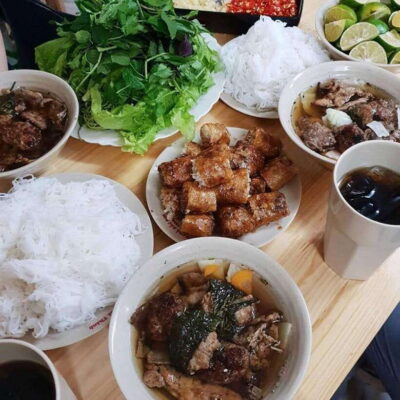

Hanoi Walking Street Food Tour with Train-Street Visit
Read our review →
Ha Noi Walking Food Tour, Non Vegetarian,Vegan, vegetarian Option
Read our review →
Tasting 8 Different Street Foods + Local Drink at Evening Time by Walking
Read our review →Browse the lists this tour appears in