

Reviewed · HANOI TOURS
3 Day 2 Night Trek
Rice terraces make Sapa hard to forget. This three-day trek pairs spectacular mountain scenery with overnight stays in Dzay and Tay homes, so you see more than the usual viewpoints. I like the quieter routes through Y Linh Ho, Lao Chai, Ta Van, Giang Ta Chai, and Ban Ho. I also like the chance to share meals and daily tasks with local families rather than simply pass through their villages.
The main guide praised in the available feedback is Giang, who helps with route choices and practical arrangements. Her niece, Zo, and Ma also guide parts of the trek. The main consideration is physical effort: you cover about 12 kilometers on the first day, and the full route includes rice terraces, bamboo forest, valley paths, and village trails. This is not a gentle sightseeing outing.
In This Review
- Four details that shape the experience
- What the $180 price really covers
- Day one: Y Linh Ho, Lao Chai, and Ta Van
- Day two: bamboo forest, Giang Ta Chai, and Ban Ho
- Day three: sunrise in Ban Ho and the walk back
- Giang, Zo, and the human side of the trek
- The walking conditions and what to bring
- Who will enjoy this Sapa trek most
- Should you book the 3 Day 2 Night Trek?
- FAQ
- Where does the trek start?
- What time does the trek begin?
- Where does the activity end?
- Is transportation from Hanoi included?
- How long is the trek?
- How far do you walk on the first day?
- Where do you sleep?
- What meals are included?
- Can you cancel for a full refund?
Four details that shape the experience
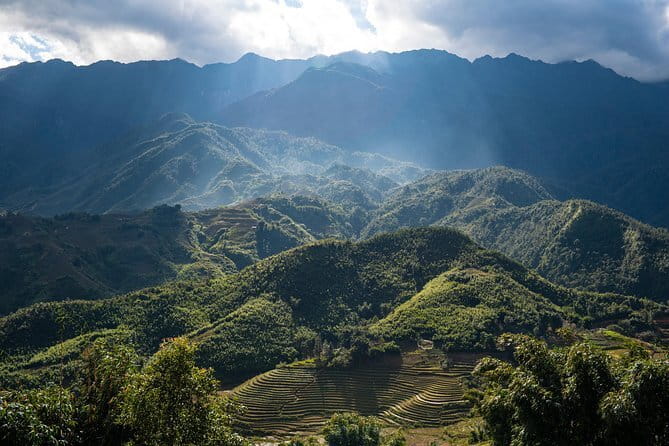
- Two nights with local families: Sleep in homestays or local houses in Ta Van and Ban Ho, with meals included.
- Three distinct ethnic communities: Meet Dzay, Tay, H’Mong, and Red Dzao people along the route.
- A quieter route through Sapa’s valleys: The trek is designed to avoid the busiest tourist paths.
- A private experience: Only your own group takes part, rather than joining a large mixed party.
- Fair-pay focus: Booking supports local H’Mong guides and residents in an area where 70 percent of the population lives below the poverty line.
- A demanding walking schedule: The first day alone covers about 12 kilometers over roughly three and a half hours.
What the $180 price really covers
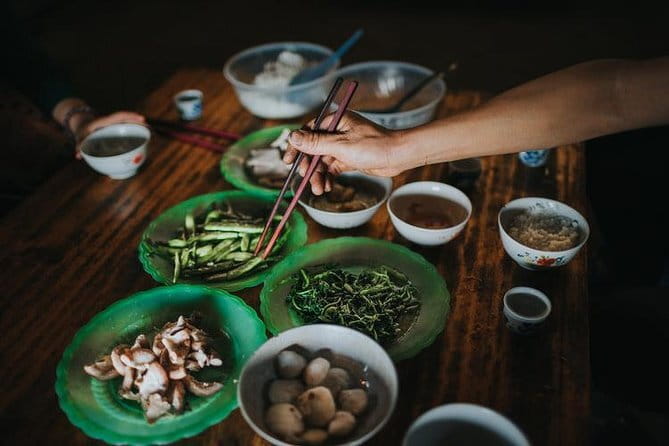
At $180 per person, this is not the cheapest way to see Sapa. Yet the price includes two breakfasts, three lunches, and two dinners, plus guiding across three days and two nights of homestay accommodation. The value comes from the time spent in the villages, not from checking off a long list of sights.
You are paying for a route through several communities, local hosting, meals, and a private group arrangement. You also gain the help of an English-speaking local guide who can explain village life, customs, traditional clothing, and local craftwork. That kind of access is difficult to arrange on your own in a short visit.
The social purpose matters, too. Sapa Tribal Trekking directs work toward local H’Mong guides and people in nearby communities. In a region with high poverty, spending your money on local guiding and family-run accommodation gives the fee a more useful purpose than a standard hotel-and-bus excursion.
Still, keep your expectations sensible. The price does not include travel from Hanoi to Sapa, and the meeting point is in Sapa at 690 Đường Điện Biên Phủ. Pickup is offered, but the supplied details do not explain the exact pickup area or transport arrangements. If you are starting in Hanoi, confirm this before paying. One reviewer found Giang especially helpful with reaching Sapa from Hanoi, arranging a taxi from the bus office, and storing luggage. That practical help may be valuable, but it should be confirmed for your booking.
A few more Hanoi runs to compare on price
- Halong Bay Full Day with Kayaking, Hiking viewpoint, Cave – Deluxe To Luxury
★ 5.0 · 884 reviews - From Hanoi: 2-Day Sapa Trekking Trip with Homestay & Meals
★ 4.8 · 704 reviews - Sapa 3 Days 2 Nights Trekking Tour (1 Night In Ta Van Village, 1 Night In Hotel)
★ 5.0 · 699 reviews
Day one: Y Linh Ho, Lao Chai, and Ta Van
The trek begins at 9:00 am in Sapa. Early on, the route introduces you to the traditional clothing associated with H’Mong, Dzao, Tay, Zay, and Xa Pho communities. This is more than a colorful photo stop. Clothing patterns, colors, and handmade details offer a first glimpse into the different groups who live around the valley.
Lunch comes at a restaurant or with a local family. The family option gives you a closer look at home life, but the restaurant choice may suit you better if you need a predictable break before walking farther. Ask your guide what the day’s lunch arrangement will be so you know what to expect.
From Y Linh Ho, you walk through rice terraces and follow the Muong Hoa Stream toward Lao Chai, a Black H’Mong village. The scenery is the star here: stepped fields, open mountain views, and the Hoang Lien Son range create the classic Sapa setting. The route also gives you time to see how villages sit among the fields rather than apart from them.
The first day covers about 12 kilometers and takes around three and a half hours of trekking. That estimate may sound modest, but distance is only part of the test. Rice terraces and valley trails can make walking more tiring than a flat city route, and conditions may change with the weather. A moderate fitness level is required, so bring shoes suited to uneven paths and allow yourself time to walk steadily.
By late afternoon, you approach Ta Van, home to Dzay people. The pace changes here. Instead of returning to a hotel in Sapa, you check into a homestay or local house, meet the family, and have time to watch the sunset. You can eat with the family or have dinner quietly, depending on the arrangement.
The homestay style can vary. One option offers Wi-Fi and hot showers, while another may be a more basic house with a local family. That range is part of the appeal, but it also means you should not expect hotel standards. The point is to spend a little time around an open fire, share rice wine and local food, and talk with your hosts. If you prefer polished accommodation, this may feel too simple. If you want a closer look at mountain life, it is one of the strongest parts of the trip.
Day two: bamboo forest, Giang Ta Chai, and Ban Ho
Breakfast is prepared by your host family before you set out. The morning route passes through rice fields and a bamboo forest, then reaches a panoramic view over Ta Van and Giang Ta Chai. Giang Ta Chai is associated with Red Dzao people, adding another cultural setting to a route that already includes several communities.
This day is valuable because the walking connects the villages. You are not simply driven to a viewpoint, given ten minutes for photographs, and moved on. The changing views arrive as part of the trek, with quiet valley scenery and paths through cultivated land.
You continue to Su Pan, where lunch takes place at the home of an H’Mong or Dzao family. As on the first day, the home meal offers a more personal setting than a standard restaurant. It also makes the schedule less rigid, since the meal is tied to the local hosting arrangement.
After lunch, you follow more rice terraces and valley paths toward Ban Ho. The route is described as peaceful and unlikely to have many other tourists. That quieter feel may be exactly what you want after the busier center of Sapa, though it also means fewer commercial services along the way. Carry what you need for the day and listen to your guide about timing.
In Ban Ho, you stay with a Tay family. You may help with farming or cooking local food, or you may simply enjoy the evening. The choice matters. This is not a staged cultural show with a fixed performance. You are given the chance to take part in ordinary activities, but the level of involvement depends on the family, the day, and your own comfort.
The second night is another test of flexibility. Some people will love the chance to sit with a family and share food. Others may find the basic setting, shared facilities, or lack of privacy difficult. Ask about the homestay style before departure if hot showers, Wi-Fi, or sleeping arrangements are important to you.
Day three: sunrise in Ban Ho and the walk back
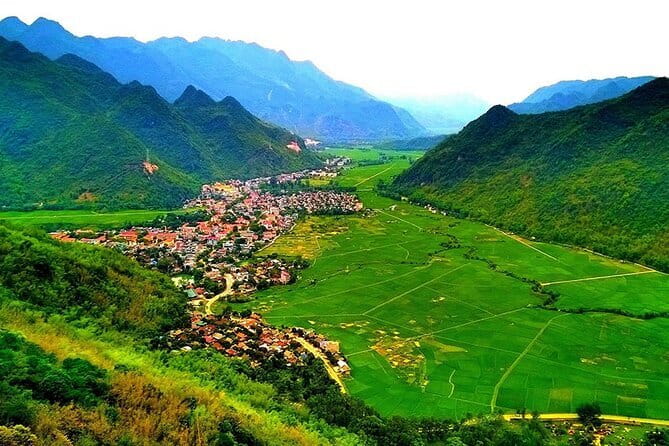
The final morning starts with sunrise and breakfast prepared by the family. This gives Ban Ho a slower farewell than a quick checkout from a hotel. You then walk through Nam Toong village, where Tay and Red Dzao people live.
Nam Toong is a good place to focus on daily life. The plan includes time to meet local people and learn about how they live, followed by lunch at a restaurant or local house. The experience is less about a single famous sight and more about seeing how homes, fields, and village paths fit together.
After lunch, you return to Sapa and finish at the original meeting point. The trip ends after three days, but the final day is shorter in description than the first two. Confirm the expected return time with your guide if you have a bus, train, or other onward booking. No exact finishing hour is provided.
Same city, a very different kind of morning:
- Hanoi Jeep Tour: Food, Culture and Fun by Vietnam Army Jeep
★ 5.0 · 15,222 reviews - Full-Day Ninh Binh Highlights Tour from Hanoi
★ 5.0 · 7,761 reviews - Hanoi: Ha Long Bay Day Cruise – Swimming, Meal, Kayaking
★ 4.7 · 7,415 reviews - Hanoi: Water Puppet Show Tickets
★ 4.6 · 7,029 reviews
Giang, Zo, and the human side of the trek

The guide can make or break a mountain trek. Here, Giang receives especially strong praise for helping with route decisions and practical planning. The available feedback also credits her with helping one visitor reach Sapa from Hanoi, arranging a taxi from a bus office, and storing luggage.
That kind of support is useful because Sapa often forms only one part of a wider Vietnam trip. If you are arriving by bus and carrying more luggage than you want on the trail, ask about storage before you arrive. It is a small detail, but it can make three days of walking much easier.
Giang’s niece, Zo, and Ma also guide parts of the experience. The guide team brings local connections and English-language support, while the route remains flexible enough to match your pace and interests. One review specifically praises the way Giang adjusted routes and timings to suit the group.
The tour has a perfect rating from 18 reviews, with 100 percent recommending it. That is a strong result, and the praise focuses on the scenery, homestay, guide care, and personal attention. Still, a small review sample cannot guarantee that every group will have the same guide or the same family arrangement. Treat the praise as a useful signal, then confirm the details that matter most to you.
The walking conditions and what to bring

You need moderate physical fitness for this tour. The first day covers about 12 kilometers, and the next two days continue through fields, forest, villages, and valleys. The route may feel harder in poor weather, so comfortable walking shoes and light clothing are sensible choices.
The supplied details do not provide a packing list. I would still plan around the known conditions: bring a small day bag, clothing that can handle changing mountain weather, personal items for a homestay, and anything you need for two nights away from standard hotel facilities. Do not assume that every homestay has the same Wi-Fi or hot-shower setup.
Travel insurance is not included, and the provider asks you to carry comprehensive cover. If you have a medical condition, speak with your doctor before booking. Service animals are allowed, and the activity is near public transport, but the route itself remains a rural walking experience.
The weather rule is worth noting. The trek requires good weather. If poor weather causes cancellation, you are offered another date or a full refund. You can cancel for a full refund up to 24 hours before the 9:00 am start time, but late cancellations and changes are not accepted.
Who will enjoy this Sapa trek most
I would choose this trip if you want village contact, long walks, and family homestays more than hotel comfort. It suits people who enjoy learning through conversation, eating local meals, and adjusting to a simple routine for a couple of nights.
It is also a good fit for a private group. Since only your group participates, you can discuss walking speed, route choices, and how much time to spend with the host families. That private format is especially helpful if your group has mixed interests, though everyone still needs to manage the physical demands.
I would think twice if you want a short, easy introduction to Sapa. The route is not built around quick stops, paved roads, or predictable accommodation. It also may not suit anyone who needs guaranteed hotel facilities, exact return times, or a fully accessible trail.
Should you book the 3 Day 2 Night Trek?
Book it if your priority is rice terraces, local families, and a quieter route through Sapa’s villages. The combination of Dzay and Tay homestays, H’Mong and Red Dzao communities, local food, and English-speaking guides gives you a fuller sense of the area than a short viewpoint tour.
Before booking, confirm the Hanoi-to-Sapa transport question, the exact pickup arrangement, and which type of homestay you will use. If you are comfortable with moderate walking and simple rural accommodation, the $180 price offers solid value for three days of guiding, meals, lodging, and local contact.
Skip it if you mainly want comfort or a light sightseeing schedule. For the right person, though, this is the kind of trip where the muddy path, shared meal, and evening by the fire may stay in your memory longer than any single photograph.
FAQ
Where does the trek start?
It starts at 690 Đường Điện Biên Phủ, TT. Sa Pa, Sa Pa, Lào Cai, Vietnam.
What time does the trek begin?
The stated start time is 9:00 am.
Where does the activity end?
The activity ends back at the meeting point in Sapa.
Is transportation from Hanoi included?
The supplied tour details do not state that transport from Hanoi is included. Pickup is offered, so confirm the pickup area and transport arrangements before booking.
How long is the trek?
The experience lasts approximately three days and includes two nights.
How far do you walk on the first day?
The first day covers about 12 kilometers and lasts approximately three and a half hours of trekking.
Where do you sleep?
You stay in homestays or local houses in Ta Van and Ban Ho. One accommodation style may include Wi-Fi and hot showers, while another may be a more basic home with a local family.
What meals are included?
The tour includes two breakfasts, three lunches, and two dinners.
Can you cancel for a full refund?
Yes. You can cancel at least 24 hours before the local start time for a full refund. Poor weather cancellations offer a different date or a full refund.
More 3-Day Experiences in Hanoi
- Amanda Cruise – Ha Long, Lan Ha Bay – All Inclusive 2D1N & 3D2N
★ 5.0 · 4,358 reviews - Hanoi: 3-Day Ninh Binh, Ha Long, & Lan Ha Bay 5-Star Cruise
★ 4.8 · 1,401 reviews - Mon Chéri Cruises 5 star: Amazing 3 days exploring Halong & Cat Ba island
★ 5.0 · 1,280 reviews - Ha Giang Loop 3 days Small group- From Ha Noi
★ 5.0 · 1,114 reviews
New around Hanoi
- Private LUXURY Hanoi City Full day guided tour★ 4.5 · 21 reviews
- Private transfer between Hanoi and Sapa★ 5.0 · 27 reviews
- Private Transfer Hanoi <=> Mai Chau One Way (Free hotel pickup)★ 5.0 · 22 reviews
- Private Transfer from Ninh Binh to Halong or Halong to Ninh Binh★ 5.0 · 21 reviews
- Private Transfers Hanoi <=> Halong One Way (Free Hotel Pickup)★ 5.0 · 31 reviews
- Hanoi Airport See-off (Private Ride from Hotels to Hanoi Airport)★ 4.5 · 70 reviews
- Thang Long Water Puppet Theater★ 4.5 · 45 reviews
- Private transfer Ninh Binh <=> Halong One Way (Free Hotel Pickup)★ 5.0 · 21 reviews
Hanoi Tours, compared.

Hanoi Jeep Tour: Food, Culture and Fun by Vietnam Army Jeep
Read our review →
Full-Day Ninh Binh Highlights Tour from Hanoi
Read our review →
Ha Long Bay Day Cruise – Swimming, Meal, Kayaking
Read our review →
Hanoi Motorbike Tour: Food, Culture and Fun by Vintage Motorbike
Read our review →
Hanoi Cooking Class: Culture, Local Market & Meaning CSR Impact
Read our review →
5 Traditional Dishes Hanoi Cooking Class with Market Trip
Read our review →Browse the lists this tour appears in