
Reviewed · COOKING CLASSES IN HANOI
5 Traditional Dishes Hanoi Cooking Class with Market Trip
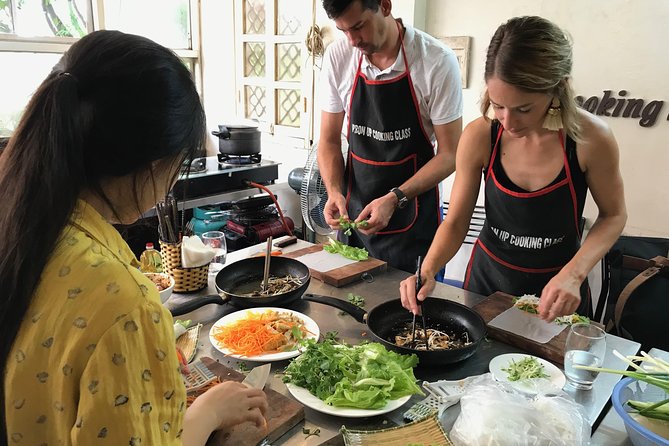
Start with a market, end with a feast. This Hanoi cooking class pairs a visit to a local market with hands-on instruction in five Vietnamese dishes. I like the small group limit of 10, which gives you a better chance to chop, mix, roll, and ask questions. I also like the useful mix of food and culture: you do not simply watch a chef cook, you see ingredients being chosen and then turn them into lunch or dinner.
The main consideration is pace. Five dishes in about three hours and 15 minutes is a lot to cover, so some preparation and cooking may be handled for you. One participant felt the class was very hands-on but noted that items such as the barbecue pork were cooked in advance. If you want a slow, highly technical lesson focused on one recipe, this may feel busy.
In This Review
- Key points at a glance
- Why this class works so well in Hanoi
- Shopping for ingredients at Hanoi’s largest market
- Cooking five classic Vietnamese dishes
- Pho bo
- Bun cha
- Nem ran
- Papaya salad
- Egg coffee or chocolate
- How hands-on is the class?
- Eating the meal you prepared
- Group size, timing, and value
- Who should book this Hanoi cooking class?
- Should you book it?
- FAQ
- How long does the Hanoi cooking class last?
- Where does the class begin?
- Where does the activity end?
- Is hotel pickup included?
- How many people can join the class?
- Which dishes are included?
- Are vegetarian options available?
- What is included in the price?
- Can I cancel for a full refund?
Key points at a glance
- Five Hanoi favorites in one class: Make pho bo, bun cha, fried spring rolls, papaya salad, and egg coffee or chocolate.
- A real market visit first: Walk through Hanoi’s largest market with your English-speaking chef and choose produce and spices.
- A genuinely small group: The class accepts no more than 10 people, with some sessions forming groups of six.
- Good for mixed dietary needs: Vegetarian and non-red-meat versions are available, and instructors have adjusted dishes for allergies.
- Eat what you make: The class ends with your own meal, plus complimentary rice vodka, coffee, or tea.
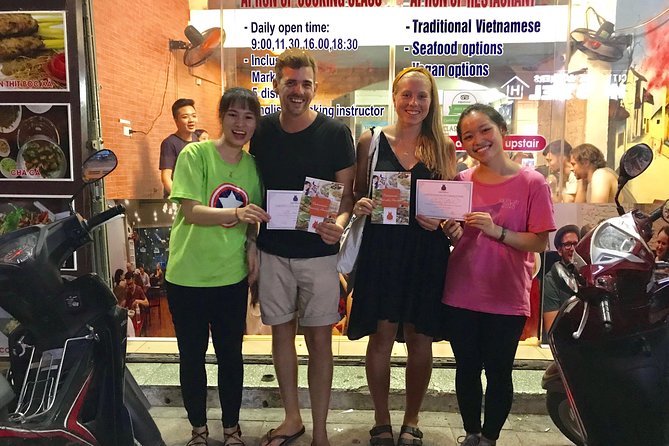
- Useful take-home extras: You receive a recipe book and certificate, so the experience can continue in your own kitchen.
Why this class works so well in Hanoi
Hanoi is a terrific place to learn Vietnamese cooking because food here is tied closely to daily life. A bowl of pho, a plate of bun cha, and a fried spring roll are not just restaurant dishes. They are part of the city’s everyday rhythm, and this class gives you a practical way to understand them.
I like the order of the experience. You first see ingredients in their market setting, then return to the cooking space and use them. That link matters. Instead of meeting a neat row of prepared bowls, you get some sense of how Vietnamese cooks think about herbs, vegetables, spices, noodles, meat, and sauces.
The class begins at 8 P. Gia Ngư in Hanoi’s Old Quarter and ends back at the same meeting point. There is no hotel pickup or drop-off, so you need to arrange your own way there. Since the meeting point is in the Old Quarter, check your route before the start time and allow enough time to find the exact address.
The advertised duration is about three hours and 15 minutes. One session was completed in roughly two and a half hours, while the formal timing allows a little more room. In practice, expect a compact morning or afternoon activity rather than an all-day food tour.
More Cooking Classes in Hanoi
- Hanoi Cooking Class: Culture, Local Market & Meaning CSR Impact
★ 5.0 · 5,147 reviews - Vietnamese Food Cooking Class in Hanoi with Market Experience
★ 5.0 · 778 reviews - Hanoi: 5 Local Dishes Cooking Class with Meal & Market Visit
★ 5.0 · 420 reviews
Shopping for ingredients at Hanoi’s largest market
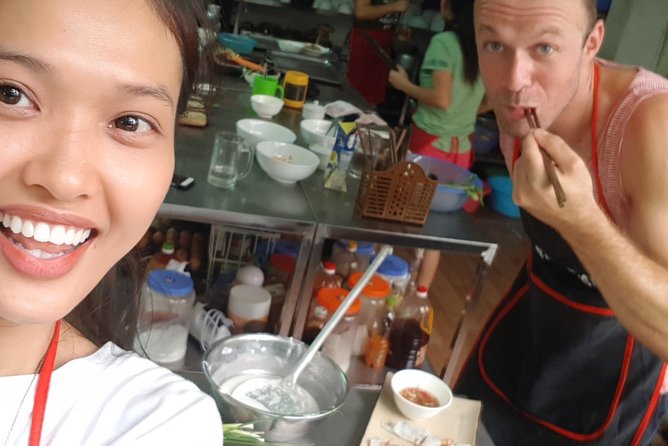
The market visit gives the class its strongest sense of place. You walk with the chef and look at the ingredients used in Vietnamese cooking. This is more useful than a simple market stroll because the guide can explain what to choose and why it belongs in a particular dish.
You can expect attention to fresh produce, herbs, spices, noodles, and other ingredients needed for the menu. The shopping portion also helps explain how Vietnamese meals balance fresh, salty, sweet, sour, and savory tastes.
This is not a formal sightseeing tour with a long historical talk. Its purpose is practical. You are there to learn how ingredients look, how they are selected, and how they fit into the recipes. If you enjoy food markets, this part may be the most memorable section because it connects the finished dishes to ordinary shopping in Hanoi.
There is one small limitation. The exact amount of time spent at the market can vary because the class must keep moving toward the cooking session. If you want lots of time for photographs, independent browsing, or serious shopping, you may find the visit brief. Think of it as an ingredient lesson with a local guide, not a dedicated market tour.
Cooking five classic Vietnamese dishes
Back at the cooking facility, the group prepares five dishes. The planned menu includes pho bo, bun cha, nem ran, papaya salad, and egg coffee or chocolate.
Pho bo
Pho bo is beef noodle soup, one of Vietnam’s best-known dishes. In this class, you learn the basic elements behind the bowl: broth, noodles, beef, and the herbs and seasonings that give pho its character.
Pho can look simple when it arrives at a restaurant, but the balance of its broth takes care. The class gives you a useful introduction to those flavors without asking you to spend an entire day making stock. If pho is the dish you most want to master, pay close attention and take notes, since several other recipes share your attention.
More Market Tours in Hanoi
- Hanoi Cooking Class and Market Tour in Ancient House
★ 5.0 · 379 reviews - Rose Kitchen Hanoi: Market, Cooking & Culture Tour + Free PickUp
★ 5.0 · 342 reviews - Hanoi Maya Kitchen: Traditional Cooking Class & Market Tour
★ 5.0 · 287 reviews - Hanoi: Old Quarter Market Tour and Cooking Class with Meal
★ 4.8 · 192 reviews
Bun cha
Bun cha is closely associated with Hanoi. It combines grilled or barbecued pork, rice noodles, herbs, and dipping sauce. It is a smart choice for a Hanoi cooking class because it shows how the city’s food differs from a generic Vietnamese restaurant menu.
The technique is not only about the pork. The dish depends on the relationship between hot meat, cool noodles, fresh herbs, and a sharp, balanced sauce. You will get a better feel for that combination by preparing and eating it in the same session.
Nem ran
Nem ran is the Vietnamese name used here for fried spring rolls. Rolling the wrappers is one of the more social parts of the class, and working with a partner can make the process easier.
The class is designed so everyone can participate, although some prep and cooking may be completed by the staff to keep five dishes on schedule. That arrangement makes sense, but it also means you should not expect to perform every single step from start to finish.
Papaya salad
The papaya salad adds a fresh, crisp contrast to the noodle soup, pork, and fried rolls. It also gives you a lesson in Vietnamese dressing, where sweet, sour, salty, and spicy notes need to work together.
This is the sort of dish you can often recreate at home without special equipment. The take-home recipe book is particularly useful here, as well as for the spring rolls and egg coffee.
Egg coffee or chocolate
Egg coffee is one of Hanoi’s signature treats. The class includes egg coffee or chocolate, giving you a sweet finish after the savory dishes.
It is a nice reminder that Vietnamese cooking is not limited to pho and spring rolls. The drink also makes the meal feel distinctly Hanoi. If coffee is not your preference, the listed alternative is chocolate.
How hands-on is the class?
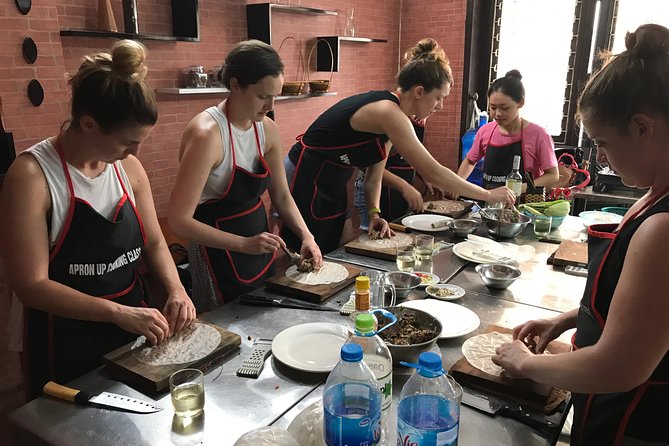
The class is active, but it is not a private chef lesson. You work in a shared setting, usually with a partner, and the chef directs the group through several recipes at once.
The strongest part is the chance to participate in actual preparation. You are not simply watching a demonstration and then receiving a plate. You help make the food, then sit down and eat it. Several instructors have been praised for keeping the class relaxed, clear, and inclusive, with names including Perla, Vy, Emmy, Lynn, Bella, Coco, Sunny, Kim, and Winnie.
The teaching style may vary slightly by instructor, but the pattern is consistent: explanations, demonstrations, shared preparation, and a final meal. Perla has been singled out for clear English and careful adjustments for dietary needs. Vy has been praised for making the class interactive and fun. Coco is noted for including children, while Sunny has handled allergies thoughtfully.
Because the menu is large, the lesson can feel fast. One person wanted more step-by-step guidance, while another appreciated how efficiently five dishes were completed. I would describe it as a practical introduction rather than a professional culinary course.
You should also expect some behind-the-scenes help. Staff may prepare ingredients, cook certain items, or clear away equipment. That keeps the session moving and makes the experience manageable, but it reduces the amount of individual technique you will practice.
Eating the meal you prepared
The best reward comes at the end, when the food is served for the group to enjoy together. You get to compare the dishes, see how the flavors work as a meal, and share the table with people from different countries.
There is plenty to eat, so arrive hungry. The menu covers soup, noodles, pork, fried rolls, salad, and a sweet drink. That is a substantial spread for a three-hour class, especially at the current price of $35.07 per person.
Complimentary rice vodka is included, along with coffee or tea. Rice vodka is a traditional Vietnamese spirit, and the small drink adds a local touch to the meal. You can treat it as an optional part of the experience rather than a reason to book the class.
The meal is also where dietary planning matters. Vegetarian and non-red-meat versions are available, and allergy adjustments have been made successfully. Still, you should communicate your needs clearly when booking or before the class begins. The more specific you are, the easier it will be for the chef to adapt the menu.
One practical note concerns hygiene. Most of the feedback is strongly positive, but one person raised a concern about cleanliness. Cooking facilities can feel different from a home kitchen, and several dishes are being prepared at once. If strict hygiene standards are a major concern for you, ask questions at the start and observe how ingredients and surfaces are handled.
Group size, timing, and value
The maximum group size is 10, though some sessions have had six people. That is a comfortable size for a class involving several dishes. You are not likely to receive the same one-to-one attention as in a private lesson, but a small group makes it easier to share tasks and work with a partner.
The price of $35.07 covers the market visit, the cooking lesson, the meal, an English-speaking chef, rice vodka, coffee or tea, a recipe book, and a certificate. Hotel transportation is not included.
For me, the value is strongest if you want three things at once: a taste of local food culture, a filling meal, and recipes you can take home. Buying a similar meal in Hanoi could cost far less, so this is not simply a cheap way to eat. You are paying for instruction, ingredient selection, a guided market visit, and the chance to cook.
It is also good value for families and couples who want a shared activity. The class works particularly well when two people can share a workstation. Solo participants can join, but the partner-based setup may feel more natural for couples, friends, or family groups.
The mobile ticket is convenient, and confirmation is provided at booking. The meeting point arrangement keeps the tour simple, but you need to get yourself there and back. Free cancellation is available up to 24 hours before the start time. Inside that window, the payment is not refunded, and changes are not accepted.
Who should book this Hanoi cooking class?
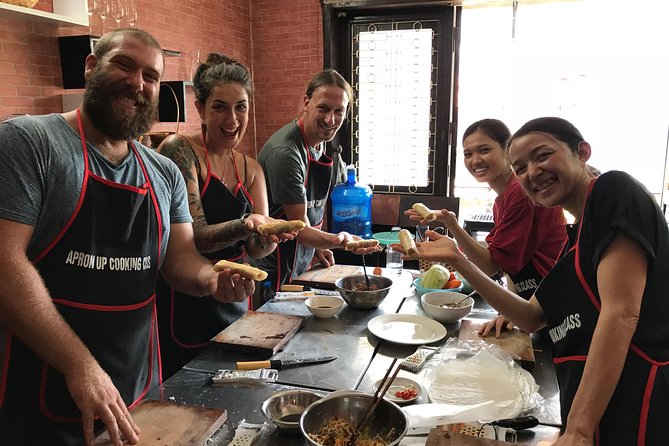
I would recommend it to anyone who wants a friendly introduction to Vietnamese food without committing to a full-day culinary program. It suits first-time visitors to Hanoi, food lovers, couples, families, and people who like meeting others around a shared table.
It is also a good choice if you want to take home something practical. The recipe book means the class does not end when you leave Hanoi, and the certificate is a pleasant extra.
You may want to choose another type of class if you want a private lesson, advanced knife work, or detailed instruction on one dish. The menu is ambitious, so the pace can be brisk and some work is shared or completed in advance.
For families, check the menu and dietary needs before booking. Children can be included, and one instructor was praised for involving younger participants, but the class still asks everyone to keep up with several recipes.
Should you book it?
Yes, if you want an affordable, social, and practical introduction to Hanoi cuisine. The market visit gives the class local character, the five-dish menu offers excellent variety, and the small group format keeps the session from feeling anonymous.
Book it with realistic expectations. You will not personally complete every step of every dish, and the class may move quickly. But you will learn useful basics, eat a generous meal, receive recipes, and gain a clearer sense of how familiar Vietnamese dishes are put together. At $35.07, that is a strong package for a three-hour Hanoi activity.
FAQ
How long does the Hanoi cooking class last?
The experience lasts approximately three hours and 15 minutes.
Where does the class begin?
It begins at 8 P. Gia Ngư, Hàng Bạc, Hoàn Kiếm, Hà Nội 08404, Vietnam.
Where does the activity end?
The class ends back at the meeting point.
Is hotel pickup included?
No. Hotel pickup and drop-off are not included.
How many people can join the class?
The maximum group size is 10 people.
Which dishes are included?
The menu includes pho bo, bun cha, nem ran, papaya salad, and egg coffee or chocolate.
Are vegetarian options available?
Yes. Vegetarian and non-red-meat versions are available.
What is included in the price?
The price includes an English-speaking chef, coffee or tea, rice vodka, the cooking class, the market visit, the meal you prepare, a recipe book, and a certificate.
Can I cancel for a full refund?
Yes. You can cancel at least 24 hours before the start time for a full refund. Cancellations within 24 hours are not refunded.
More Workshops in Hanoi
- Hanoi Coffee Workshop: Taste Salt, Coconut and Egg Coffee
★ 5.0 · 1,286 reviews - Hanoi: Salt Coffee Workshop Awake Your Senses With 6 Brews
★ 5.0 · 792 reviews - Hanoi: Handcrafted Wood Carving Workshop with Local Artisan
★ 5.0 · 733 reviews - Hanoi Cooking Class: Pho/Bun Cha/Banh Xeo…+Free Egg/Salt Coffee
★ 5.0 · 267 reviews
More Shopping Tours in Hanoi
- Cooking class with market visit
★ 5.0 · 49 reviews - Cooking Class Hoi An:Local Market, Basket Boat, Fishing & Cooking
★ 5.0 · 3,660 reviews - Hoi An Cooking Class(Market,BasketBoat Crabfishing&Cooking Class)
★ 5.0 · 3,386 reviews - From Hoi An: Market Tour, Basket Boat Ride and Cooking Class
★ 4.8 · 2,208 reviews
New around Hanoi
- Private LUXURY Hanoi City Full day guided tour★ 4.5 · 21 reviews
- Private transfer between Hanoi and Sapa★ 5.0 · 27 reviews
- Private Transfer Hanoi <=> Mai Chau One Way (Free hotel pickup)★ 5.0 · 22 reviews
- Private Transfer from Ninh Binh to Halong or Halong to Ninh Binh★ 5.0 · 21 reviews
- Private Transfers Hanoi <=> Halong One Way (Free Hotel Pickup)★ 5.0 · 31 reviews
- Hanoi Airport See-off (Private Ride from Hotels to Hanoi Airport)★ 4.5 · 70 reviews
- Thang Long Water Puppet Theater★ 4.5 · 45 reviews
- Private transfer Ninh Binh <=> Halong One Way (Free Hotel Pickup)★ 5.0 · 21 reviews
Cooking Classes in Hanoi, compared.

Hanoi Cooking Class: Culture, Local Market & Meaning CSR Impact
Read our review →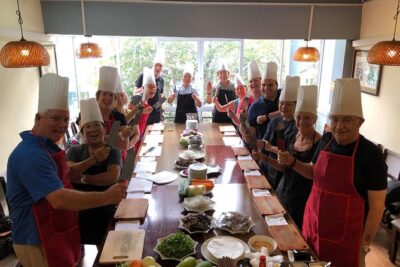
Vietnamese Food Cooking Class in Hanoi with Market Experience
Read our review →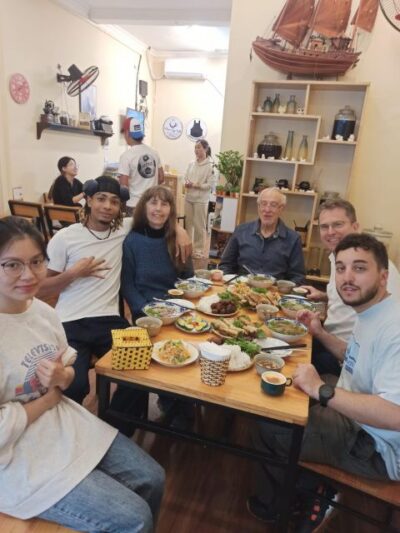
5 Local Dishes Cooking Class with Meal & Market Visit
Read our review →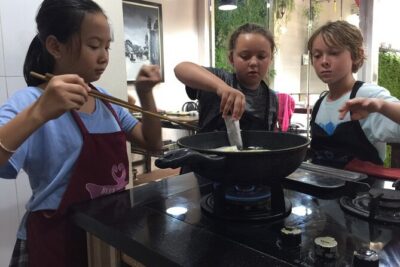
Hanoi Cooking Class and Market Tour in Ancient House
Read our review →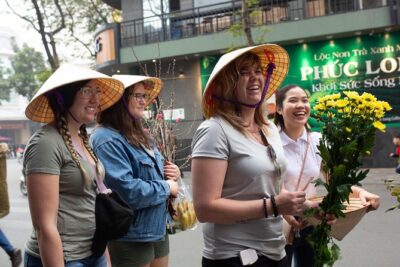
Hanoi Maya Kitchen: Traditional Cooking Class & Market Tour
Read our review →
Hanoi Cooking Class: Pho/Bun Cha/Banh Xeo…+Free Egg/Salt Coffee
Read our review →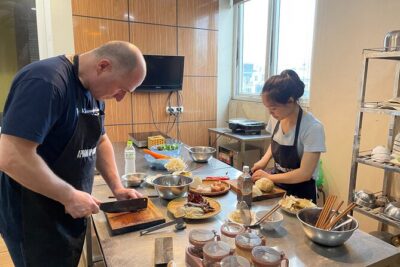
Private Cooking Class with 5 dishes of your choice
Read our review →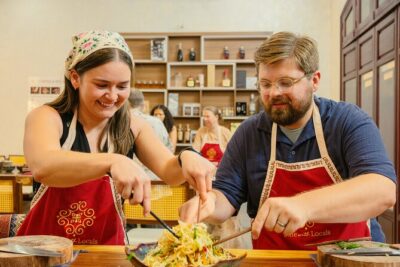
Experience Hanoi Cooking Class with Free Wine Tasting
Read our review →Browse the lists this tour appears in