

Reviewed · HANOI TOURS
From Hanoi: 2-Day Sapa Cultural Exchange Tour with Homestay
Sapa rewards sturdy shoes. This two-day cultural trek takes you from Hanoi into the Muong Hoa Valley, through rice terraces and mountain villages, then into a simple Dzay family homestay in Ta Van. I like the easy return transport from Hanoi and the chance to spend the night with a local family rather than retreating to a standard hotel. The main catch is the walking: the first day is long, paths can turn slippery, and the homestay is basic.
You travel in a small group of up to 15 people with an English-speaking guide. Guides such as Sung, Za, Chun, Cheng, and Lily have been praised for their care, photography help, and answers about local life. I also like that you get a second morning trek instead of rushing back to Sapa after one afternoon, but cloudy weather can hide the best views.
In This Review
- Key points to know before booking
- Why this Sapa trip works as a short escape from Hanoi
- From Hanoi to Sapa: the first practical test
- Y Linh Lo and Muong Hoa Valley: a long afternoon on foot
- Lao Chai to Ta Van: village life before the homestay
- Breakfast and the four-kilometer morning walk
- Sapa town: a useful pause before the ride home
- What the $100 price really covers
- Guides can shape the whole experience
- The main drawbacks you should weigh
- Who should book this two-day Sapa trek?
- FAQ
- Where does the tour start in Hanoi?
- Where does the tour end?
- How long does the tour last?
- What meals are included?
- What is the homestay like?
- Is the tour suitable for children or people with limited mobility?
- What should I bring?
- Should you book it?
Key points to know before booking

- The first day covers a long downhill route: Expect a serious walk through Y Linh Lo, Lao Chai, and Muong Hoa Valley before reaching Ta Van.
- Ta Van homestay gives you more local contact: You sleep in a single basic bed with a mosquito net and use a shared bathroom with hot water.
- The second trek includes Red Dzao country: Bamboo forest paths and views toward Giang Ta Chai add a different setting to the Dzay villages of day one.
- Hiking shoes matter after rain: Mud and slippery paths have made parts of the route difficult, even when the walk itself is not especially steep.
- The $100 price covers the big practical pieces: Return bus travel, four meals, a guide, homestay, and Hanoi pickup or drop-off are included.
- You need patience with the transport plan: The overnight-style bus is comfortable, but pickup and departure arrangements can feel confusing at first.
Why this Sapa trip works as a short escape from Hanoi
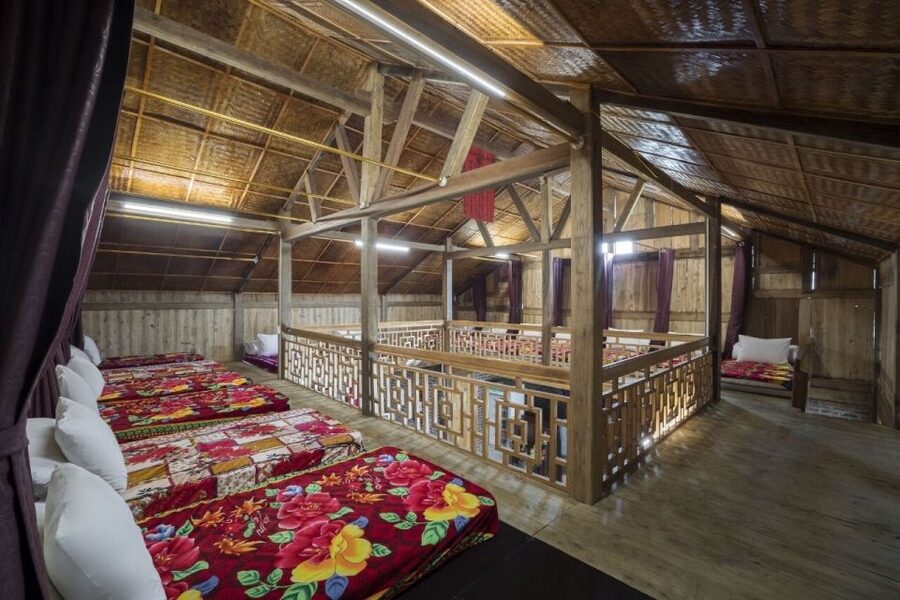
Sapa is far enough from Hanoi that arranging transport, meals, village walks, and an overnight stay can become a project of its own. This tour puts those pieces together for $100 per person, with pickup from hotels in Hanoi’s Hoan Kiem district or departure from 204 Tran Quang Khai Street near Hong Ha Hotel.
I see the main value in the transport. You ride an air-conditioned sleeping bus to Sapa, make comfort stops along the way, and return to Hanoi after the second day. You do not need to find a separate shuttle, arrange a village guide, or negotiate your way back from the mountains.
The tradeoff is control. You travel on a fixed group schedule, and you may not always know what is happening during the transfer. One useful piece of advice is to trust the plan, keep your essentials close, and ask the tour leader when you are unsure. The bus has received good marks for comfort, including the VIP bus service, but the road journey still takes a substantial part of the experience.
This is not a relaxed hotel weekend. It is a compact walking trip with a family stay attached. If you have only two days and want to see Sapa without building the trip yourself, the format makes sense.
A few more Hanoi runs to compare on price
- Amanda Cruise – Ha Long, Lan Ha Bay – All Inclusive 2D1N & 3D2N
★ 5.0 · 4,358 reviews - Hanoi: 2-Day Halong & Lan Ha Bay 5-Star Cruise with Balcony
★ 4.8 · 3,300 reviews - Sapa 2 Days 1 Night From Hanoi – Overnight in Ta Van Village
★ 5.0 · 2,669 reviews
From Hanoi to Sapa: the first practical test
Pickup begins at your Old Quarter hotel if you are staying in the Hoan Kiem district. If you stay outside that area, you need to reach the stated meeting point on Tran Quang Khai Street. Confirm the exact departure time when you book, since the start time depends on availability.
The bus leaves Hanoi and stops a couple of times for comfort breaks. You reach Sapa around lunchtime, then eat before starting the mountain walk. That timing is useful because you can begin the trek with food in you, though it also means day one combines a long transfer and a demanding afternoon.
Keep your passport or ID card, cash, water, and warm layers accessible. You do not want to bury your jacket in a large bag during the ride. Large luggage does not need to go with you on the full walk, and the tour has a plan for transporting bigger bags, but you should confirm where your main luggage will be stored before setting off.
The weather changes quickly in Sapa. From September to March, cold conditions are common, and fog can appear from December through March. Fog does not stop the walk, but it can hide the rice terraces and distant views that give this route much of its appeal.
Y Linh Lo and Muong Hoa Valley: a long afternoon on foot
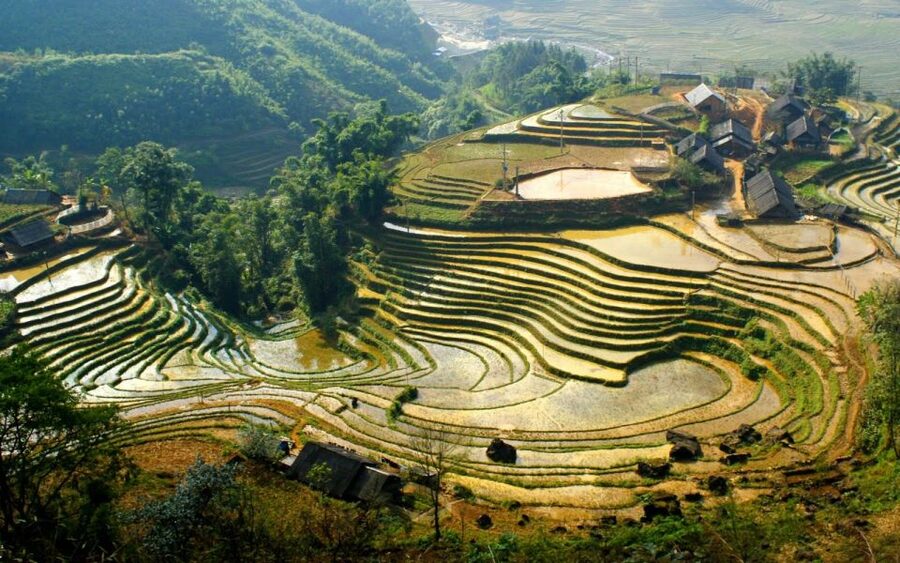
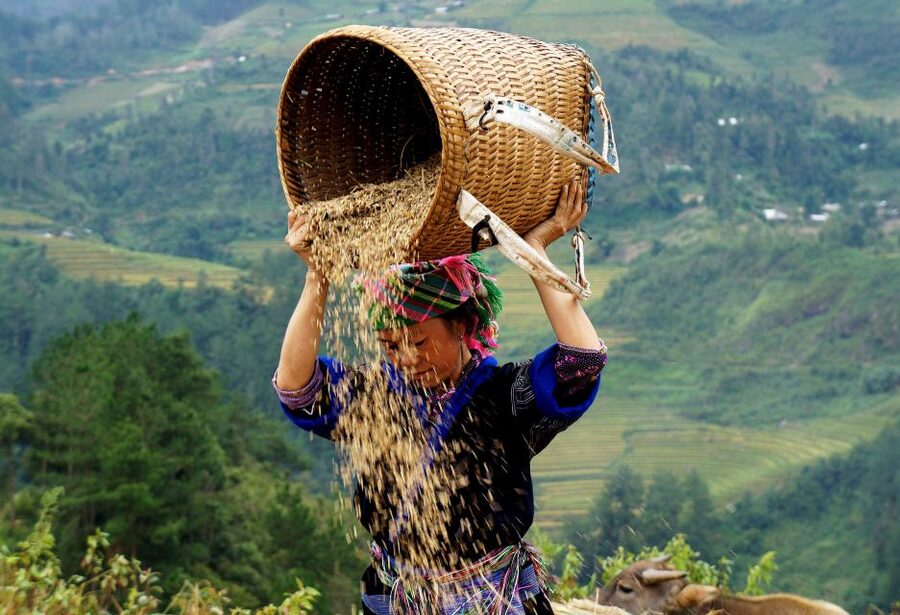
After lunch, you begin at Y Linh Lo and walk downhill into Muong Hoa Valley. This is the visual center of the first day, with rice paddies, terraced fields, small hamlets, and mountain paths linking one settlement to the next.
The downhill direction sounds easy, but do not mistake it for a gentle stroll. A long descent can work your knees, and wet ground makes the route harder. One account describes the first day as roughly 12 kilometers, so I would prepare for several hours of steady walking rather than a short photo stop.
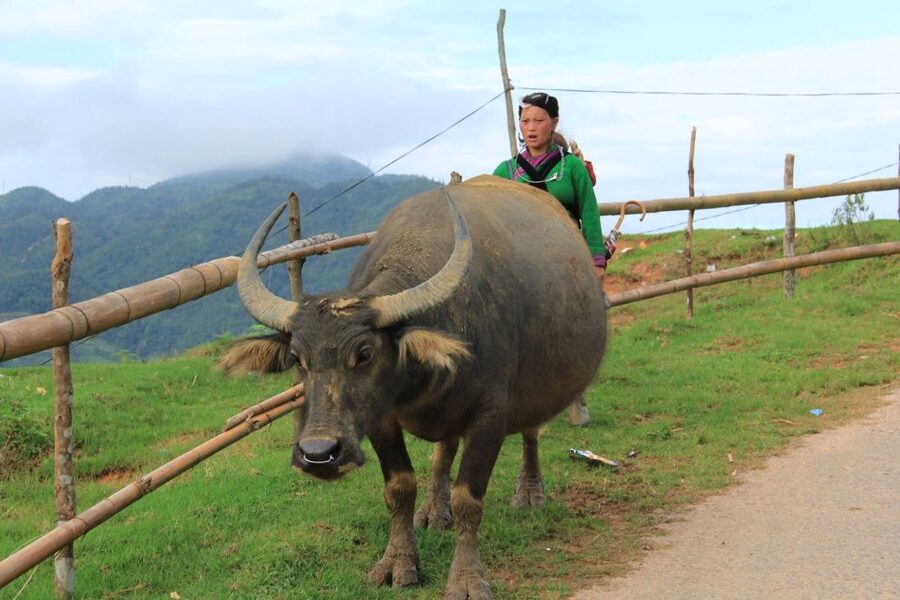
The reward is contact with everyday village life. Your guide explains how local communities live among the paddies and hamlets, and you have chances to communicate with villagers. The route is more useful when you ask questions, so bring a curious attitude and be ready to listen rather than simply photograph.
You may also encounter local women who walk alongside groups and hope to sell handmade goods. That can be part of the reality of visiting a popular village route, but it can also make the walk feel less peaceful. If you do not want to buy anything, a friendly and clear answer is usually better than making promises.
The route is not described as technically extreme, and one account called it beautiful and not too difficult. Still, not too difficult depends on your footwear, weather, and fitness. Take walking shoes with a firm grip. Trainers can work in dry conditions, but rain turns sections slippery, and hiking shoes offer much better confidence.
Lao Chai to Ta Van: village life before the homestay
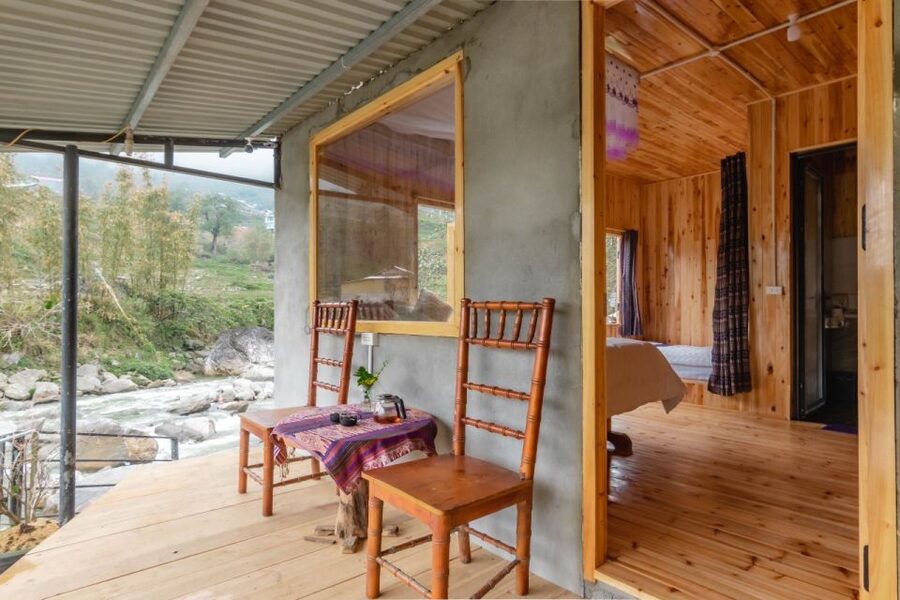
The walk continues through Lao Chai and onward across rice terraces to Ta Van. Lao Chai gives you another chance to speak with local villagers and learn about the communities living in the valley. The guide is an important part of this section because the scenery alone does not explain the cultural differences between villages.
Ta Van is associated with the Dzay people and is often considered one of the most beautiful places in the area. The village also gives the tour its strongest cultural feature: you stay with a Dzay family instead of returning to Sapa town.
That overnight stay changes the rhythm of the trip. You are no longer passing through with a camera and a guide. You have an evening to rest, eat dinner, and spend time around the household. Guides sometimes remain with the group during dinner, which helps keep the evening social and gives you a chance to ask more questions.
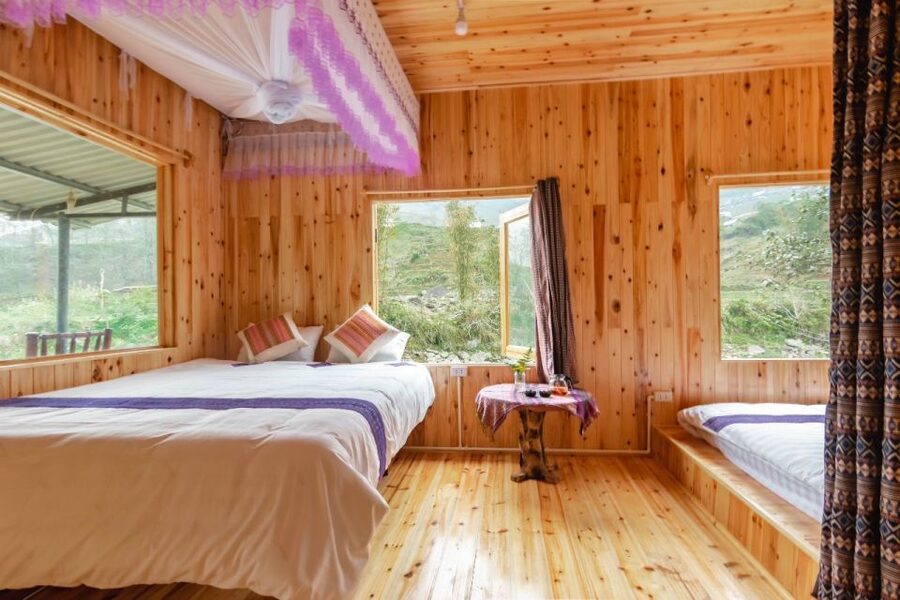
Set your expectations correctly. The homestay includes a single basic bed with a mosquito net and a public bathroom with hot water. Some people find the setup comfortable enough and appreciate the food, while others find it more like a simple hostel than a private family home. Both impressions can be true: the value is the setting and contact with the family, not hotel-style comfort.
Bring warm clothes for the evening. A jacket, scarf, and hat are specifically recommended, and Sapa can feel cold even after a sunny walk. Drinks are not included, so budget for beverages and keep Vietnamese dong with you.
Same city, a very different kind of morning:
- Hanoi Jeep Tour: Food, Culture and Fun by Vietnam Army Jeep
★ 5.0 · 15,222 reviews - Full-Day Ninh Binh Highlights Tour from Hanoi
★ 5.0 · 7,761 reviews - Hanoi: Ha Long Bay Day Cruise – Swimming, Meal, Kayaking
★ 4.7 · 7,415 reviews - Hanoi: Water Puppet Show Tickets
★ 4.6 · 7,029 reviews
Breakfast and the four-kilometer morning walk
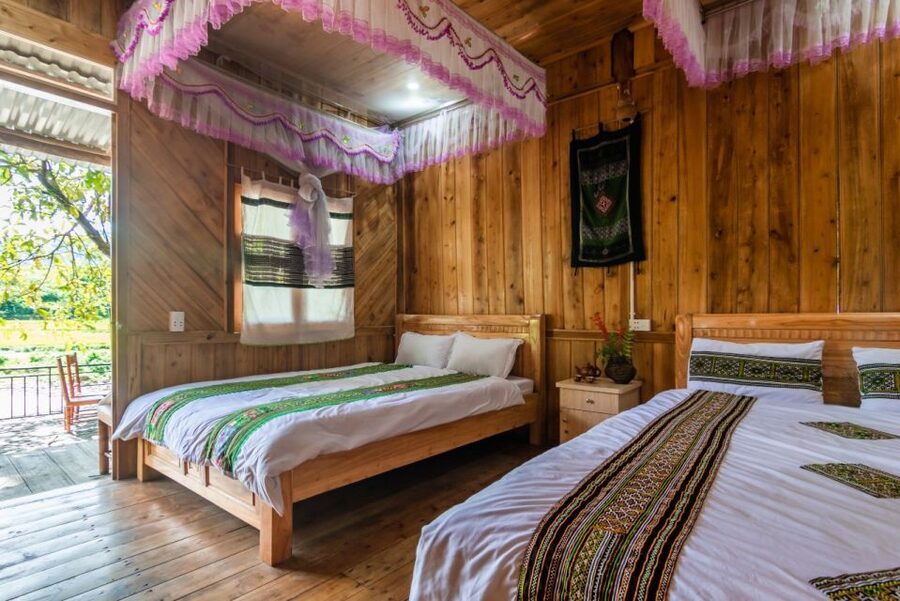
The family prepares breakfast before you leave for the second trek. This section covers about four kilometers and lasts around two hours, making it shorter than the previous afternoon but still part of two consecutive walking days.
You head toward the rice paddies for photos, then continue through a bamboo forest. The route offers a different feel from the open terraces of Muong Hoa Valley. You also stop for a broad view toward Giang Ta Chai village, home of the Red Dzao people.
The cultural value here comes from seeing several communities within one small region. Day one focuses heavily on Dzay country around Ta Van, while day two introduces Red Dzao territory and the village view. Your guide can help you understand the distinction, so guides such as Sung, Za, Chun, Cheng, or Lily can make a real difference in how much you take from the walk.
The path continues to Giang Ta Chai Bridge and then reaches the main road. A bus picks you up there and returns you to Sapa town. If the ground is wet, this section may feel more dangerous than the distance suggests. Keep both hands free, watch your footing, and do not let the promise of a good photograph pull you too close to an unstable edge.
Sapa town: a useful pause before the ride home
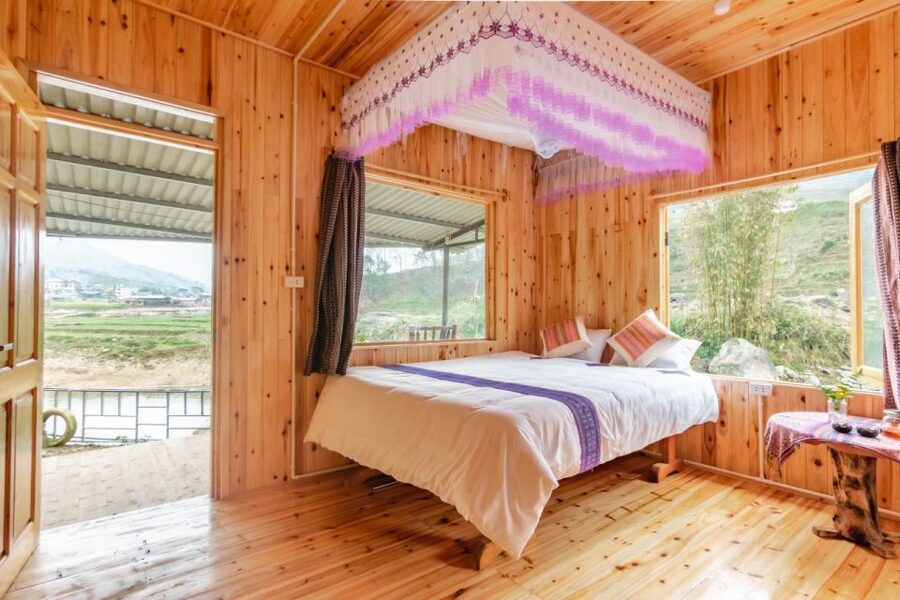
Back in Sapa, you can shower at the hotel, check out, eat, or rest while the rest of the group gathers. This pause is a thoughtful part of the schedule. After two days of walking, a shower and dry clothes can make the long bus ride far more pleasant.
You should not assume a full sightseeing session in Sapa town. The stop is mainly for practical needs before departure. Use it to refill water, buy snacks, exchange any remaining money, and check that you have your passport and belongings.
The return bus makes two comfort stops and drops you on Tran Quang Khai Street in Hanoi. The tour ends at the meeting point, so hotel drop-off in Hanoi is not the stated arrangement. If you have a late flight or another booking, allow plenty of extra time after the scheduled return because road traffic and mountain conditions can affect the journey.
What the $100 price really covers
At $100, the tour offers a solid bundle for an organized two-day trip. Included are:
- Hotel pickup and drop-off where available in Hanoi’s Hoan Kiem district
- Return transportation in an air-conditioned bus
- One breakfast, two lunches, and one dinner
- An English-speaking tour leader or guide
- A basic homestay bed with mosquito net
- Shared bathroom with hot water
The food is a useful inclusion because you spend the trekking days away from normal town restaurants. Meals have generally been described as good, with the homestay dinner receiving particular praise. Beverages and personal expenses are extra, so carry Vietnamese dong. Banking services in Sapa may not work reliably, and US dollars, euros, and Australian dollars are also accepted there.
For me, the price is strongest if you value convenience and a local overnight stay. A private Sapa arrangement could offer more space and control, but it would also require separate transport, lodging, meals, and guiding. The small group, limited to 15 participants, keeps the experience more manageable than a large coach excursion.
The price is less attractive if you want a polished homestay, a private guide, or a slow walking pace. You are paying for access and organization, not luxury.
Guides can shape the whole experience
The guide has two jobs here: keep you moving safely and help you understand the communities along the route. Several guides have been singled out for being kind, attentive, helpful with photographs, and willing to answer questions about Vietnamese culture.
Sung appears repeatedly in the strongest praise, with Za, Chun, Cheng, and Lily also receiving warm mention. Lily even helped one sick participant with a traditional treatment from her tribe. That is a memorable example of the personal care a local guide can bring, though you should not treat traditional remedies as a replacement for medical help.
Guide quality can vary in how much explanation you receive. If your guide is quiet or busy managing the group, ask direct questions about the Dzay and Red Dzao people, the villages, farming, and the valley. The experience improves when you make the conversation part of the walk.
The group size of up to 15 is a good compromise. You get some social energy and support without the scale of a full busload on the trail. Still, different fitness levels can affect the pace, so expect occasional waiting and do not plan the route like a private hike.
The main drawbacks you should weigh
The weather is the biggest variable. Sunlight brings out the terraces and valley views, while fog can reduce visibility. Rain adds mud and slippery footing, and one account found the second hike dangerous after wet weather. Check the forecast before booking if scenery is your top reason for going.
The walking is the second concern. You cover a long route on day one and continue for two hours on day two. The tour is not suitable for people with limited mobility, pregnant women, or children under six. Even fit walkers should pack light, wear proper shoes, and bring water.
The homestay is simple. You receive a bed and mosquito net, plus hot water in a public bathroom, but you should not expect private hotel facilities. I would choose this tour for the family setting and location, not for sleep quality.
Finally, the schedule can feel busy. You leave Hanoi, walk after lunch, stay overnight, walk again, pause in Sapa, and take the bus back. That is efficient, but it leaves little room for changing plans.
Who should book this two-day Sapa trek?
I would recommend it to you if you want:
- A first look at Sapa without arranging each transfer yourself
- Rice terraces, village paths, and bamboo forest walks
- A genuine family homestay rather than a standard town hotel
- A chance to learn about Dzay and Red Dzao communities
- A social small-group trip with an English-speaking guide
- A fixed $100 package with transport and meals included
I would choose another option if you need private rooms, easy walking, guaranteed clear views, or a flexible timetable. This trip asks you to accept basic facilities, changing weather, and a long first day in exchange for a fuller connection with the valley.
Cancellation is free up to 24 hours before departure, and you can reserve now and pay later. That flexibility is useful when Sapa’s weather forecast looks uncertain.
FAQ
Where does the tour start in Hanoi?
Pickup is available from hotels in Hanoi’s Hoan Kiem district. If you stay outside that area, meet the group at 204 Tran Quang Khai Street, near Hong Ha Hotel.
Where does the tour end?
The activity ends back at the meeting point on Tran Quang Khai Street in Hanoi.
How long does the tour last?
The experience lasts two days. Starting times depend on availability when you book.
What meals are included?
The tour includes one breakfast, two lunches, and one dinner. Beverages are not included.
What is the homestay like?
You receive a single basic bed with a mosquito net. The bathroom is shared and has hot water. Facilities are simple.
Is the tour suitable for children or people with limited mobility?
The tour is not suitable for children under six, pregnant women, or people with mobility impairments.
What should I bring?
Bring your passport or ID card, comfortable clothes, warm clothing, sturdy shoes, cash, and water. Vietnamese dong is recommended because banking services in Sapa may not always work well.
Should you book it?
Book this tour if you want Sapa’s terraces and villages with the hard planning handled for you. The strongest reasons are the Dzay homestay in Ta Van, the two distinct trekking days, the helpful local guides, and the included Hanoi transport and meals.
Go in with sturdy shoes, warm layers, modest expectations for the homestay, and enough cash. If the forecast promises heavy rain or you dislike long walks, wait for better conditions or choose a shorter Sapa outing. For active visitors who value local contact more than comfort, this is a good-value introduction to the Muong Hoa Valley.
New around Hanoi
- Private LUXURY Hanoi City Full day guided tour★ 4.5 · 21 reviews
- Private transfer between Hanoi and Sapa★ 5.0 · 27 reviews
- Private Transfer Hanoi <=> Mai Chau One Way (Free hotel pickup)★ 5.0 · 22 reviews
- Private Transfer from Ninh Binh to Halong or Halong to Ninh Binh★ 5.0 · 21 reviews
- Private Transfers Hanoi <=> Halong One Way (Free Hotel Pickup)★ 5.0 · 31 reviews
- Hanoi Airport See-off (Private Ride from Hotels to Hanoi Airport)★ 4.5 · 70 reviews
- Thang Long Water Puppet Theater★ 4.5 · 45 reviews
- Private transfer Ninh Binh <=> Halong One Way (Free Hotel Pickup)★ 5.0 · 21 reviews
Hanoi Tours, compared.

Hanoi Jeep Tour: Food, Culture and Fun by Vietnam Army Jeep
Read our review →
Full-Day Ninh Binh Highlights Tour from Hanoi
Read our review →
Ha Long Bay Day Cruise – Swimming, Meal, Kayaking
Read our review →
Hanoi Motorbike Tour: Food, Culture and Fun by Vintage Motorbike
Read our review →

Hanoi Cooking Class: Culture, Local Market & Meaning CSR Impact
Read our review →
5 Traditional Dishes Hanoi Cooking Class with Market Trip
Read our review →Browse the lists this tour appears in