
Reviewed · HANOI TOURS
From Hanoi: 2-Day Sapa Limo Bus Tour & Fansipan Peak Visit
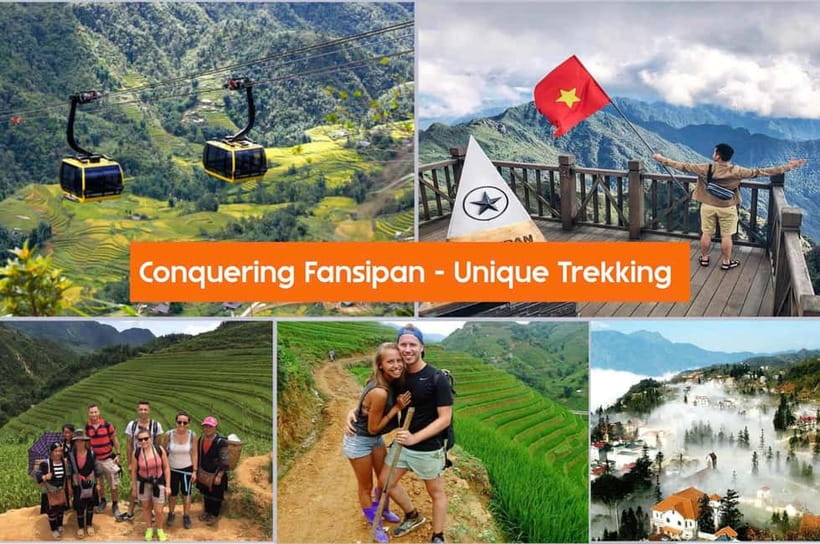
Sapa rewards an early start. This two-day trip gives you a practical way to reach Vietnam’s northern mountains, with rice-terrace trekking through Lao Chai, time in Sapa town, and a cable-car ride to Fansipan, the Roof of Indochina. I especially like the local guide, who adds meaning to the villages and explains daily life among the ethnic communities. I also like that transport, hotel, meals, village entry, and local transfers are bundled together.
The main thing to consider is the pace. You spend roughly six hours getting between Hanoi and Sapa each way, then fit trekking and Fansipan into a short visit. Weather is another gamble. Clouds can hide the views from the summit, and some accommodation and meals appear fairly basic despite the otherwise strong organization.
In This Review
- The four details that matter most
- Why this short Sapa trip works
- Day 1: The long road from Hanoi to Sapa
- Lao Chai and the Muong Hoa valley
- Sapa town and the one-night hotel
- Day 2: Riding the cable car to Fansipan
- Lunch, free time, and the ride back
- The real value of the package
- Who should choose this tour?
- What to pack for two days
- FAQ
- Is the Fansipan cable-car ticket included?
- How long is the Hanoi to Sapa bus journey?
- What meals are included?
- What kind of accommodation is provided?
- Is a guide included for Fansipan?
- What village does the walking tour visit?
- Should you book it?
The four details that matter most
- The Lao Chai walk follows rice terraces and the Muong Hoa Stream, with a local English-speaking guide and a car ride back to the hotel.
- Fansipan’s cable car takes about 20 minutes each way, followed by a climb of around 600 steps to the summit.
- The $35 cable-car ticket is not included, so budget for it separately and pay on arrival.
- The Hanoi to Sapa ride may vary by booking option, with limousine and sleeper-bus arrangements reported. Confirm the exact vehicle before departure.
- Guides such as Song, Susu, Soh, Lô, and Than receive especially warm praise for kindness, English, and cultural explanations.
- Cash in Vietnamese dong is useful, since card and banking services in Sapa can be unreliable.
Why this short Sapa trip works
Sapa is one of those places where the journey is part of the point. Hanoi is dense, noisy, and lowland. Sapa brings cooler air, steep mountain slopes, rice terraces, village paths, and a very different rhythm of life. This tour handles the awkward parts of reaching the region, especially the long bus ride and local transfers.
I like the way the package combines two very different mountain experiences. Lao Chai gives you contact with village life on foot. Fansipan gives you a grand view from high above the Hoang Lien Son range, provided the clouds cooperate.
The tour earns a strong overall rating of 4.6 from 277 ratings, but you should read the fine print in the spirit of the trip. This is not a slow Sapa holiday. It is a compact introduction with a full first day, an early second day, and limited free time.
A few more Hanoi runs to compare on price
- Amanda Cruise – Ha Long, Lan Ha Bay – All Inclusive 2D1N & 3D2N
★ 5.0 · 4,358 reviews - Hanoi: 2-Day Halong & Lan Ha Bay 5-Star Cruise with Balcony
★ 4.8 · 3,300 reviews - Sapa 2 Days 1 Night From Hanoi – Overnight in Ta Van Village
★ 5.0 · 2,669 reviews
Day 1: The long road from Hanoi to Sapa
The bus leaves Hanoi early in the morning. The trip takes about six hours, with short stops in Phu Tho Province and Lao Cai city. The route is practical rather than luxurious sightseeing, but the changing scenery gives you a useful transition from the capital to the mountains.
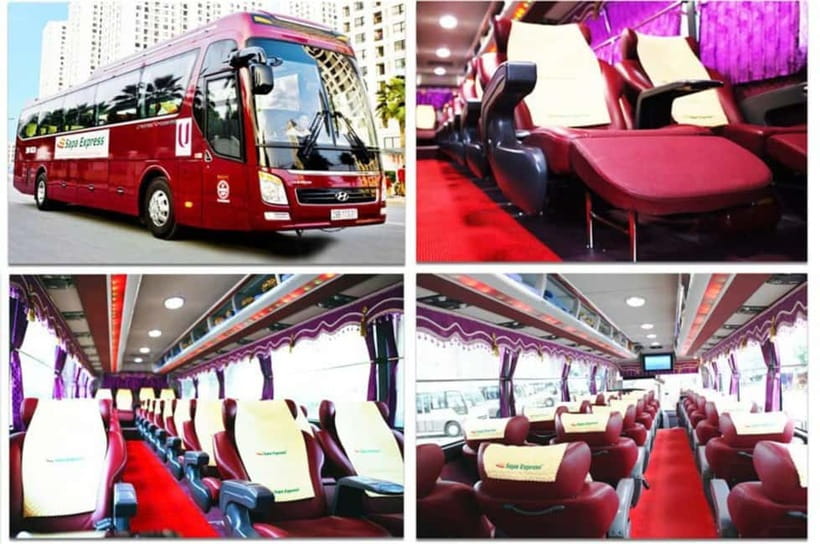
The vehicle matters here. The tour is described as using a limousine bus, while some bookings have involved sleeper buses, including upgraded versions with individual cabins. A comfortable sleeper bus can make the journey much easier, especially for children or anyone who prefers to lie down. On the other hand, one budget sleeper bus was described as cramped for a passenger around 1.8 metres tall.
I would confirm your exact transport option before setting out. One-way service has also been described as less polished than the other, with an older bus, unclear break announcements, delivery stops, and limited help with luggage. Other arrangements were praised as comfortable and smooth. The lesson is simple: the bus can shape your opinion of the whole tour.
Bring small Vietnamese notes for rest stops. Toilets may charge a small fee, and the bus does not necessarily have an onboard toilet. Two stops are scheduled during the six-hour journey, but you should still use every stop.
After reaching Sapa, a local representative meets you and takes you to lunch. The meal includes local Vietnamese dishes. Food quality is one of the less consistent parts of the trip: some people found the meals good and filling, while others found the set menus ordinary or poor. Expect practical group-tour meals, not a food-focused tour.
Lao Chai and the Muong Hoa valley
The afternoon walk is the heart of the first day. You set out through rice terraces and along the Muong Hoa Stream toward Lao Chai, a Black Hmong village surrounded by the Hoang Lien Son mountains.
This is not a strenuous mountain expedition. The walk has been described as lasting about two and a half to three hours at an easy pace, with frequent photo stops. That makes it suitable for many people who can manage uneven paths and hills, but it is still more demanding than a stroll around Sapa town.
Expect a mix of village paths, terraces, steps, and changing surfaces. Several accounts describe routes associated with Cat Cat village as well as Lao Chai and Ta Van, so I would confirm the exact village route included with your booking. The supplied itinerary names Lao Chai Ta Van, while some arrangements appear to use Cat Cat village instead. These are not identical visits, and the distinction matters if you have a particular village in mind.
The value of the walk comes from the guide. Guides such as Song, Susu, Soh, Lô, and Than are praised for being warm, patient, and good at explaining local culture. A guide from a local ethnic community can help you understand clothing, work, homes, weaving, and family life in ways that a quick photo stop cannot.
The route also includes encounters with local sellers and village businesses. That can feel commercial in places, especially around the more visited paths, but it is still useful to see how tourism fits into local income. You will have chances to see mountain scenery, traditional practices, and village homes rather than only viewing Sapa from the main streets.
Wear proper trekking shoes. Sandals and smooth trainers are poor choices if the path is wet. Sunglasses, sunscreen, insect repellent, and any personal medication belong in your day bag. Keep your luggage in the bus trunk, then store it at the Sapa hotel before beginning the walk.
At the end of the trek, a car takes you back to the hotel for dinner. That return transfer is welcome because the walk already fills much of the afternoon.
Sapa town and the one-night hotel
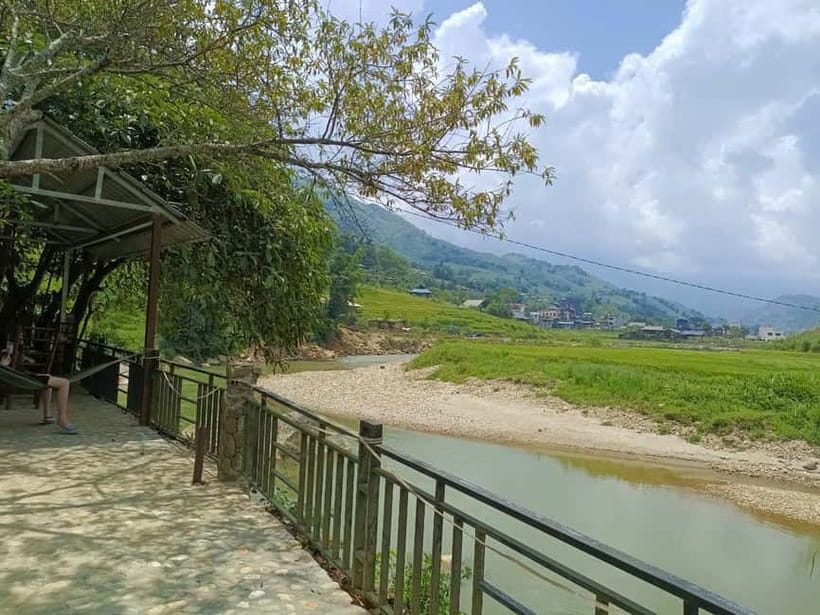
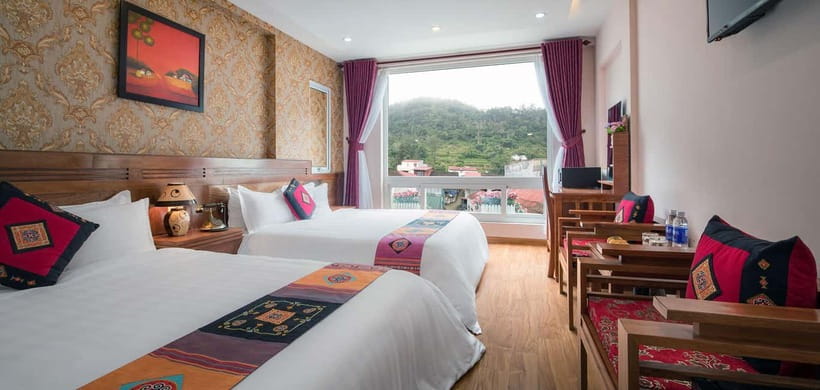
The hotel is listed as a three-star property with a double or twin room on a shared basis. Reports describe some rooms as clean, spacious, and well located near the market or night market. Other accommodation was judged merely acceptable, with complaints about poor bathroom design, missing toilet paper, weak internet, and average facilities.
That range suggests you should view the hotel as a convenient base, not a reason to book the tour. Hotel assignments may vary by option, and a few people upgraded to a four-star property. If room comfort is important, ask about the upgrade before paying.
The location is more valuable than luxury. A central hotel lets you see a little of Sapa during free time, visit the market area, or find a café near the lake. Still, the schedule leaves limited spare time. One person felt that two nights would have been better, since the two-day plan felt packed.
Dinner and breakfast are included. Again, the food receives mixed marks. Some meals were considered delicious, while others were basic set menus. You are paying for convenience and coverage rather than choice at every meal.
Same city, a very different kind of morning:
- Hanoi Jeep Tour: Food, Culture and Fun by Vietnam Army Jeep
★ 5.0 · 15,222 reviews - Full-Day Ninh Binh Highlights Tour from Hanoi
★ 5.0 · 7,761 reviews - Hanoi: Ha Long Bay Day Cruise – Swimming, Meal, Kayaking
★ 4.7 · 7,415 reviews - Hanoi: Water Puppet Show Tickets
★ 4.6 · 7,029 reviews
Day 2: Riding the cable car to Fansipan
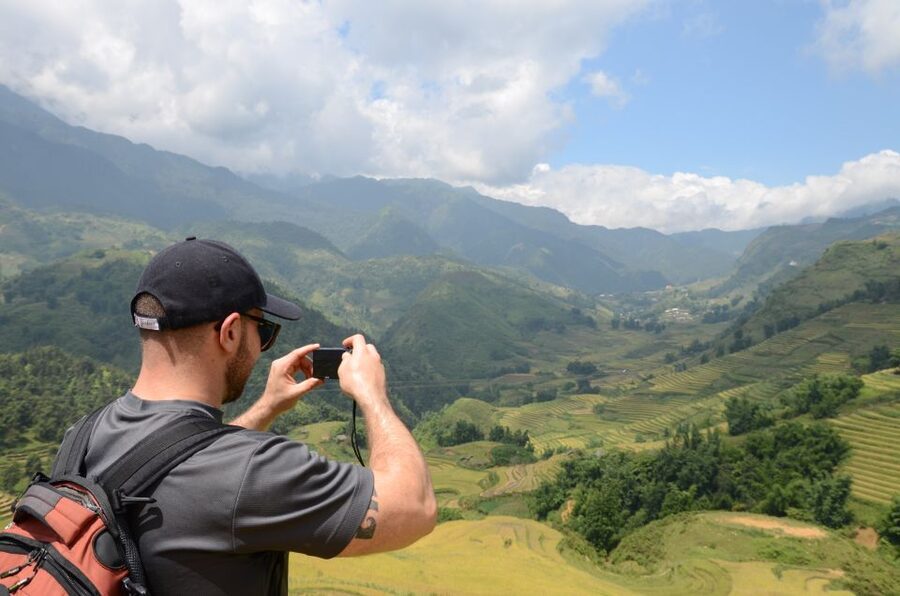
After breakfast, you transfer to the cable-car station. Your driver helps you buy the ticket, then you ride up Fansipan independently. The ride takes about 20 minutes and gives you a sweeping view of the mountains when the air is clear.
The cable car is the tour’s big visual moment. From above, the terraces, ridges, and valleys form a remarkable pattern, and the ride itself is easy to manage. You do not need a guide to find the summit area once you arrive, though you do need to follow the route and allow enough time.
The cable-car fare is separate from the tour price: budget about $35 per person, payable on arrival. This is an important cost, because the headline tour price does not cover the part many people consider the main attraction.
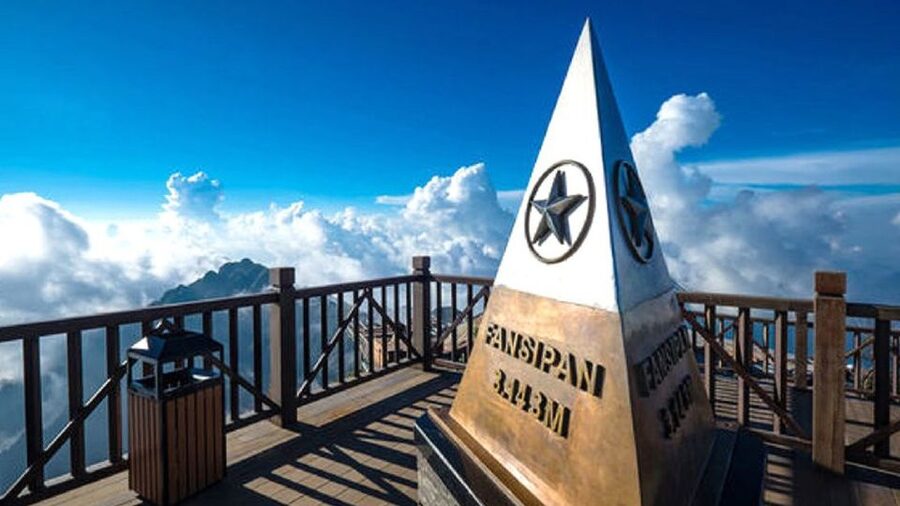
At the upper station, you can visit pagodas and Buddhist statues before tackling about 600 steps to the summit. The climb is short in distance but can feel hard at an altitude of roughly 3,400 metres. One person reported feeling giddy at that height, and cold, wind, and rain can make the stairs tougher.
You may find a monorail available for part of the route if you do not want to walk all the steps. The exact operation can vary, so do not assume it will always replace the climb. Bring a jacket even on a warm day in Hanoi. The summit can be cold, windy, and wet.
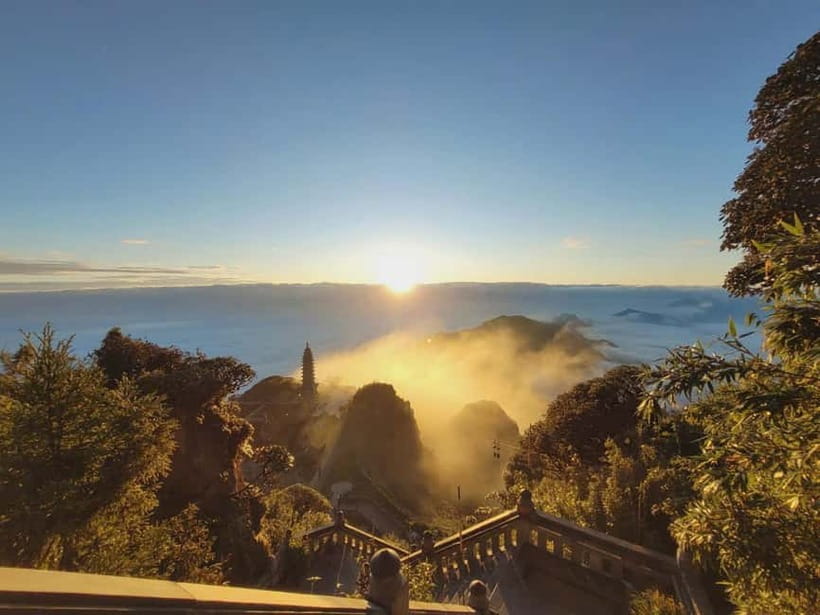
Fansipan weather is the tour’s biggest uncertainty. On a clear day, reaching the highest point in the Indochinese Peninsula and looking over the clouds can be unforgettable. On a misty day, you may see little beyond fog, temple roofs, and other visitors. That does not make the cable car pointless, but you should not book this trip solely for a guaranteed panorama.
Maintenance can also affect the visit. In one case, Fansipan was closed and the activity was replaced with a Glass Bridge visit. That is a reasonable backup, but confirm the current arrangement if the summit is essential to your plans.
Lunch, free time, and the ride back
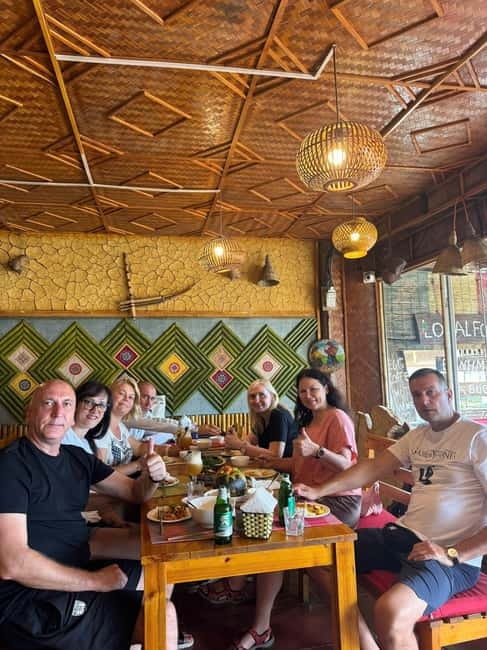
After Fansipan, you return to Sapa for lunch at the hotel. You then have some free time before boarding the bus to Hanoi.
This window is useful, but short. You can walk through central Sapa, browse the market area, sit by the lake, or stop for a drink. You will not have enough time to treat Sapa as a full independent stay, especially if the morning cable-car schedule runs late.
The return road trip again takes about six hours. Sleeper buses can be comfortable, particularly upgraded vehicles with individual cabins, but cramped layouts are a concern for taller or larger passengers. Bus changes have caused confusion for some people, and the final drop-off in Hanoi may not be perfectly coordinated.
Leave your phone number on WhatsApp, Line, Viber, or KakaoTalk. The local supplier uses these channels to confirm arrangements and check that transfers are going well. This direct contact is one of the stronger practical features of the tour. Still, keep your hotel address and some cash ready in case the final transfer is unclear.
The real value of the package
The value depends on what you would otherwise arrange yourself. The package covers round-trip Hanoi to Sapa transport, one night in a twin-sharing three-star hotel, two lunches, dinner, breakfast, village entry, a local English-speaking guide, the return car from the village, and hotel transfers to the cable-car station.
You still pay separately for the Fansipan cable car, and holiday surcharges can be substantial. The listed surcharge is 700,000 Vietnamese dong per person on April 30, May 1, September 1, 2, and 3, December 24 and 31, and January 1, 2026. Check the dates carefully before booking.
For a first visit, I think the bundle can be good value. You avoid arranging buses, a mountain hotel, village transport, and the cable-car station yourself. The strongest part is not luxury. It is the coordination.
The weaker value appears when you expect a polished premium tour. Hotel quality, meal quality, bus comfort, and return transfers can vary. If you want more time in Sapa, more control over food, or a quieter stay, booking two nights independently may suit you better.
Who should choose this tour?
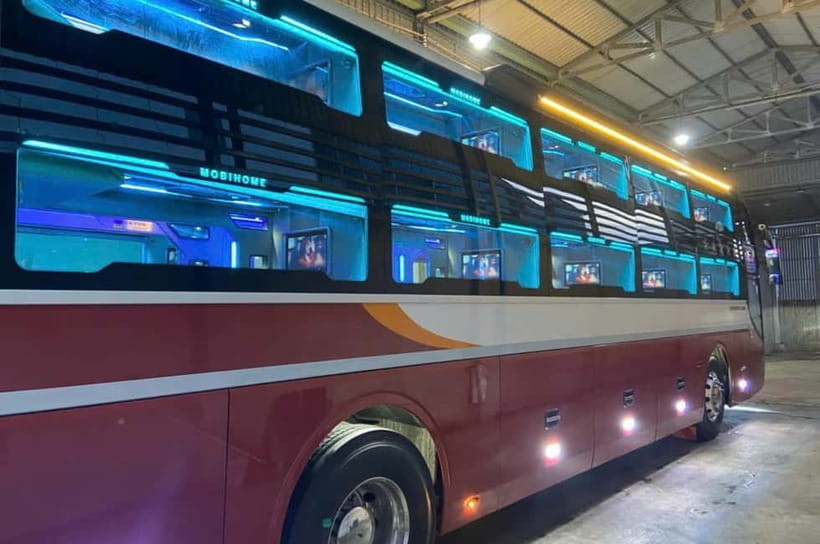
I would choose this trip if you have only two days, want the major Sapa sights, and prefer having transport and village arrangements handled for you. It suits first-time visitors, couples, families who can manage a long bus journey, and anyone who wants a local guide without paying for a fully private itinerary.
It is less suitable if you dislike sleeper buses, need generous legroom, want long mountain hikes, or expect high-end accommodation. The trek is scenic but moderate, not a serious wilderness route. You should also think twice if steep steps, altitude, or wet weather cause problems.
The best guide can make a large difference. Song, Than, Susu, Soh, Lô, and other local guides are praised for kindness and cultural insight. If you are assigned one of them, ask questions. The village visit becomes much more meaningful when you learn how people live rather than simply following the path for photographs.
What to pack for two days
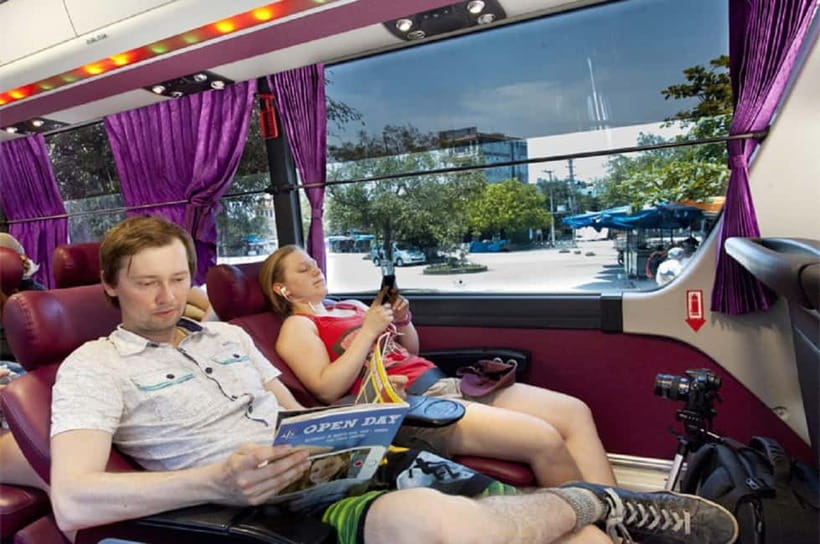
Keep your main luggage in the bus trunk and hotel storage, then carry a small day bag for the walk and Fansipan.
Pack:
- Trekking shoes with a good grip
- A warm jacket or waterproof layer
- Sunglasses and sunscreen
- Insect repellent
- Personal medication
- Cash in Vietnamese dong
- Small notes for paid toilets
- Your hotel details and supplier contact number
U.S. dollars, euros, and Australian dollars are accepted in Sapa, but Vietnamese dong is the safer choice. The local banking system can be unreliable.
FAQ
Is the Fansipan cable-car ticket included?
No. The round-trip ticket costs about $35 per person and can be paid on arrival.
How long is the Hanoi to Sapa bus journey?
The trip takes about six hours each way, with short breaks during the route.
What meals are included?
The tour includes two lunches, one dinner, and one breakfast.
What kind of accommodation is provided?
You receive a double or twin room in a three-star hotel, based on twin sharing. Hotel quality may vary by the assigned property or selected option.
Is a guide included for Fansipan?
No. The driver takes you to the cable-car station and helps you buy the ticket, but you visit Fansipan independently.
What village does the walking tour visit?
The stated route visits Lao Chai and Ta Van, including rice terraces and the Muong Hoa Stream. Some arrangements have used Cat Cat village, so confirm the exact route before departure.
Should you book it?
Book this tour if you want a well-organized first taste of Sapa and accept a long bus journey, basic-to-moderate hotel standards, and changing mountain weather. Its best features are the local guide, the rice-terrace walk, and the simple handling of transfers and meals.
Skip it if you want a relaxed Sapa stay or guaranteed Fansipan views. In that case, add a second night, confirm the vehicle and village route, and treat the tour as a useful framework rather than a luxury package. For a short visit from Hanoi, though, it packs a lot of northern Vietnam into two days.
New around Hanoi
- Private LUXURY Hanoi City Full day guided tour★ 4.5 · 21 reviews
- Private transfer between Hanoi and Sapa★ 5.0 · 27 reviews
- Private Transfer Hanoi <=> Mai Chau One Way (Free hotel pickup)★ 5.0 · 22 reviews
- Private Transfer from Ninh Binh to Halong or Halong to Ninh Binh★ 5.0 · 21 reviews
- Private Transfers Hanoi <=> Halong One Way (Free Hotel Pickup)★ 5.0 · 31 reviews
- Hanoi Airport See-off (Private Ride from Hotels to Hanoi Airport)★ 4.5 · 70 reviews
- Thang Long Water Puppet Theater★ 4.5 · 45 reviews
- Private transfer Ninh Binh <=> Halong One Way (Free Hotel Pickup)★ 5.0 · 21 reviews
Hanoi Tours, compared.
Hanoi Jeep Tour: Food, Culture and Fun by Vietnam Army Jeep
Read our review →
Full-Day Ninh Binh Highlights Tour from Hanoi
Read our review →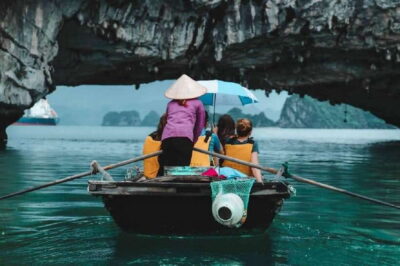
Ha Long Bay Day Cruise – Swimming, Meal, Kayaking
Read our review →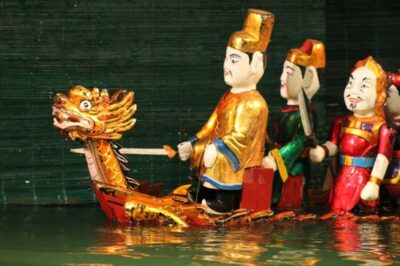
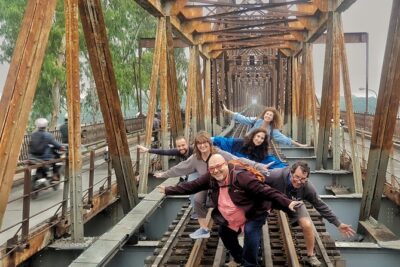
Hanoi Motorbike Tour: Food, Culture and Fun by Vintage Motorbike
Read our review →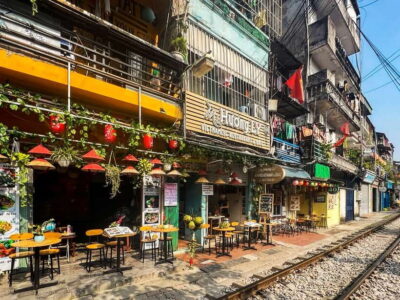
Hanoi Cooking Class: Culture, Local Market & Meaning CSR Impact
Read our review →
5 Traditional Dishes Hanoi Cooking Class with Market Trip
Read our review →Browse the lists this tour appears in