Reviewed · HANOI TOURS
Half-Day Mindfulness Meditation Retreat in Hanoi
Trade city noise for temple bells. This four-hour retreat offers a thoughtful introduction to Buddhist practice in a pagoda setting, with chanting, meditation, qigong, mindful breathing, walking meditation, and time to speak with monks. I like the clear progression from learning Buddhist teachings to practicing them, and I especially like that the day includes a vegetarian meal and an animal-release ritual focused on compassion. The main consideration is transport: an air-conditioned vehicle is not included, so you need to arrange your own way to the pagoda.
At $60 per person, this is not a cheap sightseeing stop, but it offers more than a quick temple visit. You receive guided instruction, several forms of meditation, a conversation with monks, lunch, and a structured look at Buddhist ethics. If you want temples mainly for photographs, this will feel slow. If you want a calm, participatory experience, the pace may be just right.
In This Review
- Key Points to Know Before You Go
- What This Half-Day Retreat Is Really About
- Entering the Pagoda and Learning the Rules
- Chanting Sutras and Hearing Buddhist Teachings
- Qigong and Mindful Breathing for a Physical Reset
- Walking Meditation and the Art of Touching Peace
- Meditation Methods and Focusing the Mind
- Speaking With Monks About a Renounced Life
- Releasing Animals and Sharing a Vegetarian Lunch
- Is $60 a Fair Price?
- Transport, Timing, and Practical Planning
- Who Will Enjoy This Experience Most?
- Should You Book the Hanoi Meditation Retreat?
- FAQ
- Where does the meditation retreat take place?
- How long does the experience last?
- How much does the retreat cost?
- What is included in the price?
- Is transportation included?
- What meditation activities are included?
- Can I speak with monks during the retreat?
- How far in advance is the experience usually booked?
Key Points to Know Before You Go
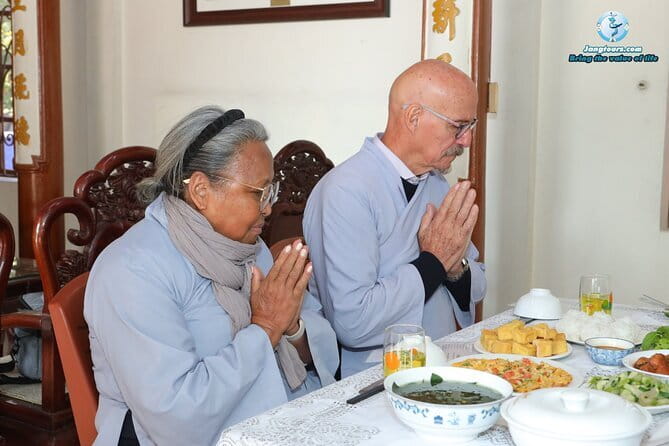
- Four hours with a clear spiritual rhythm: The retreat moves from pagoda rules and sutra chanting to Buddhist lessons, qigong, meditation, monk conversation, and a shared meal.
- Sutra chanting comes first: The opening chant is treated as a serious practice, not a performance. It introduces the teachings of Buddha through sound and repetition.
- Several kinds of meditation are included: You practice mindful breathing, walking meditation, and seated meditation, giving you more than one way to settle your attention.
- Monk conversation adds personal context: You have time to ask about Buddhist doctrine, a monk’s renounced life, and ideals connected with spiritual practice.
- Compassion is put into action: Releasing animals and sharing a grateful vegetarian meal connect Buddhist ideas with simple, physical acts.
- Plan your own transport: An air-conditioned vehicle is not included, so check how you will reach the pagoda before booking.
What This Half-Day Retreat Is Really About
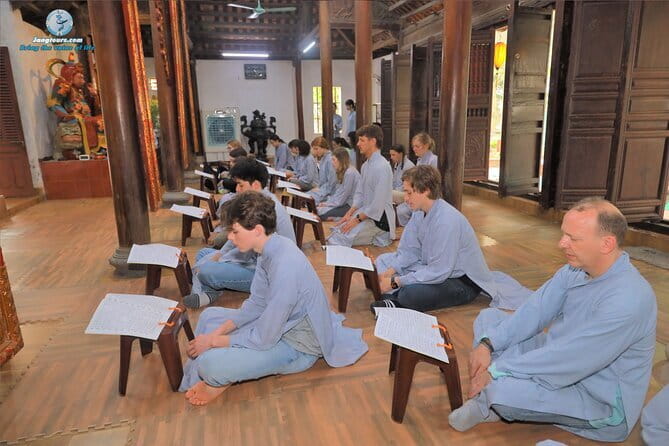
This is less a standard Hanoi tour than a guided introduction to Buddhist practice. You are not simply shown a pagoda and sent on your way. The schedule asks you to listen, repeat, breathe, walk, sit, speak, eat, and reflect.
That structure matters. Buddhist ideas can seem abstract when you only hear them in a lecture. Here, the lessons are paired with rituals and exercises. You hear teachings through sutra chanting, consider ethics in discussion, practice calm through breathing, and express compassion through the animal-release activity.
The four-hour length also gives the experience a useful limit. You can try several activities without giving up a full day in Hanoi. At the same time, the schedule sounds full, so you should not expect long periods of private silence after every session.
A few more Hanoi runs to compare on price
- Hanoi Half-day with Food + Fun + Culture By Russian Jeep
★ 5.0 · 1,243 reviews - Hanoi Highlights: Half-day City Tour
★ 5.0 · 298 reviews - Hanoi City Half-Day Private Tour: Train Street And All Highlights
★ 5.0 · 298 reviews
Entering the Pagoda and Learning the Rules
The experience begins at a pagoda, where a guide explains the rules in the first lesson. This opening is important because a pagoda is a place of religious practice, not simply a backdrop for sightseeing.
You can expect the first instructions to prepare you for respectful participation. The tour description does not list specific clothing rules or photography policies, so listen carefully when the guide explains how to behave in the space.
I like that the retreat starts with orientation instead of rushing into meditation. If you have never joined a Buddhist ritual, you may feel unsure about when to sit, stand, chant, or move. A first lesson gives you a basic framework and helps prevent awkwardness.
The pagoda setting also changes the mood. You are asked to pay attention to the place and the activity rather than treating the retreat like another item to check off. That can be a welcome change after Hanoi’s busy streets.
Chanting Sutras and Hearing Buddhist Teachings
The first major activity is chanting solemn sutras. These texts contain the teachings of Buddha, so the chant serves two purposes. It is a ritual, and it is also an introduction to Buddhist thought.
You do not need to approach this as a musical performance. The value is in taking part with care and attention. Repeating the words can make the teachings feel less distant, even if you do not understand every religious idea immediately.
After chanting, the guide explains Buddhist doctrines and lessons about ethics and daily life. This is one of the strongest parts of the schedule for anyone who wants more than a surface-level temple visit. The aim is practical: consider how Buddhist principles might shape your actions, gratitude, kindness, and treatment of other people.
The exact doctrines covered are not specified, so you should not expect a detailed academic course in Buddhism. Think of this section as a concise introduction designed to support the activities that follow.
Qigong and Mindful Breathing for a Physical Reset

The retreat then shifts from listening to movement. You practice qigong and mindful breathing, both presented as ways to support good health and a steadier mind.
Qigong adds a physical element that some meditation sessions lack. Gentle movement can help you notice your posture, breathing, and body. It may also make the transition into still meditation easier, especially if sitting quietly is unfamiliar.
Mindful breathing is simpler but no less useful. You focus on the breath and use it to bring your attention back when the mind wanders. That is a skill you can continue using after the retreat, perhaps during a hectic day in Hanoi or while settling down at night.
The practical benefit is that you are shown more than one route toward calm. Some people respond well to stillness. Others need movement first. Including both gives the session broader appeal, though the schedule may feel active if you expected a long, silent meditation retreat.
Same city, a very different kind of morning:
- Hanoi Jeep Tour: Food, Culture and Fun by Vietnam Army Jeep
★ 5.0 · 15,222 reviews - Full-Day Ninh Binh Highlights Tour from Hanoi
★ 5.0 · 7,761 reviews - Hanoi: Ha Long Bay Day Cruise – Swimming, Meal, Kayaking
★ 4.7 · 7,415 reviews - Hanoi: Water Puppet Show Tickets
★ 4.6 · 7,029 reviews
Walking Meditation and the Art of Touching Peace

Walking meditation follows the movement and breathing exercises. Instead of sitting and trying to keep still, you pay attention while moving slowly and deliberately.
This can be a useful introduction for beginners. Your mind may wander less when you have the simple task of noticing each step. It also shows that mindfulness is not limited to a cushion or a formal prayer hall. You can practice awareness while moving through an ordinary moment.
The program describes this stage as the art of touching peace. The phrase points to the retreat’s central idea: happiness is connected with the way you direct your mind, not only with outside conditions.
You should keep your expectations sensible. Four hours cannot promise lasting peace or solve every source of stress. What it can offer is a set of practices and a quiet setting in which to try them. If you approach the session with curiosity rather than demanding a dramatic transformation, you are more likely to find value in it.
Meditation Methods and Focusing the Mind
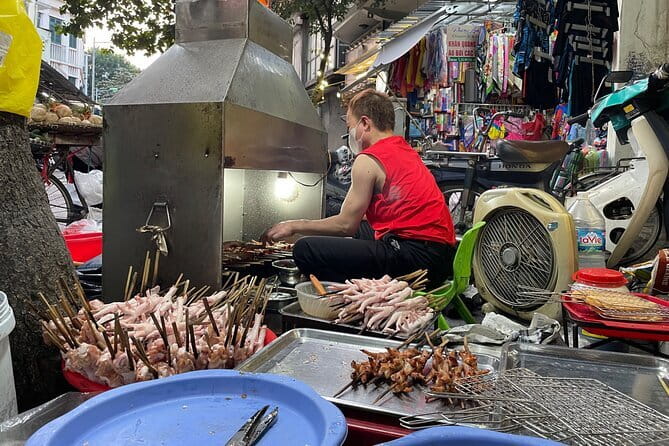
The meditation session gives you a more direct look at Buddhist practice. You learn methods for focusing the mind and consider how that focus relates to genuine happiness.
The description does not specify the exact posture, length, or number of meditation exercises. That means you should be ready for instruction that may be introductory rather than tailored to your personal experience. The guide’s role is to show you the correct method, explain its purpose, and help you practice with care.
For a first meditation experience, that guidance can be valuable. Many people sit down, close their eyes, and assume meditation means forcing the mind to become blank. Buddhist practice is more disciplined and more realistic. You notice the mind, return attention to the chosen focus, and keep practicing.
This is also where the retreat’s earlier sections begin to connect. Chanting trains attention through sound. Qigong and breathing settle the body. Walking meditation builds awareness through movement. Seated meditation gathers those lessons into a quieter form.
Speaking With Monks About a Renounced Life
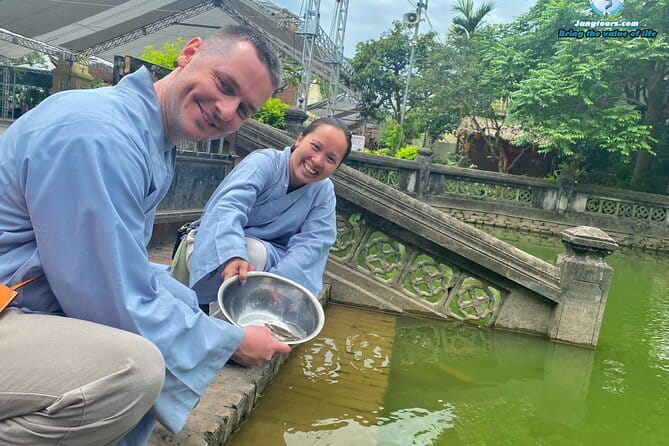
The most distinctive part of the retreat is the opportunity to converse with monks. You can learn more about Buddhist doctrine, the noble life of people who have renounced worldly pleasures, and the ideals that guide that choice.
This conversation adds a human side to the teachings. A monk’s life is not simply a topic in a lesson. It is a lived commitment, and hearing about it can help you understand why discipline, simplicity, compassion, and meditation matter within Buddhist practice.
The available details do not say how long the conversation lasts or whether it follows a fixed question format. You may want to prepare a few respectful questions in advance, particularly if you are curious about daily practice, ethics, or the meaning of renunciation.
Keep the tone open and considerate. This is a religious exchange, not a debate or a chance to test someone. You will get more from the conversation if you listen carefully and allow the monk to explain the tradition in his or her own terms.
Releasing Animals and Sharing a Vegetarian Lunch

The retreat closes its practical lessons with an activity focused on compassion: releasing animals. The act connects an ethical idea with a visible gesture of care. It is a memorable way to consider how Buddhist teachings can shape conduct toward living creatures.
The details do not identify which animals are released or explain the exact setting, so do not arrive expecting a particular species or a wildlife encounter. The value lies in the ritual’s purpose, which is to nurture compassion rather than provide entertainment.
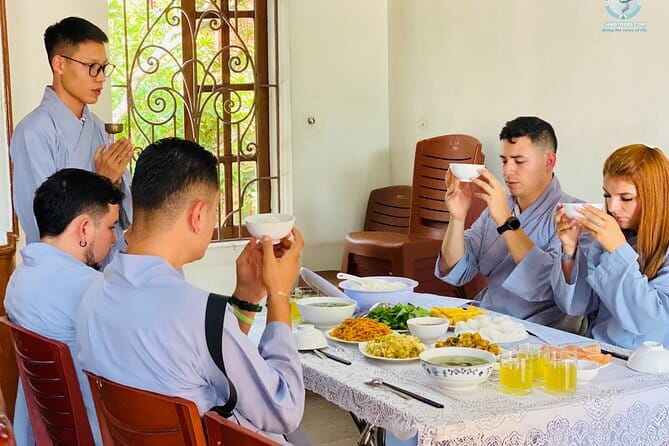
A vegetarian lunch follows. It is included in the $60 price and gives the day a communal ending. The meal is described as a grateful meal, so eating becomes part of the reflection rather than a separate restaurant break.
Because the menu is not specified, tell the organizer about dietary needs only if the booking process provides a way to do so. The confirmed detail is that lunch is vegetarian. If you have strict dietary requirements, you should seek clarification before committing.
Is $60 a Fair Price?
At $60 per person, the retreat sits above the price of a basic pagoda visit, but the comparison is not quite fair. A simple visit gives you a place to look around. This experience provides a four-hour program with instruction, rituals, several meditation practices, a monk conversation, animal release, and vegetarian lunch.
I see the price as reasonable if you value guided participation. The cost pays for a structured experience rather than transport or a long list of sightseeing stops. You are buying time, instruction, and access to activities that would be difficult to arrange on your own.
The value is weaker if you only want a quick cultural stop. You may prefer to visit religious sites independently and spend the difference on other Hanoi activities. This retreat asks you to give it your attention, and that is part of what you are paying for.
It is booked an average of 47 days in advance, which suggests you should not treat it as a last-minute filler. That figure does not guarantee every date sells out, but it is a useful planning signal. If this experience fits your Hanoi plans, consider arranging it well before your visit.
Transport, Timing, and Practical Planning
The retreat lasts about four hours and includes a mobile ticket. The mobile ticket is convenient, but the main practical issue is transport. An air-conditioned vehicle is not included, so you need to arrange your own way to the pagoda.
The exact meeting point and start time are not provided here. Confirm those details before booking, then allow enough time to reach the pagoda without arriving flustered. A calm beginning suits the experience better than a hurried entrance.
You should also plan for a program that includes religious participation. Wear something suitable for a pagoda and be prepared to follow instructions about conduct. The supplied details do not state specific dress requirements, so rely on the guide’s opening explanation.
A four-hour retreat can fit neatly into a Hanoi itinerary. You still have time before or after for other plans, but I would avoid scheduling something that demands constant movement immediately afterward. The point is to slow your pace, not squeeze one more frantic activity into the day.
Who Will Enjoy This Experience Most?
I would recommend this retreat to you if you want a calm cultural experience and are willing to participate rather than watch. It suits first-time meditators, people curious about Buddhism, and visitors who want to examine ethics, gratitude, loving-kindness, and compassion in a religious setting.
It may also suit you if you prefer an experience with a clear beginning and end. The schedule moves through distinct stages, so you are not left wondering what happens next.
You may want to skip it if your main goal is fast sightseeing, shopping, nightlife, or extensive temple photography. The retreat is built around attention and reflection. Those qualities are the attraction, but they can feel demanding if you dislike quiet activities or formal rituals.
Families and groups should also consider the tone before booking. The available information does not state a minimum age or group size, so you should confirm those points directly. The important question is whether everyone in your party is ready to respect a Buddhist setting and take part quietly.
Should You Book the Hanoi Meditation Retreat?
Book it if you want to spend half a day learning through practice. The combination of sutra chanting, Buddhist teaching, qigong, mindful breathing, walking meditation, monk conversation, animal release, and vegetarian lunch gives the experience a thoughtful shape.
I would be especially inclined to book if you have already seen Hanoi’s major sights and want something slower and more personal. The price is fair for a guided four-hour program, but only if you value instruction and participation. Arrange your own transport, prepare for a respectful pagoda visit, and keep your expectations grounded.
Skip it if you want a casual temple tour or a schedule packed with sights. This is a pause in your Hanoi trip, not a race through the city. For the right reader, that pause may be the whole point.
FAQ
Where does the meditation retreat take place?
The retreat takes place at a pagoda in Hanoi.
How long does the experience last?
The retreat lasts approximately four hours.
How much does the retreat cost?
The price is $60 per person.
What is included in the price?
A vegetarian lunch is included.
Is transportation included?
No. An air-conditioned vehicle is not included, so you need to arrange your own transportation to the pagoda.
What meditation activities are included?
The program includes mindful breathing, walking meditation, and a meditation session focused on learning methods for concentrating the mind.
Can I speak with monks during the retreat?
Yes. The program includes a conversation with monks about Buddhist doctrine, the life of those who have renounced worldly pleasures, and spiritual ideals.
How far in advance is the experience usually booked?
On average, it is booked 47 days in advance.
New around Hanoi
- Private LUXURY Hanoi City Full day guided tour★ 4.5 · 21 reviews
- Private transfer between Hanoi and Sapa★ 5.0 · 27 reviews
- Private Transfer Hanoi <=> Mai Chau One Way (Free hotel pickup)★ 5.0 · 22 reviews
- Private Transfer from Ninh Binh to Halong or Halong to Ninh Binh★ 5.0 · 21 reviews
- Private Transfers Hanoi <=> Halong One Way (Free Hotel Pickup)★ 5.0 · 31 reviews
- Hanoi Airport See-off (Private Ride from Hotels to Hanoi Airport)★ 4.5 · 70 reviews
- Thang Long Water Puppet Theater★ 4.5 · 45 reviews
- Private transfer Ninh Binh <=> Halong One Way (Free Hotel Pickup)★ 5.0 · 21 reviews
Hanoi Tours, compared.

Hanoi Jeep Tour: Food, Culture and Fun by Vietnam Army Jeep
Read our review →
Full-Day Ninh Binh Highlights Tour from Hanoi
Read our review →
Ha Long Bay Day Cruise – Swimming, Meal, Kayaking
Read our review →
Hanoi Motorbike Tour: Food, Culture and Fun by Vintage Motorbike
Read our review →
Hanoi Cooking Class: Culture, Local Market & Meaning CSR Impact
Read our review →