Reviewed · HANOI TOURS
Hanoi City Half Day – The City Contains Cultural Beauty
Hanoi reveals itself in layers. This four-hour tour gives you a useful first look at the capital, moving from Ho Chi Minh’s political legacy to the Temple of Literature, the Old Quarter, Train Street, and Hoan Kiem Lake. I especially like the private car and hotel pickup, which save time in Hanoi’s crowded streets, and the chance to combine major sights with local details such as egg coffee and neighborhood life. The main drawback is simple: this is a lot of Hanoi in half a day, so some stops may feel brief.
I also like the way the experience links grand monuments with ordinary city scenes. You can learn about Vietnamese history, walk around sacred sites, and watch people cook, chat, and carry on with daily life beside the railway. Check your booking carefully, though, because the private and group versions follow different itineraries.
In This Review
- Key points at a glance
- Why this tour works for a first day in Hanoi
- Ho Chi Minh Mausoleum and Ba Dinh Square
- One Pillar Pagoda and Hanoi’s unusual architecture
- Temple of Literature: Vietnam’s first university
- Old Quarter, Dong Xuan Market, and Ta Hien Street
- Train Street and the egg coffee stop
- Opera House, cathedral, and the French-era city
- Ngoc Son Temple and Hoan Kiem Lake
- The guide makes the difference
- What the four-hour schedule really means
- Who should book it
- Final decision: a strong first look at Hanoi
- FAQ
- How long is the Hanoi City Half Day tour?
- How much does the tour cost?
- Is hotel pickup included?
- Is the tour private or shared?
- What does the private itinerary include?
- Is egg coffee included in the price?
- What languages are available?
Key points at a glance
- Four hours, many sides of Hanoi: The private route combines the mausoleum area, One Pillar Pagoda, Temple of Literature, Old Quarter, Train Street, Opera House, cathedral, Ngoc Son Temple, and Hoan Kiem Lake.
- Private touring gives you more control: Guides such as Johnny Pham, Lucas, Duy, Chien, Harry, and Toan were praised for answering questions, adjusting the order of stops, and helping with photographs or local tips.
- Train Street is the memorable local stop: Egg coffee is served at your own expense, and the timing may be arranged around a passing train.
- The car matters in Hanoi: Air-conditioned transfers and coordinated pickups reduce the effort of crossing the city in heavy traffic.
- The group itinerary is different: A group booking includes Tran Quoc Pagoda, the Museum of Ethnology, Ho Chi Minh Mausoleum, Temple of Literature, and Hoa Lo Maison, rather than the full private route.
- Dress for religious and historic sites: Covering shoulders and knees is a sensible choice for this itinerary.
Why this tour works for a first day in Hanoi
Hanoi can feel confusing at first. Streets twist around lakes, markets, old colonial buildings, temples, cafés, and residential lanes. Traffic seems to flow from every direction, and several important sights are spread across different parts of the city.
This tour solves part of that problem by putting a guide and driver between you and the logistics. You are picked up at a central Hanoi hotel, driven between the main areas, and dropped off again at the end. That lets you spend your limited time looking at the city instead of finding taxis, checking addresses, or guessing which entrance to use.
The tour costs $28 per person. That is good value if the booking is shared, and the private option can be worth paying extra for a couple, family, or small group that wants a more relaxed pace. The price includes the car, central pickup and drop-off, English-speaking guide, entrance tickets, and bottled water.
The important point is the difference between the private and group routes. The private itinerary is the fuller sightseeing plan described here. The group version changes the schedule and includes only selected sights in the morning and afternoon. If your main goals are Train Street, egg coffee, the Old Quarter, and Hoan Kiem Lake, confirm that you are choosing the private route.
A few more Hanoi runs to compare on price
- Hanoi Jeep Tour: Food, Culture and Fun by Vietnam Army Jeep
★ 5.0 · 15,222 reviews - Full-Day Ninh Binh Highlights Tour from Hanoi
★ 5.0 · 7,761 reviews - Hanoi: Ha Long Bay Day Cruise – Swimming, Meal, Kayaking
★ 4.7 · 7,415 reviews
Ho Chi Minh Mausoleum and Ba Dinh Square
The first major stop on the private itinerary is the Ho Chi Minh Mausoleum in Ba Dinh Square. This is one of the most important political and sacred places in Hanoi. It was here that Ho Chi Minh read Vietnam’s Declaration of Independence, marking the birth of modern Vietnam.
The square itself gives the visit a formal tone. Your guide can explain Ho Chi Minh’s public role and the simpler details of his life. Nearby, you may also visit the Presidential Palace, his stilt house, the fish pond, and the Ho Chi Minh Museum. Together, these places present both the national figure and the man’s daily surroundings.
Allow for possible queues. One family encountered a wait of more than 45 minutes when an X-ray machine was out of service, and a large number of school groups added to the delay. A good guide can react to this kind of problem. Chien reportedly changed the order of the stops so the group could still reach Train Street at the right time.
That flexibility is one reason a private tour has an advantage. You may not avoid every queue, but your guide has more room to change the plan. Keep in mind that the mausoleum area has rules, formal surroundings, and a dress code. Covered shoulders and knees are advisable.
One Pillar Pagoda and Hanoi’s unusual architecture
The One Pillar Pagoda is a short but worthwhile stop near the mausoleum complex. Its design is unlike a conventional temple, with the small pagoda raised above a pond on a single stone pillar.
The building is both a religious site and a symbol of Hanoi. Your guide can explain why its shape matters in Vietnamese culture and why it has become one of the city’s best-known architectural images. You will not need a long visit here, but it adds a visual change after the broad, formal space of Ba Dinh Square.
This is also a place where modest clothing helps. The tour covers several spiritual and historic sites, so dressing appropriately saves you from worrying about what to wear at each stop.
Temple of Literature: Vietnam’s first university
For many people, the Temple of Literature is the most rewarding stop on the tour. Founded as Vietnam’s first university, it trained royals, mandarins, and members of the educated elite for about 800 years.
The site is built around courtyards, gardens, old gates, stone steles, and carefully maintained trees. The architecture feels calm and ordered, a sharp contrast with Hanoi’s traffic outside. Many students still come here to pray for success in their studies, giving the place a living purpose rather than making it only a monument.
This is where a good guide adds real value. A quick walk through the gates will show you beautiful buildings, but the stories explain why education, examinations, and scholarly achievement carry such weight in Vietnamese culture. Guides including Ken, Toan, and Duy were praised for giving detailed explanations and answering many questions without making the visit feel like a lecture.
The main limitation is time. Four hours must cover a long list of sights, so you probably will not have the leisurely visit possible on a stand-alone Temple of Literature trip. Still, the stop is long enough to understand the layout, see the main courtyards, and hear the key cultural background.
Same city, a very different kind of morning:
- Hanoi: Water Puppet Show Tickets
★ 4.6 · 7,029 reviews - Hanoi Motorbike Tour: Food, Culture and Fun by Vintage Motorbike
★ 5.0 · 6,699 reviews - Hanoi: Guided Food Tour with Train Street Visit
★ 4.9 · 6,239 reviews - Hanoi Cooking Class: Culture, Local Market & Meaning CSR Impact
★ 5.0 · 5,147 reviews
Old Quarter, Dong Xuan Market, and Ta Hien Street
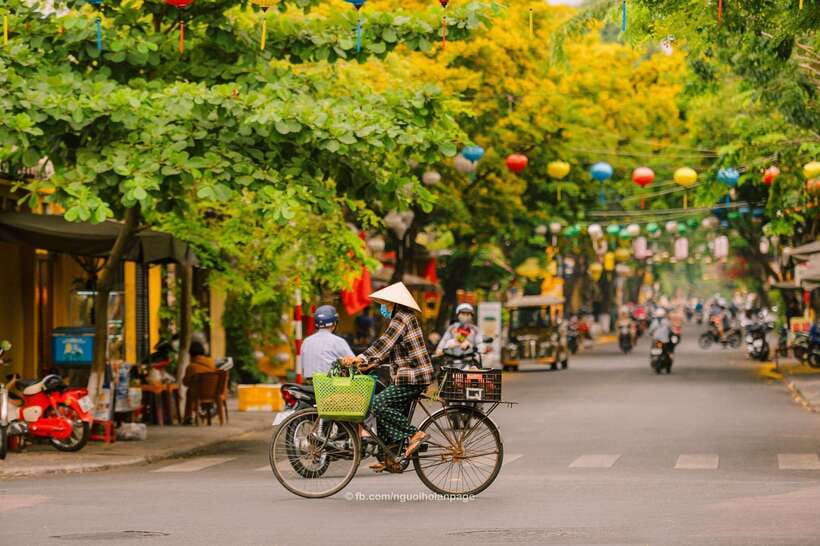
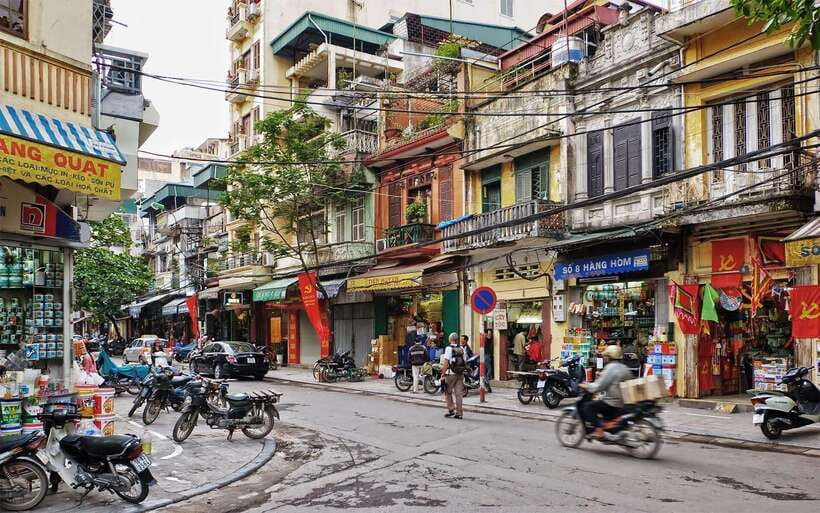
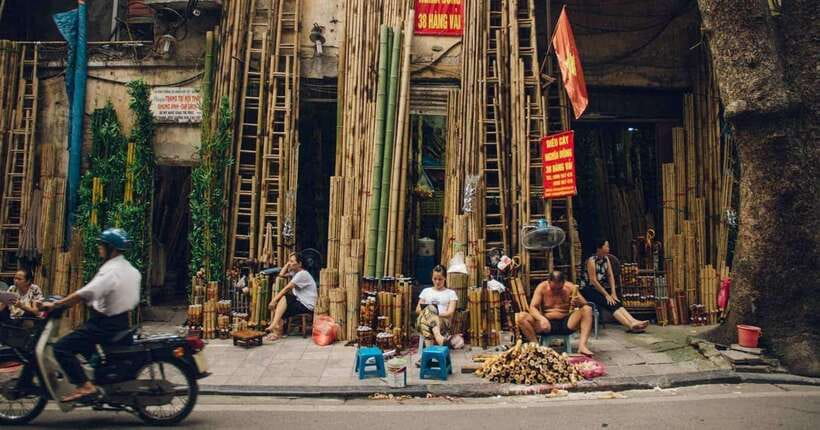
The Old Quarter brings you into a different Hanoi. Its narrow streets are lined with shops, food stalls, cafés, and homes, with daily commerce taking place close to the pavement. The streets are compact, noisy, and full of movement, but that is exactly the point: this is where the city feels most immediate.
From the car, you can admire Dong Xuan Market, Hanoi’s largest traditional market. The market is a useful window into local trade and shopping, though the itinerary describes viewing it from the vehicle rather than giving you an extended market visit. If shopping is a priority, ask your guide how much time is available.
Ta Hien Street is another quick look at the Old Quarter’s social life. The street is less than 100 meters long and is often called the street that never sleeps. Bars, music, laughter, and food stalls give it a lively evening character. If your tour takes place during the day, you may see a quieter version of it.
Do not expect a long, independent wander through the Old Quarter on this half-day schedule. The value here is the contrast between the formal monuments and the tight, working streets. Guides can also point out places to eat and shop. Toan, Duy, and Vicky’s guide Hai were singled out for useful food recommendations, including local dishes and banh mi suggestions.
Train Street and the egg coffee stop
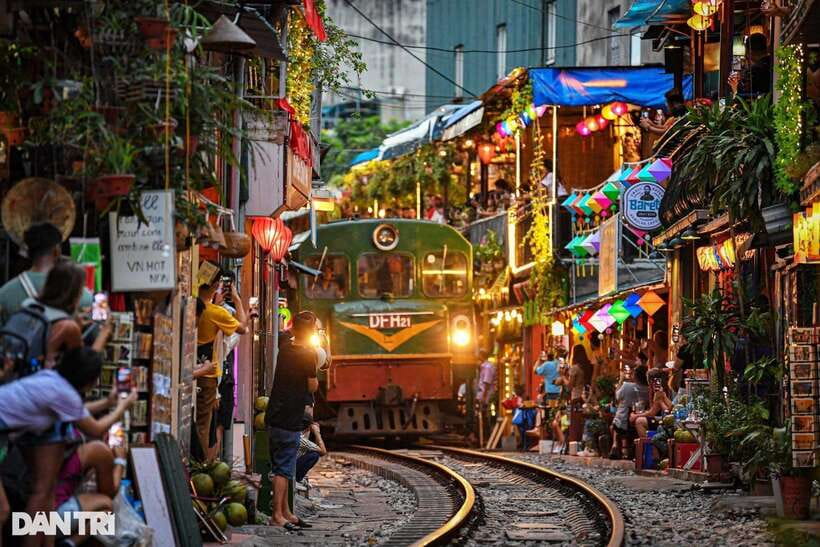
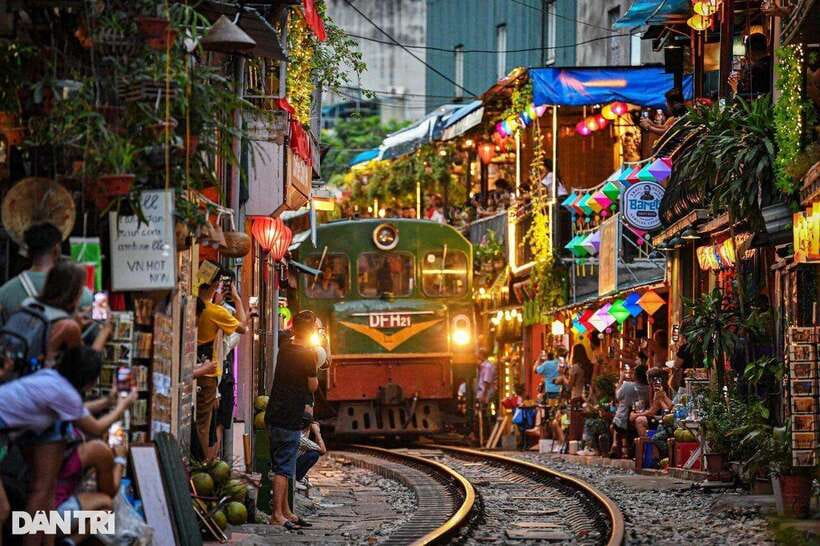
Train Street is the most distinctive part of the experience. In this residential section, railway tracks run through a narrow community, close to homes and small businesses. When no train is passing, the space beside the tracks becomes part of neighborhood life, with people sitting, cooking, talking, and going about their routines.
The tour includes a stop for Hanoi egg coffee, but the drink is not included in the price. Budget separately for it. Some guides may also arrange coconut coffee or a second café stop, but egg coffee is the named specialty and the one most closely tied to the experience.
The timing matters. Several guides were praised for getting groups to Train Street in time to see a train pass, while still adjusting the rest of the itinerary around delays at the mausoleum. You should understand that train timing can affect the pace of the tour. A passing train is not guaranteed by the basic tour details, so treat it as a possible highlight rather than a promise.
The stop is memorable because it shows Hanoi as a lived-in city, not just a collection of official sights. At the same time, follow your guide’s instructions and respect the residents. This is a working neighborhood, not a stage set created for photographs.
Opera House, cathedral, and the French-era city
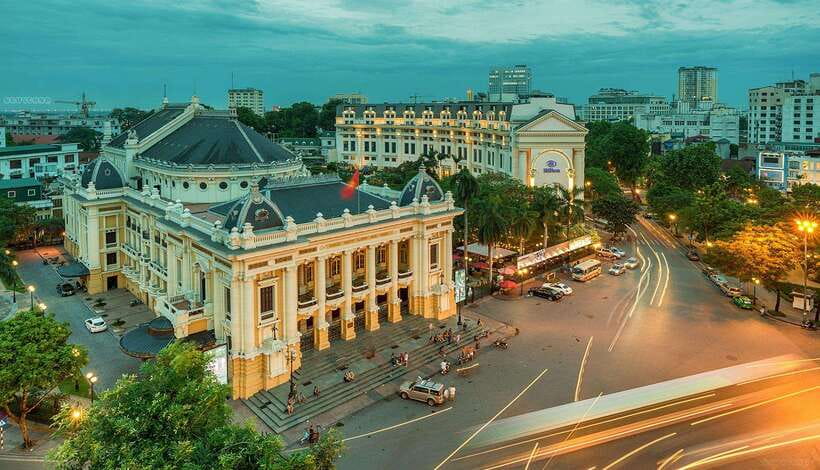
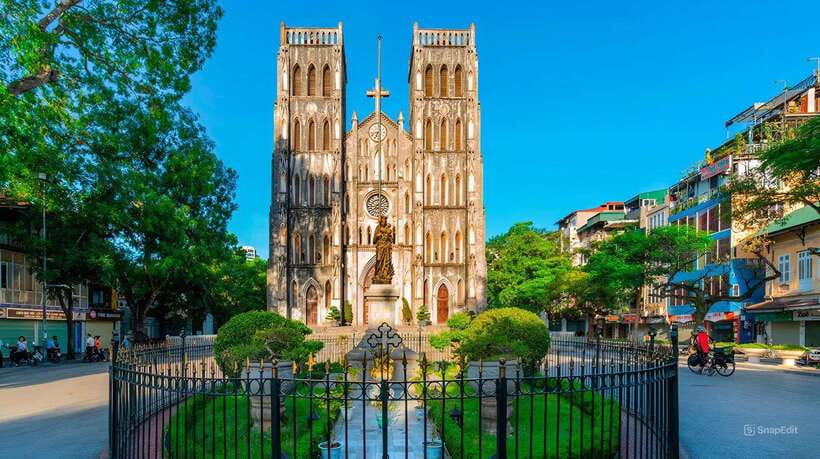
The itinerary also includes views of the Hanoi Opera House and the cathedral. These buildings add another layer to the city’s appearance, showing the influence of French colonial architecture alongside Vietnamese temples and national monuments.
The tour description says you can admire these sites rather than promising a long interior visit. That distinction matters. You are likely to get a look, an explanation, and a photograph, not an extended architectural tour.
For a first visit, that may be enough. The private car lets you cover more ground, while your guide can explain how these buildings fit into Hanoi’s urban story. If you care deeply about architecture, you may want to return later for a slower look.
Ngoc Son Temple and Hoan Kiem Lake
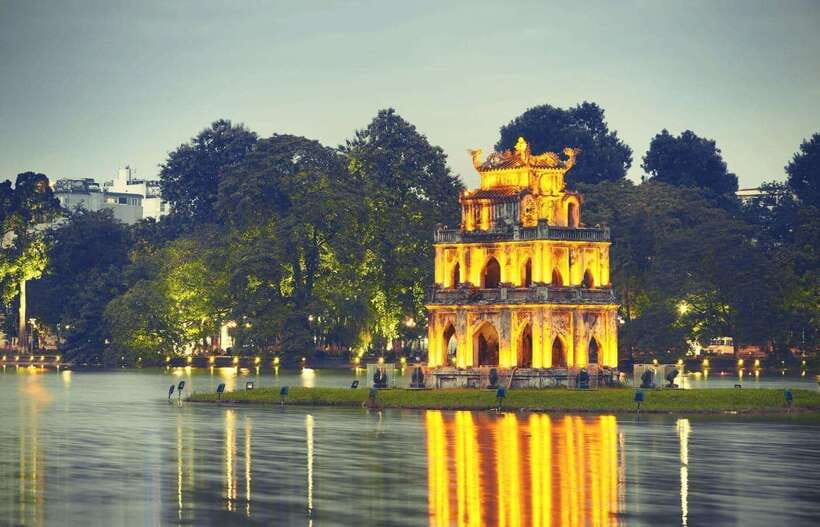
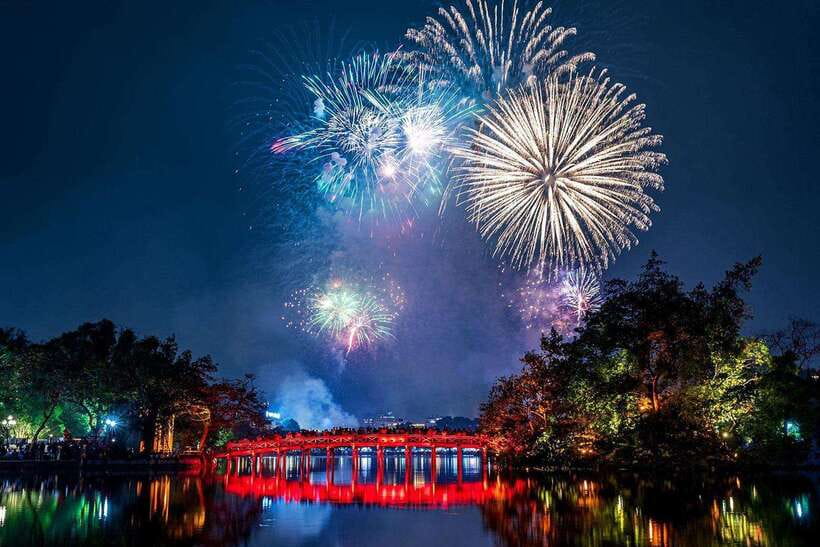
The tour ends around Hoan Kiem Lake, the symbolic heart of Hanoi. The lake is tied to the legend of a divine turtle returning a magic sword, a story that remains central to the city’s identity.
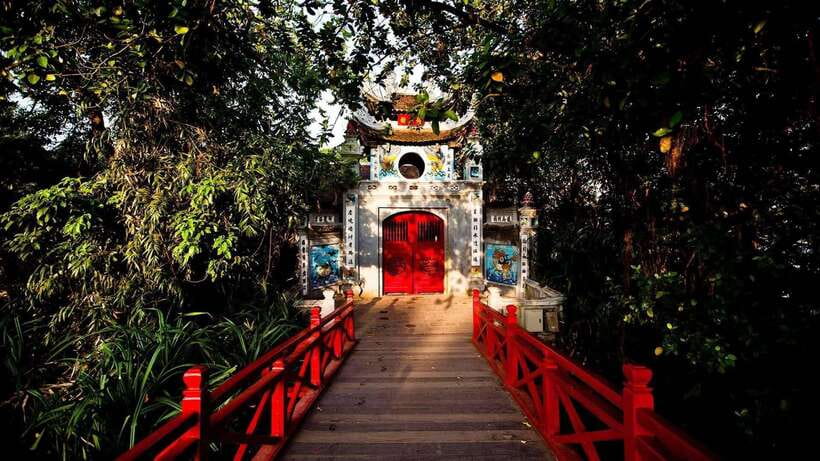
Ngoc Son Temple sits on an island in the lake and is reached across a red bridge. Its position gives you a fine view over the water and a peaceful break after the traffic and crowds of the Old Quarter. The temple’s architecture and spiritual role make it more than a photo stop.
Hoan Kiem Lake is also a useful place to understand how Hanoi residents use public space. The area is connected to walking, conversation, exercise, and local gatherings. Your guide can explain the legend and point out details you might otherwise pass without noticing.
This final section can feel rushed if earlier queues take up time. The private format helps, since the guide can change the order or shorten another stop. If the lake is your top priority, tell the guide early.
The guide makes the difference
The strongest pattern in the feedback is the quality of the guides. Names that received especially warm praise include Duy, Harry, Lucas, Chien, Toan, Hung, Brian, Johnny Pham, and Long, also called The Dragon. The comments consistently describe guides who were friendly, patient, funny, and ready to answer questions about Vietnamese culture and history.
That matters because the itinerary moves quickly. You need someone who can explain a site in plain language, gather the group after free time, and keep the day moving without making you feel pushed. One guide helped with family photographs, another offered shopping and money exchange tips, and another suggested a banh mi stop and changed the drop-off point to suit the group.
The driver is an important part of the experience too. The car is air-conditioned, and the driver coordinates closely with the guide. Several people appreciated that the vehicle was ready almost immediately after they finished at a sight and that pickups were made as close as possible to each location.
Private touring also helps with personal needs. Guides made room for breaks, adjusted timing, and helped manage busy queues. If you are traveling with older family members or children, this control may justify the additional private-tour cost.
What the four-hour schedule really means
Four hours is enough for orientation, not a full study of Hanoi. You will see many landmarks, but you should expect short visits at some of them. The experience works best when you want a broad first impression and clear explanations rather than long stretches of free exploration.
The private itinerary is especially ambitious. It includes the mausoleum complex, One Pillar Pagoda, Temple of Literature, Old Quarter, Dong Xuan Market, Ta Hien Street, Train Street, the Opera House, cathedral, Ngoc Son Temple, and Hoan Kiem Lake. Traffic, queues, and train timing can all affect the order.
The group itinerary is more focused but different. In the morning, it visits Tran Quoc Pagoda, the Museum of Ethnology, and Ho Chi Minh Mausoleum. In the afternoon, it visits the Temple of Literature and Hoa Lo Maison. That route may suit you if museums and major historic sites matter more than Train Street and the Old Quarter.
Who should book it
I would choose this tour if you have only one day or a short stop in Hanoi and want help seeing the main sights. It is also a good fit if you prefer air-conditioned transport, want historical context, or feel unsure about navigating Hanoi’s traffic and narrow streets alone.
Families can benefit from the private option because the guide can slow down, help with crossings and photographs, and rearrange stops when needed. Solo visitors may also appreciate the personal attention, especially if they want food suggestions or help understanding local customs.
I would not choose it if you prefer to spend hours in one museum, shop at your own pace, or wander the Old Quarter without a schedule. The route is full, and the private version costs more than the basic advertised price when you add the private upgrade and egg coffee.
Final decision: a strong first look at Hanoi
Book this tour if you want a practical introduction to Hanoi with strong guide support and a wide range of sights. The best reasons are the flexible private schedule, comfortable transport, careful coordination, and the mix of major monuments with Train Street and Hoan Kiem Lake.
Before paying, confirm three things: that you are booking the private itinerary if you want the full route, that egg coffee is extra, and that you are dressed for religious and ceremonial sites. If you accept the quick pace, $28 per person offers solid value for transport, tickets, and a guide who can make Hanoi easier to understand.
FAQ
How long is the Hanoi City Half Day tour?
The tour lasts four hours. Starting times depend on availability.
How much does the tour cost?
The advertised price is $28 per person. Holiday surcharges in Vietnam are not included.
Is hotel pickup included?
Pickup and drop-off are included for hotels in central Hanoi.
Is the tour private or shared?
A private group is available. The private itinerary covers more sights than the group itinerary, so check which option you select.
What does the private itinerary include?
It includes the Ho Chi Minh Mausoleum area, One Pillar Pagoda, Temple of Literature, Old Quarter, Dong Xuan Market, Ta Hien Street, Train Street, the Opera House, the cathedral, Ngoc Son Temple, and Hoan Kiem Lake.
Is egg coffee included in the price?
No. Egg coffee is an additional expense.
What languages are available?
Guiding is available in English, Chinese, Japanese, French, Italian, Spanish, Russian, Korean, and German.
New around Hanoi
- Private LUXURY Hanoi City Full day guided tour★ 4.5 · 21 reviews
- Private transfer between Hanoi and Sapa★ 5.0 · 27 reviews
- Private Transfer Hanoi <=> Mai Chau One Way (Free hotel pickup)★ 5.0 · 22 reviews
- Private Transfer from Ninh Binh to Halong or Halong to Ninh Binh★ 5.0 · 21 reviews
- Private Transfers Hanoi <=> Halong One Way (Free Hotel Pickup)★ 5.0 · 31 reviews
- Hanoi Airport See-off (Private Ride from Hotels to Hanoi Airport)★ 4.5 · 70 reviews
- Thang Long Water Puppet Theater★ 4.5 · 45 reviews
- Private transfer Ninh Binh <=> Halong One Way (Free Hotel Pickup)★ 5.0 · 21 reviews
Hanoi Tours, compared.
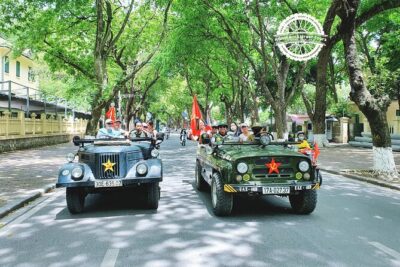
Hanoi Jeep Tour: Food, Culture and Fun by Vietnam Army Jeep
Read our review →
Full-Day Ninh Binh Highlights Tour from Hanoi
Read our review →
Ha Long Bay Day Cruise – Swimming, Meal, Kayaking
Read our review →
Hanoi Motorbike Tour: Food, Culture and Fun by Vintage Motorbike
Read our review →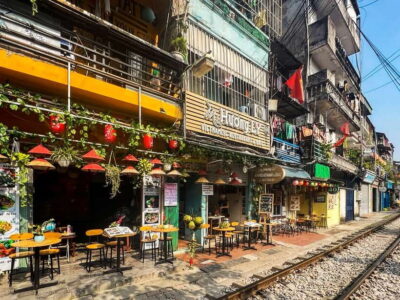
Hanoi Cooking Class: Culture, Local Market & Meaning CSR Impact
Read our review →