
Reviewed · STREET FOOD TOURS IN HANOI
Hanoi Coffee Workshop: Taste Salt, Coconut and Egg Coffee
Coffee tells Hanoi’s story. At Local Beans Roastery, you taste six Vietnamese styles, learn the farm-to-cup basics, and make each drink yourself. I like the hands-on format and the warm, funny teaching style praised from hosts such as Val, Lin, Luka, and Giang. I also like that vegan options and dietary needs can be handled.
The one drawback is the location outside Hanoi’s central Old Quarter, though pickup and drop-off are offered there. At $16 for about three and a half hours, this is a strong value, but coffee drinkers who want only a quick tasting may find the workshop longer than needed.
In This Review
- Key Things To Know Before You Book
- A Coffee Class With More Than Just Sweet Condensed Milk
- Arriving at Local Beans Roastery
- First, Learn How Vietnamese Coffee Became Vietnamese
- Making Six Coffees, One Cup at a Time
- Classic Phin Coffee
- Brown Coffee
- Salt Coffee
- Egg Coffee
- Coconut Coffee
- Coffee Cocktail
- The Extra Tastings Make the Session Feel Local
- What the Teaching Style Is Like
- Is $16 Good Value for Three and a Half Hours?
- Who Will Enjoy This Hanoi Coffee Workshop?
- Should You Book It?
- FAQ
- How long does the Hanoi coffee workshop last?
- Where does the coffee workshop start?
- Does the activity include hotel pickup?
- Which Vietnamese coffees will I make?
- Is equipment provided?
- Can vegan visitors or people with dietary restrictions join?
- What is the cancellation policy?
Key Things To Know Before You Book
- Six Vietnamese coffee styles: Make classic phin coffee, brown coffee, salt coffee, egg coffee, coconut coffee, and a coffee cocktail with local jam and wine.
- A real hands-on class: Filters, grinders, and other coffee equipment are supplied, so you do not need to bring anything.
- Hosts who make the class work: Val, Lin, Luka, Giang, and Valerie have all been praised for clear teaching, humor, patience, and good group management.
- Useful take-home material: You receive digital coffee books and recipes, with a professional certificate available if requested.
- Old Quarter pickup: Hotel pickup and return are available within the Old Quarter area, while the class itself begins at Local Beans Roastery on Hoang Hoa Tham Street.
- A good rainy-day plan: The indoor format gives you a useful Hanoi activity when the weather turns wet.
A Coffee Class With More Than Just Sweet Condensed Milk
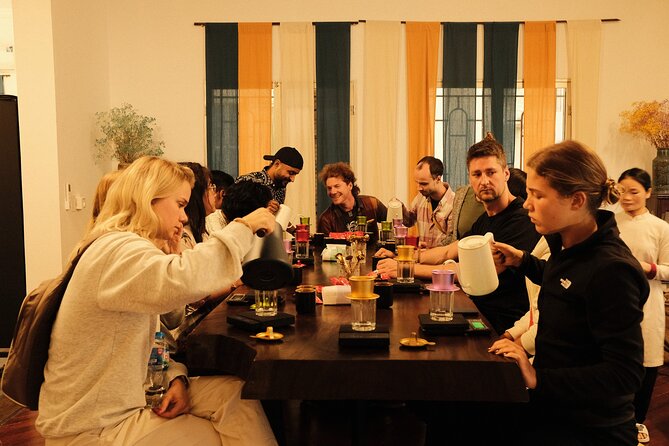
Vietnamese coffee is famous for its strong taste and slow phin filter, but Hanoi’s coffee culture is much wider than one familiar drink. This workshop gives you a chance to compare several styles side by side, which is the best way to understand how small changes in ingredients affect the final cup.
I like that you do not simply sit and watch a barista prepare drinks. You take part in the process. You grind coffee, work with the supplied filters and equipment, and taste what you have made. That gives the class a practical purpose: you can repeat the recipes at home instead of leaving with only a few photographs.
The workshop is led by a Vietnamese barista with family ties to coffee-growing areas and years of experience making coffee. The teaching also covers Vietnam’s coffee story, the role coffee plays in daily life, and the effect of different roast levels on aroma and flavor. This context matters because Vietnamese coffee is not just a tourist drink. It is part of the country’s modern food culture and everyday rhythm.
The class has received a perfect rating from 1,286 reviews, with 100 percent recommending it. That high score is supported by several recurring strengths: friendly instructors, an organized schedule, easy participation for solo visitors, and a relaxed atmosphere. Lin is praised for drawing every person into the process, while Val is described as funny and especially good at explaining coffee growing and the background of famous drinks. Luka is praised for keeping the class professional, clear, and enjoyable.
More Street Food Tours in Hanoi
- Hanoi: Guided Food Tour with Train Street Visit
★ 4.9 · 6,239 reviews - Small Group Hanoi Street Food Tour with a Real Foodie
★ 5.0 · 4,682 reviews - Hanoi: Street Food Tour with Train Street & Hidden Alleyways
★ 5.0 · 2,831 reviews
Arriving at Local Beans Roastery
The workshop starts at Local Beans Roastery, at No. 75/173 Hoang Hoa Tham Street in the Ba Dinh area of Hanoi. If you stay in the Old Quarter, pickup and return service is available, which removes much of the hassle of finding the address yourself.
If you arrange your own transport, check the meeting details carefully. The activity begins and ends at the roastery, so you should allow enough time to reach Hoang Hoa Tham Street. The supplied information does not give a fixed pickup time or exact group size for each session, although the maximum listed capacity is 100 people. That is a large permitted maximum, so I would ask about the expected class size if a small group is important to you.
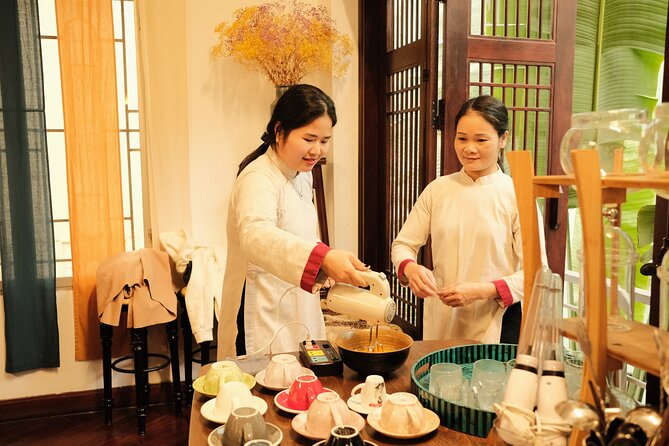
The room provides the coffee-making tools, including grinders and filters. You do not need to pack equipment, ingredients, or special supplies. A welcome drink of herbal ginger root and peach tea starts the session, along with snacks. That small opening is useful because the coffee tasting becomes substantial over three and a half hours.
First, Learn How Vietnamese Coffee Became Vietnamese
The early part of the workshop explains how coffee became part of Vietnam’s cultural identity. You also learn about coffee farms, roast levels, and the link between beans, brewing method, and taste.
One useful point is the role of robusta. Vietnam is strongly associated with robusta coffee, and this bean often produces a bold, powerful cup. The workshop presents robusta as an important part of Vietnam’s coffee culture and commercial coffee trade. It is worth keeping your expectations sensible here. The class is not a specialist tasting devoted to comparing every growing region or processing method. It is an accessible introduction to why Vietnamese coffee tastes the way it does.
One participant felt the presentation treated robusta too favorably, preferring a clearer distinction between cultural importance and cup quality. That is a fair consideration for serious coffee specialists. If you already know a great deal about beans, you may want more technical discussion of origin, altitude, processing, and extraction. For most people, though, the basic explanation gives useful background before the tasting begins.
The roast lesson is especially practical. Rather than treating coffee as one fixed flavor, the instructor shows how roast levels can change aroma and taste. You learn to notice the difference between a cup that is properly brewed and one that is merely strong.
Making Six Coffees, One Cup at a Time
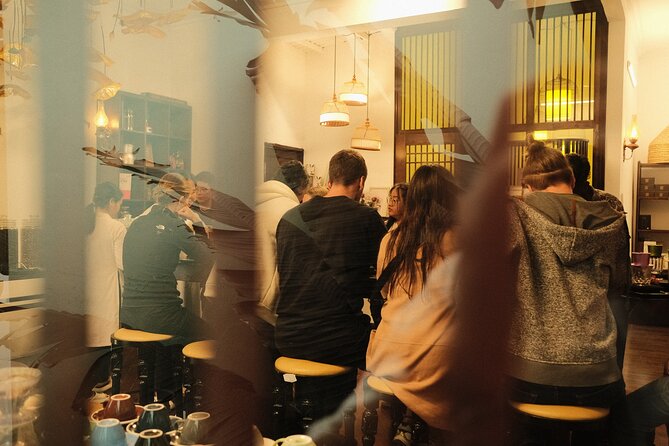
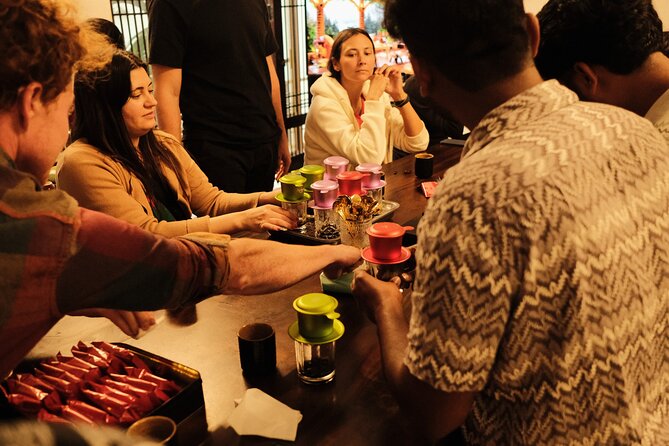
The main part of the class covers six signature Vietnamese drinks. You prepare and taste each one with guidance from the instructor, so the session feels more like a cooking class than a standard café visit.
More street food walks in Hanoi:
- Hanoi: Guided Street Food Tour with Train Street Experience
★ 4.9 · 2,479 reviews - [HOT] Hanoi Old Quarter Walking Street Food – Small Group Tour
★ 5.0 · 2,163 reviews - Hanoi Street Food Tour with local delicacies
★ 5.0 · 1,506 reviews - Hanoi: Small-Group Street Food Walking Tour
★ 4.8 · 1,165 reviews
Classic Phin Coffee
The phin is Vietnam’s small metal filter. It sits over your cup and lets coffee drip slowly through. This is the classic preparation you most need to understand because it forms the base of much Vietnamese café culture.
You learn how the filter works and how to judge the finished cup. The process is slower than using an automatic coffee machine, but that is part of the point. The phin turns coffee preparation into a visible ritual. You can watch the drops fall, smell the coffee as it brews, and adjust your approach under the barista’s direction.
All the needed filters and grinders are supplied. The class does not require you to buy equipment, though products are available for purchase if you want to continue making the drinks at home.
Brown Coffee
Brown coffee gives you another familiar Vietnamese style to compare with the plain phin brew. The tasting helps you see how added ingredients change the body, sweetness, and balance of coffee.
The value here is not only the recipe. You get a direct comparison between the coffee base and the finished drink. That makes it easier to understand why Vietnamese café drinks can taste rich and dessert-like even when the underlying coffee is quite strong.
Salt Coffee
Salt coffee is one of the workshop’s more memorable recipes. A small amount of salt can change the way you perceive bitterness and sweetness, creating a smoother, more rounded drink.
This is also the style most likely to surprise people who think they do not like coffee. One person who described themselves as a non-coffee drinker found the entire class enjoyable and later made the recipes at home, with salt coffee becoming a new favorite. That does not mean the drink will suit everyone, but it makes this tasting especially worthwhile for curious beginners.
Egg Coffee
Egg coffee is Hanoi’s best-known specialty and a major reason many people book this class. The drink combines coffee with a creamy egg mixture, producing something closer to a soft dessert topping than a plain cup of coffee.
The workshop explains the drink’s place in Hanoi’s café culture while letting you prepare it yourself. This is more useful than ordering one finished glass because you can see how the texture is created and how the topping changes the coffee beneath it.
Egg coffee is naturally important for anyone with dietary restrictions to discuss in advance. The provider says vegan visitors and people with dietary needs can be accommodated, but you should make those needs clear when booking. Do not assume every standard recipe will be changed automatically.
Coconut Coffee
Coconut coffee adds a cool, sweet, tropical note to the strong Vietnamese coffee base. It gives you another clear contrast with egg coffee. Instead of a rich egg topping, you get coconut flavor and a different texture.
I find this kind of comparison one of the best parts of the workshop. You are not tasting six unrelated drinks. You are seeing how the same coffee tradition can move from bold and bitter to creamy, sweet, salty, or refreshing.
Coffee Cocktail
The final coffee creation is a coffee cocktail using local jam and wine. It is a playful finish and shows that Vietnamese coffee can be used beyond the usual café recipes.
You should think of this as a creative extra rather than a serious cocktail lesson. The supplied details do not promise a full spirits course or a large range of alcoholic drinks. The point is to try an inventive local combination and understand how coffee can work with other flavors.
The Extra Tastings Make the Session Feel Local
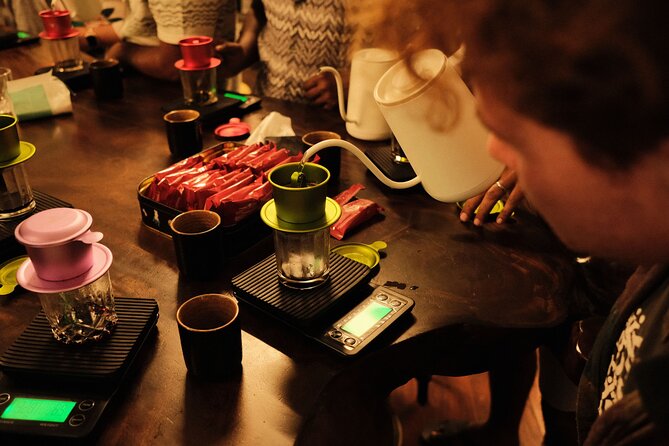
Along with the six coffees, the workshop includes homemade rice wine made by the hosts. This is a small but distinctive touch. It connects the class to home-style Vietnamese hospitality rather than keeping the entire experience inside the world of coffee technique.
You also receive ginger and peach tea at the beginning and snacks during the session. Those additions matter because six coffee samples can be a lot, especially if you normally drink coffee with milk or sugar. Eat the snacks, pace yourself, and tell the instructor if you need to reduce or skip a tasting.
The session lasts about three hours and 30 minutes. That is enough time for questions and conversation, but it is not a quick stop between sightseeing appointments. I would avoid booking it immediately before a tightly timed tour, train, or flight.
What the Teaching Style Is Like
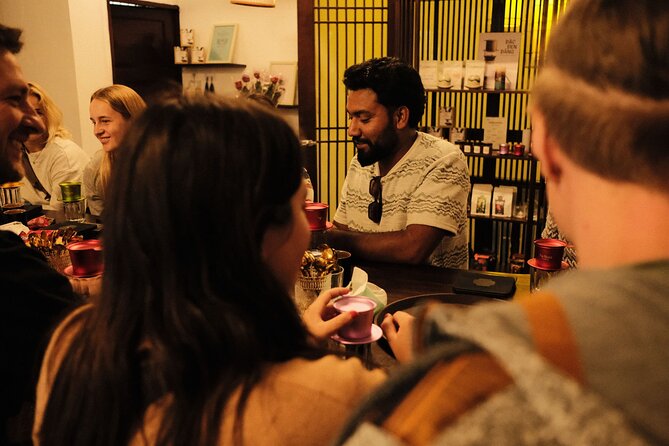
The instructors are the strongest part of this experience. Val is praised for humor, organization, and her explanations of coffee growing in Vietnam. Lin is described as engaging and inclusive, particularly good at involving each person and welcoming questions. Luka is praised for clear instruction and a well-organized class. Giang and Valerie are also noted for helping make the experience comfortable and memorable.
That range of feedback suggests the experience depends somewhat on the instructor assigned that day, but the teaching style appears consistent in its main strengths: friendly, active, and easy to follow. Solo visitors should feel comfortable joining. One solo participant found the group open and inclusive, which is useful if you are unsure about attending a workshop alone.
The class also suits people who are not coffee experts. You do not need to know about extraction, roast profiles, or Vietnamese café customs before arriving. The instructor explains the basics and then lets you learn through tasting.
At the same time, experienced coffee enthusiasts should set realistic expectations. This is a cultural and practical workshop, not an advanced professional barista course. You will learn several recipes and basic brewing ideas, but the supplied information does not promise detailed sensory scoring, advanced latte art, or professional espresso training.
Is $16 Good Value for Three and a Half Hours?
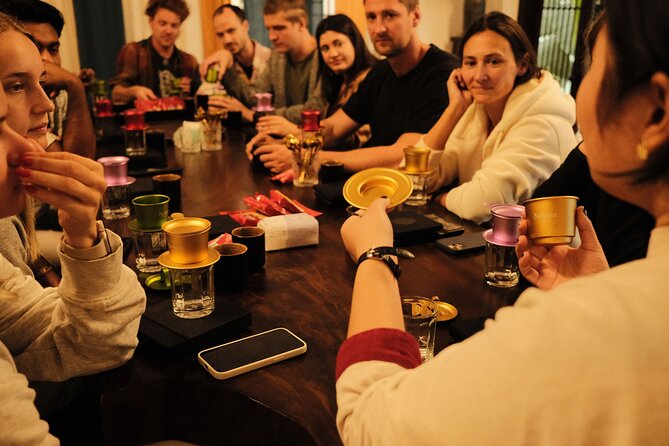
At $16 per person, the workshop is reasonably priced. You receive six prepared drinks that you also help make, snacks, welcome tea, rice wine, equipment use, instruction, digital coffee books, and a recipe book. That is more useful than paying café prices for one or two finished drinks.
The take-home material strengthens the value. You receive recipes so you can recreate what you learned, plus digital copies of coffee books related to the workshop. A professional certificate is available if requested, though its practical value will depend on why you want one.
Group discounts are offered, which may make the class even more appealing for friends or families. Hotel pickup and drop-off within the Old Quarter also add value, particularly if you are not comfortable navigating Hanoi’s streets to an address in Ba Dinh.
Tips and personal expenses are not included. Products are available for purchase, according to the class information and one detailed experience account, but buying coffee or equipment is optional. I would treat those items as an extra rather than part of the $16 package.
Who Will Enjoy This Hanoi Coffee Workshop?
I would recommend the class to:
- Anyone who wants more than a standard café stop
- First-time visitors curious about egg, salt, and coconut coffee
- People who like hands-on food and drink activities
- Solo visitors who want an easy social experience
- Coffee beginners who want simple recipes to repeat at home
- Friends and family groups who can use the group discount
- Anyone needing an indoor plan on a rainy Hanoi day
You may want to skip it if you dislike coffee flavors, sweet drinks, or long tastings. The class does offer alternatives for vegan visitors and dietary restrictions, but you should communicate those needs before the session.
It may also feel basic if your main interest is advanced coffee science. The strongest reason to book is the mix of culture, tasting, and participation, not technical certification.
The cancellation policy is straightforward: cancel at least 24 hours before the start time for a full refund. Cancellations or changes inside 24 hours are not refunded or accepted. Service animals are allowed, and the meeting point is near public transport.
Should You Book It?
Yes, if you want to understand Hanoi through its coffee cup. The class gives you six distinct drinks, a lesson in Vietnamese coffee customs, and recipes you can use after leaving the city.
I especially like it for people who normally order coffee without thinking about how it is made. The phin, egg topping, salt, coconut, and cocktail show how much variety can come from one local coffee tradition. If you are unsure, choose a morning session if available, as the 8 a.m. class received particular praise for its lively teaching.
Book this workshop if you value friendly instruction and practical take-home skills. Skip it only if three and a half hours of tasting sounds excessive or if you want an advanced barista course. For most curious visitors, $16 buys a generous, relaxed introduction to one of Hanoi’s most enjoyable daily rituals.
FAQ
How long does the Hanoi coffee workshop last?
The workshop lasts approximately three hours and 30 minutes.
Where does the coffee workshop start?
It starts at Local Beans Roastery, No. 75/173 Hoang Hoa Tham Street, Ngoc Ha Ward, Ba Dinh, Hanoi.
Does the activity include hotel pickup?
Yes. Hotel pickup and drop-off are available for hotels within Hanoi’s Old Quarter area.
Which Vietnamese coffees will I make?
You will make six styles: classic phin-brewed coffee, brown coffee, salt coffee, egg coffee, coconut coffee, and a coffee cocktail made with local jam and wine.
Is equipment provided?
Yes. Coffee-making equipment such as filters and grinders is provided during the workshop.
Can vegan visitors or people with dietary restrictions join?
Yes. Vegan visitors and people with dietary restrictions can be accommodated. Tell the provider about your needs when booking.
What is the cancellation policy?
You can receive a full refund if you cancel at least 24 hours before the experience start time. Cancellations or changes made within 24 hours are not refunded or accepted.
More Workshops in Hanoi
- Hanoi Cooking Class: Culture, Local Market & Meaning CSR Impact
★ 5.0 · 5,147 reviews - 5 Traditional Dishes Hanoi Cooking Class with Market Trip
★ 5.0 · 4,890 reviews - Vietnamese Food Cooking Class in Hanoi with Market Experience
★ 5.0 · 778 reviews - Hanoi: Handcrafted Wood Carving Workshop with Local Artisan
★ 5.0 · 733 reviews
More Coffee Experiences in Hanoi
- Hanoi Coffee Experience: 6 Brews, 9 Recipes & 3 Liquor Tastings
★ 5.0 · 2,945 reviews - Hanoi: Salt Coffee Workshop Awake Your Senses With 6 Brews
★ 5.0 · 792 reviews - Hanoi: Vietnamese Street Food Tour with Egg Coffee
★ 4.9 · 315 reviews - Hanoi Cooking Class: Pho/Bun Cha/Banh Xeo…+Free Egg/Salt Coffee
★ 5.0 · 267 reviews
New around Hanoi
- Private LUXURY Hanoi City Full day guided tour★ 4.5 · 21 reviews
- Private transfer between Hanoi and Sapa★ 5.0 · 27 reviews
- Private Transfer Hanoi <=> Mai Chau One Way (Free hotel pickup)★ 5.0 · 22 reviews
- Private Transfer from Ninh Binh to Halong or Halong to Ninh Binh★ 5.0 · 21 reviews
- Private Transfers Hanoi <=> Halong One Way (Free Hotel Pickup)★ 5.0 · 31 reviews
- Hanoi Airport See-off (Private Ride from Hotels to Hanoi Airport)★ 4.5 · 70 reviews
- Thang Long Water Puppet Theater★ 4.5 · 45 reviews
- Private transfer Ninh Binh <=> Halong One Way (Free Hotel Pickup)★ 5.0 · 21 reviews
Street Food Tours in Hanoi, compared.
Small Group Hanoi Street Food Tour with a Real Foodie
Read our review →
Street Food Tour with Train Street & Hidden Alleyways
Read our review →
Guided Street Food Tour with Train Street Experience
Read our review →![[HOT] Hanoi Old Quarter Walking Street Food – Small Group Tour](https://i3.thevietnamexplorer.com/wp-content/uploads/hot-hanoi-old-quarter-walking-street-food-small-group-tour-400x267.jpg)
[HOT] Hanoi Old Quarter Walking Street Food – Small Group Tour
Read our review →
Private Hanoi Street Food Walking Tour With Real Foodie
Read our review →Browse the lists this tour appears in