Reviewed · HANOI TOURS
Hanoi: Master the Art of 4-6 Signature Vietnameses Coffees
Coffee can be a Hanoi souvenir you actually use. This small-group workshop takes you from a local café into a lived-in home setting, where you grind, brew, whisk, taste, and adjust up to six Vietnamese coffee styles. I especially like the hands-on format and the chance to learn how locals balance bitterness and sweetness, rather than simply watching a demonstration.
The fresh ingredients and ceramic tools also give the class a pleasant sense of place. Eggs, milk, and coconut are prepared daily, while Vietnamese beans come from the Central Highlands. The main consideration is caffeine: six tasting cups can give you a serious boost, so a morning booking may suit you better than a late afternoon session.
The instructors, including Jade, Eddie, Daisy, Tyler, Jessica, Mint, Zoey, and Ngoc, are praised for clear explanations and warm conversation. The class is capped at 10 people, though some time slots may feel almost private when only a few people book.
In This Review
- Key Things To Know Before You Book
- Arriving Near Hanoi’s French Quarter
- A Small Group Makes the Lesson Personal
- Black Coffee Shows the Bean’s Strength
- Brown Coffee Explains Vietnam’s Sweet Side
- Egg Coffee Is Part Recipe, Part Technique
- White, Coconut, and Salted Coffee Add Contrast
- The Real Lesson Is How To Adjust Coffee
- Coffee Stories Connect the Cups To Hanoi Life
- Is $22 Good Value?
- Who Will Enjoy This Workshop Most?
- Should You Book the Hanoi Coffee Masterclass?
- FAQ
- How many types of coffee will I make?
- How long does the workshop last?
- What languages does the instructor speak?
- What is included in the price?
- Where does the workshop meet?
- Can I cancel or pay later?
Key Things To Know Before You Book
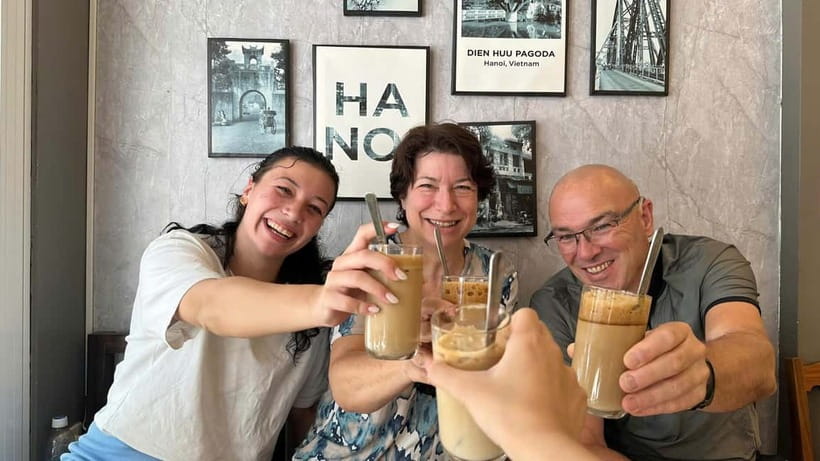
- You make 4 to 6 coffees yourself: Black, brown, egg, white or silver, coconut, and salted coffee are all part of the workshop.
- The coffee lesson goes beyond recipes: You learn how to control strength, soften bitterness, and adjust sweetness with ordinary home equipment.
- The setting feels lived-in: This is not a polished cooking studio. It is a local home with ceramic tools, everyday sounds, fresh coffee, and warm local elders.
- Central Highlands beans are used: Seasonal Vietnamese specialty coffee is selected after repeated tastings and prepared fresh for the class.
- You leave with useful takeaways: Full recipes, home substitutions, and local recommendations for cafés, restaurants, markets, and bars are provided.
- The price is modest for the amount of tasting: At $22 per person, you get instruction, six possible drinks, tea, recipes, and a cultural look at Hanoi coffee.
Arriving Near Hanoi’s French Quarter
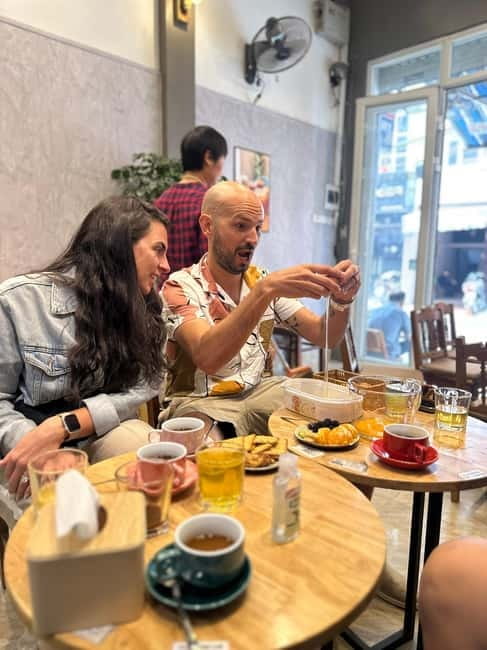
The meeting point is a cozy café in a peaceful corner of the Old Quarter. It is near the Hanoi Opera House and French Quarter, with the Red River and Vinh Tuy Bridge also listed as nearby landmarks.
That location matters. You can pair the class with a walk around the Opera House, Hoàn Kiếm Lake, or the older streets of central Hanoi. One useful tip from the experience is to schedule it early in your visit. The local café and restaurant suggestions can help shape the rest of your stay, and you may leave with a short list of places that do not appear on every standard tourist map.
The café itself is described as unassuming from the outside. That is part of the charm. You step away from the street and into a quieter room where voices drift in from outside and coffee slowly warms the space.
The setting is not designed to feel like a grand attraction. You will not get a staged performance or a formal lecture hall. Instead, the appeal comes from ordinary details: ceramic brewing tools, coffee grounds under your fingers, foam being whisked by hand, and the sound of daily life beyond the room.
The home is air-conditioned and has clean restrooms. Utensils are washed in a dishwasher and sterilized. A pet-friendly garden space is available, and childcare can be arranged. Wheelchair access is also listed, which makes this more practical than many small Old Quarter activities.
A few more Hanoi runs to compare on price
- Hanoi Jeep Tour: Food, Culture and Fun by Vietnam Army Jeep
★ 5.0 · 15,222 reviews - Full-Day Ninh Binh Highlights Tour from Hanoi
★ 5.0 · 7,761 reviews - Hanoi: Ha Long Bay Day Cruise – Swimming, Meal, Kayaking
★ 4.7 · 7,415 reviews
A Small Group Makes the Lesson Personal
The class allows no more than 10 participants. That is small enough for the instructor to see what you are doing and correct a brewing step before your cup goes off course.
This matters most when you are working with a phin filter, Vietnam’s compact metal coffee brewer. The process looks simple, but small changes in coffee quantity, water, pressure, and waiting time affect the final cup. The workshop gives you a chance to see those changes rather than relying on a fixed recipe.
Some sessions may be even smaller. One participant described receiving a private lesson because nobody else had booked that time slot. Another described a two-person session. You should not count on a private class, but the limited group size gives you a fair chance of a relaxed experience.
The instructors are one of the most praised parts of the class. Jade is repeatedly singled out for patience, clear teaching, local recommendations, and stories about coffee in Hanoi. Eddie is described as attentive and thorough, while Daisy receives praise for making the process easy to follow and fun.
Other instructors named in the feedback include Tyler, Jessica, Mint, Zoey, and Ngoc. The teaching style may vary slightly by guide, but the common thread is friendly instruction in Vietnamese and English.
Black Coffee Shows the Bean’s Strength
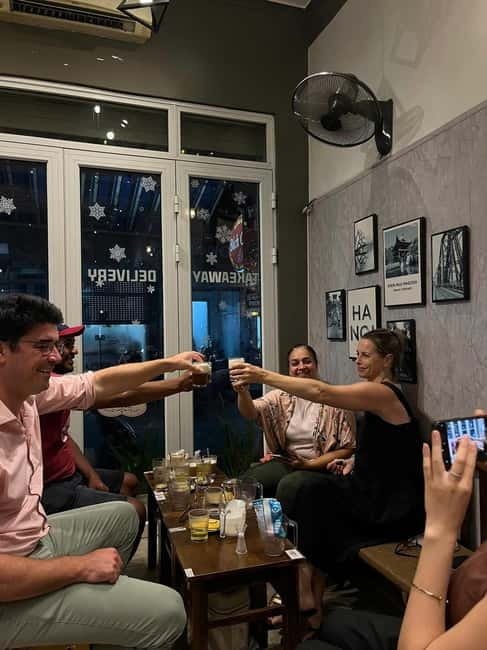
The first cup is the plainest: black Vietnamese coffee. This is a useful starting point because it lets you taste the coffee before milk, egg, coconut, or salt changes its character.
Vietnamese coffee is often associated with strong robusta beans, and the class explains Vietnam’s robusta tradition. The beans used here come from the Central Highlands, with the selection changing through the year as harvests change.
You grind and brew the coffee rather than receiving a finished cup. The instructor explains how locals judge the result and how to adjust it at home. If your usual coffee is mild, this cup may seem forceful. One of the nicest details in the feedback is that even someone who normally dislikes black coffee enjoyed this version.
That is a good sign for beginners. You are not required to arrive as a serious coffee drinker. The lesson is designed to show you how the brewing method and adjustments affect the taste.
Brown Coffee Explains Vietnam’s Sweet Side
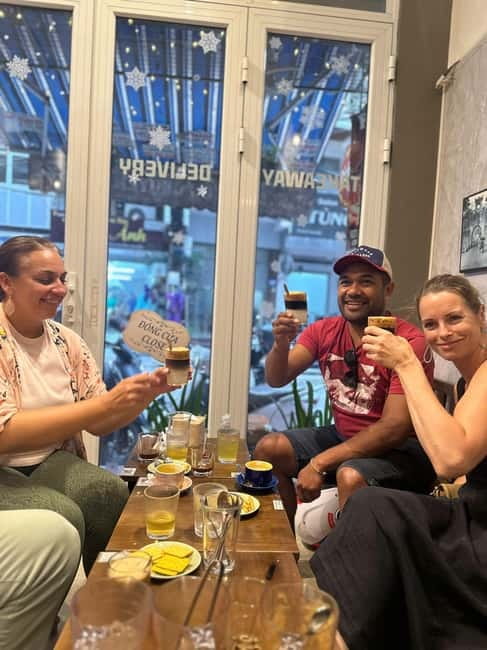
Brown coffee introduces milk and sweetness to the strong base. The name used in the class refers to the familiar Vietnamese coffee style served with condensed milk or a similar sweet milk component, though exact recipe adjustments can be made during the session.
This is where the class becomes especially practical. You can try a sweeter or bolder version and compare it with the black coffee. The instructor shows how to keep the drink from becoming merely sugary.
Fresh milk ingredients are prepared daily, and nothing is pre-made or artificial. You also receive home-friendly substitutes, which is helpful if the precise Vietnamese ingredients are difficult to find after your trip.
I like this part because it explains why Vietnamese coffee is not simply strong coffee with sugar. The sweetness works as a counterweight to the bean’s bitterness. You learn to taste that balance, then change it to suit your own preference without losing the basic style.
Same city, a very different kind of morning:
- Hanoi: Water Puppet Show Tickets
★ 4.6 · 7,029 reviews - Hanoi Motorbike Tour: Food, Culture and Fun by Vintage Motorbike
★ 5.0 · 6,699 reviews - Hanoi: Guided Food Tour with Train Street Visit
★ 4.9 · 6,239 reviews - Hanoi Cooking Class: Culture, Local Market & Meaning CSR Impact
★ 5.0 · 5,147 reviews
Egg Coffee Is Part Recipe, Part Technique
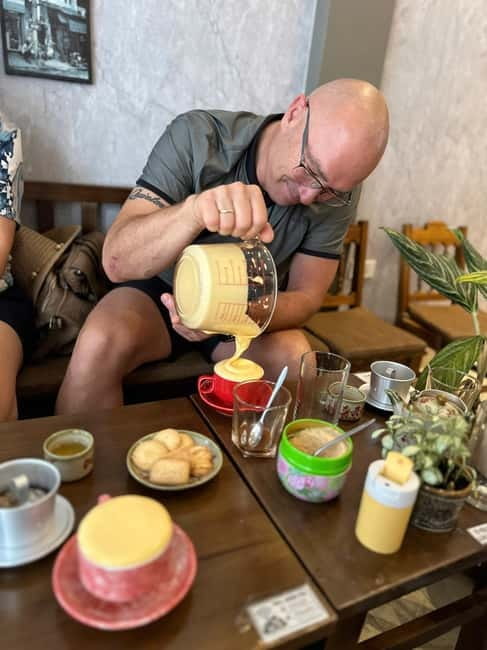
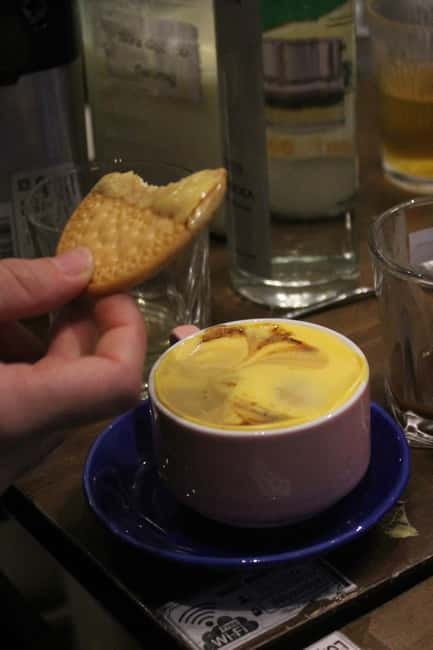
Egg coffee is the most famous of the workshop’s unusual drinks. It also demands the most explanation because the texture matters as much as the flavor.
The class uses fresh eggs and teaches you how to whisk the mixture into a light, creamy topping. You do the work yourself, so you can see how the foam changes as you whisk. The instructor also explains the story behind egg coffee and how it became part of Hanoi’s café culture.
This is one of the sections where a patient guide makes a real difference. The class is not just about putting ingredients together. You learn how to create a topping that feels airy rather than heavy, then combine it with the strong coffee underneath.
Jade is praised for explaining the background of egg coffee clearly. If you have already ordered this drink in Hanoi, the workshop gives you a better understanding of what is in the cup and why the texture is so important.
The egg coffee is also a good reason to book the activity even if you are not a black-coffee drinker. The topping softens the coffee’s edge, though the drink remains distinctly Vietnamese rather than tasting like a standard dessert.
White, Coconut, and Salted Coffee Add Contrast
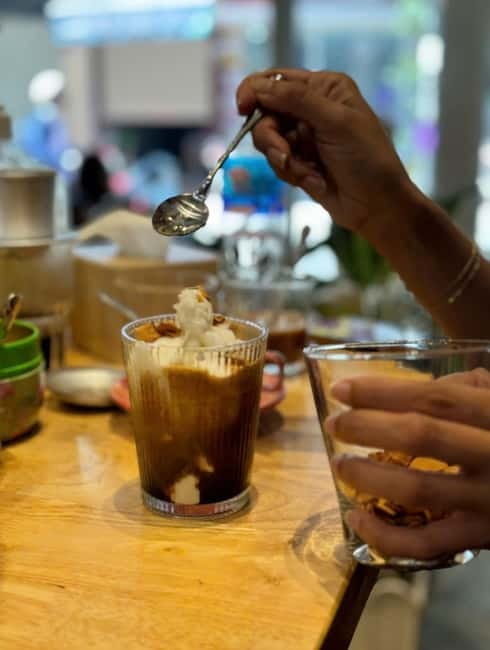
The white or silver coffee gives you another way to compare coffee with milk. It is useful to taste this style after the black and brown versions because you can notice how a lighter preparation changes the drink’s body and sweetness.
The exact balance can be personalized. You may ask for a stronger, sweeter, or less sweet cup, and the instructor can help you keep the drink close to its original character.
Coconut coffee is often the crowd favorite. It combines coffee with coconut for a smooth, slightly sweet drink, and one participant described it as rich and soft with just a little sweetness. If you prefer milder coffee drinks, this may be the cup you remember most.
The coconut is prepared fresh, not taken from a pre-made artificial mix. That gives the class a simple but important lesson: good ingredients do much of the work, but the brewing and mixing still decide whether the drink feels balanced.
Salted coffee provides the sharpest contrast. Salt is used to change the perception of bitterness and sweetness, not to make the coffee taste like soup. The instructor explains how a small amount can round out the drink, which is a useful trick you can apply to coffee at home.
Tasting these styles side by side is more helpful than ordering them on separate days. You can compare the same Vietnamese coffee base across several preparations and understand how each ingredient shifts the flavor.
The Real Lesson Is How To Adjust Coffee
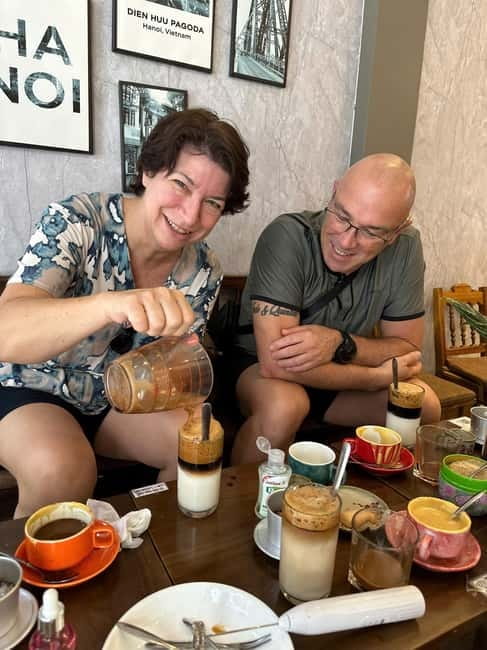
The workshop’s strongest feature is not the number of recipes. It is the attention to adjustment.
You learn how locals taste coffee, then decide what it needs. Is the brew too bitter? Should it be weaker, sweeter, or softened with another ingredient? Does the foam need more whisking? Should the next cup use a slightly different ratio?
These are small questions, but they make the lesson useful after you leave Hanoi. You do not need an expensive machine or a carefully designed kitchen. The class focuses on methods that can be repeated with basic tools, including the phin filter.
The full recipes are provided afterward, along with substitutes that are easier to find at home. That turns the $22 fee into something more lasting than six drinks. You are paying for a tasting session, instruction, cultural context, and a small skill you can continue using.
Some participants have bought phin filters after the class so they could make Vietnamese coffee at home. If you are interested, ask about the filter before you leave.
Coffee Stories Connect the Cups To Hanoi Life
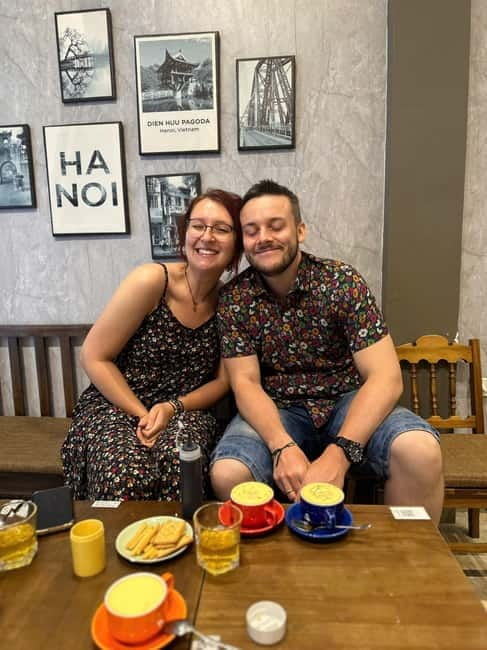
The instructors were born and raised in Hanoi’s Old Quarter. Their coffee background comes from grandparents, chefs, street cafés, and years of tasting and experimenting.
The stories cover morning routines, old cafés, changing tastes, and the way Vietnamese coffee developed into the forms served today. These explanations give the drinks a local frame. A salted coffee is not just a novelty, and egg coffee is not simply a photogenic dessert. Each style reflects the way people have adapted coffee to local ingredients and habits.
The class also makes room for conversation. You may talk with other people at the table while waiting for a filter to finish dripping or a topping to become smooth. That social rhythm suits Hanoi coffee culture, where sitting, chatting, and taking time are part of the experience.
You should expect a friendly lesson rather than an academic one. The guides explain clearly, answer questions, and share local suggestions. Several instructors also provide recommendations for cafés, restaurants, markets, and bars around Hanoi.
Is $22 Good Value?
At $22 per person, the workshop is good value if you want more than a single café drink. You may make and taste four to six coffees, plus tea, while receiving recipes, instruction, and local advice.
The price is especially fair for people who want a cultural activity that fits into one to two hours. It does not consume an entire day, and you can place it beside other Old Quarter plans.
The value is weaker if you only want to drink coffee and do not care how it is made. Hanoi has plenty of cafés where you can order egg, coconut, or salted coffee for less than the cost of a class. Here, you are paying for the process and the explanation.
You should also factor in the caffeine. Six tasting cups can be a lot, even if each serving is small. Booking in the morning gives you more time to use the energy, and one participant specifically suggested treating it as a morning activity.
Who Will Enjoy This Workshop Most?
I would recommend it first to people who already like coffee and want to understand Vietnamese styles properly. The class is also a good fit for curious beginners, since you can adjust the cups and learn why black coffee does not need to be harsh.
It works well for couples, solo visitors, families with older children, and small groups of friends. One couple used it as a birthday activity, while solo participants found it easy to chat with the instructor and other people at the table.
The workshop is less suitable for anyone avoiding caffeine, as the tasting menu includes several coffee drinks. Babies under one year are not accepted, and people over 95 are listed as unsuitable. Childcare is available, but you should confirm the arrangement when booking.
The wheelchair-accessible setting is a useful plus. The small home environment may still require you to check specific movement needs in advance, but access is formally offered.
Free cancellation is available up to 24 hours before the start, and you can reserve while paying later. The duration is listed as one to two hours, with start times depending on availability.
Should You Book the Hanoi Coffee Masterclass?
Book it if you want to understand what makes Vietnamese coffee different, learn a method you can repeat at home, and spend time in a personal local setting rather than just moving between cafés.
I especially recommend it early in your Hanoi visit. You get a caffeine lift, a useful introduction to local coffee culture, and a list of places to eat and drink afterward. Jade, Eddie, Daisy, Tyler, and the other named instructors are all praised for friendly, clear teaching, which is important in a hands-on class.
Skip it if you dislike coffee, need a quiet low-caffeine morning, or only want the cheapest possible drink. For everyone else, the $22 price buys a well-shaped introduction to six Vietnamese coffee styles, with enough practical detail to make the experience stay with you after the last cup.
FAQ
How many types of coffee will I make?
The workshop teaches four to six Vietnamese coffee styles. The possible drinks are black, brown, egg, white or silver, coconut, and salted coffee.
How long does the workshop last?
The activity lasts between one and two hours. Available starting times depend on the selected date.
What languages does the instructor speak?
Instruction is available in Vietnamese and English.
What is included in the price?
The experience includes coffees and teas, full recipes, a local instructor, photography by the instructor, air conditioning, clean restrooms, sterilized utensils, and access to a pet-friendly garden space. Childcare is also available.
Where does the workshop meet?
You meet at a cozy local café in a peaceful corner of Hanoi’s Old Quarter, near the Hanoi Opera House and the French Quarter.
Can I cancel or pay later?
You can cancel up to 24 hours before the activity for a full refund. You can also reserve now and pay later, which keeps your plans flexible.
New around Hanoi
- Private LUXURY Hanoi City Full day guided tour★ 4.5 · 21 reviews
- Private transfer between Hanoi and Sapa★ 5.0 · 27 reviews
- Private Transfer Hanoi <=> Mai Chau One Way (Free hotel pickup)★ 5.0 · 22 reviews
- Private Transfer from Ninh Binh to Halong or Halong to Ninh Binh★ 5.0 · 21 reviews
- Private Transfers Hanoi <=> Halong One Way (Free Hotel Pickup)★ 5.0 · 31 reviews
- Hanoi Airport See-off (Private Ride from Hotels to Hanoi Airport)★ 4.5 · 70 reviews
- Thang Long Water Puppet Theater★ 4.5 · 45 reviews
- Private transfer Ninh Binh <=> Halong One Way (Free Hotel Pickup)★ 5.0 · 21 reviews
Hanoi Tours, compared.

Hanoi Jeep Tour: Food, Culture and Fun by Vietnam Army Jeep
Read our review →
Full-Day Ninh Binh Highlights Tour from Hanoi
Read our review →
Ha Long Bay Day Cruise – Swimming, Meal, Kayaking
Read our review →

Hanoi Motorbike Tour: Food, Culture and Fun by Vintage Motorbike
Read our review →

Hanoi Cooking Class: Culture, Local Market & Meaning CSR Impact
Read our review →