Reviewed · HANOI TOURS
Hanoi: Private Half-day City Highlights and Hidden Gems Tour
Hanoi reveals itself quickly. This private half-day tour links Hoan Kiem Lake, the Temple of Literature, Train Street, and Ba Dinh Square without making you wrestle with city traffic or map apps. I like the private format and the way the guide can adjust the plan, especially if a site is closed or you have a particular interest.
I also like the mix of famous landmarks and ordinary city life, from Dong Xuan Market to Ta Hien Corner. The main drawback is pace: there is a lot to see in half a day, and some stops may feel brief, while the Ho Chi Minh Mausoleum can be closed on certain days.
In This Review
- Key points at a glance
- Why this half-day tour works well in Hanoi
- Ba Dinh Square and Ho Chi Minh’s final resting place
- The Temple of Literature and Vietnam’s scholarly tradition
- Dong Xuan Market, where Hanoi goes to work
- St. Joseph’s Cathedral and Hanoi’s French imprint
- Train Street, Hanoi’s famous railway corridor
- Hoan Kiem Lake and the story of the Restored Sword
- Hanoi Opera House and the Old Quarter finish
- The guide makes or breaks the experience
- Transport, timing, and practical comfort
- Who should book this Hanoi tour?
- Should you book it?
- FAQ
- How much does the Hanoi private half-day tour cost?
- Is this a private tour?
- Where does hotel pickup and drop-off take place?
- What transport is used?
- Is a tour guide included?
- Are entry tickets included?
- Are food and drinks included?
- Can the itinerary or departure time change?
- What should I wear to the Ho Chi Minh Mausoleum?
Key points at a glance

- Private car and hotel pickup: Start and finish at your Old Quarter hotel, with air-conditioned transport between sights.
- Train Street included: See the railway tracks running directly through one of Hanoi’s most unusual urban scenes.
- Flexible itinerary: Your guide can adjust the route and departure time around your interests.
- Strong guide element: Guides including Lucas, Duy, Tuong, Harry, Duc, and Tony are noted for friendly service, clear explanations, and helpful changes to the plan.
- Good first-day choice: The route gives you a quick introduction to Hanoi’s political history, religious buildings, French colonial architecture, markets, and street life.
- Price and value: At $67 per person, the tour makes the most sense for people who value private transport and personal guidance over exploring independently.
Why this half-day tour works well in Hanoi
Hanoi is not difficult to explore, but it can be tiring to understand. The city spreads its most important sights across several areas, and crossing even a short distance can take time in traffic. A private vehicle lets you save energy for the places themselves.
I like the structure here because it does not focus on only one side of Hanoi. You see national history at Ba Dinh Square, traditional learning at the Temple of Literature, Catholic architecture near Nha Chung Street, market commerce at Dong Xuan, and the social heart of the city around Hoan Kiem Lake.
The private setup is especially useful if you are traveling as a couple, family, or small group. You do not have to wait for strangers, and you can ask for more time at a favorite stop. The route and departure time can also be changed around your expectations, although the number of included sights means you should still expect a fairly active morning or afternoon.
At $67 per person, this is not the cheapest way to see Hanoi. The cost pays for a private vehicle, an English-speaking guide, entry tickets, water, and hotel pickup and drop-off in the Old Quarter. If you would otherwise hire a car and guide separately, the price is reasonable. If you enjoy wandering with no schedule, an independent day may cost less.
A few more Hanoi runs to compare on price
- Hanoi Half-day with Food + Fun + Culture By Russian Jeep
★ 5.0 · 1,243 reviews - Hanoi City Half-Day Private Tour: Train Street And All Highlights
★ 5.0 · 298 reviews - Hanoi Highlights: Half-day City Tour
★ 5.0 · 298 reviews
Ba Dinh Square and Ho Chi Minh’s final resting place
The tour begins with a drive to the Ho Chi Minh Mausoleum in Ba Dinh Square. This is one of Hanoi’s most important civic spaces, and the mausoleum is the final resting place of Ho Chi Minh, widely known in Vietnam as Uncle Ho.
You can see his body preserved in a glass case, despite his stated wish for cremation. That detail gives the visit a human edge. It also helps explain why this is more than a quick photo stop. The building reflects the public respect given to Ho Chi Minh and the political importance of the area.
Dress modestly here. Shorts need to reach the knee, and respectful clothing is expected. The mausoleum may be closed on some days, so do not treat entry as guaranteed. One guide, Lucas, adjusted the plan when the site was closed and used the time to cover other parts of Hanoi instead. That kind of flexibility matters on a short tour.
The stop may suit you best if you want historical context rather than only attractive buildings. Your guide can help explain Ho Chi Minh’s role and how his public image fits into modern Vietnam.
The Temple of Literature and Vietnam’s scholarly tradition
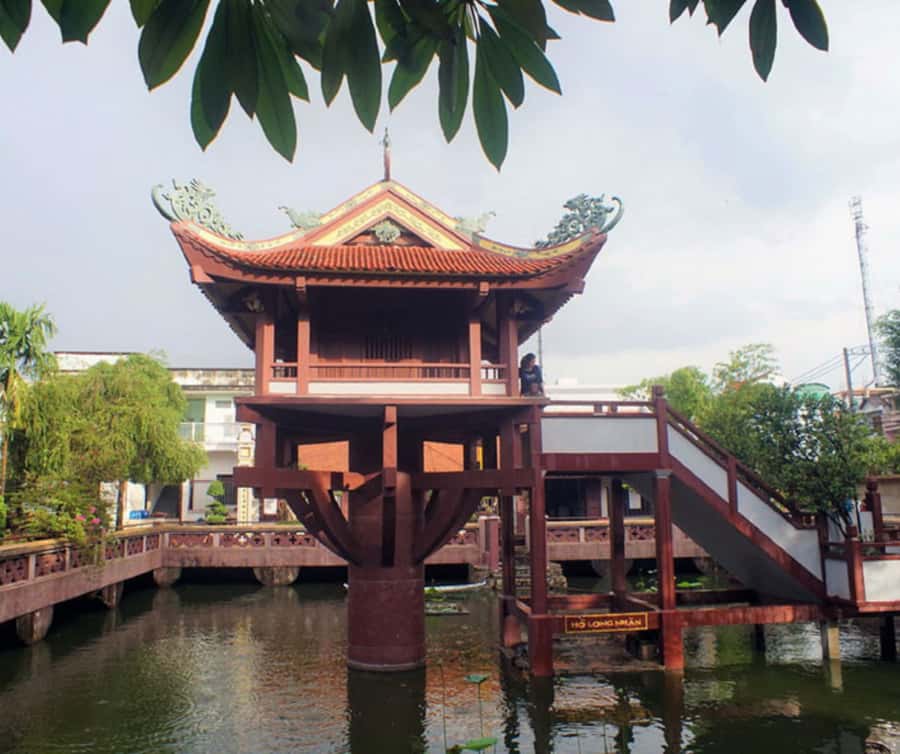
The Temple of Literature is one of Hanoi’s most rewarding stops. Built in 1070 and dedicated to Confucius, scholars, and sages, it began as a university and remains one of the city’s best-preserved examples of traditional Vietnamese architecture.
The setting is calmer than the streets outside. Courtyards, gates, gardens, and traditional buildings create a clear sense of order. You get a useful pause from Hanoi’s traffic and a chance to see how education and Confucian thought shaped Vietnamese society.
This is where a good guide adds real value. Basic sightseeing will show you the gates and courtyards, but a careful explanation can connect the site to Confucian ideas, scholarship, and social values. Several guides were singled out for making Buddhism, Confucius, Vietnamese culture, and current affairs easier to understand.
Allow yourself time to look closely at the architectural details. The route is busy, so you may not get a long, quiet visit, but this stop gives the tour some depth.
Dong Xuan Market, where Hanoi goes to work
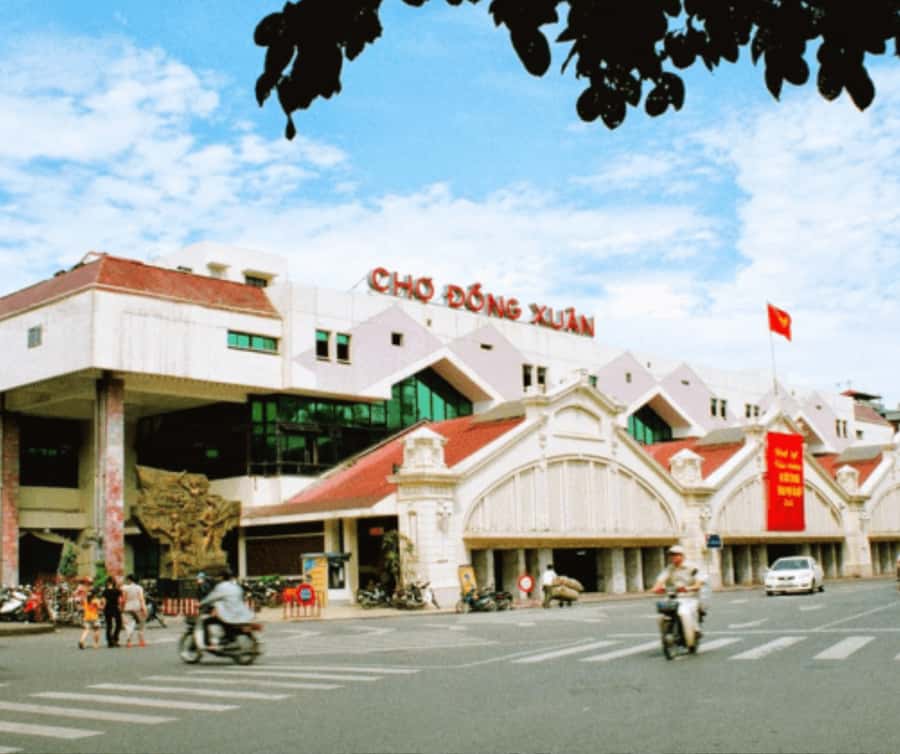
Dong Xuan Market dates to 1889 and is the largest wholesale market in Hanoi. It is a useful change of rhythm after the formal atmosphere of the Temple of Literature.
Inside and around the market, you can find fabric, clothing, local handicrafts, souvenirs, and street food. The point is not simply to buy something. The market shows Hanoi as a place of trade, supply, and everyday business rather than only a collection of monuments.
You might find the market crowded and visually busy. That is part of its character, though people who prefer quiet sightseeing may want to keep this stop short. I would use it to notice the types of goods being sold, watch the movement of local commerce, and sample the atmosphere rather than plan a major shopping session.
Because meals and drinks are not included, any food or drink you choose here is your own expense. The included bottle of water is useful, particularly if the weather is warm.
Same city, a very different kind of morning:
- Hanoi Jeep Tour: Food, Culture and Fun by Vietnam Army Jeep
★ 5.0 · 15,222 reviews - Full-Day Ninh Binh Highlights Tour from Hanoi
★ 5.0 · 7,761 reviews - Hanoi: Ha Long Bay Day Cruise – Swimming, Meal, Kayaking
★ 4.7 · 7,415 reviews - Hanoi: Water Puppet Show Tickets
★ 4.6 · 7,029 reviews
St. Joseph’s Cathedral and Hanoi’s French imprint
St. Joseph’s Cathedral sits on Nha Chung Street and was built in the neo-Gothic style about 120 years ago. Its design offers a sharp contrast with the Temple of Literature’s Vietnamese architecture.
The cathedral is a reminder that Hanoi’s story includes more than ancient traditions and twentieth-century politics. French colonial rule left a strong mark on the city, and this building makes that influence easy to see. Its stone façade, tall proportions, and European church design feel distinct from the surrounding streets.
This is a relatively compact stop, so your guide’s explanation can make the difference between a quick photograph and a more useful visit. You will also be close to the central streets around Hoan Kiem, where the city’s architectural layers sit close together.
Train Street, Hanoi’s famous railway corridor

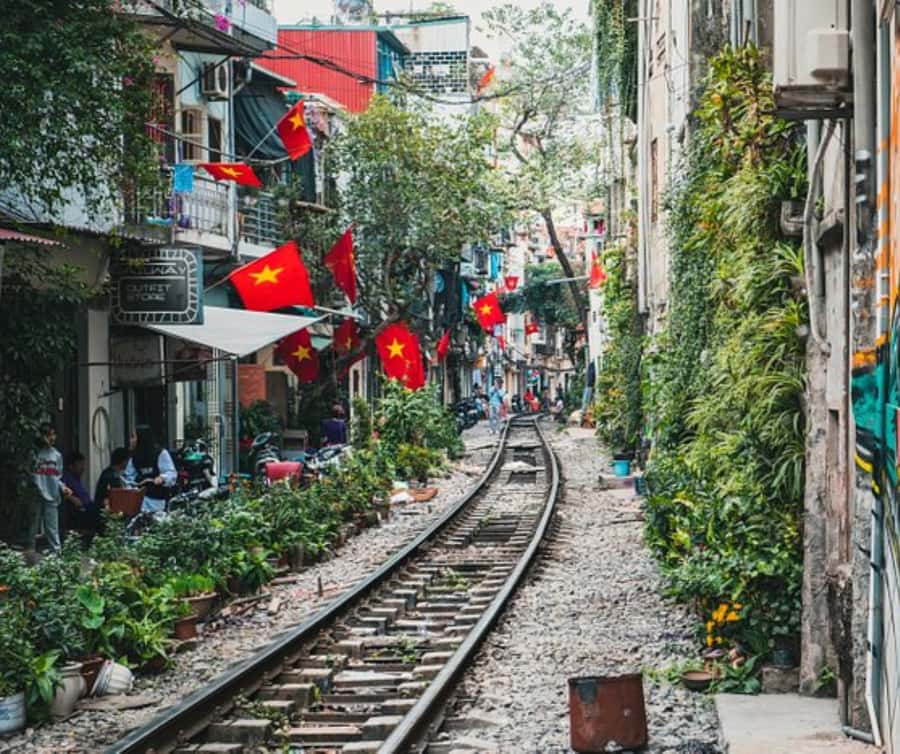
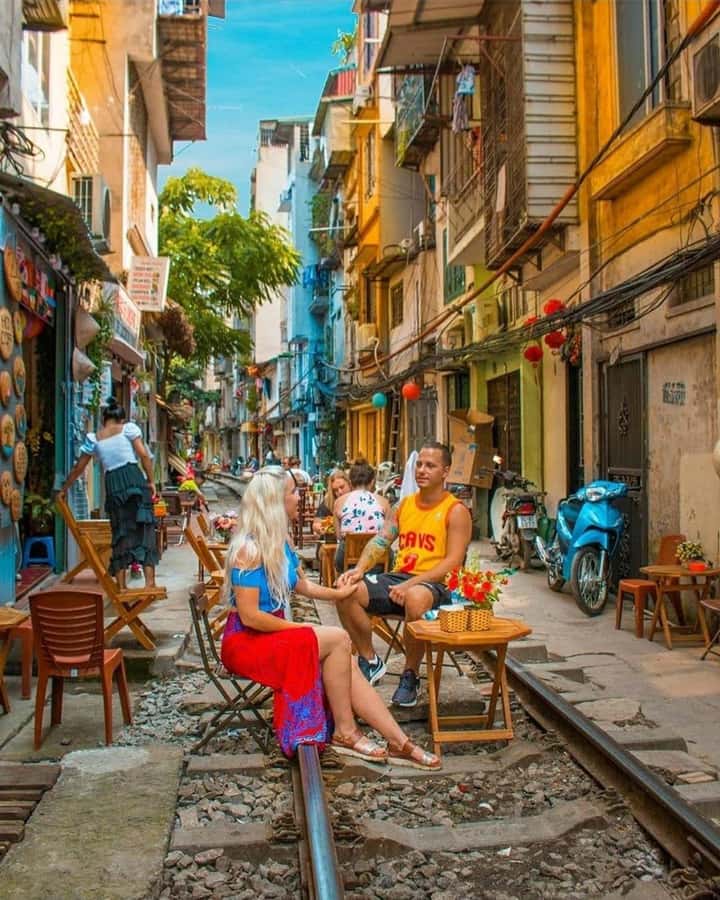
Train Street is likely to be the most memorable stop for many people. A real railway line runs through the heart of the old town, with homes, cafés, and narrow strips of daily life close to the tracks.
The attraction is not a replica or themed display. You are seeing an unusual piece of working city infrastructure in a tightly packed neighborhood. It gives you a vivid sense of how Hanoi has grown around older transport routes.
The timing can matter if you want to see a train pass. Guide Lucas, also known as Phoc, planned the route so the group could catch a train, while other guides have adjusted the schedule around similar preferences. Still, do not assume a train will pass at the exact time of your visit unless your guide confirms it.
Pay attention to safety instructions. The tracks are real, and space is limited. This is not the place to step carelessly onto the railway or treat the scene as a normal pedestrian street. The stop is best approached with curiosity and caution.
Train Street also shows why a private tour can be useful. Your guide can explain the local setting and help you understand what you are seeing, rather than leaving you to find the area and judge the situation alone.
Hoan Kiem Lake and the story of the Restored Sword
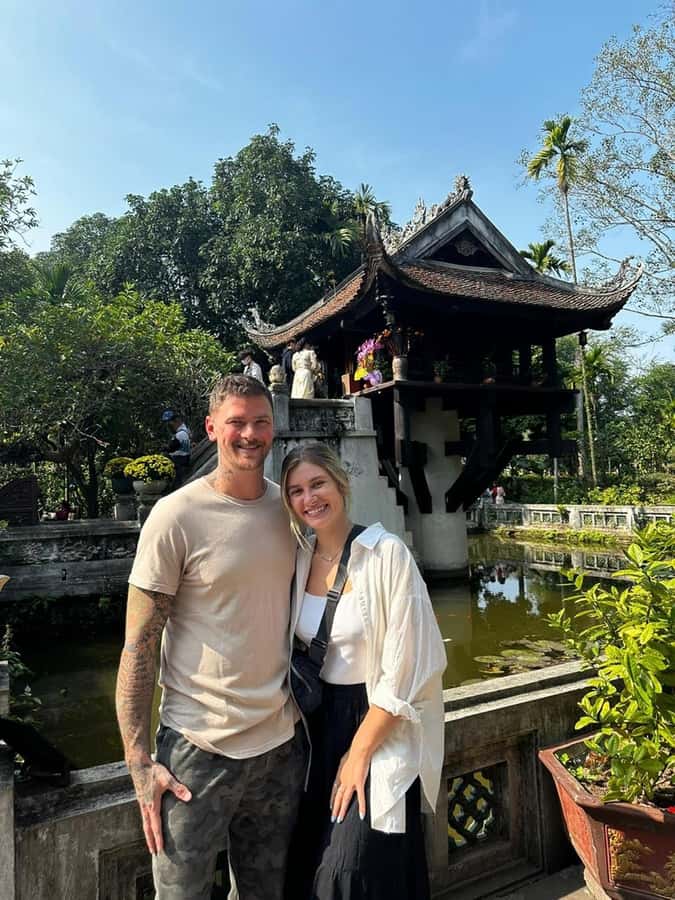
Hoan Kiem Lake is the symbolic heart of Hanoi. Its Vietnamese name means Lake of the Restored Sword, and the lake occupies a central place in the city’s stories and identity.
This stop gives you a different view of Hanoi. Instead of a museum-like site or a formal monument, you get open space in the middle of the city. The lake helps you understand how Hanoi’s Old Quarter connects to the wider city, and it is a natural place to pause after the denser streets around Train Street.
You should not expect a long lakeside break on a half-day schedule. The tour has many stops, so the time here may be geared toward orientation, photographs, and an explanation of the lake’s meaning.
For a first visit, that is still valuable. Hoan Kiem is the point you will likely use later to make sense of central Hanoi, and seeing it with a guide gives you an early map of the city.
Hanoi Opera House and the Old Quarter finish
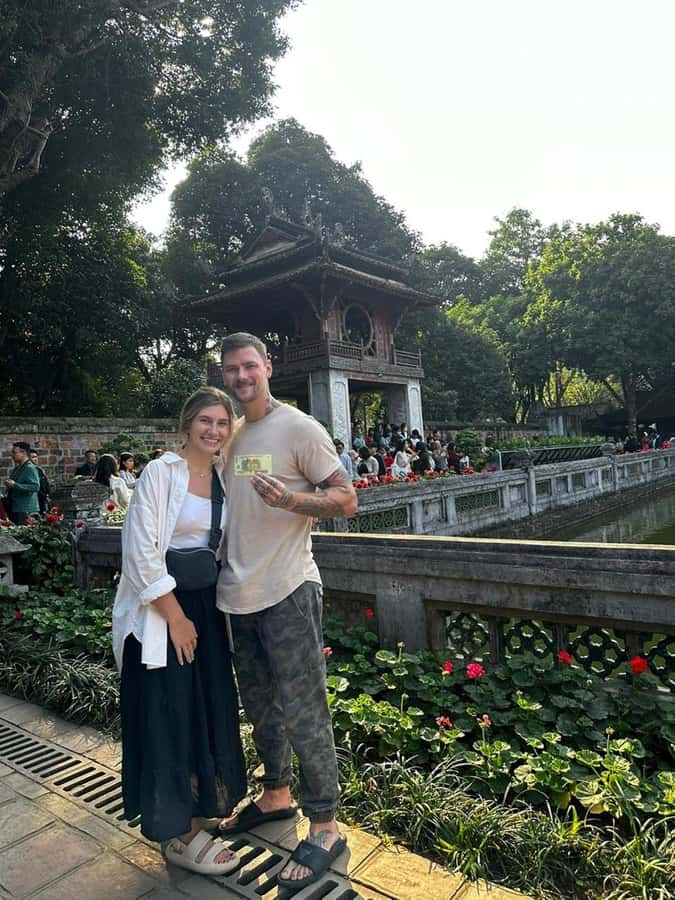
The Hanoi Opera House was built by the French colonial administration between 1901 and 1911. Its architecture adds another European note to the route, but its location in Hanoi gives it a different feel from St. Joseph’s Cathedral.
The building is best appreciated as part of the city’s colonial-era story. It also shows how Hanoi’s formal public spaces were designed during French rule. Since the tour passes rather than promises a performance, think of this as an exterior landmark and a quick architectural stop.
The route then passes Ta Hien Corner in the Old Quarter. This is a lively street area known for its concentration of small food and drink venues. The tour does not include meals or drinks, but your guide can point out the area before saying goodbye.
Ending in the Old Quarter is practical. You return close to restaurants, shops, and your hotel, so you can continue exploring on foot after the guide leaves.
The guide makes or breaks the experience
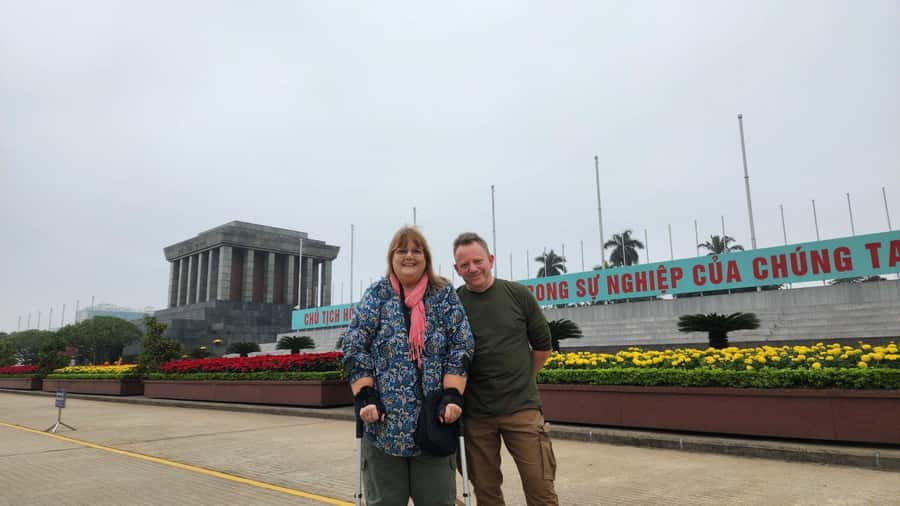
The tour’s most important variable is not the vehicle or the number of stops. It is the guide. A strong guide can turn a packed list of landmarks into a clear story about Hanoi.
The named guides associated with this experience include Lucas, Duy, Tuong, Harry, Duc, and Tony. Their strengths include friendly communication, cultural explanations, careful organization, and willingness to adapt the route. Lucas helped reshape the plan when the mausoleum was closed, while Harry and Duc added stops or information to match what the group wanted to see.
English is included, while French, German, Chinese, Japanese, Russian, Spanish, and Kazakh are also available, with other languages costing extra. English ability can vary by guide, although the available feedback describes the communication as generally clear and helpful.
I would tell your guide early what matters most. If Train Street is your priority, say so at pickup. If you want more time at the Temple of Literature or less time shopping, explain that too. A private tour gives you a better chance of getting the balance right.
Transport, timing, and practical comfort
The air-conditioned private car is a real advantage in Hanoi. You avoid arranging taxis between several districts and get a comfortable seat during the transfers. One group specifically praised the vehicle’s seats and cooling, while another described the minibus as comfortable.
The itinerary is listed as half-day, but it includes a substantial number of stops. Expect a brisk route rather than a slow, leisurely examination of every site. The private format helps, but traffic and entry procedures can still affect the pace.
Pickup and drop-off are provided at hotels in Hanoi’s Old Quarter. If your accommodation is outside that area, confirm the pickup arrangement before booking. The tour includes transport, guide service, entry tickets, and one bottle of water, but not food or drinks.
Cancellation is allowed up to 24 hours before departure for a full refund, and you can reserve now and pay later. A holiday surcharge may apply.
Who should book this Hanoi tour?
I would choose this tour for a first visit, especially if you have limited time and want to cover the city’s main sights in one organized outing. It suits couples, families, and small private groups that prefer a car and a guide to navigating Hanoi independently.
It is also a good fit if you want history explained in plain language. The Temple of Literature, Ho Chi Minh Mausoleum, and colonial buildings each mean more when someone connects them to Vietnamese society and Hanoi’s past.
You may want another style of day if you prefer long café stops, extended market wandering, or a slow photography walk. The tour covers a lot, and the schedule may feel tight if you want to linger at every location.
At $67 per person, I see the strongest value in the combination of private transport, flexible planning, and a guide who can explain what you are seeing. For independent visitors who are comfortable with Hanoi’s traffic and navigation, the price may feel high. For a first-day orientation, it is a practical way to get your bearings fast.
Should you book it?
Book this tour if you want a private, well-organized introduction to Hanoi with the major sights handled in one half-day. Its best features are the flexible guide service, comfortable air-conditioned transport, and the unusual inclusion of Train Street alongside formal landmarks.
Before booking, accept two limits: the pace is brisk, and the Ho Chi Minh Mausoleum may be closed. If those points suit your plans, the tour offers a useful mix of politics, religion, architecture, commerce, and street life without making you solve Hanoi’s transport puzzle on your own.
FAQ
How much does the Hanoi private half-day tour cost?
The listed price is $67 per person.
Is this a private tour?
Yes. Only your group participates in the tour.
Where does hotel pickup and drop-off take place?
Pickup and drop-off are provided at hotels in Hanoi’s Old Quarter.
What transport is used?
The tour uses private, air-conditioned transportation during the trip.
Is a tour guide included?
Yes. An English-speaking guide is included. French, German, Chinese, Japanese, Russian, Spanish, and Kazakh are also available, with other languages costing extra.
Are entry tickets included?
Yes. Entry tickets are included in the tour price.
Are food and drinks included?
No. Meals and drinks are not included. One bottle of water is provided.
Can the itinerary or departure time change?
Yes. The itinerary and departure time can be changed according to your expectations.
What should I wear to the Ho Chi Minh Mausoleum?
Dress modestly. Shorts must be knee-length.
New around Hanoi
- Private LUXURY Hanoi City Full day guided tour★ 4.5 · 21 reviews
- Private transfer between Hanoi and Sapa★ 5.0 · 27 reviews
- Private Transfer Hanoi <=> Mai Chau One Way (Free hotel pickup)★ 5.0 · 22 reviews
- Hanoi Airport See-off (Private Ride from Hotels to Hanoi Airport)★ 4.5 · 70 reviews
- Private Transfer from Ninh Binh to Halong or Halong to Ninh Binh★ 5.0 · 21 reviews
- Private Transfers Hanoi <=> Halong One Way (Free Hotel Pickup)★ 5.0 · 31 reviews
- Thang Long Water Puppet Theater★ 4.5 · 45 reviews
- Private transfer Ninh Binh <=> Halong One Way (Free Hotel Pickup)★ 5.0 · 21 reviews
Hanoi Tours, compared.

Hanoi Jeep Tour: Food, Culture and Fun by Vietnam Army Jeep
Read our review →
Full-Day Ninh Binh Highlights Tour from Hanoi
Read our review →
Ha Long Bay Day Cruise – Swimming, Meal, Kayaking
Read our review →
Hanoi Motorbike Tour: Food, Culture and Fun by Vintage Motorbike
Read our review →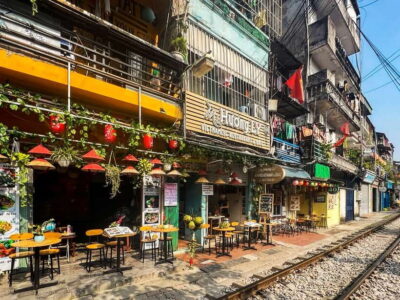

Hanoi Cooking Class: Culture, Local Market & Meaning CSR Impact
Read our review →