
Reviewed · HANOI TOURS
Hanoi – Sapa 2 Days 1 Night Overnight At Homestay
Sapa rewards you with muddy shoes. This two-day trip is interesting because it gets you out of town and into the villages of Y Linh Ho, Lao Chai, Ta Van, Giang Ta Chai, and Su Pan. I like the small group of up to 12 people and the way the package handles the long Hanoi transfers, meals, guide, and homestay in one price. I also like the overnight stay in Ta Van, which gives you more contact with village life than a quick photo stop.
The main drawback is the schedule. You spend about six hours each way on the bus, then walk as much as 5 kilometers on the first afternoon and 8 kilometers the next morning. Weather can bring fog, rain, and slippery paths, so this is not a soft countryside outing. The views may be hidden, and some meals and organization may feel basic.
In This Review
- What makes this Sapa trip worth considering
- The long road from Hanoi to Sapa
- Lunch, luggage, and the first Muong Hoa walk
- Ta Van Village and the overnight homestay
- Morning trekking to Giang Ta Chai and Su Pan
- A short afternoon in Sapa town
- What $89 really includes
- Group size, weather, and practical comfort
- Who will enjoy this two-day Sapa trip?
- Should you book this Sapa overnight?
- FAQ
- How long is the Hanoi to Sapa bus ride?
- Where does the tour start in Hanoi?
- Is hotel pickup included?
- Where do you stay overnight?
- Which meals are included?
- Is a cooking class included?
- How much walking is involved?
- How large is the group?
- Can I cancel for a full refund?
What makes this Sapa trip worth considering
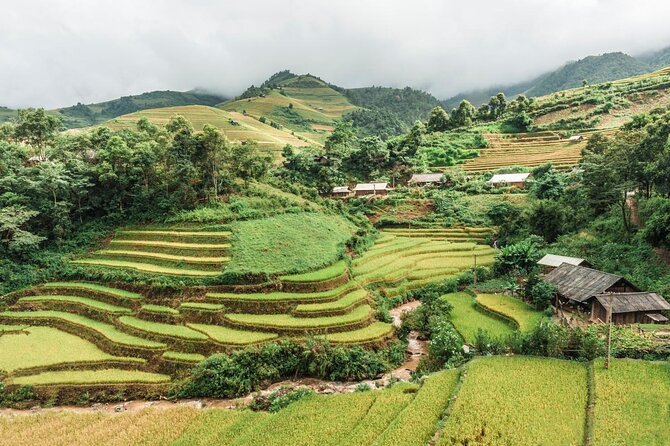
- A real overnight in Ta Van Village: You sleep in a private room at a local homestay rather than returning to a hotel in Sapa.
- Two different trekking days: The first route follows Muong Hoa Valley toward Lao Chai and Ta Van, while the second reaches Giang Ta Chai and Su Pan.
- A cooking class is included: You get a hands-on activity at the homestay, not only a bed for the night.
- The price covers the main costs: At $89 per person, you receive round-trip VIP cabin bus transport, four meals, a local English-speaking guide, and accommodation.
- A compact group helps on the trail: With no more than 12 people, the walking portion should feel more manageable than a large coach excursion.
- Weather matters greatly: Fog and rain can hide Sapa’s famous views and make the paths harder, even when the cultural side of the trip remains rewarding.
The long road from Hanoi to Sapa
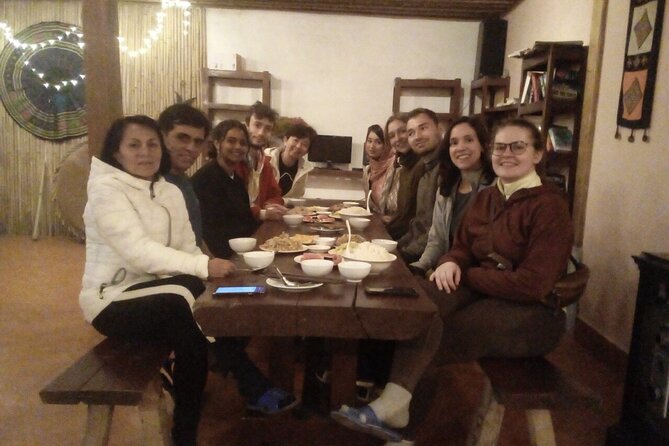
Your morning begins early, with pickup from a hotel in Hanoi’s Old Quarter between 6:15 and 6:30. A shuttle takes you to the G8 Open Tour office on Ly Thai To Street, near Hoan Kiem Lake, where you board the larger bus for Sapa.
The bus journey takes roughly six hours. It includes two bathroom breaks, according to the practical details supplied for the trip. The VIP cabin bus is a useful part of the package, but no guide accompanies you on the Hanoi to Sapa sections. That means you should think of this portion as transport, not a guided tour.
This early start and long ride are the price of fitting Sapa into only two days. You lose much of the first morning to the road, then return late on the second night. The bus is meant to make the connection easier, but this still involves a lot of sitting.
You arrive in Sapa around 1:00 or 1:30 p.m. A smaller transfer vehicle takes you from the bus station to Sapa Retreat Condotel for lunch. You eat at the hotel restaurant before leaving your large luggage in the hotel lounge.
That luggage arrangement matters. You should bring a small overnight bag for Ta Van and leave your main bag behind. Carrying a full suitcase along village paths would quickly turn a scenic walk into a test of character.
A few more Hanoi runs to compare on price
- Sapa 2 Days 1 Night From Hanoi – Overnight in Ta Van Village
★ 5.0 · 2,669 reviews - Hanoi Motorbike Tours Led By Women: Hanoi By Night Foodie Motorbike Tours
★ 5.0 · 1,734 reviews - From Hanoi: Ha Long – Bai Tu Long Bay 2-Day 1-Night Cruise
★ 4.6 · 1,113 reviews
Lunch, luggage, and the first Muong Hoa walk
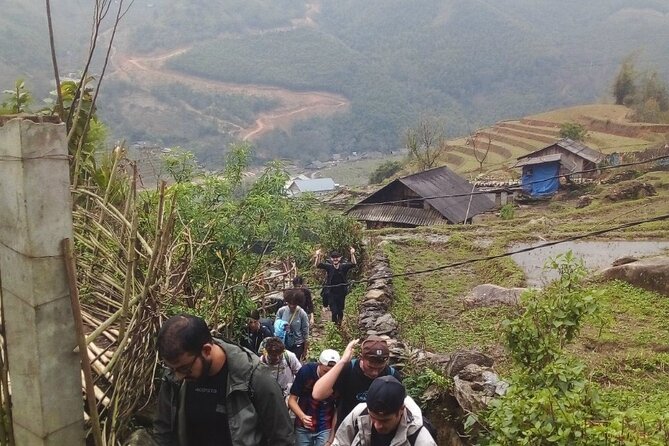
After lunch, the local guide leads the group toward the southeast of Sapa and into Muong Hoa Valley. The first trek covers about 5 kilometers and takes around two hours, although the full afternoon includes the approach to Lao Chai and time in the village.
Muong Hoa is the visual heart of the first day. You walk along slopes above the valley, with village communities spread through the area. The route is more valuable for its changing views and contact with daily village life than for any single monument.
At about 4:00 p.m., you reach Lao Chai, a village and commune about 8 kilometers from central Sapa. This is a useful point in the walk because you are no longer simply looking at mountain scenery from town. You are moving through the communities that make the Sapa area special.
The conditions can change the experience. Clear weather may bring broad valley views, while heavy fog can reduce visibility to a short stretch of path. Rain can also make the ground slick. One practical tip is to wear shoes with good grip and clothing you do not mind getting dirty.
The physical requirement should be taken seriously. The operator asks for a strong level of fitness, and that is reasonable given the two trekking sections. The route is not described as an easy stroll, and the weather can make it harder.
Ta Van Village and the overnight homestay
You reach Ta Van at about 5:30 p.m. The village is associated with sights including Ancient Rock Beach and Cau May, though the supplied schedule does not promise a separate, detailed visit to each one. Treat them as part of the setting rather than guaranteed standalone attractions.
The overnight homestay is the strongest reason to choose this package over a day trip. Staying in Ta Van lets you remain in the village after the day’s walking ends. You are not rushed back to a coach or confined to Sapa town, and you have a chance to see how the evening portion of village life feels.
The accommodation is described as a private room at the homestay, also referred to as a bungalow in the package details. That sounds more personal than a standard hotel, but you should still expect simple village accommodation rather than resort comforts.
The included cooking class adds useful texture to the stay. You get an activity connected to the place where you sleep, and it gives you something to do before dinner. It is a better use of the evening than simply waiting around for the next morning.
Dinner is included, as are breakfast the next day and lunch on both days. Drinks are not included, so keep money available for anything you want beyond the supplied meals. The food is described positively by some people and as mediocre or simple by others, so I would judge the package mainly on the trekking and homestay rather than culinary ambition.
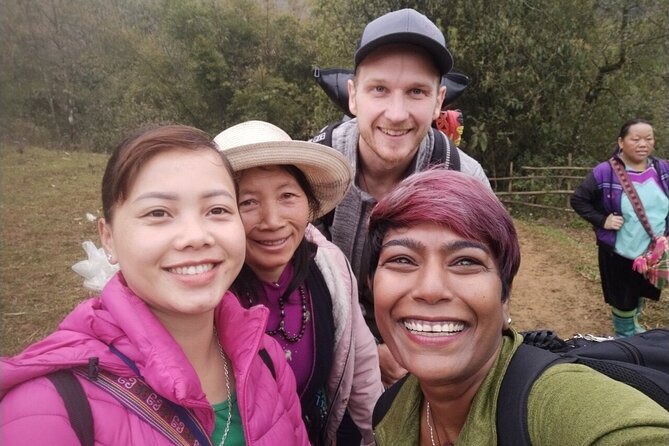
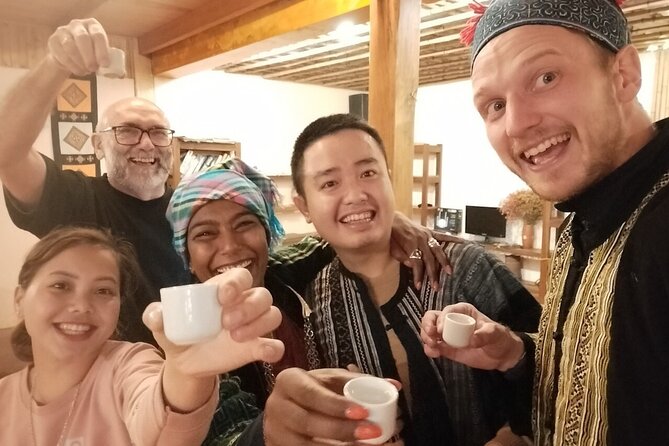
The local guides are a major part of the experience. Mao has been praised for explaining traditional life and her home village, including the culture of the Mung people. Sue has also been warmly described as an entertaining and welcoming host. Guides vary by departure, so you should not assume either person will lead your group, but the strongest part of the trip is likely to be the human explanation along the path.
Morning trekking to Giang Ta Chai and Su Pan
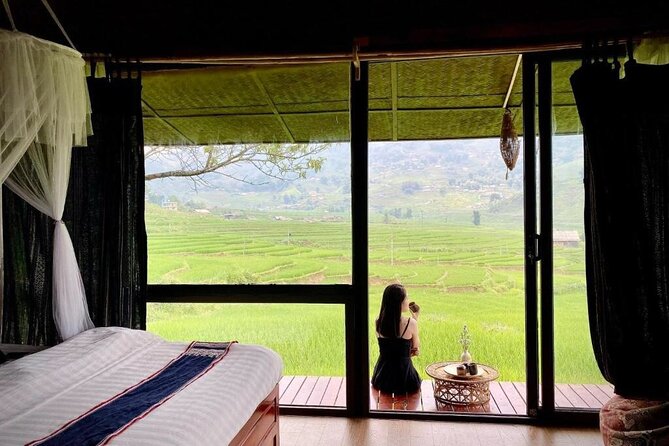
Breakfast runs from 7:00 to 8:30 a.m., followed by checkout. At 9:00, you set out on an approximately 8-kilometer morning trek toward Giang Ta Chai and Su Pan.
This second walk is longer than the first day’s route. It gives you another view of village life and keeps the trip from becoming a simple overnight transfer to Ta Van. The route is scheduled for about five hours, including the movement between villages.
Giang Ta Chai is the first major stop on this morning section. You then continue toward Su Pan, arriving at about 12:30 p.m. for lunch at a local restaurant. The meal is included, and the schedule allows time to rest before returning to Sapa.
This is where the trip’s pace can feel tight. You have already walked the previous afternoon, slept in basic accommodation, and still face a long ride to Hanoi later in the day. If you prefer slow mornings or easy walks, this schedule may feel demanding.
The reward is that you see more than one village area and spend a second day outside central Sapa. The route also gives your guide more time to explain the communities and their way of life. You should expect the walking to be the main event, not a series of long stops with extensive free time.
Same city, a very different kind of morning:
- Hanoi Jeep Tour: Food, Culture and Fun by Vietnam Army Jeep
★ 5.0 · 15,222 reviews - Full-Day Ninh Binh Highlights Tour from Hanoi
★ 5.0 · 7,761 reviews - Hanoi: Ha Long Bay Day Cruise – Swimming, Meal, Kayaking
★ 4.7 · 7,415 reviews - Hanoi: Water Puppet Show Tickets
★ 4.6 · 7,029 reviews
A short afternoon in Sapa town
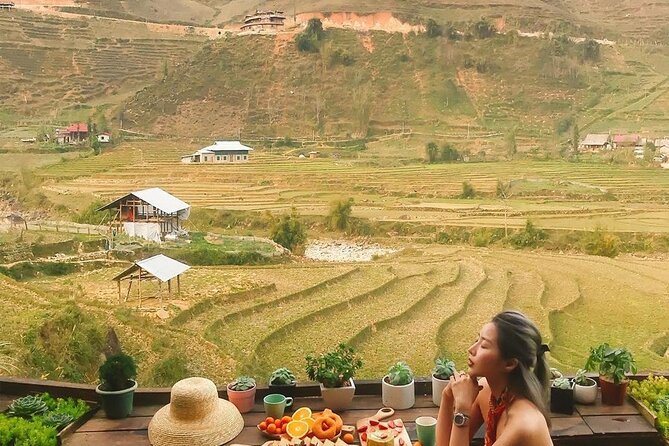
After lunch in Su Pan, a bus returns you to Sapa at around 1:30 p.m. You then have about an hour and a half to explore the town independently.
This free period is brief, but useful. You can get coffee, walk around, or pick up anything you need before the ride back to Hanoi. Since the first day gives you little time in Sapa itself, this is your main chance to see the town rather than the villages.
At 3:15 p.m., you return to the hotel to collect your luggage and prepare for departure. You board the sleeper bus between 3:30 and 4:00 p.m. The bus reaches Hanoi’s Old Quarter around 10:00 to 10:30 p.m.
The return arrangement has one small inconvenience. The bus drops you at the bus station, and you make your own way back to your hotel. Your original Old Quarter pickup is convenient, but the end of the trip is not a door-to-door hotel drop-off.
What $89 really includes
At $89 per person, this is a strong package if you want transport and the core Sapa experience arranged for you. The price includes:
- VIP cabin bus from Hanoi to Sapa and back
- A private room at the Ta Van homestay
- A local English-speaking guide in Sapa
- One breakfast
- Two lunches
- One dinner
- The cooking class
- Local transfers connected with the schedule
You still pay for drinks, personal spending, and anything not listed. There is no guide on the Hanoi to Sapa bus rides, so do not expect continuous commentary from the moment you leave Hanoi.
The value comes from combining several separate costs. If you booked transport, a village homestay, meals, local guiding, and transfers on your own, the total could become harder to predict. Here, the trade-off is a fixed, tightly managed schedule.
I would not book this solely because the price is low. The six-hour bus rides and two demanding walks are central to the deal. You are paying for access and simplicity, not luxury or leisurely pacing.
Group size, weather, and practical comfort
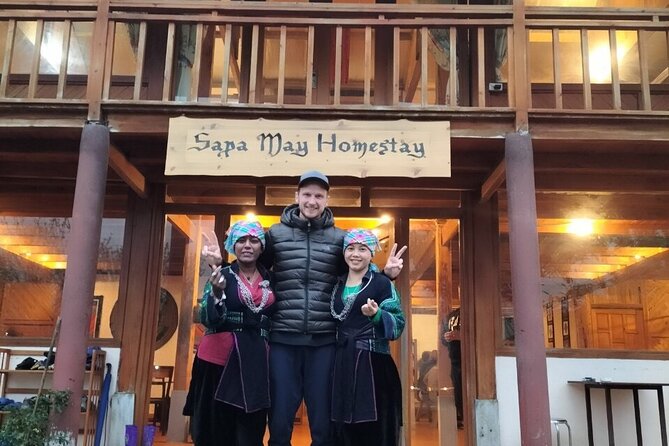
The maximum group size is 12 people. That is small enough for a guide to keep the walking group together and explain things without addressing a crowd. It also means the pace may be influenced by other people in the group, especially on wet or uneven paths.
Weather deserves more attention than it usually gets in a tour description. Fog can arrive heavily and block the views that draw many people to Sapa. Rain can continue throughout the walk, but it does not necessarily cancel the cultural value of the homestay or guide.
Pack for changeable conditions. Bring a small bag for one night, sturdy footwear, rain protection, and enough personal money for drinks. You should also be comfortable carrying your own overnight items during the walking sections.
The tour allows service animals and is near public transportation, but the strong fitness requirement remains important. Nothing in the supplied details suggests that the trekking routes are suitable for anyone who needs a low-effort or fully accessible outing.
Booking confirmation is provided at the time of reservation. The cancellation rule allows a full refund if you cancel at least 24 hours before the start time. Changes or cancellations inside that window are not accepted for a refund.
Who will enjoy this two-day Sapa trip?
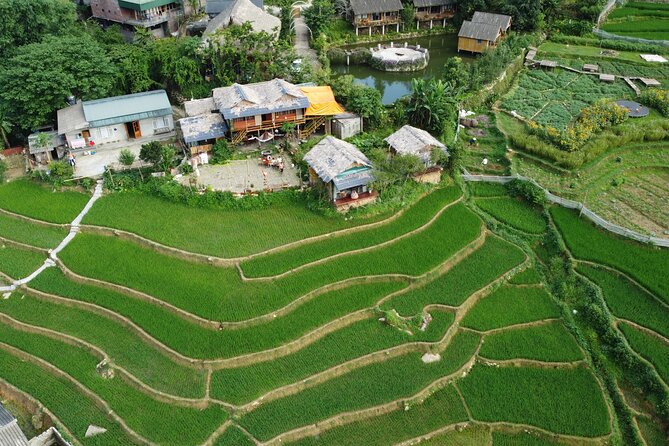
I would recommend it to you if you have limited time in northern Vietnam and want village scenery without arranging every connection yourself. It suits people who enjoy walking, simple accommodation, local food, and a guide who can explain community life along the route.
It is especially useful if Ta Van is your priority. The overnight stay gives you more than a quick stop, and the cooking class adds a small but welcome connection to the homestay.
You may want a different plan if you dislike long bus rides, need a relaxed itinerary, or expect polished hotel standards. The food may be basic, the organization may occasionally feel imperfect, and bad weather can hide the views.
The experience also suits solo visitors and couples who want a small group without paying for a fully private tour. Families should judge the walking ability of each person carefully, since the operator specifically asks for strong fitness.
Should you book this Sapa overnight?
Book it if you want the practical version of Sapa: two village treks, one night in Ta Van, a cooking class, four included meals, and transport from Hanoi for $89. The best parts are the overnight setting, the local guide, and the chance to walk through Y Linh Ho, Lao Chai, Giang Ta Chai, and Su Pan rather than only seeing Sapa town.
Skip it if you want a restful weekend, guaranteed clear views, or a refined homestay and dining experience. Go in with sensible shoes, a small bag, and realistic expectations about the bus time. If you can handle the pace and accept weather as part of the deal, this is a good-value introduction to the village side of Sapa.
FAQ
How long is the Hanoi to Sapa bus ride?
The bus ride takes about six hours each way. The route includes two bathroom breaks.
Where does the tour start in Hanoi?
Pickup begins from hotels in Hanoi’s Old Quarter between 6:15 and 6:30 a.m. You are then taken to the G8 Open Tour office on Ly Thai To Street, Hoan Kiem, to board the main bus.
Is hotel pickup included?
Yes. Pickup is offered from hotels in Hanoi’s Old Quarter. At the end, the bus drops you at a bus station, and you return to your hotel on your own.
Where do you stay overnight?
You stay in a private room at a homestay in Ta Van Village. The accommodation is also described as a bungalow in the package details.
Which meals are included?
The package includes one breakfast, two lunches, and one dinner. Drinks are not included.
Is a cooking class included?
Yes. A cooking class is scheduled at the Ta Van homestay.
How much walking is involved?
The first day includes a trek of about 5 kilometers. The second morning includes an approximately 8-kilometer trek from the homestay toward Giang Ta Chai and Su Pan.
How large is the group?
The maximum group size is 12 people.
Can I cancel for a full refund?
Yes, if you cancel at least 24 hours before the experience begins. Cancellations or changes made less than 24 hours before the start time are not accepted for a refund.
New around Hanoi
- Private LUXURY Hanoi City Full day guided tour★ 4.5 · 21 reviews
- Private transfer between Hanoi and Sapa★ 5.0 · 27 reviews
- Private Transfer Hanoi <=> Mai Chau One Way (Free hotel pickup)★ 5.0 · 22 reviews
- Private Transfers Hanoi <=> Halong One Way (Free Hotel Pickup)★ 5.0 · 31 reviews
- Hanoi Airport See-off (Private Ride from Hotels to Hanoi Airport)★ 4.5 · 70 reviews
- Private Transfer from Ninh Binh to Halong or Halong to Ninh Binh★ 5.0 · 21 reviews
- Thang Long Water Puppet Theater★ 4.5 · 45 reviews
- Private transfer Ninh Binh <=> Halong One Way (Free Hotel Pickup)★ 5.0 · 21 reviews
Hanoi Tours, compared.
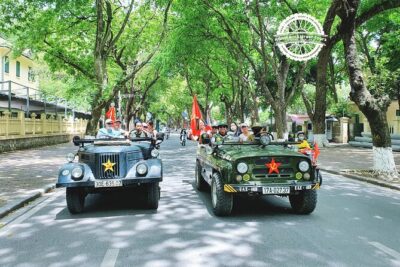
Hanoi Jeep Tour: Food, Culture and Fun by Vietnam Army Jeep
Read our review →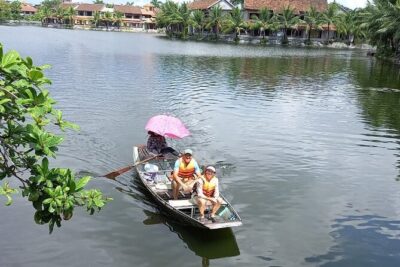
Full-Day Ninh Binh Highlights Tour from Hanoi
Read our review →
Ha Long Bay Day Cruise – Swimming, Meal, Kayaking
Read our review →
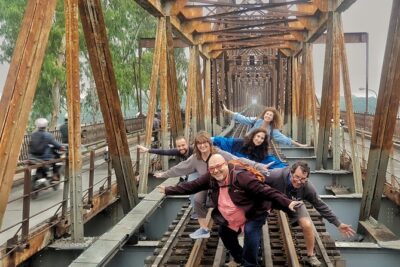
Hanoi Motorbike Tour: Food, Culture and Fun by Vintage Motorbike
Read our review →

Hanoi Cooking Class: Culture, Local Market & Meaning CSR Impact
Read our review →
5 Traditional Dishes Hanoi Cooking Class with Market Trip
Read our review →Browse the lists this tour appears in