
Reviewed · HANOI TOURS
Hanoi- SaPa: 3-Day Homestay Trek to Explore Ethnic cultures
Two nights, four villages, one memorable mountain trek. This three-day Sapa trip gives you rice-terrace views and village paths rather than a quick photo stop. I like the two homestays, which bring you closer to Giay, Red Dzao, and Hmong customs, and I like that local guides such as Su and Sang have helped guests adjust the pace and route.
The main drawback is the transport. The overnight buses can be dirty and uncomfortable, and the early arrival in Sapa is not always handled smoothly. You should also be ready for wet, cold weather, steep paths, and simple homestay conditions.
In This Review
- Key points to know before booking
- What this Sapa homestay trek is really like
- The overnight bus from Hanoi to Sapa
- Day 1: Lao Chai, Y Linh Ho, and Ta Van
- What to expect at the homestays
- Day 2: Bamboo forest, Giang Ta Chai, and Ban Ho
- Day 3: Sunrise in Ban Ho and Nam Tong
- The guides make a major difference
- Food, water, and what to pack
- Is $139 good value?
- Who should book this trek?
- Should you book the Hanoi to Sapa trek?
- FAQ
- Where does the tour start in Hanoi?
- What time does the tour leave Hanoi?
- How long is the bus journey to Sapa?
- What ethnic communities will I visit?
- Are the homestays included?
- Are meals included?
- How large is the group?
- Is the trek suitable for everyone?
Key points to know before booking
- The tour begins at 8:45 PM in Hanoi: Your booked date refers to the evening departure, not the morning you first begin walking.
- Two homestays make the trip special: You sleep in Ta Van and Ban Ho, with meals and time around local families.
- Three ethnic communities feature in the route: You visit Hmong, Giay, and Red Dzao villages.
- The trek is active, not a gentle sightseeing walk: Bamboo forests, rural paths, and changing weather require proper shoes and stamina.
- A small group keeps things personal: The group is limited to 14 people, with an English-speaking guide.
- The $139 price covers most essentials: Transport, guide, two nights, five meals per day on the walking days, and mineral water are included.
What this Sapa homestay trek is really like
This is a useful choice if you want more than Sapa town and its usual viewpoints. The route carries you through villages and countryside where farming, family homes, and local customs are part of the day. The focus is not on museums or formal performances. It is on walking from one community to another and sleeping along the way.
The trip starts and ends in Hanoi, which saves you the trouble of arranging separate transport to northern Vietnam. It also creates a demanding schedule: an overnight bus on the first night, three days in the Sapa area, and another bus back to Hanoi on the final afternoon.
I would describe the experience as active cultural travel with basic comfort. The homestays are generally clean and suitable, but they are not a substitute for a private hotel room. Some hosts speak little English, so your guide matters a great deal.
A few more Hanoi runs to compare on price
- Halong Bay Full Day with Kayaking, Hiking viewpoint, Cave – Deluxe To Luxury
★ 5.0 · 884 reviews - From Hanoi: 2-Day Sapa Trekking Trip with Homestay & Meals
★ 4.8 · 704 reviews - Sapa 3 Days 2 Nights Trekking Tour (1 Night In Ta Van Village, 1 Night In Hotel)
★ 5.0 · 699 reviews
The overnight bus from Hanoi to Sapa
You have free time in Hanoi’s Old Quarter before meeting at 30 Hang Muoi, Ly Thai To, Hoan Kiem, at about 8:45 PM. Pickup is available only in the Old Quarter. If you sleep elsewhere in Hanoi, you need to make your own way to the bus station.
The bus reaches Sapa at about 4:00 AM. You can sleep on the bus until 6:00 AM, when you are taken to a boutique hotel for breakfast. This arrangement is practical, since it gives you somewhere to eat and prepare before the trek begins at 9:00 AM.
Still, this is the least polished part of the trip. The overnight bus has been described as dirty and uncomfortable, and the early-morning hotel arrangement can vary. You may be able to freshen up, but do not assume you will receive a private room for resting or changing. One useful piece of advice is to keep a small wash kit, change of clothes, and warm layer in your hand luggage rather than in a large bag.
Once breakfast is finished, you meet the rest of the group and your guide. The group limit of 14 is a good size for narrow village paths and makes it easier to ask questions.
Day 1: Lao Chai, Y Linh Ho, and Ta Van
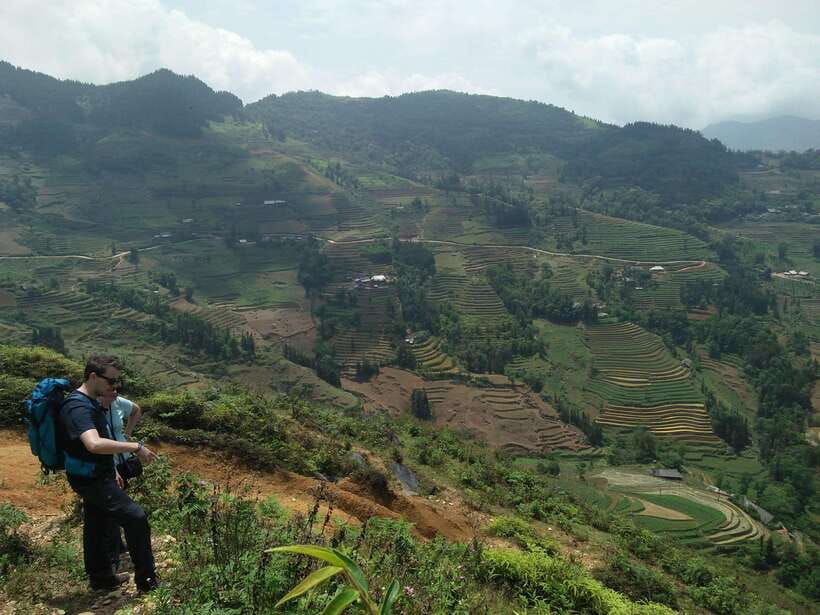
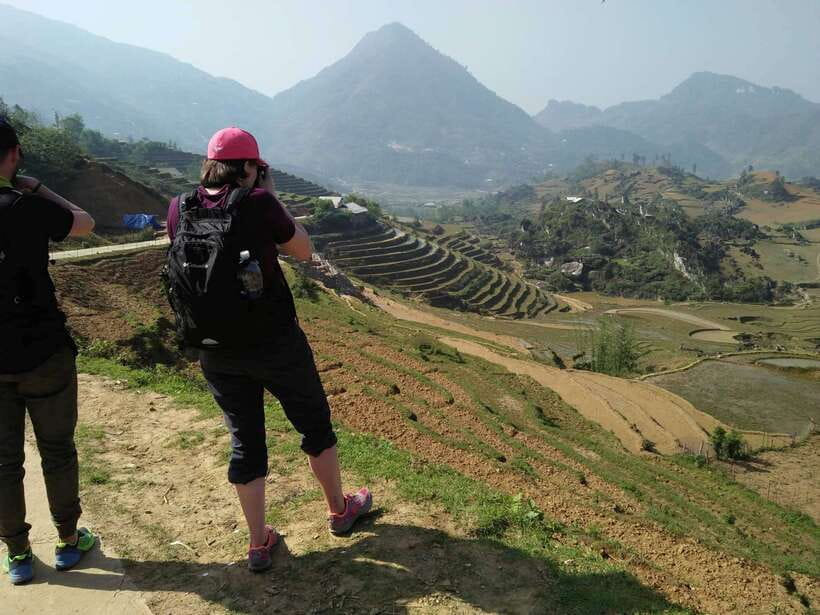
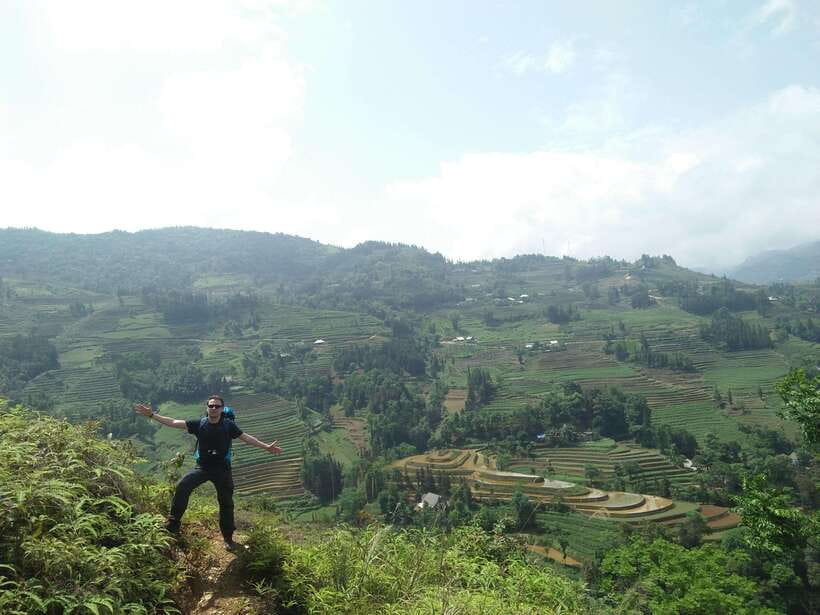
At 9:00 AM, the trek begins from the Sapa area toward Y Linh Ho and Lao Chai. Lao Chai is associated with the Hmong community, and the route gives you the first strong look at the terraced hills and rural life around Sapa.
This is the day when the scenery can be at its most dramatic, but also the day when weather matters most. In cold rain or heavy mist, you may see very little beyond the path in front of you. In clear weather, the terraces and mountain valleys open up for excellent photographs.
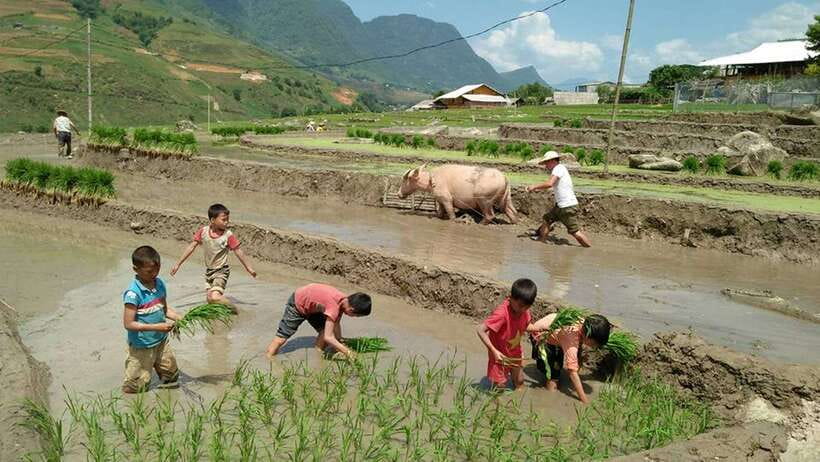
Lunch is served in Lao Chai at a local family home. That matters because the meal is not simply a stop at a standard restaurant. It gives you a chance to see how food and hospitality fit into daily village life. Meals are included, and portions have generally been generous. Drinks beyond the included water cost extra.
After lunch, you continue to Ta Van, home to Giay people. The walk is long enough to feel like a real trek, but the exact difficulty will depend on rain, mud, and your own fitness. The guide may adjust the route or pace when needed. Su, one guide praised for her care and storytelling, has been especially good at responding to individual needs.
In Ta Van, you sleep at a homestay and learn more about Giay customs and local traditions. This is the first night when the trip feels less like a sightseeing tour and more like a stay in a working community. You have dinner at the homestay, then settle into simple accommodation.
What to expect at the homestays
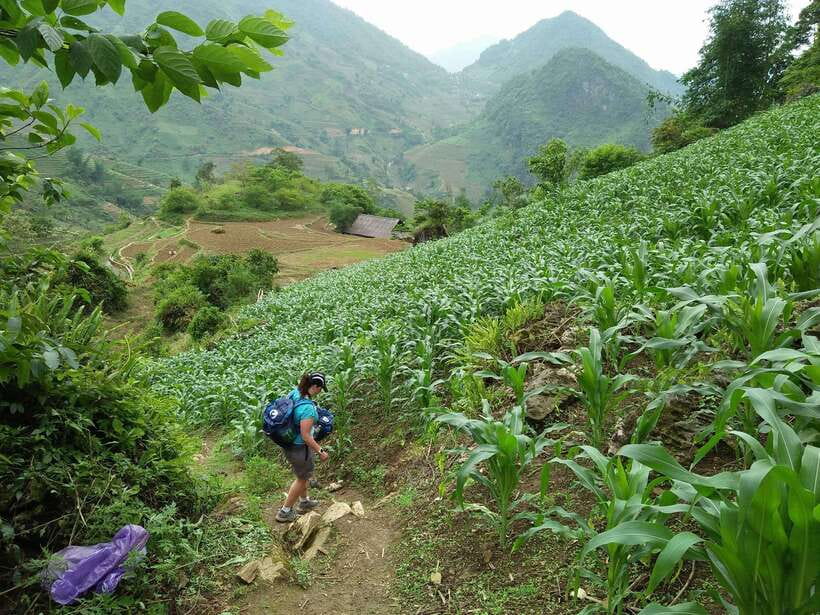
The word homestay can mean different things in Sapa. Here, you should expect a local-style guesthouse rather than a fully private stay inside a family’s living room. The accommodation has been described as clean, suitable, and somewhat like a homey hotel.
That is good news for anyone who wants cultural contact without giving up every basic comfort. At the same time, you should expect shared facilities or simple arrangements, depending on the house. Bring earplugs if you are a light sleeper, though that is sensible advice for any group accommodation.
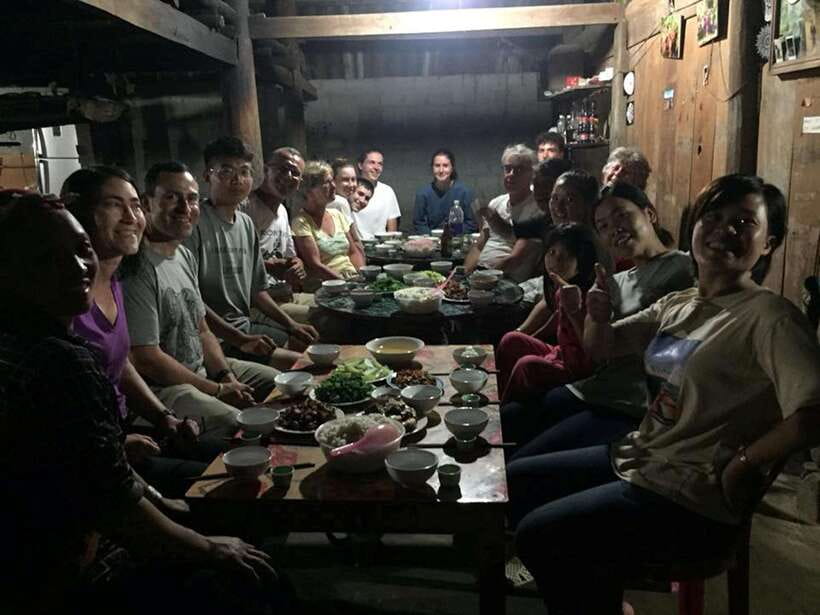
The strongest moments can happen around meals. One host family invited guests into the kitchen to help prepare dinner. Experiences like that are not guaranteed, but the two-night format gives you more time with local hosts than a short village visit would.
Rice wine is commonly offered at village meals, and some families may encourage you to join in. You can politely decline or drink very little. Bottled drinks and extra beverages are not included, so carry some cash in Vietnamese dong.
Same city, a very different kind of morning:
- Hanoi Jeep Tour: Food, Culture and Fun by Vietnam Army Jeep
★ 5.0 · 15,222 reviews - Full-Day Ninh Binh Highlights Tour from Hanoi
★ 5.0 · 7,761 reviews - Hanoi: Ha Long Bay Day Cruise – Swimming, Meal, Kayaking
★ 4.7 · 7,415 reviews - Hanoi: Water Puppet Show Tickets
★ 4.6 · 7,029 reviews
Day 2: Bamboo forest, Giang Ta Chai, and Ban Ho
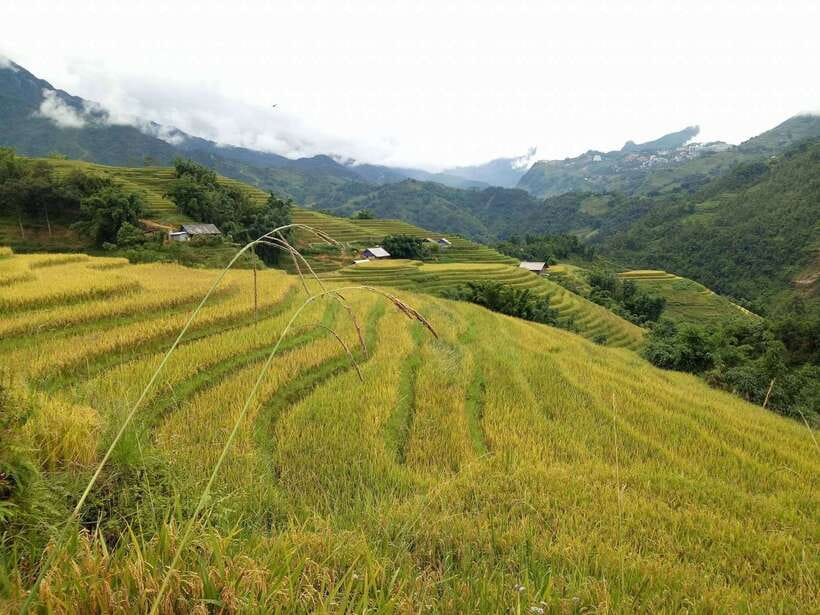
After breakfast at the Ta Van homestay, you leave through bamboo forest toward Giang Ta Chai. This village is associated with the Red Dzao community, giving the second day a different cultural focus from the Hmong and Giay areas visited earlier.
The forest section changes the feel of the walk. Instead of open terraces alone, you move along shaded paths and through countryside. The route includes a visit to Rattan Bridge and a Red Dzao family home. Your guide explains local customs and helps with communication, especially where English is limited.
Lunch is taken along the trail. This keeps the day moving, but it also means you should not expect a long restaurant break. Carry sunscreen, insect repellent, and a refill or spare bottle of water. The included mineral water is helpful, but one bottle may not last through a full walking day in warm conditions.
The trek continues to Ban Ho village. By this point, your legs may be tired, so the free time in Ban Ho is welcome. You can relax or stroll around the village before dinner. The second homestay gives you another chance to see how local families host visitors, and it avoids the feeling that the cultural experience ended after one evening.
This day may be the best balance of walking and village life. You get forest, a bridge, a family visit, rural views, and time to slow down in Ban Ho. If you are not used to hiking, the distance and uneven ground can still be challenging. Comfortable shoes are not optional here. Trekking shoes with a firm grip are the safer choice.
Day 3: Sunrise in Ban Ho and Nam Tong
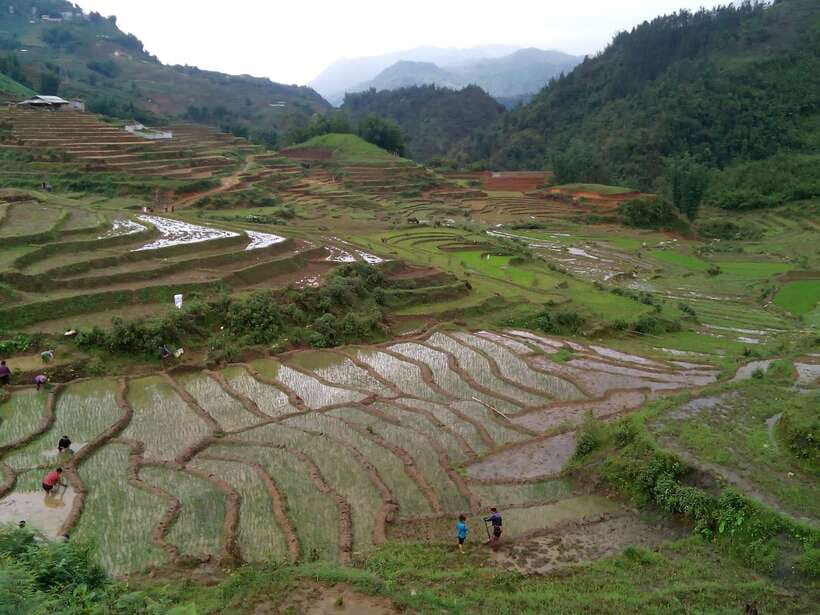
The final morning begins with breakfast and, if the weather cooperates, sunrise over Ban Ho valley. This is a quiet part of the program and a good reason not to rush out of bed. Morning light can change the color of the terraces and hills quickly, so keep your phone or camera ready.
You then take a short trek to Nam Tong village, where Red Dzao people live. The visit focuses on customs and traditions, adding another cultural stop before the return journey. Since this walk is shorter, the day is less demanding than the first two.
A van collects you in Ban Ho and returns you to Sapa. You have time to relax at the hotel before the bus leaves for Hanoi at 4:00 PM. The bus reaches Hanoi at about 10:00 PM, ending the tour at the original meeting point.
This final transfer is useful but not especially scenic or leisurely. If you plan to catch a flight or make an early appointment the next morning, allow for fatigue and possible transport delays. The tour ends late, and you have already spent two nights on the road.
The guides make a major difference
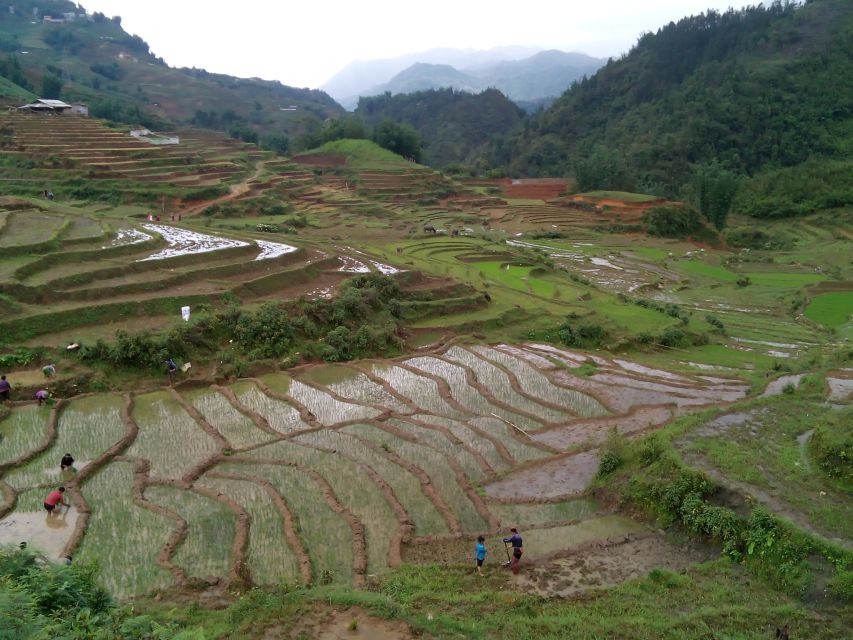
The route is much easier to appreciate with a good local guide. The best guide experience here is not just about finding the path. It is about explaining who lives in each village, answering questions, translating with host families, and noticing when someone needs a slower pace.
Su and Sang have both been praised for being caring, flexible, and attentive. Su has shared stories about local culture and adjusted plans when people were unwell. Sang has also been described as helpful and closely connected to the villages on the route.
Communication will not always be perfect. Some hosts speak little English, and even a guide may not understand every question without phone translation. That is normal for a rural cultural visit, but it is worth knowing before you book. Go with patience, ask short questions, and let the guide interpret rather than expecting detailed conversation with every host.
The small group helps. With no more than 14 people, the guide can keep an eye on the group and explain things without shouting across a large crowd.
Food, water, and what to pack
Breakfast, lunch, and dinner are included according to the schedule: three breakfasts, three lunches, and two dinners. Food has been described as plentiful and enjoyable at both homestays and meal stops. You should still expect Vietnamese home-style food, not a menu designed around foreign preferences.
Beverages are not included. Mineral water is included, but the amount may feel limited if you drink heavily during the trek. Bring extra cash for water, soft drinks, coffee, or rice wine.
Pack light, but prepare for changing conditions:
- Trekking shoes with good grip
- Warm clothes from October through March
- Sunglasses, sun hat, and sunscreen
- Insect repellent
- A small towel and wash kit
- Dry clothes in a waterproof bag
- Cash for drinks and personal expenses
Rain can change the route from easy to slippery. The first day has sometimes been cold and wet, with visibility reduced to about 100 meters. Days two and three can bring much better views, but you should not book this trip expecting perfect weather.
Is $139 good value?
At $139 per person, the price is fair for what is included. You receive round-trip bus transport from Hanoi, an English-speaking guide, two nights of accommodation, three breakfasts, three lunches, two dinners, and mineral water.
If you arranged the transport, meals, guide, and village stays separately, the total cost could easily approach this amount. The main value is convenience: you do not need to coordinate the overnight bus, local transfers, village route, meals, or homestays yourself.
The price does not cover drinks, travel insurance, VAT, or personal spending. There is also a $75 per-person surcharge during Lunar New Year, from January 26 through February 2, 2025. Check the current dates and fee before booking, since holiday arrangements can also affect transport and pickup.
For a short trip from Hanoi, the package offers a lot. The tradeoff is comfort. You are paying for access and local contact, not luxury transport or private rooms.
Who should book this trek?
I would recommend it to you if you enjoy walking, want to see Sapa beyond the town center, and are comfortable with simple accommodation. It suits people who value village contact, local meals, and cultural explanation more than a polished resort experience.
It is less suitable if you need reliable private facilities, dislike overnight buses, or want a relaxed schedule. It is not suitable for pregnant women, children under six, wheelchair users, or people with limited mobility. The trail conditions and walking demands make that restriction sensible.
Respect matters here. Ask before photographing people or homes, follow your guide’s advice, and remember that village families are hosting you in their own communities. A friendly attitude will improve the experience more than expensive gear.
Should you book the Hanoi to Sapa trek?
Book this trip if your priority is two nights of local homestay life, varied village scenery, and a guided walking route through Hmong, Giay, and Red Dzao communities. The guides can be a real strength, and the meals and transport make the $139 cost sensible.
Skip it if you need a comfortable overnight journey or precise, hotel-style service at every stage. The bus and early-morning arrival are genuine weak points. For an active visitor who can handle basic conditions, though, this is a worthwhile way to spend three days in Sapa, especially if you want the rice terraces and village paths rather than only the famous viewpoints.
FAQ
Where does the tour start in Hanoi?
The meeting point is 30 Hang Muoi, Ly Thai To, Hoan Kiem, Hanoi. Pickup is available only from Hanoi’s Old Quarter.
What time does the tour leave Hanoi?
Pickup is around 8:45 PM. The tour date refers to this initial evening departure from Hanoi.
How long is the bus journey to Sapa?
The bus arrives in Sapa at about 4:00 AM. You can sleep on the bus until around 6:00 AM, then go to a boutique hotel for breakfast.
What ethnic communities will I visit?
The route includes Hmong communities around Lao Chai, Giay people in Ta Van, and Red Dzao communities in Giang Ta Chai and Nam Tong.
Are the homestays included?
Yes. Two nights of homestay accommodation are included, one in Ta Van and one in Ban Ho.
Are meals included?
Yes. The package includes three breakfasts, three lunches, and two dinners. Beverages other than the included mineral water are not included.
How large is the group?
The tour is a small-group experience limited to 14 participants, with an English-speaking live guide.
Is the trek suitable for everyone?
No. It is not suitable for pregnant women, children under six, wheelchair users, or people with limited mobility. Comfortable trekking shoes are required, and warm clothes are recommended from October through March.
New around Hanoi
- Private LUXURY Hanoi City Full day guided tour★ 4.5 · 21 reviews
- Private transfer between Hanoi and Sapa★ 5.0 · 27 reviews
- Private Transfer Hanoi <=> Mai Chau One Way (Free hotel pickup)★ 5.0 · 22 reviews
- Private Transfer from Ninh Binh to Halong or Halong to Ninh Binh★ 5.0 · 21 reviews
- Private Transfers Hanoi <=> Halong One Way (Free Hotel Pickup)★ 5.0 · 31 reviews
- Hanoi Airport See-off (Private Ride from Hotels to Hanoi Airport)★ 4.5 · 70 reviews
- Private transfers HALONG <=> SAPA One Way (Free Hotel Pickup)★ 5.0 · 19 reviews
- Thang Long Water Puppet Theater★ 4.5 · 45 reviews
Hanoi Tours, compared.
Hanoi Jeep Tour: Food, Culture and Fun by Vietnam Army Jeep
Read our review →
Full-Day Ninh Binh Highlights Tour from Hanoi
Read our review →
Ha Long Bay Day Cruise – Swimming, Meal, Kayaking
Read our review →
Hanoi Motorbike Tour: Food, Culture and Fun by Vintage Motorbike
Read our review →
Hanoi Cooking Class: Culture, Local Market & Meaning CSR Impact
Read our review →
5 Traditional Dishes Hanoi Cooking Class with Market Trip
Read our review →Browse the lists this tour appears in