

Reviewed · HANOI TOURS
Sapa: 3-Day, 3-Night Trek and Hotel with Overnight Train
Sapa rewards travelers who like to walk. This 3-day, 3-night Sapa trek links the Muong Hoa Valley with Hmong, Zay, and Red Zao villages, combining mountain paths, rice terraces, a village homestay, and an overnight train from Hanoi. I like the way the trip gives you more than a quick Sapa photo stop: you get time in the countryside and a night with the Zay people in Ta Van.
I also like the practical setup. The price includes the train berth, Sapa hotel, homestay, meals, guide, station transfers, and the return limousine to Hanoi. Guides such as Su Su, Ai, Chu, and Mai have been praised for their friendly company and local insight. The main drawback is that the 9-kilometer trekking sections can be hard in rain, fog, or slippery conditions, and local sellers may follow you along parts of the route.
In This Review
- Key points before you book
- What the $212 price really covers
- Night train from Hanoi to Lao Cai
- Day 1: Sin Chai and the first look at Hmong village life
- Day 2: Y Linh Ho, Lao Chai, and Ta Van
- Day 3: Waterfall, rattan bridge, and Red Dao villages
- The village experience and the people you meet
- Food, hotel, and homestay comfort
- Weather, fitness, and what to pack
- Who should choose this Sapa trek?
- Should you book this tour?
- FAQ
- How long does the Sapa trek last?
- Where does the trip begin?
- What time does the overnight train leave Hanoi?
- Where does the train arrive?
- Which villages are included?
- Is the homestay in Ta Van Village?
- Is the train cabin private?
- Are meals included?
- Is the trek suitable for children or people with mobility impairments?
- What should I bring?
Key points before you book
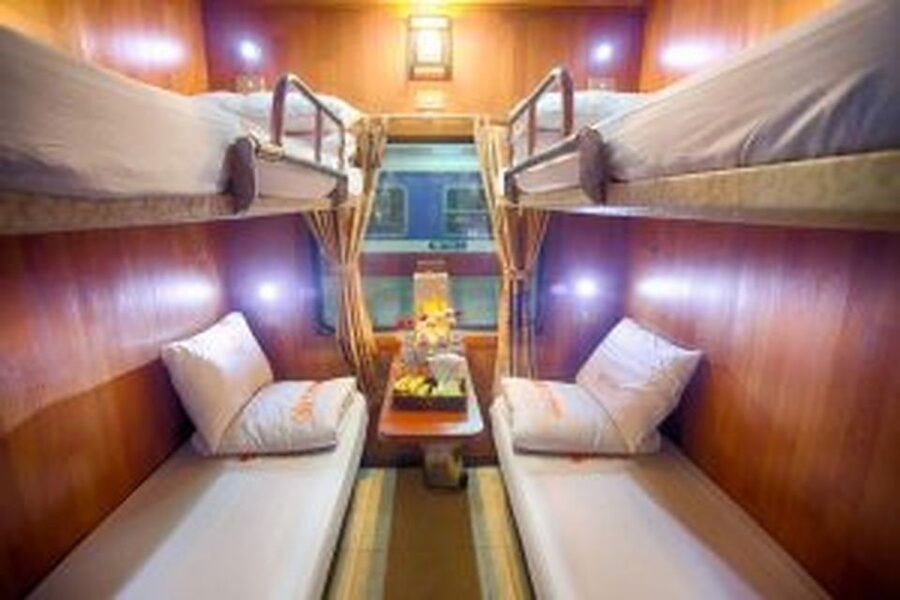
- Overnight train from Hanoi: Sleep in a shared four-bed air-conditioned cabin and arrive near Sapa early in the morning.
- Three ethnic communities: Walk through villages associated with the Black Hmong, Zay, and Red Dao peoples.
- Ta Van homestay: Spend one night in a village setting rather than sleeping only in town.
- Rice terraces and mountain paths: The route runs beside the Muong Hoa Valley and crosses rural paths, bamboo forest, a waterfall, and a rattan bridge.
- Good package value: The $212 price covers transport, accommodation, guides, sightseeing fees, and listed meals.
- Plan for rough edges: Drinks cost extra, train bunks are assigned, and the return arrangement from Hanoi needs careful attention.
What the $212 price really covers
At $212 per person, this is not the cheapest way to see Sapa, but it gathers several costly pieces into one booking. You receive an overnight train from Hanoi to Lao Cai, a shared minibus to Sapa, one night in a three-star central hotel, one night at a Ta Van homestay, all meals listed in the schedule, a guide, sightseeing fees, and a limousine back to Hanoi.
That matters because Sapa sits far enough from Hanoi to make transport a major part of the trip. Booking the train, Lao Cai transfer, hotel, village stay, meals, and hiking guide separately would take more planning. I see the price as fair for someone who wants a ready-made trip with little arranging.
The package is less attractive if you already have a Sapa hotel or prefer to choose your own train berth. Drinks are not included, personal purchases are extra, and one solo traveler may pay a supplement for two nights of private accommodation. The train cabin is shared by four people, and you do not necessarily choose a top or bottom bunk.
The return journey is also worth clarifying before you leave Hanoi. The limousine reaches Hanoi around 8 to 9 PM, but one account describes no included transfer back to the hotel after arrival. If you are staying in the Old Quarter, arrange your final short ride in advance rather than negotiating with drivers while tired.
A few more Hanoi runs to compare on price
- Halong Bay Full Day with Kayaking, Hiking viewpoint, Cave – Deluxe To Luxury
★ 5.0 · 884 reviews - From Hanoi: 2-Day Sapa Trekking Trip with Homestay & Meals
★ 4.8 · 704 reviews - Sapa 3 Days 2 Nights Trekking Tour (1 Night In Ta Van Village, 1 Night In Hotel)
★ 5.0 · 699 reviews
Night train from Hanoi to Lao Cai
The trip begins around 9 PM. You either meet the staff at Hanoi Railway Station or arrange pickup from your hotel in the Old Quarter. At the station, you receive your train tickets, take the elevator to the second floor, and proceed to gate 2A. The train leaves around 10 PM.
The shared cabin has four air-conditioned berths. The sleeping setup can feel surprisingly comfortable, with soft berths and a bed-like arrangement, but the train is still noisy and bumpy. The toilet can be awkward to use, and a top berth may be inconvenient if you have heavy luggage or do not enjoy climbing.
I recommend keeping essentials in a small day bag: water, warm clothes, medicine, earplugs, and anything you need overnight. Your larger luggage goes back to the hotel in Sapa after arrival, so do not pack as if you will have full access to your main bag on the train.
You reach Lao Cai early the next morning, around 6 AM. A shared minibus takes you uphill to Sapa, where you meet the guide and leave your luggage at the hotel. The early start saves daytime, but it also means you may be hiking after a broken night of sleep.
Day 1: Sin Chai and the first look at Hmong village life
After reaching Sapa, you have breakfast at the hotel. Standard check-in is not until 2 PM, so the room may not be ready when you arrive. Early check-in is available only as an added option, making it wise to keep your morning expectations modest.
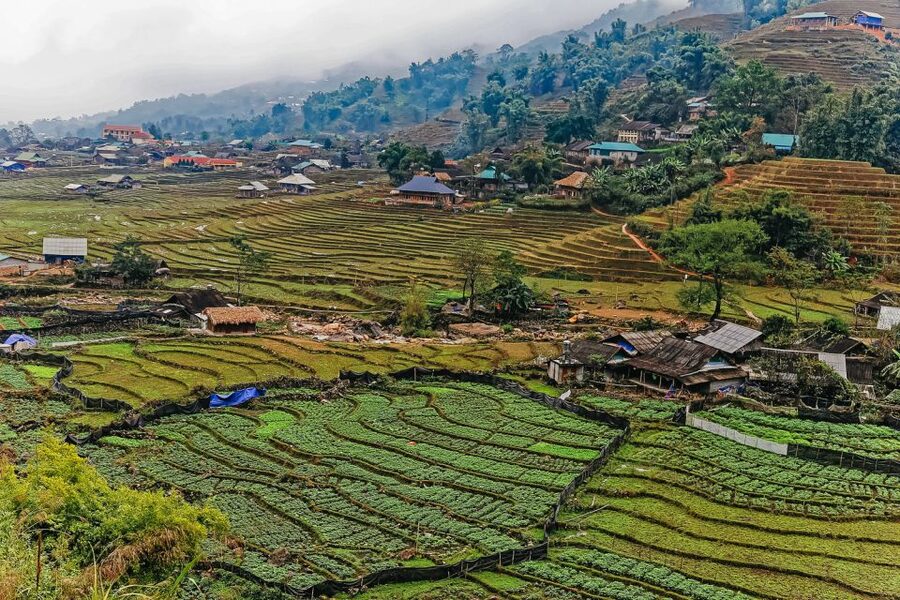
The first walk heads southwest from Sapa toward Sin Chai Village, about 2 kilometers from the town center. This is home to the Black Hmong, and the village is described as simple and rural, with a less polished feel than the central streets of Sapa.
That first walk works as a gentle introduction to the area. You begin to see how quickly Sapa town gives way to highland village life. I like this part because it does not require a long transfer before you reach the countryside. You are already walking from town into a different setting.
The day includes lunch back at the hotel, followed by free time in the afternoon. You can rest after the overnight train or explore Sapa independently. That pause is useful, especially because the more demanding route comes on Day 2.
Dinner is at around 6 PM. In the evening, you can look around Sapa, shop, or try roasted corn and baked eggs cooked beside a charcoal fire. The night is spent at a three-star hotel in the center, which gives you a private base before the village stay.
Day 2: Y Linh Ho, Lao Chai, and Ta Van
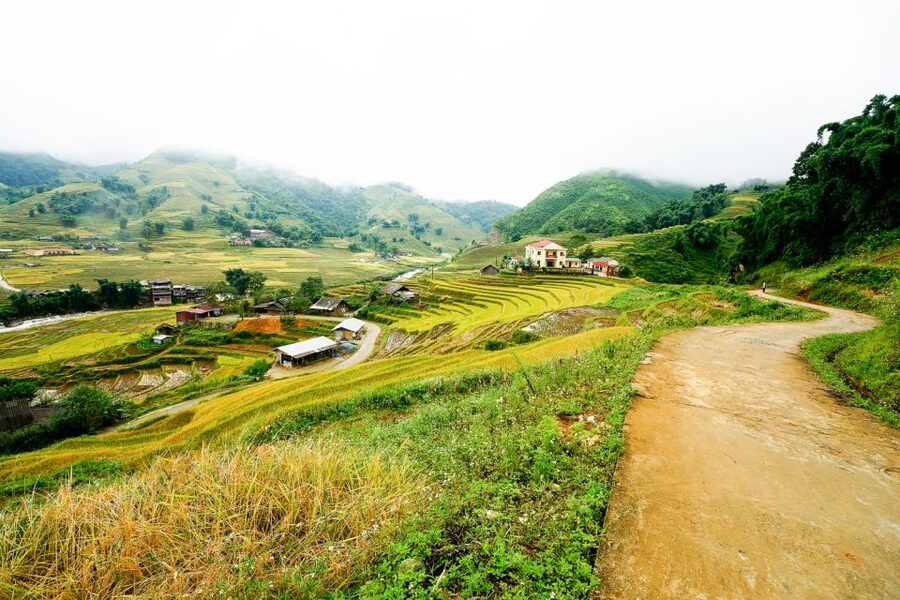
Day 2 is the heart of the walking program. After breakfast, you follow the side of the Muong Hoa Valley toward Y Linh Ho, a village associated with the Black Hmong. The route then continues downhill toward Lao Chai, another Hmong village.
The walking is rewarding because the route connects villages rather than simply dropping you at a viewpoint. You see rice terraces, paths between settlements, and ordinary rural activity. Depending on the month, the appearance of the fields changes. In May, for example, people may be planting rice, and you might have a chance to observe or try the process.
Lao Chai gives you a closer look at daily work. You might see people cutting wood for winter, making traditional clothing, or going about village routines. These small details are more valuable than rushing from one scenic stop to another, and the guide can help explain what you are seeing.
After lunch, you continue through rice fields to Ta Van, home to the Zay minority community. The route can be demanding, particularly after rain. Bring proper trekking shoes, not smooth-soled fashion trainers, and expect mud or uneven ground in wet weather.
Ta Van is the most important overnight stop because you sleep in a local homestay. The accommodation is described as clean and welcoming, with friendly local people and good food. It is not a luxury hotel, and you should choose it for the chance to stay in the village, not for polished facilities.
The homestay also gives the tour a better sense of place. You are not simply passing through Ta Van with a camera before returning to Sapa. You spend the night there, eat dinner, and have a little more time around the community.
Same city, a very different kind of morning:
- Hanoi Jeep Tour: Food, Culture and Fun by Vietnam Army Jeep
★ 5.0 · 15,222 reviews - Full-Day Ninh Binh Highlights Tour from Hanoi
★ 5.0 · 7,761 reviews - Hanoi: Ha Long Bay Day Cruise – Swimming, Meal, Kayaking
★ 4.7 · 7,415 reviews - Hanoi: Water Puppet Show Tickets
★ 4.6 · 7,029 reviews
Day 3: Waterfall, rattan bridge, and Red Dao villages
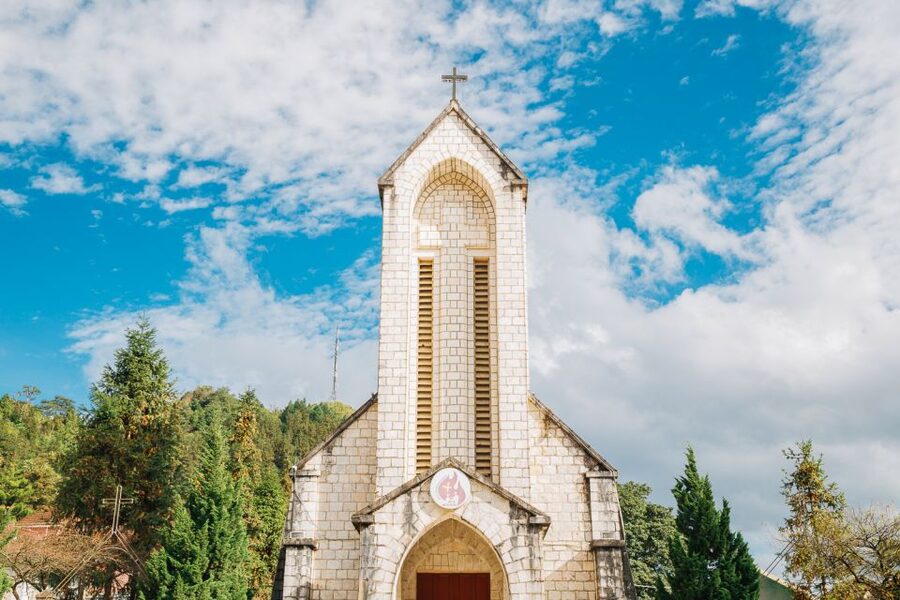
After breakfast at Ta Van, the route continues toward Giang Ta Chai and Su Pan. These stops bring in the Red Dao and Hmong communities, giving the final walking day a different cultural focus.
The route includes a waterfall and a rattan bridge, followed by views through bamboo forest. These features add variety after the rice-field walking of Day 2. The bridge and forest are also the kind of places where sturdy footwear matters most.
You eventually reach the main road and take a vehicle back to Sapa. The schedule allows time to pack and prepare for departure at around 2 PM. That timing gives you a final chance to collect your luggage and reset before the long ride south.
The return to Hanoi is by limousine rather than overnight train. This is a useful upgrade in comfort compared with the train, and the driver may drop you at your hotel. The planned arrival is around 8 to 9 PM, so treat the final day as a travel day rather than a spare afternoon in Hanoi.
The village experience and the people you meet

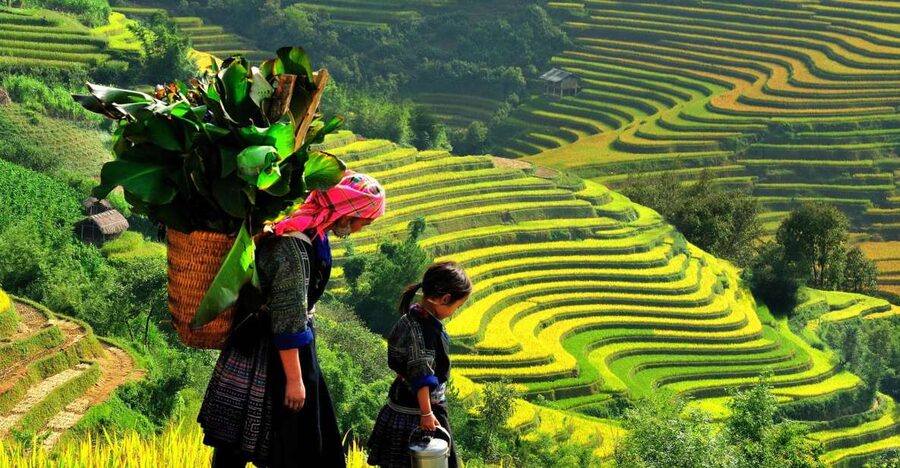
The cultural value of this trip comes from the range of communities along the route. You pass through villages linked with the Black Hmong, Zay, and Red Dao peoples, each with distinct clothing, crafts, and traditions. The tour also includes a visit to a local handicraft center where women gather to share skills.
That visit can help put local craft into context, but it also brings the most persistent sales pressure. Women and children may approach you with handmade items, sometimes following you for part of the walk or asking you to buy at high prices.
The operator advises you to ignore sellers and stay with the guide. In practice, I would suggest a polite but firm response, then keep walking. You can be sympathetic to the need to earn money without feeling obliged to buy every time someone approaches you.
The situation is not necessarily a problem with the guide. Local guides cannot control every person on a public village path, and one guide may not be able to keep an entire group free from sales pitches. If you want a quiet walk, accept that this is part of the Sapa experience and bring patience.
The guides are one of the strongest parts of the trip. Su Su and Ai have been praised for being friendly, talkative, and well informed about the area. Chu is described as warm and helpful, while Mai has been appreciated for allowing time for photographs and stops. A local guide also makes it easier to ask about farming, clothing, homes, and village life without turning the walk into a silent march.
Food, hotel, and homestay comfort
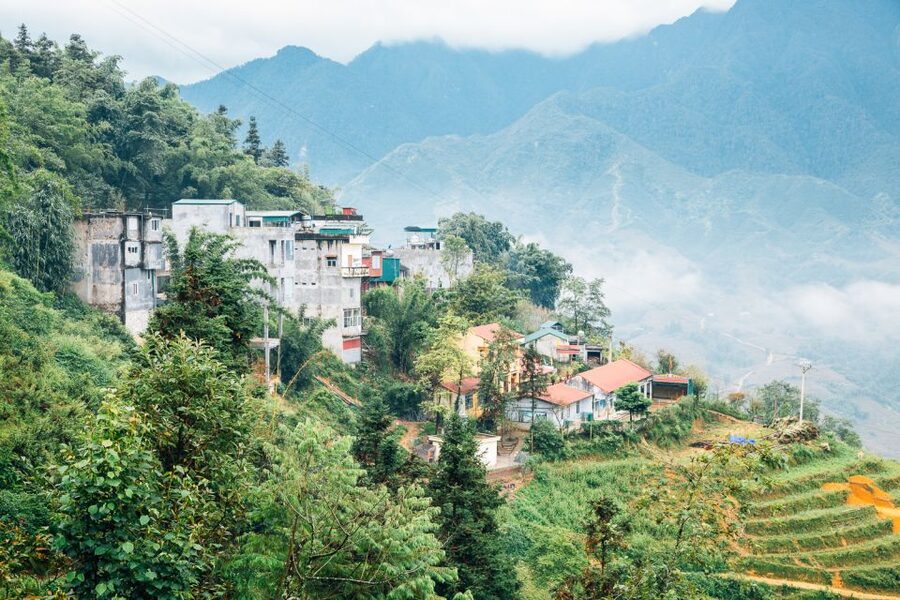
Breakfast, lunch, and dinner are included on the days shown in the schedule. Food has been described as tasty, including meals at the hotel and homestay. Drinks are not included, so carry cash in Vietnamese dong for water, coffee, soft drinks, and other purchases.
The Sapa hotel is a three-star property in the town center. Its location is practical for the evening walk, shopping, dinner, and the next morning’s departure. The room is not guaranteed before 2 PM unless you pay for early check-in.
The Ta Van homestay is a very different experience. Expect a local village stay with simple comfort, shared elements, and a stronger connection to the community. It is clean and friendly according to the available details, but you should not book this trip expecting resort-style privacy.
A solo traveler should ask about the single supplement before confirming. The supplement applies to two nights of accommodation in a three-star hotel and private bungalow, according to the booking information. The exact arrangement should be checked at the time of booking.
Weather, fitness, and what to pack
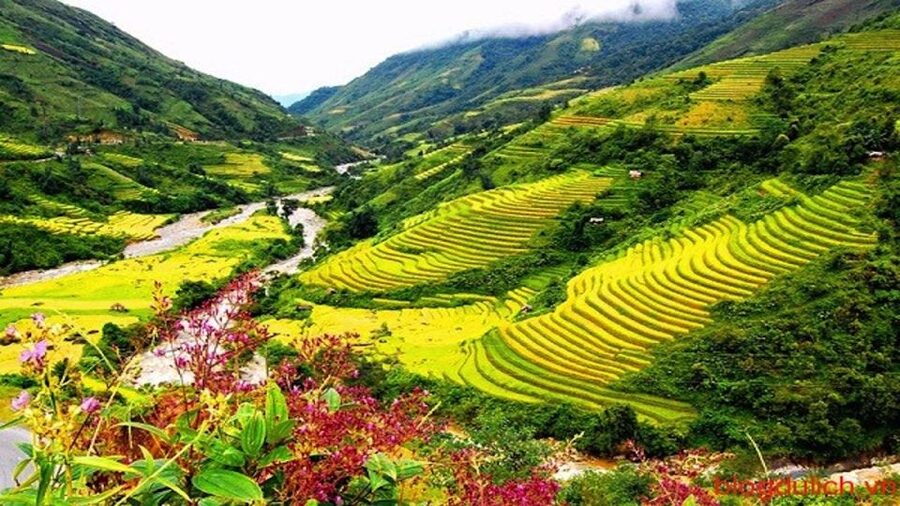
Sapa weather changes quickly. From September through March, it is normally cold, and fog can be common in December, January, February, and March. Even in warmer months, mountain conditions can shift during a long walk.
Pack comfortable trekking shoes, warm clothing, a scarf, and a hat or cap. Sunglasses, sunscreen, insect repellent, and personal medicine are also specifically useful. A light waterproof layer would be sensible for a trek that can become tough in heavy showers, although it is not listed among the required items.
The 9-kilometer trek is not recommended for older people or children. The route is also unsuitable for people with mobility impairments and wheelchair users. You do not need to be a serious mountaineer, but you should be comfortable walking for several hours on uneven village paths.
Bring cash in Vietnamese dong because the banking system in Sapa may not work reliably. US dollars, euros, and Australian dollars are also accepted in Sapa, but local currency is more practical for small purchases.
Who should choose this Sapa trek?
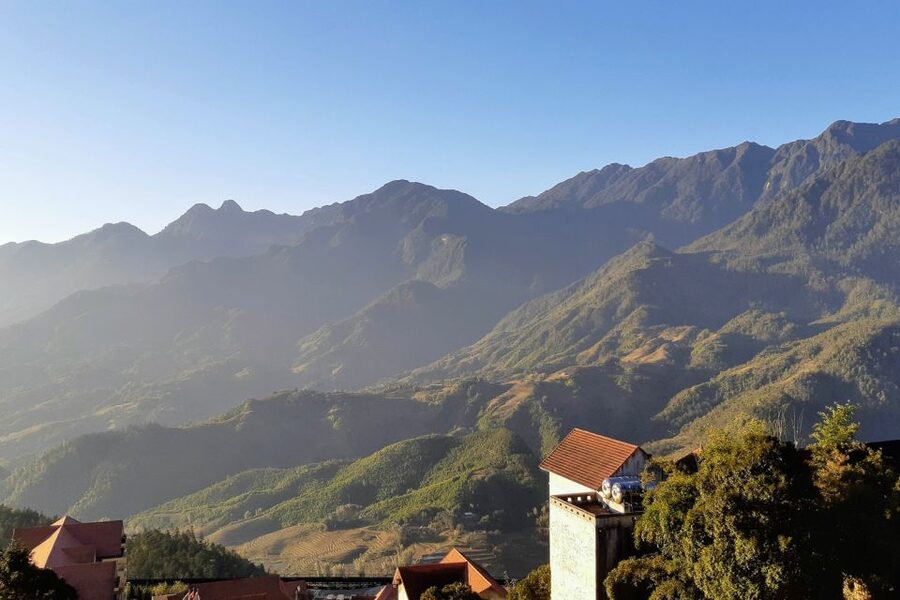
I would choose this experience if you want one organized trip that handles the long journey from Hanoi and gives you time away from central Sapa. It suits people who care more about village walking, local food, rice terraces, and a homestay than about luxury accommodation.
It is also a good fit if you like having a guide but still want time for photographs and rest. The small walking groups praised by some participants can make the route feel more personal, though group arrangements may vary.
I would hesitate if you dislike overnight trains, shared cabins, sales approaches, muddy paths, or early starts. Families with young children and anyone with limited mobility should choose a different Sapa plan. Solo visitors should also confirm the supplement and meeting details, since one solo participant found the changing guides and meeting points confusing.
Should you book this tour?
Book it if you want a practical introduction to Sapa with real walking, three ethnic communities, a Ta Van homestay, and transport arranged from Hanoi. The $212 cost is reasonable for the number of inclusions, especially if you would otherwise have to organize the train, hotel, village stay, meals, and return transport yourself.
Skip it if you want a quiet private retreat or complete control over your room and train berth. Before paying, confirm the solo supplement, early check-in, final Hanoi drop-off, train bunk arrangement, and exactly what your meals include. For most fit adults who accept simple comforts and a little Sapa sales pressure, this is a strong, well-organized way to see the Muong Hoa Valley.
FAQ
How long does the Sapa trek last?
The experience lasts about 3 to 3.5 days, with three nights included in the overall schedule.
Where does the trip begin?
You begin at Hanoi Railway Station, where you meet the staff, collect your tickets, and go to gate 2A on the second floor. Optional pickup is available from hotels in Hanoi’s Old Quarter.
What time does the overnight train leave Hanoi?
The train leaves at about 10 PM. You should be at the station by around 9 PM.
Where does the train arrive?
The overnight train arrives at Lao Cai the next morning. A shared minibus then takes you to Sapa, with arrival and hotel transfer planned around 6 AM.
Which villages are included?
The route includes Sin Chai, Y Linh Ho, Lao Chai, Ta Van, Giang Ta Chai, and Su Pan. The villages are associated with Black Hmong, Zay, Red Dao, and Hmong communities.
Is the homestay in Ta Van Village?
Yes. You spend one night at a homestay in Ta Van Village with the Zay community.
Is the train cabin private?
No. The included train accommodation is a shared four-bed, air-conditioned cabin. The booking information does not guarantee a top or bottom berth.
Are meals included?
Breakfast, lunch, and dinner listed in the schedule are included. Drinks and meals not specifically listed cost extra.
Is the trek suitable for children or people with mobility impairments?
The 9-kilometer trek is not recommended for older people or children. The activity is also not suitable for people with mobility impairments or wheelchair users.
What should I bring?
Bring comfortable trekking shoes, warm clothes, a scarf, a hat or cap, sunglasses, sunscreen, insect repellent, personal medicine, and cash. The weather can be cold or foggy, particularly from September through March.
More 3-Day Experiences in Hanoi
- Amanda Cruise – Ha Long, Lan Ha Bay – All Inclusive 2D1N & 3D2N
★ 5.0 · 4,358 reviews - Hanoi: 3-Day Ninh Binh, Ha Long, & Lan Ha Bay 5-Star Cruise
★ 4.8 · 1,401 reviews - Mon Chéri Cruises 5 star: Amazing 3 days exploring Halong & Cat Ba island
★ 5.0 · 1,280 reviews - Ha Giang Loop 3 days Small group- From Ha Noi
★ 5.0 · 1,114 reviews
More Evening Experiences in Hanoi
- Sapa 2 Days 1 Night From Hanoi – Overnight in Ta Van Village
★ 5.0 · 2,669 reviews - Hanoi Motorbike Tours Led By Women: Hanoi By Night Foodie Motorbike Tours
★ 5.0 · 1,734 reviews - From Hanoi: Ha Long – Bai Tu Long Bay 2-Day 1-Night Cruise
★ 4.6 · 1,113 reviews - Halong Bay Cruise 2 days 1 night from Hanoi included transfer
★ 5.0 · 1,061 reviews
New around Hanoi
- Private LUXURY Hanoi City Full day guided tour★ 4.5 · 21 reviews
- Private transfer between Hanoi and Sapa★ 5.0 · 27 reviews
- Private Transfer Hanoi <=> Mai Chau One Way (Free hotel pickup)★ 5.0 · 22 reviews
- Private Transfer from Ninh Binh to Halong or Halong to Ninh Binh★ 5.0 · 21 reviews
- Private Transfers Hanoi <=> Halong One Way (Free Hotel Pickup)★ 5.0 · 31 reviews
- Hanoi Airport See-off (Private Ride from Hotels to Hanoi Airport)★ 4.5 · 70 reviews
- Thang Long Water Puppet Theater★ 4.5 · 45 reviews
- Private transfer Ninh Binh <=> Halong One Way (Free Hotel Pickup)★ 5.0 · 21 reviews
Hanoi Tours, compared.
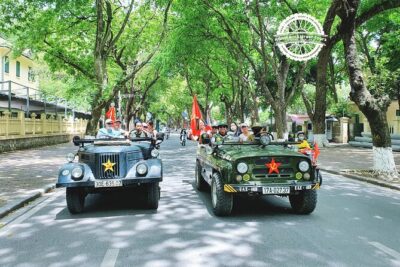
Hanoi Jeep Tour: Food, Culture and Fun by Vietnam Army Jeep
Read our review →
Full-Day Ninh Binh Highlights Tour from Hanoi
Read our review →
Ha Long Bay Day Cruise – Swimming, Meal, Kayaking
Read our review →
Hanoi Motorbike Tour: Food, Culture and Fun by Vintage Motorbike
Read our review →
Hanoi Cooking Class: Culture, Local Market & Meaning CSR Impact
Read our review →
5 Traditional Dishes Hanoi Cooking Class with Market Trip
Read our review →Browse the lists this tour appears in