
Reviewed · HOI AN TOURS
Thanh Ha Village: Pottery Workshop with Locals
Clay tells the story here. Just outside Hoi An, Thanh Ha Pottery Village offers a short, friendly look at a craft shaped by more than 500 years of family tradition. I like the hands-on format, and I like that you leave with a piece you made yourself. The main catch is that the class is brief, and English communication with the craftspeople can be limited.
This is not a formal ceramics course with long lessons on glazing or kiln work. It is a simple local workshop where you shape clay, paint it, and enjoy a few laughs while trying not to collapse your bowl. At $8 per person, it offers strong value, especially for families, couples, and anyone wanting a quick break from Hoi An’s old town.
In This Review
- Key details at a glance
- Leaving Hoi An for Thanh Ha’s pottery lanes
- Inside a family workshop with centuries of skill
- What you actually make in 20 to 30 minutes
- Painting your souvenir and the question of firing
- Wandering beyond the workshop
- Why the $8 price offers good value
- Who will enjoy this most
- Practical advice before you go
- Should you book the Thanh Ha pottery workshop?
- FAQ
- How long does the pottery workshop last?
- How much does the experience cost?
- Is the village entrance fee included?
- Do I need previous pottery experience?
- What do I take home?
- Can I paint my pottery?
- Is the workshop suitable for wheelchair users?
Key details at a glance
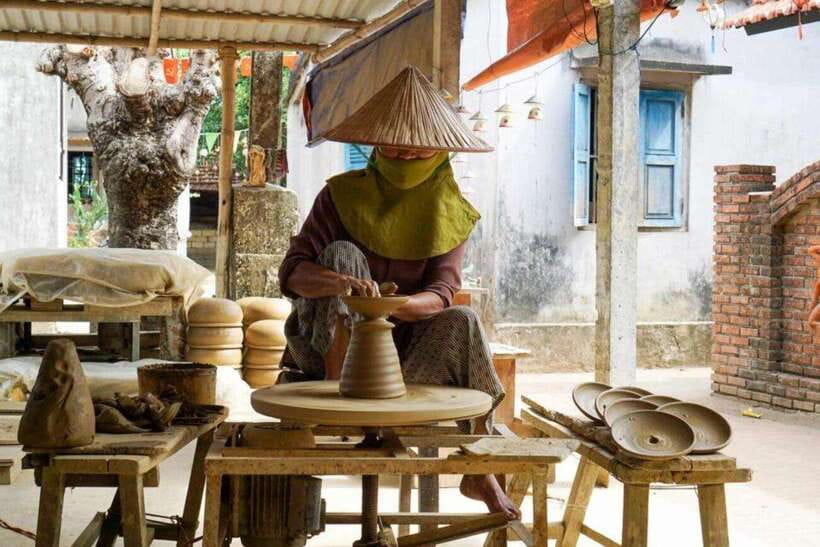
- Five centuries of pottery tradition: Thanh Ha families have made practical household pottery by hand for more than 500 years.
- A real family workshop: You meet local craftspeople at Nguyen Sau Pottery Workshop, near Terra Cotta Homestay and Hostel.
- Hands-on in about 20 minutes: You choose clay, shape an item, and usually paint it before taking it home.
- No experience needed: The instructors guide beginners, though their spoken English is limited.
- A low-cost Hoi An side trip: The workshop costs $8, while the separate village entry ticket costs 35,000 Vietnamese dong.
- Small and personal: Groups may be very small, sometimes only three or four people, which gives you useful one-to-one help.
Leaving Hoi An for Thanh Ha’s pottery lanes
Thanh Ha Pottery Village is only a short ride from Hoi An’s ancient town, but it feels quieter and more residential. That change is part of the appeal. Instead of spending another hour among shops and restaurants, you get a glimpse of a working craft community where clay remains part of daily life.
Your meeting point is Nguyen Sau Pottery Workshop, near Terra Cotta Homestay and Hostel. Finding it can take a little patience. The lanes contain several pottery businesses, and some people may call you toward their own workshop or claim that your booking belongs there. I would keep the workshop name and meeting-point details ready on your phone, then ask directly for Nguyen Sau Pottery Workshop.
The village entrance fee is not included. You need to stop at the ticket counter and pay 35,000 dong per person before entering. That is a small extra cost, but it matters because the advertised $8 price is not the full amount for the outing.
The route from Hoi An is part of the experience. One four-star assessment described the village and the way there as pleasant and relaxing, especially on a rainy day. If the weather turns wet, the workshop gives you a useful indoor activity without requiring a full-day commitment.
A few more Hoi An runs to compare on price
- Hoi An: Vietnamese Coffee Culture and Coffee Making Class
★ 4.9 · 4,006 reviews - Hoi An: Vietnamese Foldable Lantern Making Class
★ 4.9 · 3,742 reviews - Cooking Class Hoi An:Local Market, Basket Boat, Fishing & Cooking
★ 5.0 · 3,660 reviews
Inside a family workshop with centuries of skill
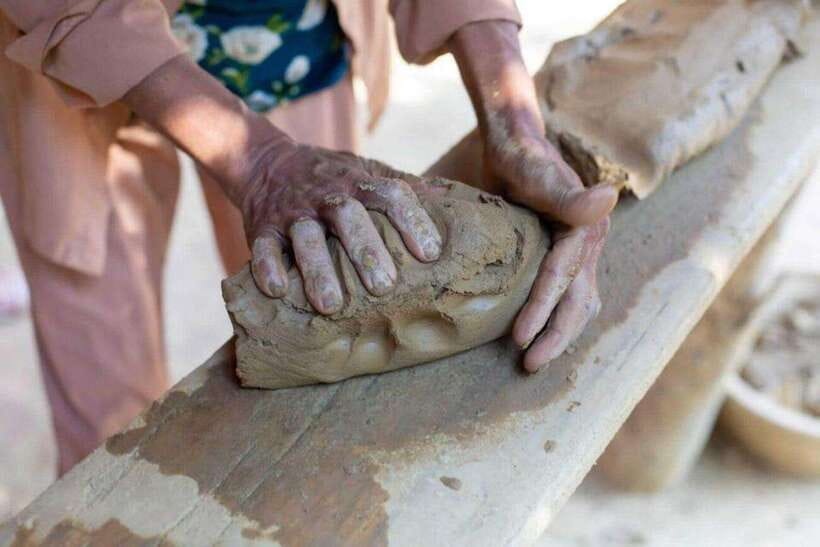
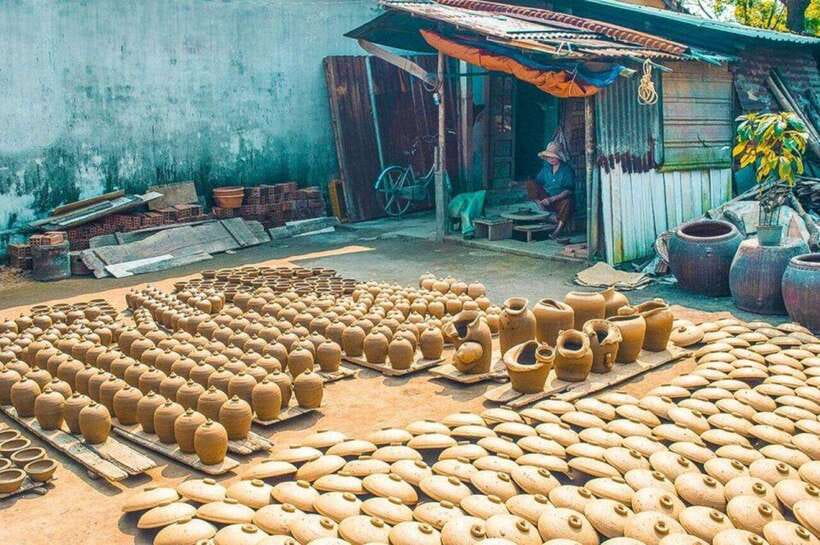
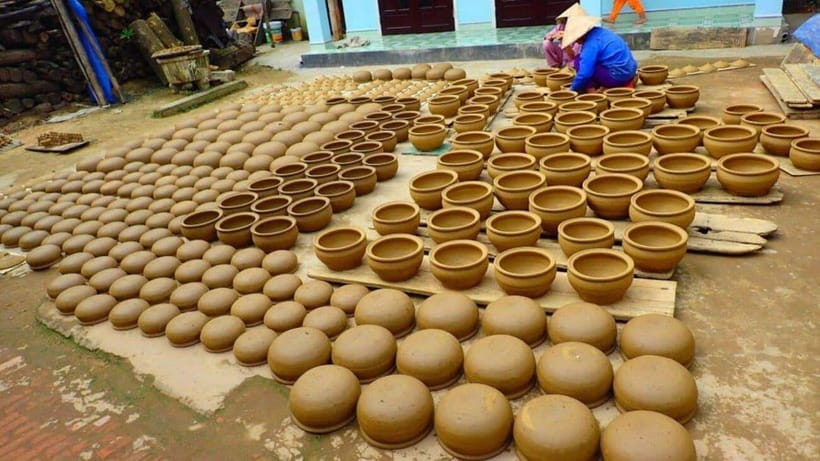
The first part of the visit is less about a formal introduction and more about looking around the craftsman’s place. You can see finished cups, bowls, pots, figures, and other handmade items. These are practical objects, but the hand-built method gives each one small differences in shape and surface.
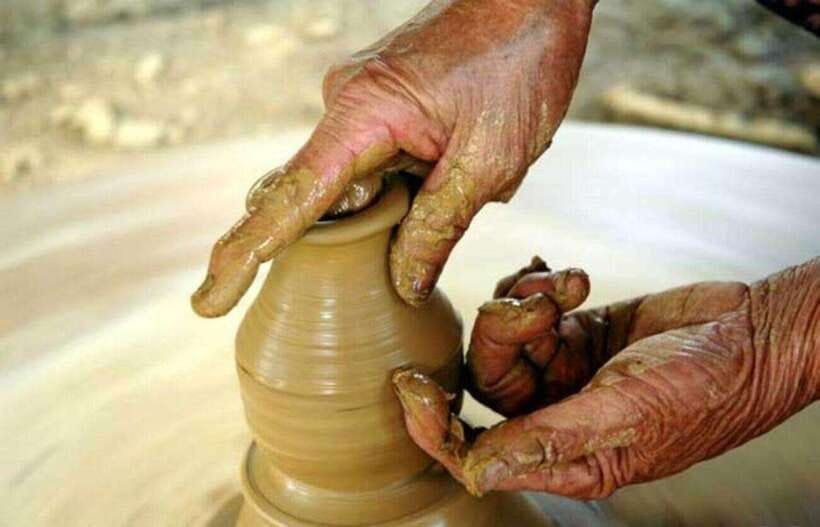
Thanh Ha’s traditional method is especially interesting because the pottery is made without molds. Clay is shaped by hand and foot pedal, so the maker controls the form through touch and pressure. That is a very different experience from buying a factory-made souvenir that looks identical to dozens of others.
The local instructor helps you choose the clay and shows you the basic movements. You may work on a small bowl, pot, cup, or another simple form. Some sessions also include small whistle figures, including turtle designs. Making a whistle sounds easy until you try to get the opening and air channel right, so it can become the funniest part of the class.
The craftspeople are described as patient, kind, and generous with their time. Sau and his family are specifically praised for making the activity friendly and easygoing, while Emma and her family have also helped visitors with practical problems outside the class. These details matter because the workshop depends as much on personal warmth as on formal instruction.
English is limited, so do not expect a long talk about clay chemistry or Vietnamese pottery history. Instructions may come through a few English words, gestures, demonstrations, and the universal language of laughter when a pot leans sideways. For this type of short activity, that communication style usually works, but complete beginners should watch carefully and ask for a demonstration when needed.
What you actually make in 20 to 30 minutes
The pottery-making portion is usually around 20 minutes, within an overall activity time of about 30 minutes. In practice, the visit can last 45 minutes to an hour if you make extra pieces, paint slowly, or wait for an item to be fired.
The basic flow is simple:
- You handle and prepare the clay.
- The instructor demonstrates how to shape it.
- You make one item, often a bowl or small pot.
- You paint or decorate it.
- You take home the included handmade souvenir.
The workshop is designed for quick enjoyment, not technical mastery. You will not come away ready to produce professional tableware, and you should not expect a detailed glazing lesson. One four-star assessment specifically pointed out that the piece could not be glazed for regular use. Think of your creation as a personal keepsake rather than a dependable kitchen bowl.
That distinction helps set the right expectations. The fun is in making the object, not in producing a perfectly finished ceramic vessel. The instructors can repair or tidy a beginner’s work, which is helpful when your vase starts looking more like a lopsided sculpture.
You may also be able to make more than one item for an additional charge. Several sessions included two pieces, such as a pot and a whistle, and some people paid to decorate extra pottery. Ask about the cost before adding anything. One four-star account noted that the staff sometimes encouraged the purchase of additional items or extra pieces to paint. This is not necessarily a problem, but you should know what is included and what is optional.
Painting your souvenir and the question of firing
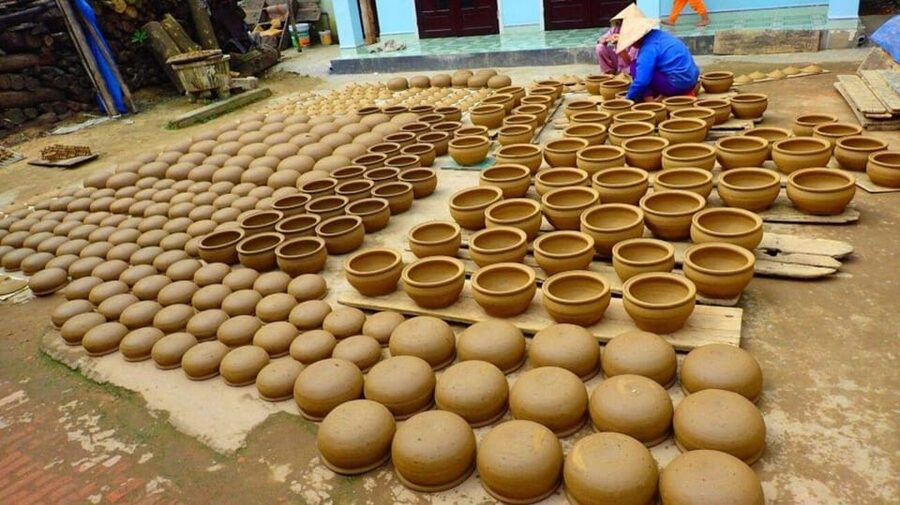
Painting gives the activity a satisfying finish. Once the shape is made, you can add color and personal details rather than simply receiving a plain lump of clay. Families often appreciate this part because younger children can take ownership of their piece even if their shaping technique is still developing.
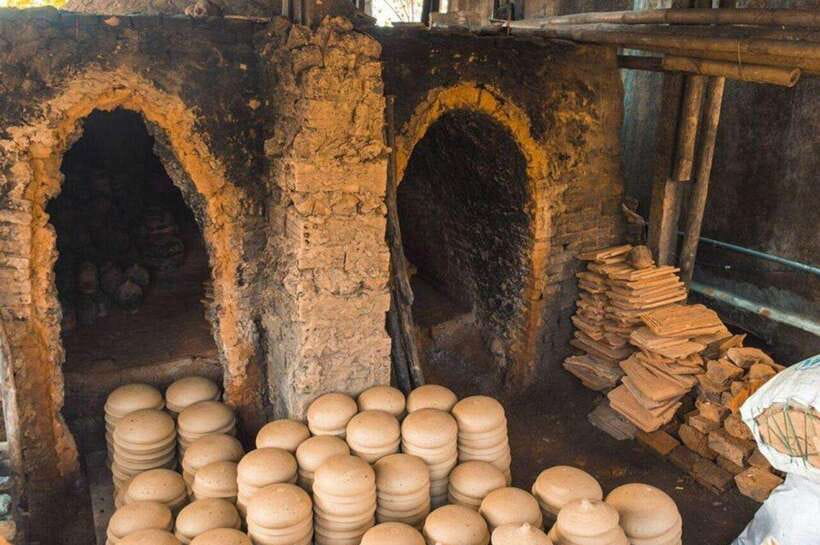
The included pottery souvenir is yours to take home. Some people also had their pieces fired during the visit. One playful description compared the kiln setup to a series of air fryers, which gives you a good sense of the modest, hands-on nature of the workshop.
Do not assume every item will be glazed and kiln-fired to the standard of a professional ceramics studio. The supplied details are clear that this is a simple pottery-making activity. If you want a finished piece suitable for daily use, ask the family exactly how the item will be treated before you make it.
For many people, the unfinished or lightly fired quality is part of the charm. You are not buying a flawless product. You are carrying home a small reminder of a morning or afternoon spent trying something new in a local home workshop.
Same city, a very different kind of morning:
- Hoi An: Basket Boat Ride in the Coconut Forest
★ 4.9 · 4,956 reviews - Hoi An Cooking Class(Market,BasketBoat Crabfishing&Cooking Class)
★ 5.0 · 3,386 reviews - Hoi An: My Son Sanctuary Early Morning w. Champa Food Brunch
★ 4.9 · 2,750 reviews - Hoi An/ Da Nang – Ba Na Hills – Golden Bridge Deluxe Small group
★ 5.0 · 2,613 reviews
Wandering beyond the workshop
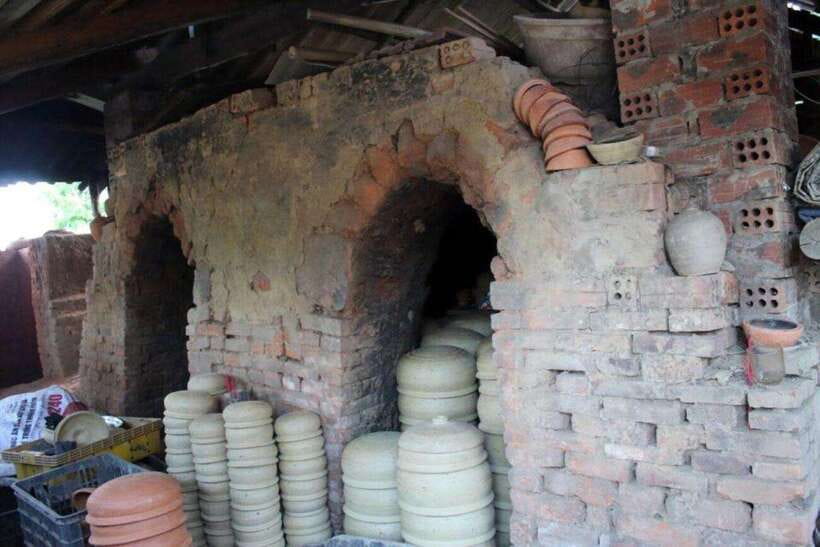
After the class, you can spend time walking around Thanh Ha Pottery Village. The lanes are quieter than Hoi An’s central streets, and the peaceful setting gives the outing more depth than a stand-alone craft demonstration.
The village includes Xuan My Communal House and Nam Dieu Temple. These sites provide a little cultural context and give you somewhere to wander after the clay work. You may also enjoy simply looking at the homes, workshops, and pottery displays without rushing from one scheduled stop to the next.
The village is not presented as a major museum complex. Its value comes from the everyday setting. You see pottery as a living family trade rather than as an exhibit behind glass. That makes the short class feel more connected to the place.
Take your time if you can. The pottery session itself is quick, but the village visit works better when you allow room for a quiet walk. If you rush in, make one bowl, and leave immediately, you miss much of what makes the location special.
Why the $8 price offers good value
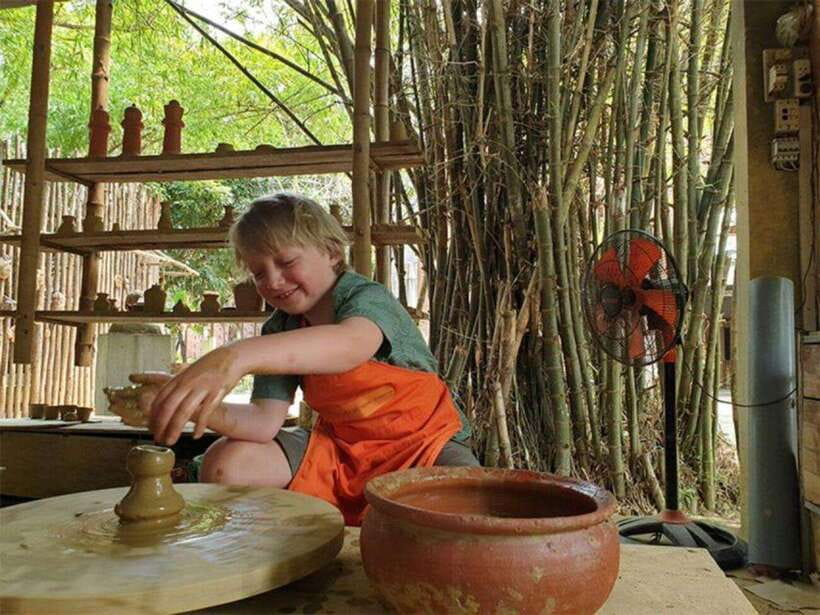
At $8 per person, the workshop is inexpensive by Hoi An activity standards. You receive local instruction, a hands-on pottery session, a small gift, and a piece you make yourself. The separate 35,000 dong entry charge adds to the cost, but the total remains modest.
I see the best value in the personal contact. You are not just looking at finished pottery in a shop. You sit down with a local family, handle the clay, and see how much skill goes into producing an object that looks simple.
The short duration also works in its favor. If you dislike long guided tours, this is a compact activity that fits neatly into a morning or afternoon. One family found it ideal because it offered a quick new skill without a long, drawn-out program. You can combine it with other Hoi An plans instead of giving up an entire day.
The value drops if you expect professional instruction, a large studio, or a guaranteed functional ceramic product. It also drops if you book without checking the meeting point and then lose time finding the correct workshop. I would treat this as a cultural activity with a souvenir, not as a serious pottery course.
Who will enjoy this most
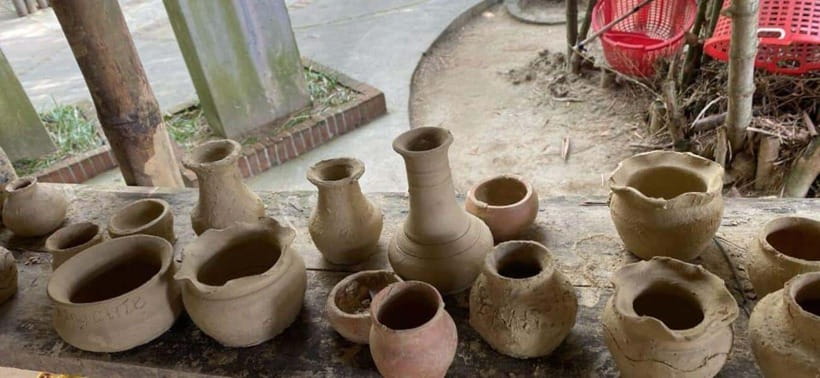
This workshop is a particularly good match for families. Children can shape and paint their own objects, and the simple format keeps the activity manageable. A four-year-old was able to enjoy the pottery setting, and children as well as adults liked making small pieces.
Couples and friends can also have fun here. The clay is difficult enough to create a few laughs, but the instructors remain close enough to help. If you are not naturally artistic, that is fine. One of the pleasures is seeing what happens when your careful plan turns into a crooked pot.
It also suits anyone looking for a slower side of Hoi An. You get away from the old town’s busy lanes and spend time in a traditional craft community. Rainy-day visitors should keep it in mind, since the workshop provides shelter and a creative activity.
I would not choose it if you use a wheelchair or have significant mobility limitations. The experience is not suitable for wheelchair users or people with mobility impairments. The village lanes and workshop setting may also be awkward for anyone who needs a highly accessible environment.
Practical advice before you go
Book only if the online price and flexibility matter to you. The activity allows cancellation up to 24 hours before the start for a full refund, and you can reserve now and pay later. One four-star assessment said that showing up directly could sometimes cost less than booking online, so it is sensible to compare the direct workshop price with the booked price if you are already in Thanh Ha.
You must still pay the village entrance fee separately at the ticket counter. Bring cash for that and for any optional extra pottery or food and drinks, since meals and refreshments are not included.
Allow more than the stated 30 minutes if you want to paint carefully, make more than one object, or explore the village. The pottery class may finish in about 20 minutes, but the whole visit can stretch to an hour.
Keep your expectations realistic about communication. English and Vietnamese are available, but the local craftsman’s English is limited. Watch the demonstration, use simple questions, and do not be shy about copying the movements slowly.
Finally, protect your finished piece during the rest of your trip. A handmade bowl or whistle may be more fragile than it first appears, especially if it has not received a full professional glaze and firing.
Should you book the Thanh Ha pottery workshop?
I would book this experience if you want a low-cost, short, personal activity near Hoi An. The strongest reasons are the family-run setting, the chance to work with clay using a traditional local method, and the souvenir you make yourself. Small groups can make the session feel almost private, and the instructors are consistently described as warm and patient.
I would skip it if you want a serious ceramics lesson, detailed English explanations, or a perfectly glazed piece for everyday use. Also compare the online price with the cost of walking in, and confirm the workshop location before you set off.
For most families, couples, and curious first-time potters, this is an easy choice. You get a taste of Thanh Ha’s craft tradition, a peaceful break from Hoi An’s center, and a crooked little reminder that your hands made something in Vietnam.
FAQ
How long does the pottery workshop last?
The listed duration is 30 minutes, with the pottery-making portion often taking around 20 minutes. You may extend your time if you want to finish or decorate your piece.
How much does the experience cost?
The workshop costs $8 per person. Thanh Ha Village entry is separate and costs 35,000 Vietnamese dong per ticket.
Is the village entrance fee included?
No. You must stop at the village ticket counter and buy the entry ticket separately.
Do I need previous pottery experience?
No. Beginners and all skill levels are welcome, and the local instructor guides you through the basic process.
What do I take home?
You receive a pottery souvenir made by yourself, along with a little gift. Depending on the session, you may also be able to make or purchase extra pieces.
Can I paint my pottery?
Yes. Painting and decorating your piece are part of the activity. Ask about additional charges if you want to paint extra items.
Is the workshop suitable for wheelchair users?
No. The activity is not suitable for wheelchair users or people with mobility impairments.
New around Hoi An
- Snorkeling Cham Island: Snorkeling Tour by Speed Boat★ 3.6 · 26 reviews
- Romantic Sunset Dinner Cruise in Hoi An★ 4.7 · 108 reviews
- Hoi An: Rural Cycling Tour to Village with Basket Boat Ride★ 5.0 · 174 reviews
- Private Car Hoi An to Hue Via Hai Van Pass, Lagoon & More★ 5.0 · 22 reviews
- From Hoi An: Day Tour of My Son Temples and Marble Mountain★ 4.8 · 44 reviews
- Market Tour – Cooking Class – Coconut Boat Riding★ 4.4 · 43 reviews
- Mad Monkey Hoi An Pub Craw★ 4.2 · 25 reviews
- From Hoi An: Marble Mountains and My Son Sanctuary Day Trip★ 4.7 · 209 reviews
Hoi An Tours, compared.


Vietnamese Coffee Culture and Coffee Making Class
Read our review →
Cooking Class Hoi An:Local Market, Basket Boat, Fishing & Cooking
Read our review →
Hoi An Cooking Class(Market,BasketBoat Crabfishing&Cooking Class)
Read our review →
My Son Sanctuary Early Morning w. Champa Food Brunch
Read our review →
Hoi An/ Da Nang – Ba Na Hills – Golden Bridge Deluxe Small group
Read our review →
Market Tour, Basket Boat Ride and Cooking Class
Read our review →Browse the lists this tour appears in