
Reviewed · HOI AN TOURS
Discover Traditional Silk Process in Hoi An Silk Village
Silk begins with a very small worm. This short Hoi An Silk Village visit gives you a clear look at how Vietnam’s traditional silk garments are made, from feeding silkworms to unwinding cocoons and weaving thread into cloth. I like the tour’s hands-on look at old silk-making methods and its useful explanation of how to tell pure silk from imitation fabric. At $11, it also offers good value for a short cultural stop.
I also like that the visit connects silk production with Quang Nam’s mulberry-growing traditions and Champa and Dai Viet textile practices. The main consideration is timing: the tour lasts only 50 minutes, so each stop moves quickly, and the fabric shop may not suit you if you prefer simple prints or a wide range of designs.
In This Review
- Key details before you go
- Why Hoi An Silk Village is worth your time
- A traditional Quang Nam house starts the story
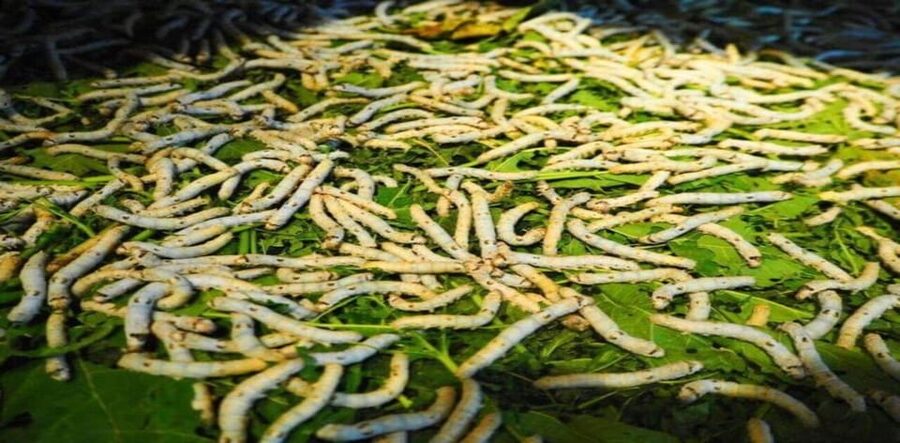
- Mulberry gardens and the silkworm house
- Unraveling cocoons into silk thread
- Champa and Dai Viet weaving traditions
- Comparing pure silk with imitation fabric
- What $11 buys you
- Group size, comfort, and access
- Who will enjoy this silk-making visit
- Practical tips for a better visit
- Should you book Hoi An Silk Village?
- FAQ
- How long does the Hoi An Silk Village tour last?
- What does the $11 price include?
- Where is the meeting point?
- Can I buy silk at the village?
- Is the tour suitable for wheelchair users?
- What should I bring?
Key details before you go
- You follow the whole silk process: The route runs from mulberry garden and silkworm house to cocoon unwinding, spinning, weaving, and finished products.
- The silk extraction is the most striking stop: You can see how thread is removed from cocoons using traditional methods, including the difficult fact that the silkworm dies in the process.
- English guidance is included: Guides such as Thu and Tsu have received especially strong praise for clear explanations and patient answers.
- The visit is short and easy to fit in: At 50 minutes, it works well before or after time in Hoi An’s Old Town.
- Shopping is part of the experience: You can compare pure and fake silk and buy fabric, shirts, or other silk items, though print selection may feel limited.
- Plan for a small, active site: Comfortable shoes and clothes are sensible, while large bags and luggage are not allowed.
Why Hoi An Silk Village is worth your time
Hoi An is known for its lantern-lit streets, old merchant houses, and tailor shops. That can make silk feel like a shopping subject only. This visit gives you the missing piece: you see the work behind the finished shirt, scarf, or dress.
The village preserves traditional silk-weaving methods linked to the Champa and Dai Viet eras. It also protects valuable mulberry varieties used in sericulture, the raising of silkworms for silk. That connection matters because the craft depends on more than a loom. It begins with suitable mulberry plants, healthy silkworms, careful feeding, and skilled handling of cocoons.
I find the experience most useful if you plan to buy silk in Hoi An. After seeing how thread is produced and woven, you have a better basis for judging fabric. You can ask more sensible questions, look at the weave, and understand why handmade silk costs more than a synthetic product.
The visit is not a full-day cultural program. It is a compact introduction. If you expect a large museum or a long workshop, 50 minutes may feel brief. If you want a focused look at one of Central Vietnam’s traditional crafts, the length works well.
A few more Hoi An runs to compare on price
- Hoi An: Basket Boat Ride in the Coconut Forest
★ 4.9 · 4,956 reviews - Hoi An: Vietnamese Coffee Culture and Coffee Making Class
★ 4.9 · 4,006 reviews - Hoi An: Vietnamese Foldable Lantern Making Class
★ 4.9 · 3,742 reviews
A traditional Quang Nam house starts the story
The visit begins with a welcome drink, followed by time in a traditional house from Quang Nam. Here, your guide explains the local story of mulberry growing and craft sericulture.
This opening is useful because it puts silk production in a rural setting. You are not simply shown a modern product and told it is traditional. You first hear how mulberry cultivation supports the entire process. The plant provides food for the silkworms, and the health of those plants affects the quality of the cocoons.
The house also gives the tour a sense of place. Silk-making in Central Vietnam is tied to local knowledge passed through generations, not just to factory production. I would pay attention here, since the explanation helps make sense of the later stops.
The welcome drink is a small touch, but it gives you a moment to settle in. Since the full visit is short, the guide needs to move from background to demonstration without wasting time. Reports from the experience describe staff as apologetic and clear when delays occur, including one delay caused by school groups arriving at the site.
Mulberry gardens and the silkworm house
Next, you visit the old mulberry gardens and the silkworm-breeding house. This is where the process becomes easier to understand. You learn how the plants are cultivated and how the silkworms are fed.
The attraction here is its directness. Instead of seeing only finished cloth, you see the first stage of production. The tour explains how to raise the silkworms and care for them before they form cocoons. That makes this a good stop for families and anyone curious about how a natural fiber begins.
You should expect an active working environment rather than a polished display made only for photographs. The buildings can have limited room, particularly when groups arrive at the same time. One account described a group of only five people, which made it easier to move through the smaller spaces.
This is also the point where the tour’s connection to nature is clearest. Mulberry growing, insect care, and textile work all depend on one another. You see that silk is not just pulled from a cocoon at the end of a production line. It requires a chain of careful steps.
Unraveling cocoons into silk thread
The unraveling house is the practical center of the visit. Here, you learn how silk thread is removed from the cocoon and prepared for weaving.
This can be the most memorable part of the tour because it reveals a process many finished-silk shoppers never consider. The cocoon is made from one long, fine filament. Workers handle the cocoons so the filaments can be drawn out and combined into usable thread.
The method is traditional and visually simple, but the subject is not entirely gentle. The silkworm dies during the process. That fact is presented as part of the craft, and it is worth knowing before you visit. If you prefer not to see animal-based textile production, this is the part to consider carefully.
The demonstration also explains why silk feels and behaves differently from many imitation fabrics. You can see the delicate thread before it becomes cloth. That makes the later comparison between pure and fake silk more meaningful.
This stop may feel fast if you want a detailed technical lesson. Still, the guide can answer questions, and English-speaking guides have been praised for being easy to understand. Thu, in particular, is described as patient and informative, while Tsu has provided an engaging private visit when no other English-speaking participants were present.
Same city, a very different kind of morning:
- Cooking Class Hoi An:Local Market, Basket Boat, Fishing & Cooking
★ 5.0 · 3,660 reviews - Hoi An Cooking Class(Market,BasketBoat Crabfishing&Cooking Class)
★ 5.0 · 3,386 reviews - Hoi An: My Son Sanctuary Early Morning w. Champa Food Brunch
★ 4.9 · 2,750 reviews - Hoi An/ Da Nang – Ba Na Hills – Golden Bridge Deluxe Small group
★ 5.0 · 2,613 reviews
Champa and Dai Viet weaving traditions
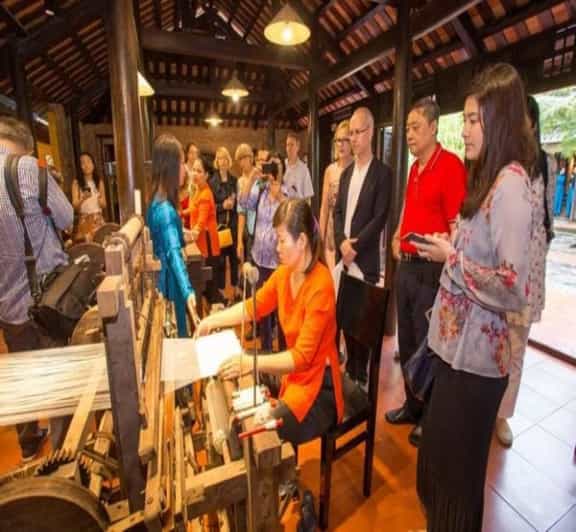
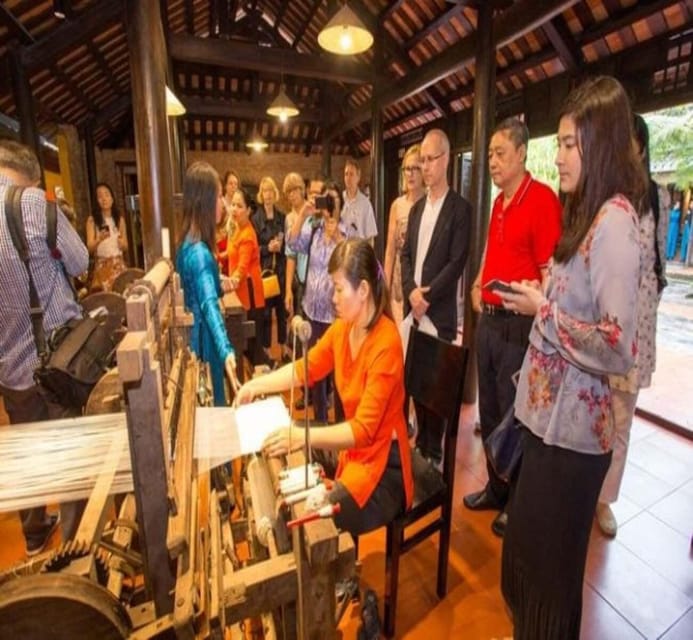
After the cocoon work, the route continues to a traditional silk-weaving house. Here, you see workers turning thread into fabric and learn about Vietnamese textile traditions connected with the Champa people.
The weaving demonstration gives you a better sense of the skill involved. Producing silk is not finished when the thread has been extracted. It must be arranged, controlled, and woven into a stable fabric. The final result depends on the worker’s handling of the loom and the quality of the thread.
This is a strong part of the visit for anyone interested in handmade objects. You get to watch the process rather than only browse products on a shelf. You may also see traditional textile designs and learn how the Champa craft tradition fits into Vietnam’s wider silk culture.
The setting is still compact, so do not expect a large production floor. The experience works best when you take time to watch the hands at work. The movements may look repetitive, but the finished material reflects precision built up through practice.
I also like the historical link here. The tour does not treat silk as an isolated souvenir industry. It connects weaving with the Champa and Dai Viet eras, giving you a little cultural context without turning the visit into a long lecture.
Comparing pure silk with imitation fabric
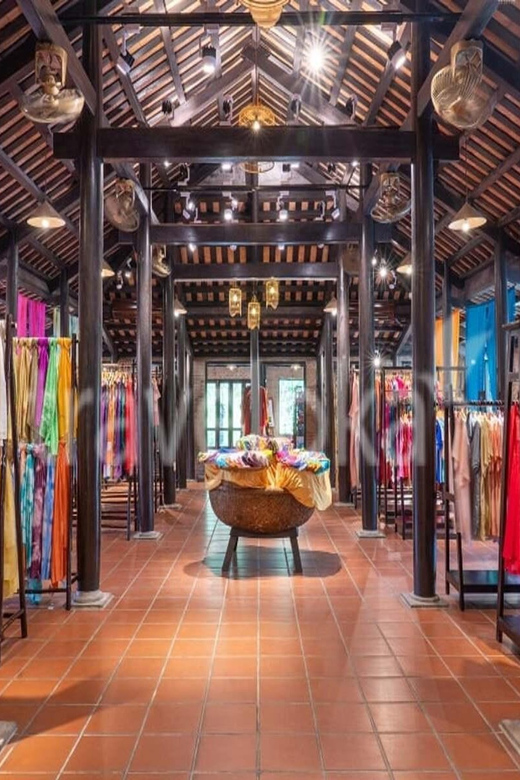
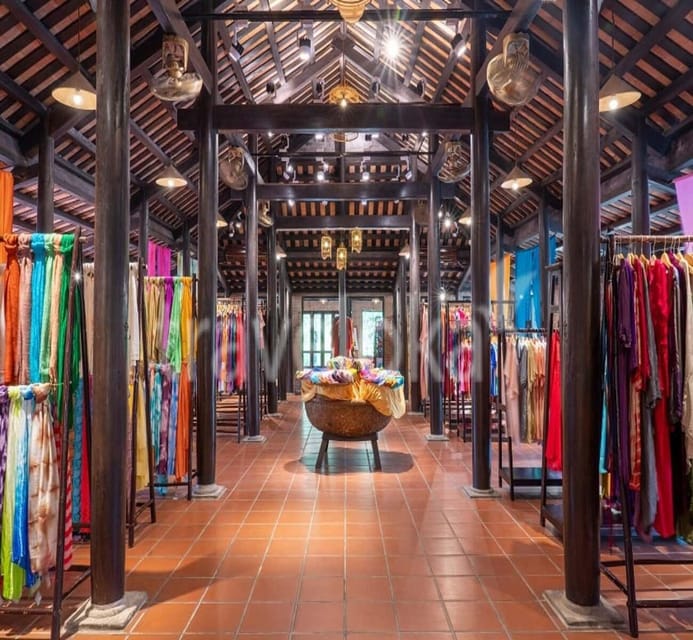
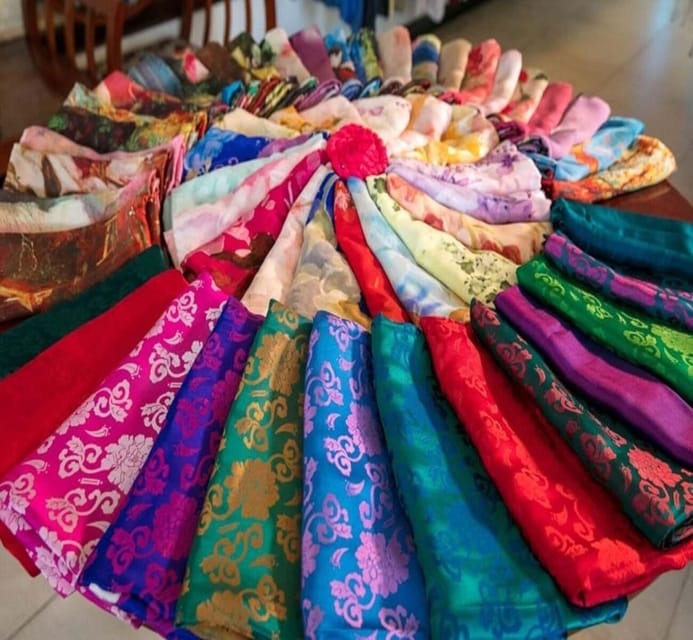
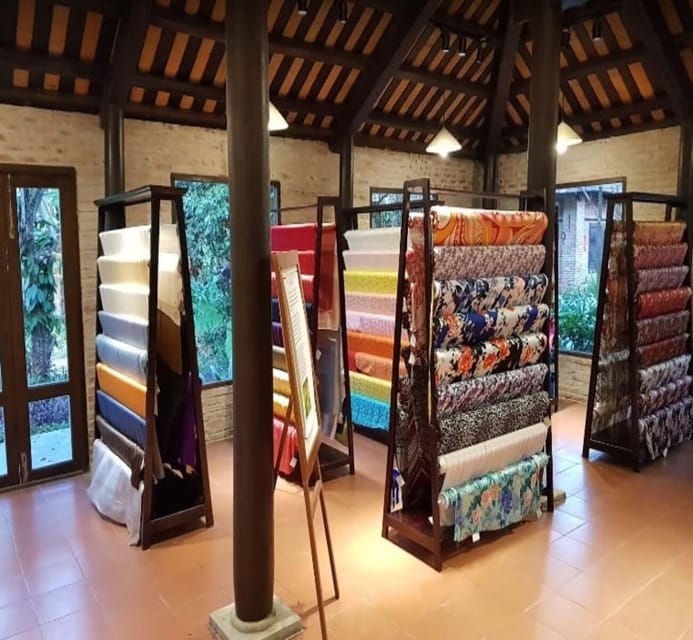
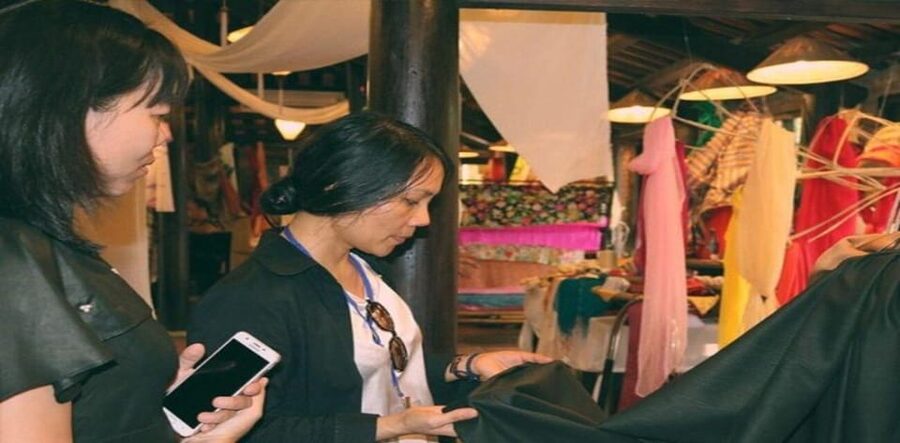
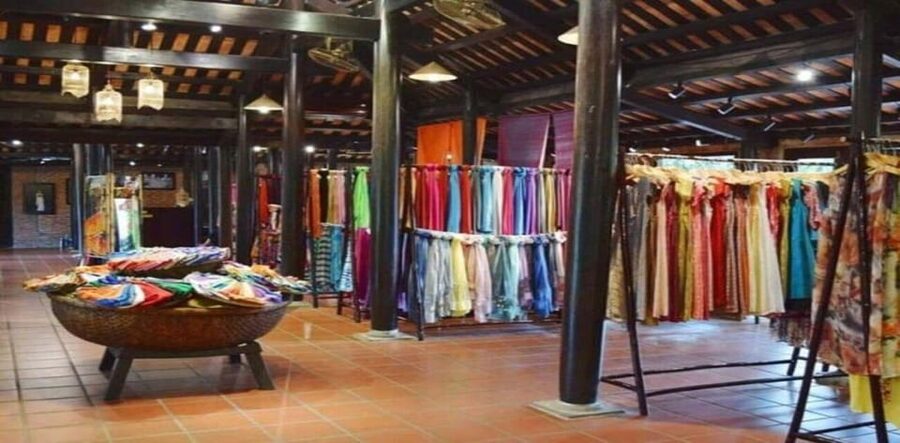
The final stop is the Hoi An Silk Village exhibition. This is where the practical shopping advice arrives. You learn how pure silk differs from fake silk fabric and can look at finished products available for purchase.
That lesson has real value in Hoi An, where tailoring and clothing purchases are common parts of a visit. Silk can look convincing under shop lighting, so understanding the material before buying helps you make a more informed choice. The tour gives you a chance to connect what you saw in the production areas with what you find in the shop.
You can find silk shirts, fabrics, and other items suitable for personal use, gifts, or tailoring. One visitor who had not planned to buy a shirt changed their mind after seeing the extraction process and later purchased one. Another described the silk shirts as good quality and worth the price.
The selection may not satisfy every shopper. If you want bold fashion prints, you might find the combinations too busy, with fewer choices than expected. I would treat the shop as an optional final stop, not the sole reason to book the experience.
You are not required to buy anything. The best approach is to use the exhibition as a practical lesson, then decide if a product feels right for your budget and needs.
What $11 buys you
At $11 per person, the price is reasonable for a guided cultural activity in Hoi An. Your fee includes entrance, an English-speaking guide, and a bottle of water. You receive a structured introduction to several stages of silk production rather than simply entering a shop.
The value is strongest if you are already interested in textiles, local craft, or buying silk clothing. You get background information that can help you judge products later in your trip. The tour also provides a short change of pace from food stops, cycling, and Old Town sightseeing.
The value is less clear if you want a long workshop or the chance to make your own fabric. The tour demonstrates the process, but the information provided does not promise a hands-on weaving session. At 50 minutes, it is an introduction, not a complete course.
Meals and hotel transportation are not included. You need to make your own way to 28 Nguyen Tat Thanh in Hoi An, Quang Nam, and give your name at reception to confirm the booking. That is simple, but remember to allow time for reaching the meeting point.
You can cancel up to 24 hours in advance for a full refund, and the reserve-now, pay-later option keeps your plans flexible. Starting times depend on availability, so check the schedule before you settle on a day.
Group size, comfort, and access
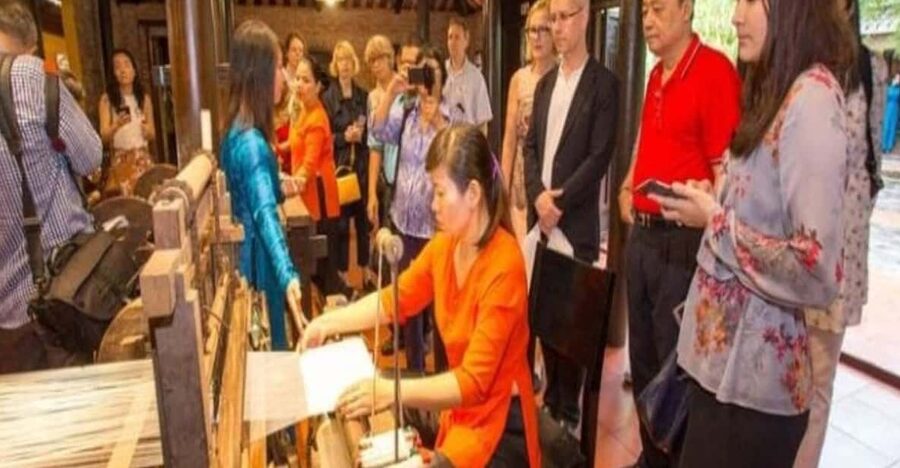
The buildings used for the tour can be tight. Smaller groups make it easier to see the demonstrations and hear the guide. If school groups or other large parties arrive, the pace or starting time may change.
Comfortable shoes and loose, comfortable clothes are the sensible choice. You will move between gardens, houses, and work areas, so this is not the place for stiff formal clothing or heavy luggage.
Large bags and luggage are not allowed. Keep your belongings light and bring only what you need for the short visit. A bottle of water is included, but you may also find a cafe on site if you want a drink before or after the tour.
The experience is not suitable for wheelchair users or people with mobility impairments. The supplied information does not describe the exact surfaces or distances between stops, so you should ask before booking if walking or standing is difficult for you.
Who will enjoy this silk-making visit
I would recommend the tour to you if you want a short cultural activity with a clear beginning and end. It suits first-time visitors to Hoi An who want to understand the silk sold in local shops rather than buying blindly.
It is also a good choice for:
- Anyone interested in traditional crafts and handwoven fabric
- Shoppers planning to buy a silk shirt, scarf, or material for tailoring
- Families who want a simple introduction to farming and textile production
- People with an hour to spare between Hoi An activities
- Visitors who prefer a guided explanation in English
You may want to skip it if you dislike animal-based materials, need step-free access, or expect extensive shopping options. It may also feel too brief if your main aim is to study loom techniques in detail.
The guide makes a real difference. English-speaking staff such as Thu and Tsu have been praised for clear communication and patient answers. If you have questions, ask them early, since 50 minutes passes quickly.
Practical tips for a better visit
Arrive ready to listen and watch rather than shop immediately. The most useful information comes before the exhibition, when you see how mulberry plants, silkworms, cocoons, thread, and woven cloth connect.
Wear comfortable shoes and avoid bringing a large bag. Since transportation is not included, check your route to 28 Nguyen Tat Thanh before the start time.
If you intend to buy silk, wait until after the demonstrations. First compare the thread and fabric you see during the visit. Then examine the products in the exhibition and ask the guide about the difference between pure and imitation silk.
Give yourself a little flexibility in your schedule. School groups can cause delays, even though staff may keep you informed. A short delay is less troublesome if you have not booked another activity immediately afterward.
Should you book Hoi An Silk Village?
Book this tour if you want an affordable, well-organized introduction to Central Vietnam’s silk craft. The combination of mulberry gardens, silkworm care, cocoon extraction, weaving, and fabric comparison gives you more than a basic shop visit.
I would especially choose it before shopping for silk in Hoi An. You will leave with a better idea of how the material is made, what traditional production involves, and why some finished garments cost more than others.
Skip it if mobility is a concern, if you want a long practical workshop, or if you are mainly searching for a large and varied fabric collection. For most visitors with 50 free minutes, though, the price is modest, the subject is genuinely interesting, and the guides add useful context. It is a smart small stop, particularly when you want to see the people and work behind one of Vietnam’s best-known traditional textiles.
FAQ
How long does the Hoi An Silk Village tour last?
The tour lasts 50 minutes. You visit the traditional house, mulberry gardens, silkworm-breeding house, unraveling house, weaving house, and exhibition.
What does the $11 price include?
The price includes an English-speaking guide, entrance fee, and a bottle of water. Meals, personal expenses, and hotel pickup and drop-off are not included.
Where is the meeting point?
The meeting point is 28 Nguyen Tat Thanh, Hoi An, Quang Nam, Vietnam. Give your name at reception as booking confirmation.
Can I buy silk at the village?
Yes. The exhibition has silk products for shopping and tailoring, including silk shirts and fabrics. You can also learn how pure silk differs from fake silk.
Is the tour suitable for wheelchair users?
No. The experience is not suitable for wheelchair users or people with mobility impairments.
What should I bring?
Bring comfortable shoes and comfortable clothes. Large bags and luggage are not allowed.
New around Hoi An
- Snorkeling Cham Island: Snorkeling Tour by Speed Boat★ 3.6 · 26 reviews
- Thanh Ha Village: Pottery Workshop with Locals★ 4.4 · 223 reviews
- Romantic Sunset Dinner Cruise in Hoi An★ 4.7 · 108 reviews
- Hoi An: Rural Cycling Tour to Village with Basket Boat Ride★ 5.0 · 174 reviews
- Private Car Hoi An to Hue Via Hai Van Pass, Lagoon & More★ 5.0 · 22 reviews
- From Hoi An: Day Tour of My Son Temples and Marble Mountain★ 4.8 · 44 reviews
- Market Tour – Cooking Class – Coconut Boat Riding★ 4.4 · 43 reviews
- Mad Monkey Hoi An Pub Craw★ 4.2 · 25 reviews
Hoi An Tours, compared.


Vietnamese Coffee Culture and Coffee Making Class
Read our review →
Cooking Class Hoi An:Local Market, Basket Boat, Fishing & Cooking
Read our review →
Hoi An Cooking Class(Market,BasketBoat Crabfishing&Cooking Class)
Read our review →
My Son Sanctuary Early Morning w. Champa Food Brunch
Read our review →
Hoi An/ Da Nang – Ba Na Hills – Golden Bridge Deluxe Small group
Read our review →
Market Tour, Basket Boat Ride and Cooking Class
Read our review →Browse the lists this tour appears in