
Reviewed · HANOI TOURS
Hanoi Coffee Workshop: Master 6 Signature Vietnamese Coffee
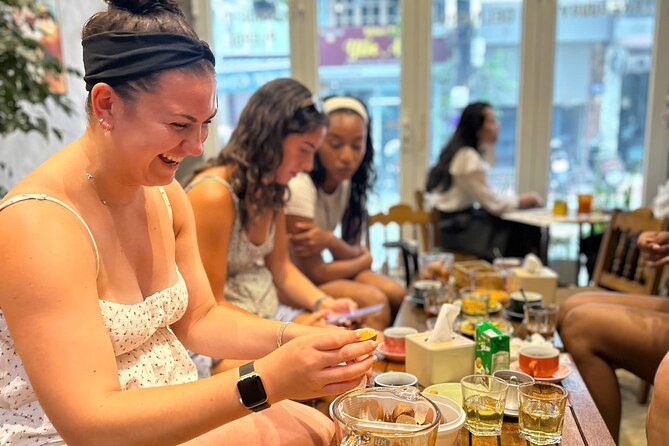
Coffee is one of Hanoi’s best small pleasures. This two-hour workshop makes it practical, social, and tasty, with a maximum of eight people, local instruction, and enough hands-on work to keep you busy. I especially like the chance to make four to six classic coffees and the use of fresh eggs, coconut, and milk rather than pre-made mixes. I also like that the recipes come with home-friendly substitutes, so the lesson does not end when you leave Hanoi.
The main drawback is the meeting point. It has changed during bad weather, and one person found the location difficult to reach during a storm. Allow a little extra time for 34 P. Cầu Đất in the Chương Dương Độ area, and check the details before setting out.
In This Review
- Key points at a glance
- Starting at 34 P. Cầu Đất in Hanoi
- A small bar where you do the work
- Black and brown coffee: the foundation
- Egg coffee: the Hanoi favorite
- White, coconut, and salted coffee
- Local stories behind each cup
- What you take home besides caffeine
- Is $18.20 a fair price?
- Who will enjoy this Hanoi workshop?
- Booking advice and cancellation terms
- Should you book it?
- FAQ
- How long does the Hanoi Coffee Workshop last?
- How many people can join the workshop?
- Which Vietnamese coffees can I make?
- Where does the workshop start and finish?
- Are recipes included?
- What is the cancellation policy?
Key points at a glance
- Small group, maximum eight people: You get direct help instead of watching from the back of a crowded class.
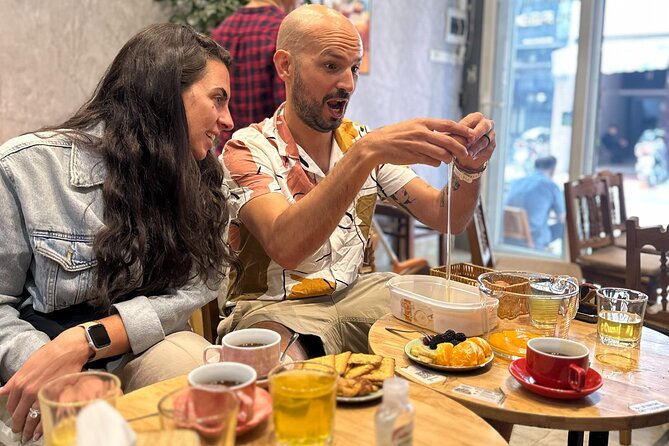
- Six signature styles: Practice black, brown, egg, white, coconut, and salted Vietnamese coffee, with the exact number depending on the session.
- Fresh daily ingredients: Eggs, milk, coconut, and carefully selected Vietnamese specialty coffee are prepared for the class.
- Coffee culture, not just recipes: Local instructors explain how taste, habits, old cafés, and daily life connect.
- Useful home advice: Learn ways to soften bitterness, adjust sweetness, and improve coffee without costly equipment.
- Good-value two-hour format: At $18.20 per person, you get instruction, tastings, recipes, tools, and a personal photo record.
Starting at 34 P. Cầu Đất in Hanoi
The workshop begins at 34 P. Cầu Đất, Chương Dương Độ, in Hoàn Kiếm District. It returns to the same spot, so you do not need to arrange a separate ride at the end or wonder where the class will leave you.
The location is near public transportation, which helps, but the practical warning is worth noting: weather has caused a meeting-point change before. If Hanoi is dealing with heavy rain, confirm the starting details and leave a few extra minutes. A short delay is far less annoying than arriving after the coffee has already started.
The class lasts about two hours. That is long enough to make several drinks, taste them side by side, hear some cultural background, and ask questions, but short enough to fit neatly into a morning or afternoon of sightseeing.
You receive confirmation when you book, and the activity is mobile-ticket friendly. Service animals are allowed, and the space includes a pet-friendly garden area. Tips are not included, so bring a little extra if you feel the instruction deserves it.
A few more Hanoi runs to compare on price
- Hanoi Coffee Experience: 6 Brews, 9 Recipes & 3 Liquor Tastings
★ 5.0 · 2,945 reviews - Hanoi Coffee Workshop: Taste Salt, Coconut and Egg Coffee
★ 5.0 · 1,286 reviews - Hanoi: Salt Coffee Workshop Awake Your Senses With 6 Brews
★ 5.0 · 792 reviews
A small bar where you do the work
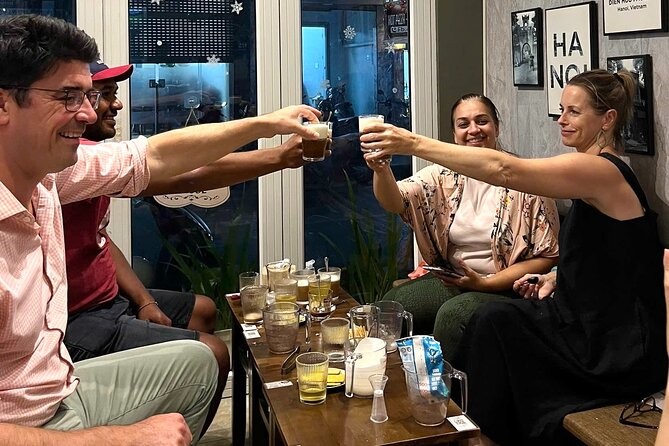
The setting is a lived-in local space rather than a polished demonstration room. Ceramic tools, a working coffee bar, fresh ingredients, air conditioning, sterilized utensils, and a dishwasher all make the class feel both personal and well cared for.
That balance matters. You are not simply handed a prepared drink and told a few facts about Vietnam. You brew, whisk, taste, and make adjustments yourself. The bar is presented as a place to explore, so curious hands are welcome when you want to look more closely at the tools or repeat a step.
With a maximum of eight people, the instructor can give practical help. If your egg foam is too loose or your drink turns out too bitter, you have a reasonable chance of getting advice before moving on. That is a much better setup for a skill-based class than a large group where everyone follows the same motion and hopes for the best.
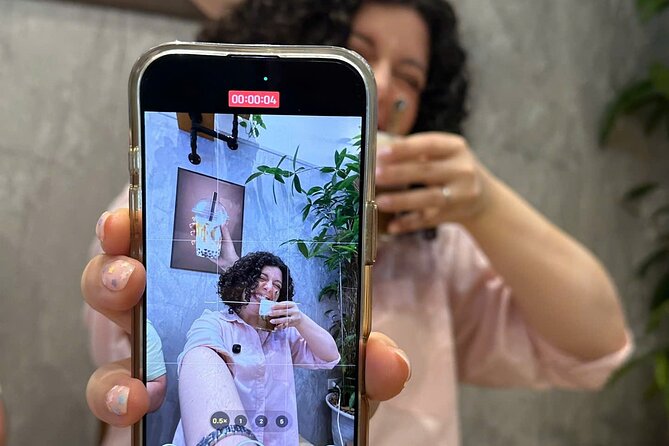
The class also includes photography by the instructor. That gives you a personal record of the session without needing to keep your phone in one hand while trying to whisk with the other.
Black and brown coffee: the foundation
The class begins with the core flavors of Vietnamese coffee. Black coffee gives you the clearest look at the beans and brewing method, while brown coffee adds sweetened milk and shows how a strong brew can become rounder and easier to drink.
Vietnamese coffee is known for a bold profile, and the workshop focuses on how locals balance that strength. You learn that sweetness is not the only answer to bitterness. Brewing control, ingredient amounts, and the way you taste the drink all affect the final result.
The lesson is not presented as a rigid formula. You can make your coffee sweeter or bolder while keeping the basic character of the style. That personal adjustment is one of the class’s strongest features, especially if you and your friends prefer very different cups.
The beans come from Vietnam’s Central Highlands. They are selected according to seasonal harvests, so the coffee may change during the year. The useful point for you is that the class treats coffee as an agricultural product with changing flavor, not as a fixed ingredient that tastes exactly the same in every month.
Egg coffee: the Hanoi favorite
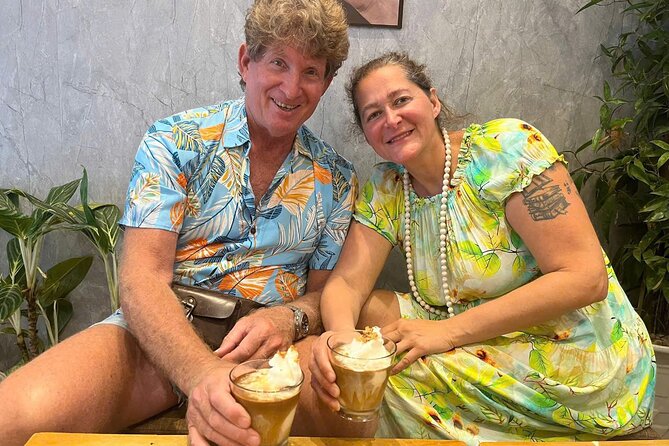
Egg coffee is likely to be one of the most memorable parts of the session. It combines strong coffee with a whipped egg mixture, producing a drink that feels closer to a dessert than a standard morning cup.
Here, the important skill is the texture. You whisk the mixture yourself and learn how to make it smooth and light enough to sit well with the coffee. The instructor also explains why the drink tastes the way it does, linking the recipe to local café culture and the habits of Hanoi.
Egg coffee can sound unusual if you have never tried it. The workshop gives you a better chance to understand it because you make the drink, taste it, and adjust it rather than receiving a finished glass with no explanation.
Fresh eggs are prepared daily. Nothing is pre-made or artificially flavored, which is a meaningful detail for a recipe where texture and freshness matter so much.
Same city, a very different kind of morning:
- Hanoi Jeep Tour: Food, Culture and Fun by Vietnam Army Jeep
★ 5.0 · 15,222 reviews - Full-Day Ninh Binh Highlights Tour from Hanoi
★ 5.0 · 7,761 reviews - Hanoi: Ha Long Bay Day Cruise – Swimming, Meal, Kayaking
★ 4.7 · 7,415 reviews - Hanoi: Water Puppet Show Tickets
★ 4.6 · 7,029 reviews
White, coconut, and salted coffee

The white coffee style gives you another way to work with milk, while coconut coffee brings a cool, sweet ingredient into the mix. The class uses fresh coconut and explains substitutes that are easier to find at home.
You may not be able to copy every Hanoi café detail in your own kitchen, but the instruction is designed to help. You learn which parts of the recipe are essential and which can be adapted. That kind of advice is more useful than a recipe that only works with special equipment or ingredients from one city.
Salted coffee offers a sharper change in direction. A small amount of salt can alter the way you perceive bitterness and sweetness, so this drink becomes a lesson in taste as much as a recipe. You can compare it with the sweeter versions and see how a minor adjustment changes the whole cup.
The advertised range is four to six coffees. The six named styles are black, brown, egg, white, coconut, and salted. The final number may depend on the pace and shape of the session, so I would not book expecting six full-size drinks without asking the provider first. The clear promise is plenty of tasting and practice across the main Vietnamese styles.
Local stories behind each cup
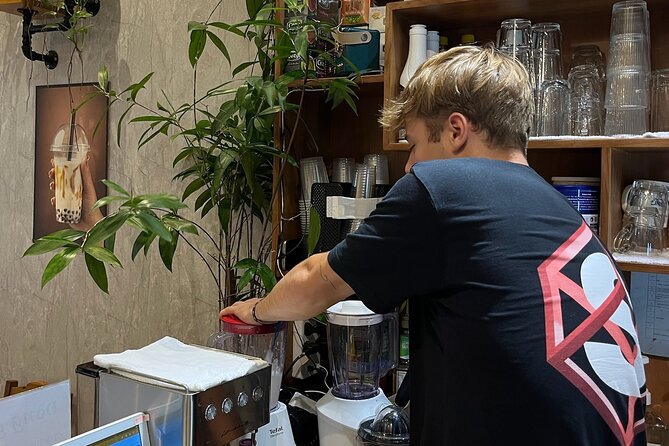
The class is led by locals raised around Vietnamese coffee culture. The instructors bring years of tasting and experimenting, but the strongest part of their role is explaining why each coffee matters.
Stories about old cafés, Hanoi, and daily life flow alongside the practical instruction. This gives the drinks a human context. Black coffee is not just a dark brew, and egg coffee is not just a novelty recipe. Each style says something about local preferences, café habits, and the ways people make a strong drink fit their day.
Two instructors praised in the available feedback are Jade and Jennifer. Jade was singled out for her passion, friendliness, and ability to turn a difficult arrival into a successful class. Jennifer was praised for making the session fun and for explaining the background and techniques clearly.
The workshop also includes a welcome from warm-hearted local elders. That suggests a more personal connection to the space than you would get from a standard cooking demonstration, although the exact role they play may vary by session.
What you take home besides caffeine
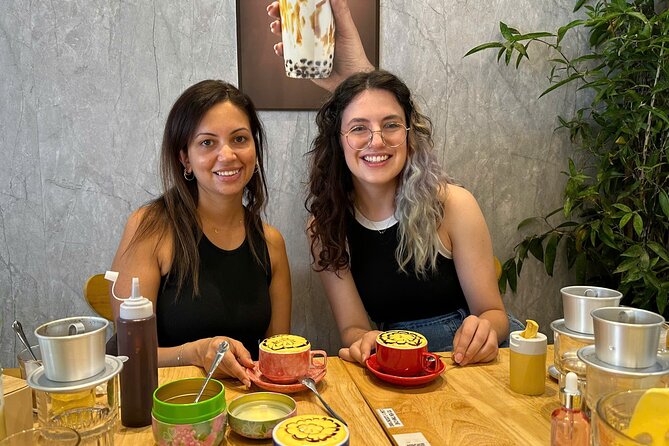
The most useful souvenir is the recipe set. Full recipes are sent after the class, so you do not have to rely on memory or hurried notes.
You also leave with techniques that suit an ordinary home kitchen. The instructors cover ways to balance bitterness, control flavor, and improve coffee without fancy equipment. That makes this suitable for people who enjoy cooking, but also for anyone who normally considers coffee preparation a matter of pouring and stirring.
The ingredient guidance is practical. Fresh eggs, milk, and coconut are used in class, and substitutes are explained clearly. You can try to recreate the drinks at home without hunting down every exact item used at the workshop.
The ability to personalize the recipes is another plus. You can ask for a sweeter or stronger result while keeping the basic identity of each style. If you are attending with someone who likes less sugar or more intense coffee, the class gives both of you room to adjust.
Is $18.20 a fair price?
At $18.20 per person, this is good value if you want active instruction rather than a simple coffee tasting. The price covers about two hours, a local instructor, ingredients, use of the tools, recipes, and the drinks you make along the way.
The small group improves the value. A maximum of eight people means the fee is buying access to the instructor’s attention, not just a seat in a large room. That matters when the class involves whisking, brewing, and correcting your technique.
The price also compares well with the practical payoff. You are learning six recognizable Vietnamese coffee styles, plus methods for adapting them at home. If you would otherwise spend the same amount on several café visits, the workshop gives you a skill and a cultural explanation along with the tasting.
There are limits. Tips are extra, and the class is not designed as a long meal or a full-day food tour. If you want a broad introduction to Vietnamese cooking, this is too narrow. If coffee is one of the reasons you came to Hanoi, the focus is exactly its strength.
Who will enjoy this Hanoi workshop?
I would recommend it most strongly to people who already enjoy coffee and want more than a quick café stop. It also suits curious beginners because the instructors explain the ingredients and methods without requiring prior skill.
It is a good choice for couples, friends, and small groups who like doing something together. You can compare your preferred sweetness and strength, then taste the results side by side.
Families may appreciate the short length, air conditioning, and pet-friendly garden space, though the provided information does not specify a child age range. People with service animals can attend.
This may not suit you if you dislike sweet drinks, eggs, coconut, or strong coffee. Several of the signature styles use these flavors, so the class is at its best when you want to sample the full range rather than stick to plain black coffee.
It is also not the best pick if your schedule is extremely tight. The workshop takes about two hours, and you should allow extra time to find the meeting point, particularly in bad weather.
Booking advice and cancellation terms
Free cancellation is available if you cancel at least 24 hours before the local start time. Cancellations or changes made within 24 hours are not refunded or accepted, so check your Hanoi plans before committing.
Because the group is capped at eight people, a popular time may fill sooner than a large group activity. The experience had five or more bookings in the previous month, and its rating was 5 out of 5 from 171 reviews, with 100 percent recommendation shown in the supplied information.
The strongest praise centers on three things: friendly instructors, useful coffee techniques, and good value. The only clear concern is arrival trouble during a storm, so treat the meeting point as a detail worth checking rather than an afterthought.
Should you book it?
Book this workshop if Vietnamese coffee is already on your Hanoi list, or if you want a friendly indoor activity that teaches a real skill. The small group, fresh ingredients, local stories, and recipes sent afterward give it more value than a simple tasting.
I would skip it only if you dislike coffee-based drinks, want a wide-ranging food tour, or cannot spare two hours. For everyone else, $18.20 buys a hands-on look at six distinctive cups and a useful way to bring a little Hanoi café culture home.
FAQ
How long does the Hanoi Coffee Workshop last?
The workshop lasts approximately two hours.
How many people can join the workshop?
The activity has a maximum of eight participants.
Which Vietnamese coffees can I make?
The named styles are black, brown, egg, white, coconut, and salted coffee. The session covers four to six iconic Vietnamese coffees.
Where does the workshop start and finish?
It starts at 34 P. Cầu Đất, Chương Dương Độ, Hoàn Kiếm, Hanoi, and ends back at the same meeting point.
Are recipes included?
Yes. Full recipes and additional information are provided, with recipes also sent after the session.
What is the cancellation policy?
You can cancel at least 24 hours before the local start time for a full refund. Cancellations or changes made within 24 hours are not accepted and are not refunded.
New around Hanoi
- Private LUXURY Hanoi City Full day guided tour★ 4.5 · 21 reviews
- Private transfer between Hanoi and Sapa★ 5.0 · 27 reviews
- Private Transfer Hanoi <=> Mai Chau One Way (Free hotel pickup)★ 5.0 · 22 reviews
- Hanoi Airport See-off (Private Ride from Hotels to Hanoi Airport)★ 4.5 · 70 reviews
- Private Transfer from Ninh Binh to Halong or Halong to Ninh Binh★ 5.0 · 21 reviews
- Private Transfers Hanoi <=> Halong One Way (Free Hotel Pickup)★ 5.0 · 31 reviews
- Thang Long Water Puppet Theater★ 4.5 · 45 reviews
- Private transfer Ninh Binh <=> Halong One Way (Free Hotel Pickup)★ 5.0 · 21 reviews
Hanoi Tours, compared.

Hanoi Jeep Tour: Food, Culture and Fun by Vietnam Army Jeep
Read our review →
Full-Day Ninh Binh Highlights Tour from Hanoi
Read our review →
Ha Long Bay Day Cruise – Swimming, Meal, Kayaking
Read our review →

Hanoi Motorbike Tour: Food, Culture and Fun by Vintage Motorbike
Read our review →

Hanoi Cooking Class: Culture, Local Market & Meaning CSR Impact
Read our review →
5 Traditional Dishes Hanoi Cooking Class with Market Trip
Read our review →Browse the lists this tour appears in