
Reviewed · HOI AN TOURS
Hoi An: Experience Pottery Making With Local Craftsmen
Your best Hoi An souvenir may be wet clay. This short visit to Thanh Ha pottery village takes you into a local family home, where you learn traditional pottery methods and shape an object yourself. I like the personal setting and the fact that you leave with something you made, not another shop-bought trinket. The main drawback is that English is limited, and the advertised 20 minutes can feel rushed if you want to make and paint several pieces.
I also like the peaceful setting away from Hoi An’s crowded old town. The workshop suits families, couples, and anyone who wants a small hands-on activity between sightseeing stops. Just plan extra time if you hope to paint your work, since many people spend 45 minutes to 90 minutes here rather than stopping after the basic class.
In This Review
- Key points to know before you go
- A short ride from Hoi An’s old town
- Greeting the craftsmen at home
- Seeing local pottery before making your own
- Taking a turn at the pottery wheel
- Painting your pottery after shaping it
- What you can take home
- Visiting the village after the class
- Who will enjoy this activity most
- Practical timing and communication advice
- Is $7 good value?
- Should you book the Thanh Ha pottery class?
- FAQ
- How much does the pottery-making activity cost?
- How long does the pottery class last?
- What is included in the price?
- Can I paint the pottery I make?
- Where does the activity meet?
- Is the class taught in English?
- Can wheelchair users join the activity?
Key points to know before you go
- You work inside a local family home: The workshop feels personal and informal rather than like a large commercial class.
- The basic class lasts about 20 minutes: You can often stay longer to finish shaping and painting your pieces.
- You make a souvenir yourself: Mugs, bowls, and other small pottery items are possible, depending on the instruction and your choice.
- Painting may be part of the longer visit: Allow extra time if you want to decorate your work after shaping it.
- Thanh Ha Village admission costs extra: The pottery activity is $7 per person, while the village entrance ticket is 35,000 Vietnamese dong per person.
- English is limited: The instructor is Vietnamese, so demonstrations, gestures, and patient hands-on help are important parts of the lesson.
A short ride from Hoi An’s old town
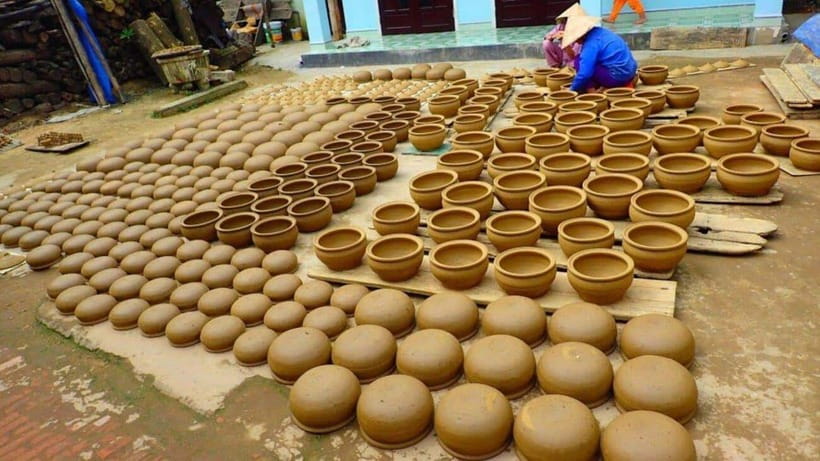
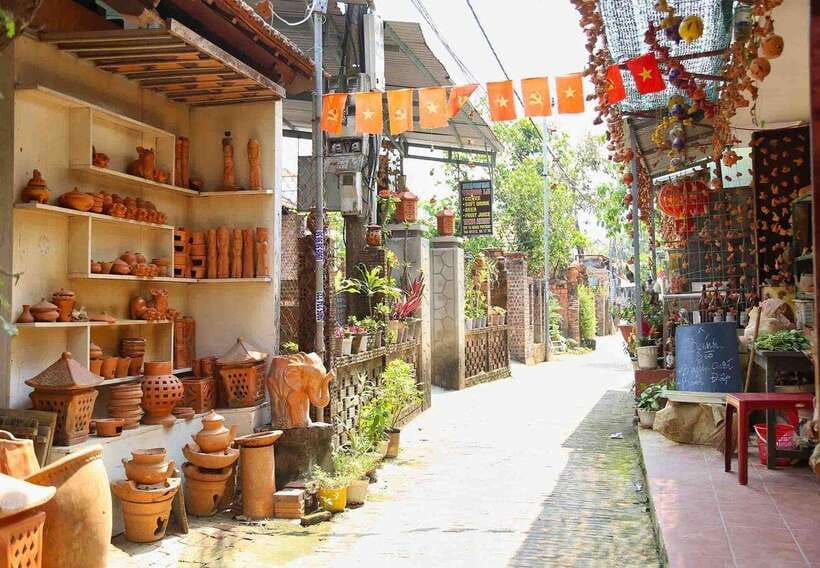
Thanh Ha pottery village is only a short distance from Hoi An Ancient Town, yet the mood changes quickly. Instead of old yellow buildings, souvenir shops, and busy lanes, you find a quieter place connected to traditional craft work.
The village has been making pottery for centuries. That context gives this little class more meaning than a quick craft stop. You are not simply sitting at a tourist workbench. You are visiting a place where pottery remains part of local identity and daily life.
The meeting point is Nguyen Sau Experience House. Hotel pickup and drop-off are not included, so you need to arrange your own way there. You should also keep the meeting details handy and provide a WhatsApp number when booking, since that makes contact easier.
The activity price is $7 per person. That is good value if you want a short, social activity and a handmade keepsake. Remember to add the 35,000 dong village entrance fee, along with your own transportation and any food or drinks.
A few more Hoi An runs to compare on price
- Hoi An: Basket Boat Ride in the Coconut Forest
★ 4.9 · 4,956 reviews - Hoi An: Vietnamese Coffee Culture and Coffee Making Class
★ 4.9 · 4,006 reviews - Hoi An: Vietnamese Foldable Lantern Making Class
★ 4.9 · 3,742 reviews
Greeting the craftsmen at home
The class begins with a welcome from local craftsmen at their home workshop. This is one of the nicest parts of the visit. You sit in a real domestic setting rather than a polished studio designed only for short-term visitors.
The couple running the activity has been described as being in their 60s, with a friendly and patient manner. Their warmth seems to do much of the teaching. Even when words are limited, they show you how the clay behaves, correct your hand position, and help you rescue a shape that begins to lean in an unfortunate direction.
You should not expect a long spoken lecture in English. The official language is Vietnamese, and English communication is limited. This is not a serious problem for a pottery lesson because the work is visual. Watch closely, copy the movements, and accept that a smile or a hand gesture may explain more than a paragraph.
The lack of shared language can actually make the class feel relaxed. You are not being tested, and nobody expects a perfect bowl. The hosts appear happy to guide your attempts and laugh with you when the clay develops a mind of its own.
Seeing local pottery before making your own
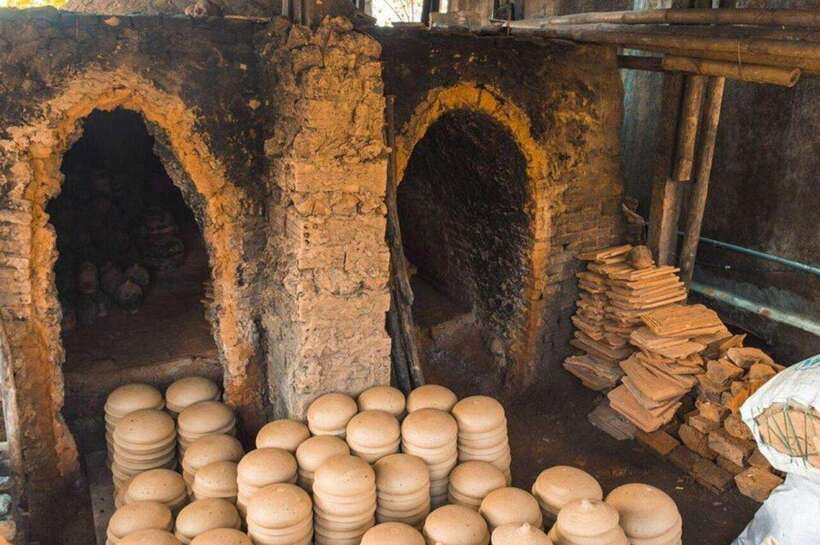
Before you start, the craftsmen introduce you to local pottery products. This gives you a useful look at the kinds of objects made in the village and helps you choose what you would like to try.
The exact product you make can vary. You may work toward a mug, bowl, or another small shape. One person made three pieces and had the chance to paint them, while another couple left with mugs and bowls. The number of items depends on your pace, the help available, and how long you stay.
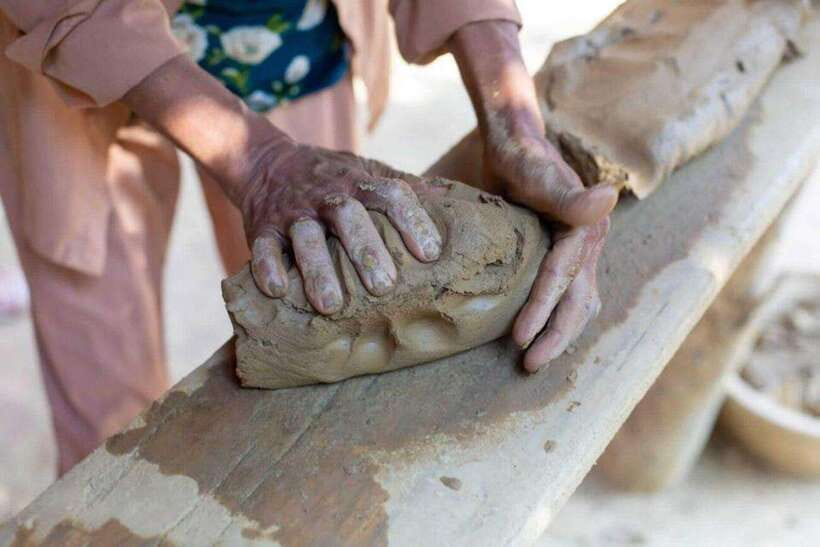
The demonstration matters because clay is less forgiving than it looks. You need to learn how much pressure to use and how to support the walls as they rise. The local maker can show you shapes and specific styles, then let you attempt one yourself.
You should think of this as a guided introduction, not a full pottery course. The class gives you a feel for the method and lets you create a recognizable object. It does not promise expert wheel skills after one short session.
Taking a turn at the pottery wheel
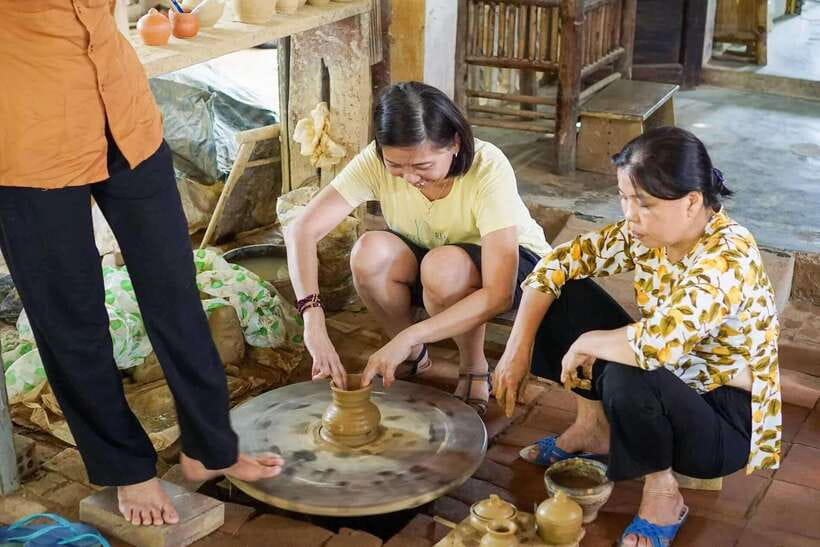
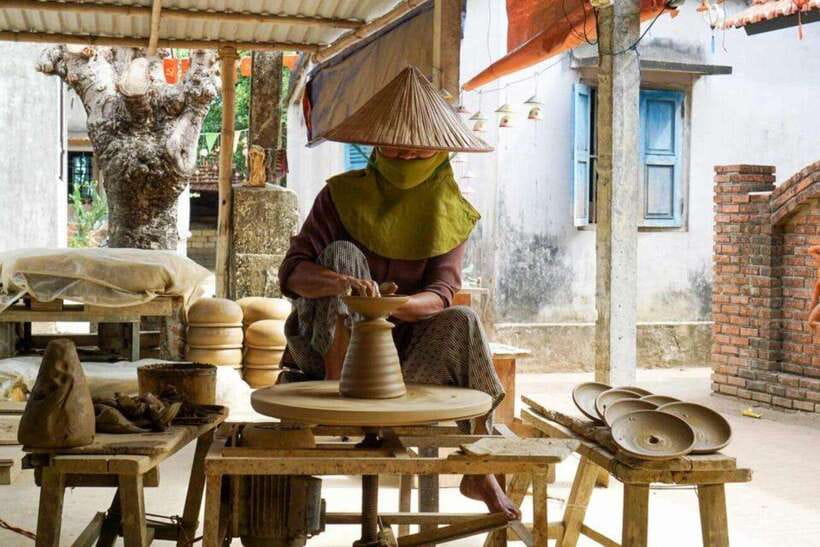
The hands-on part begins at the turntable. You start with the clay and follow the craftsman’s movements. The hosts provide plenty of help, which is welcome because even a simple vessel takes concentration.
This is where the 20-minute timing needs careful reading. The official class duration is often around 20 minutes, but that appears to describe the basic pottery-making portion. It may be enough to shape one small object, especially if you are moving on to another appointment.
If you want a more relaxed visit, ask to stay longer. Several people spent about 45 minutes, an hour, or even 90 minutes by the time they shaped and painted their work. One person who had booked another activity had to leave before there was time to paint. That is a useful warning: do not schedule this too tightly.
You may feel rushed if you expect a long turn on the wheel. One person specifically wanted more wheel time. For that reason, I would not book this as a major half-day pottery course. It is better understood as a compact cultural activity that can expand when your schedule allows.
The good news is that the instructors do not simply place clay in front of you and walk away. Their hands-on help makes it much easier to produce something worth keeping. Even people with no pottery background can leave with a bowl, mug, or other small object rather than a collapsed lump.
Same city, a very different kind of morning:
- Cooking Class Hoi An:Local Market, Basket Boat, Fishing & Cooking
★ 5.0 · 3,660 reviews - Hoi An Cooking Class(Market,BasketBoat Crabfishing&Cooking Class)
★ 5.0 · 3,386 reviews - Hoi An: My Son Sanctuary Early Morning w. Champa Food Brunch
★ 4.9 · 2,750 reviews - Hoi An/ Da Nang – Ba Na Hills – Golden Bridge Deluxe Small group
★ 5.0 · 2,613 reviews
Painting your pottery after shaping it
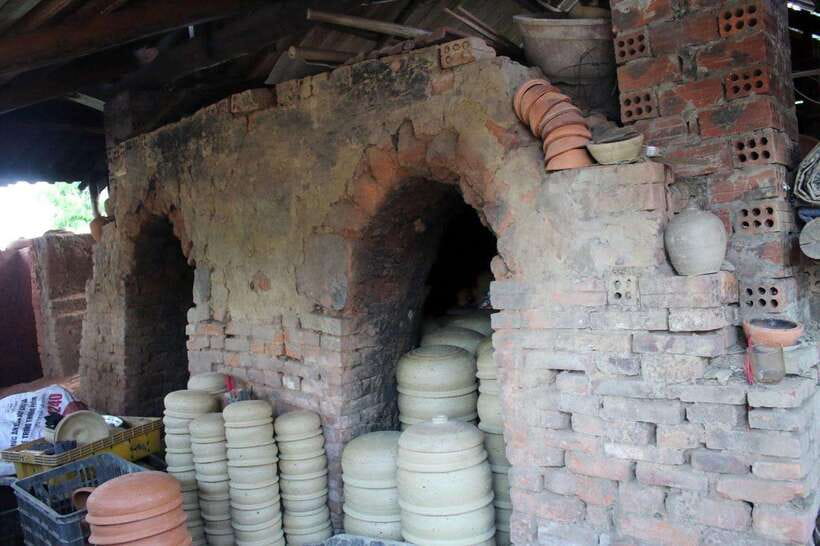
The longer version of the visit can include painting. This changes the pace of the activity. Shaping requires concentration and guidance, while painting lets you slow down and add a personal touch.
Painting is especially useful if you are making a gift. A plain handmade bowl is already a nice reminder of Hoi An, but a painted piece feels more clearly connected to your own visit. Families can also make different designs, which helps children feel that their objects belong to them.
Do not assume you will have time to paint if you only allow 20 minutes. The schedule may work for a quick shape, but not for several pieces followed by decoration. I would allow at least an hour if painting is important to you, and more if you are visiting with children or a group.
Some people made around three different items and chose which ones to keep. Additional pieces may involve an extra payment, so ask about that before making more than the included souvenir. The information provided confirms that one souvenir made by you is included, but it does not promise that every piece you create will be included at no extra cost.
What you can take home
The included souvenir is the most practical part of the deal. You make a pottery item yourself and take it home as a gift or personal reminder.
The final object may not look perfect, and that is part of its charm. A handmade bowl with a slightly uneven rim tells a better story than a mass-produced magnet. You can point to the shape and say that you made it in Thanh Ha, with a local craftsperson showing you the way.
There is some variation in what people take away. Examples include mugs, bowls, and several small pieces. One person left with two handmade items per person, while another chose from about three pieces after making them. A pre-made wind chime was also purchased, but that was separate from the item made during the class.
You should ask how many pieces are included and whether anything needs additional payment. The basic information promises one souvenir, so treat anything beyond that as an optional extra rather than part of the $7 price.
Visiting the village after the class
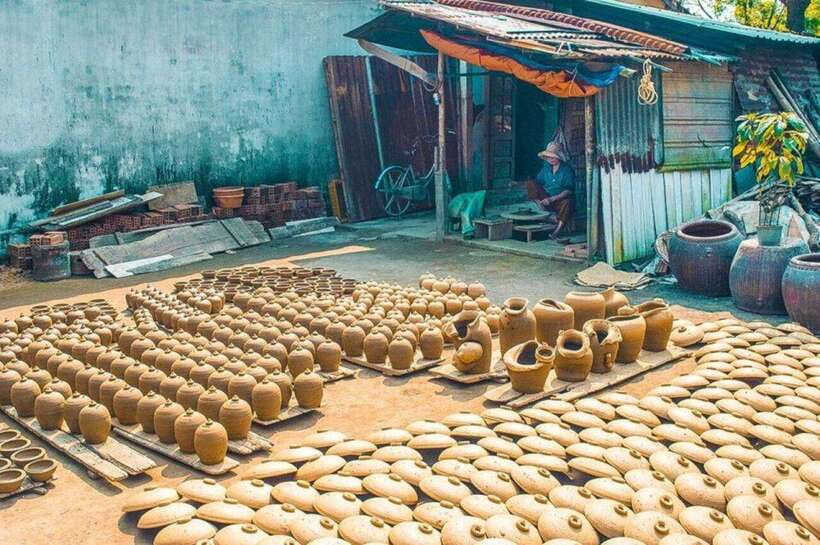
Once the pottery session is finished, you can explore Thanh Ha village on your own. This is where the activity becomes more than a quick craft demonstration.
You can visit Xuan My Communal House and Nam Dieu Temple, both connected with the founders of the pottery tradition. These stops offer a little cultural context and give you a reason to walk beyond the workshop.
You can also look around the village and enjoy its quiet atmosphere. There is no required guided extension, so you can take your time or continue with your Hoi An plans. The entrance ticket is not included in the pottery price, and costs 35,000 dong per person.
The village visit is worth considering when planning your timing. If you pay to enter Thanh Ha, a rushed 20-minute class followed by an immediate departure may not make the best use of your ticket. Give yourself room to see the communal house, temple, and traditional craft area.
Who will enjoy this activity most
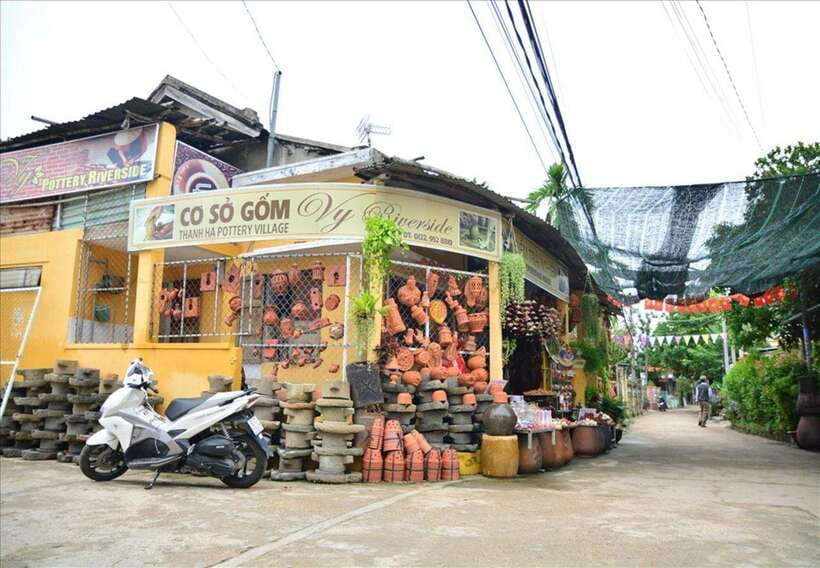
This is a good choice for families. Children can work with their hands, see a local home, and leave with a souvenir they helped create. The hosts are patient, and the activity does not require prior skill.
It also works well for couples. Making two mugs or bowls gives you a shared memory without taking up a full day. The quiet setting is a welcome change after time in Hoi An’s busy center.
I would recommend it to solo visitors who like small cultural activities, too. The workshop offers direct contact with local people and a simple skill to try. You do not need to be artistic, although a willingness to laugh at your first attempt helps.
This may not suit you if you need full wheelchair access. The activity is listed as unsuitable for wheelchair users. It may also disappoint you if you expect detailed English instruction or a long, technical lesson on pottery.
Practical timing and communication advice
Treat 20 minutes as the shortest likely visit, not a guaranteed full schedule. If you only want to make one small item, that may be enough. If you want to shape several pieces and paint them, set aside 45 minutes to 90 minutes.
Arrive with enough time to find the meeting point at Nguyen Sau Experience House. Since there is no hotel transfer, your own transport plan matters. Keep your WhatsApp number available for contact with the provider.
Bring patience rather than expecting a formal classroom. The instructors speak Vietnamese, and communication in English is limited. Watch demonstrations carefully and use simple gestures when you need help.
You should also allow for the village entrance ticket, personal expenses, and anything you eat or drink during the wider visit. Food and drinks are not included.
The activity allows free cancellation up to 24 hours before the scheduled time for a full refund. You can also reserve now and pay later, which helps if your Hoi An schedule is still changing. Starting times depend on availability.
Is $7 good value?
Yes, provided you see the price as payment for a short local activity rather than a full pottery workshop. For $7, you receive instruction, time at the turntable, and one souvenir made by you. That is a fair price for a hands-on stop near Hoi An.
The value improves if you stay long enough to shape and paint your piece. A quick 20-minute visit still gives you the main activity, but you may feel you left just as the fun began. Add the village entry ticket and your transport costs when calculating the total.
The personal setting also adds value. You are welcomed into a family home and receive help directly from local makers. That contact is the reason to choose this activity over simply buying pottery in a shop.
Should you book the Thanh Ha pottery class?
Book it if you want a friendly, low-cost activity with a handmade souvenir and a taste of local craft life. I would especially recommend it for families, couples, and anyone who enjoys simple creative work over another sightseeing stop.
Reserve extra time if you want to paint or make more than one item. If your day is packed, the basic 20-minute session may feel too short, and the village entrance fee becomes less worthwhile.
The limited English is manageable because the lesson is shown rather than explained. Go in expecting a cheerful introduction, not a technical course, and you are likely to leave with a few laughs, a clay object, and a better sense of Thanh Ha’s pottery tradition.
FAQ
How much does the pottery-making activity cost?
The pottery-making activity costs $7 per person. Entrance to Thanh Ha Village is not included and costs 35,000 Vietnamese dong per person.
How long does the pottery class last?
The pottery-making class is often around 20 minutes. You can extend the visit if you want more time to finish your pottery product or paint it.
What is included in the price?
The price includes the pottery-making activity and one souvenir made by you.
Can I paint the pottery I make?
Painting is available during the longer visit. You should allow extra time because 20 minutes may not be enough to shape several pieces and paint them.
Where does the activity meet?
The meeting point is Nguyen Sau Experience House. Hotel pickup and drop-off are not included.
Is the class taught in English?
The instructor is Vietnamese, and English communication is limited. The craftsmen demonstrate the process and provide hands-on help.
Can wheelchair users join the activity?
The activity is listed as unsuitable for wheelchair users.
New around Hoi An
- Snorkeling Cham Island: Snorkeling Tour by Speed Boat★ 3.6 · 26 reviews
- Thanh Ha Village: Pottery Workshop with Locals★ 4.4 · 223 reviews
- Romantic Sunset Dinner Cruise in Hoi An★ 4.7 · 108 reviews
- Hoi An: Rural Cycling Tour to Village with Basket Boat Ride★ 5.0 · 174 reviews
- Private Car Hoi An to Hue Via Hai Van Pass, Lagoon & More★ 5.0 · 22 reviews
- From Hoi An: Day Tour of My Son Temples and Marble Mountain★ 4.8 · 44 reviews
- Market Tour – Cooking Class – Coconut Boat Riding★ 4.4 · 43 reviews
- Mad Monkey Hoi An Pub Craw★ 4.2 · 25 reviews
Hoi An Tours, compared.


Vietnamese Coffee Culture and Coffee Making Class
Read our review →
Cooking Class Hoi An:Local Market, Basket Boat, Fishing & Cooking
Read our review →
Hoi An Cooking Class(Market,BasketBoat Crabfishing&Cooking Class)
Read our review →
My Son Sanctuary Early Morning w. Champa Food Brunch
Read our review →
Hoi An/ Da Nang – Ba Na Hills – Golden Bridge Deluxe Small group
Read our review →
Market Tour, Basket Boat Ride and Cooking Class
Read our review →Browse the lists this tour appears in