
Reviewed · HOI AN TOURS
Hoi An: Vietnamese Coffee Making Course
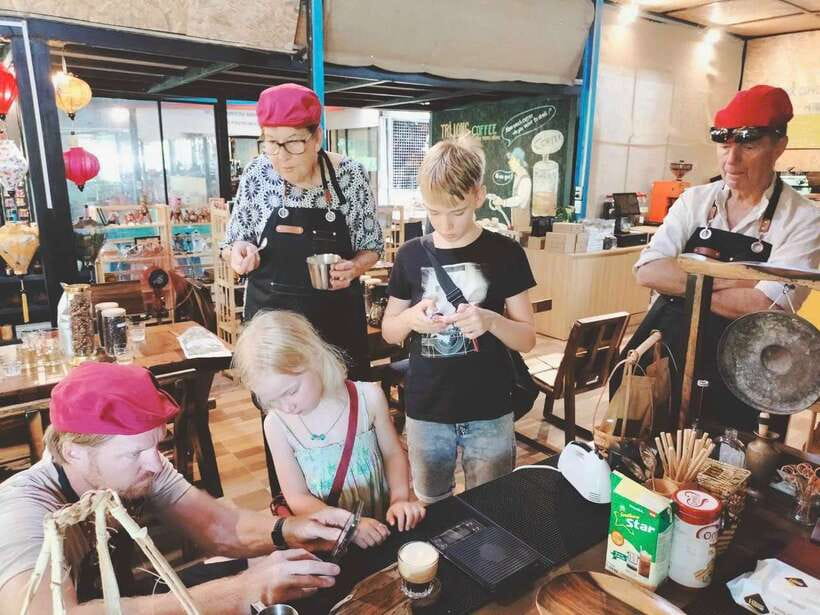
Coffee can be a full Hoi An lesson. This 90-minute class takes you beyond ordering a sweet iced coffee and shows you how beans are roasted, filtered, and mixed into several beloved Vietnamese drinks. I like the hands-on format, and I like that you can choose from egg, coconut, salt, or traditional Phin coffee rather than being locked into one recipe.
The main thing to consider is that the class meets at Tri Long Coffee in central Hoi An, so you must make your own way there. I also suggest checking exactly how many coffee sessions your booking includes, since the available format may involve two, three, or four sessions, while the basic inclusion specifically promises one cup made by you.
In This Review
- Five things worth knowing before you book
- What happens during the 90-minute class
- Seeing beans change during the roasting demonstration
- The Phin filter shows coffee at Vietnamese speed
- Egg coffee is dessert, coffee, and a small kitchen trick
- Coconut coffee brings a tropical flavor to the cup
- Salt coffee is the most surprising option
- Why the hands-on format matters
- What the price includes, and where the value lies
- Who should choose which coffee?
- Practical planning for your Hoi An day
- Should you book the Hoi An coffee class?
- FAQ
- Where does the coffee class take place?
- How long does the course last?
- How much does the experience cost?
- Is hotel pickup included?
- What kinds of coffee can I make?
- Is the class taught in English?
- Do I make the coffee myself?
- What else is included?
- Can I book a private group?
- Can I cancel the booking for a refund?
Five things worth knowing before you book
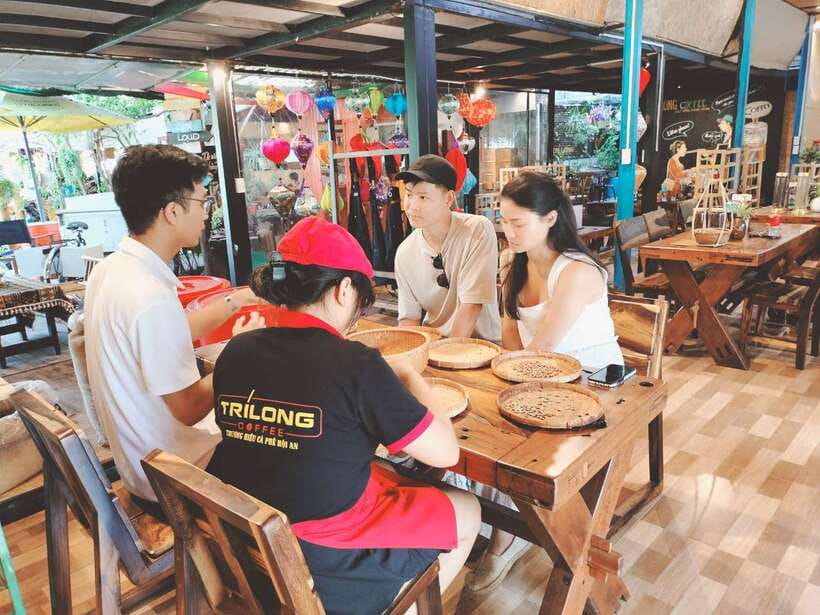
- You make the coffee yourself: This is not only a tasting. You handle the ingredients and tools during the preparation.
- The Phin filter is central to Vietnamese coffee: You see how the small metal filter creates a slow, bold brew.
- You can choose your coffee style: Egg, coconut, salt, and traditional Phin coffee are all listed options.
- The class costs $22 per person: That includes instruction, ingredients, water, tools, and at least one drink you prepare.
- The setting is easy to reach: You meet the instructor at Tri Long Coffee in Hoi An city, with no hotel transfer included.
- The teaching receives strong praise: The activity carries a 4.9 rating from 25 bookings, with repeated praise for its clear explanations, friendly staff, tasty coffee, and practical recipes.
What happens during the 90-minute class
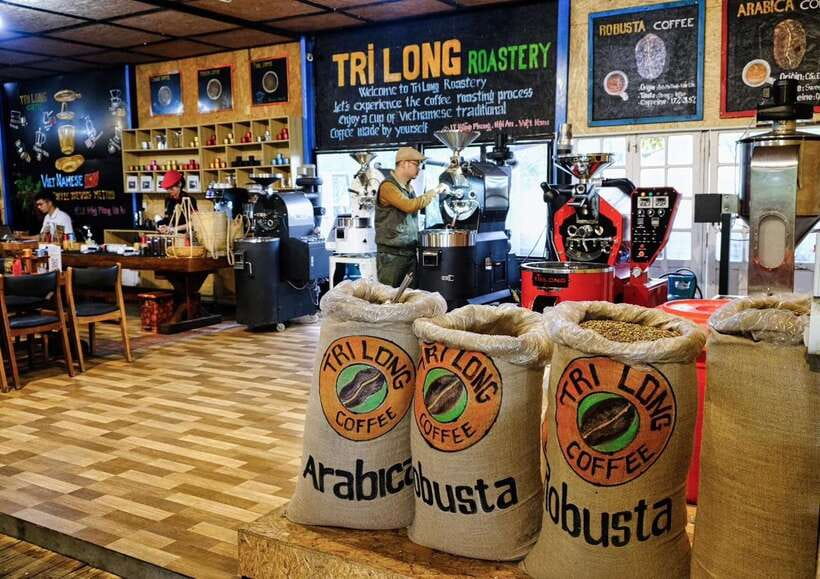
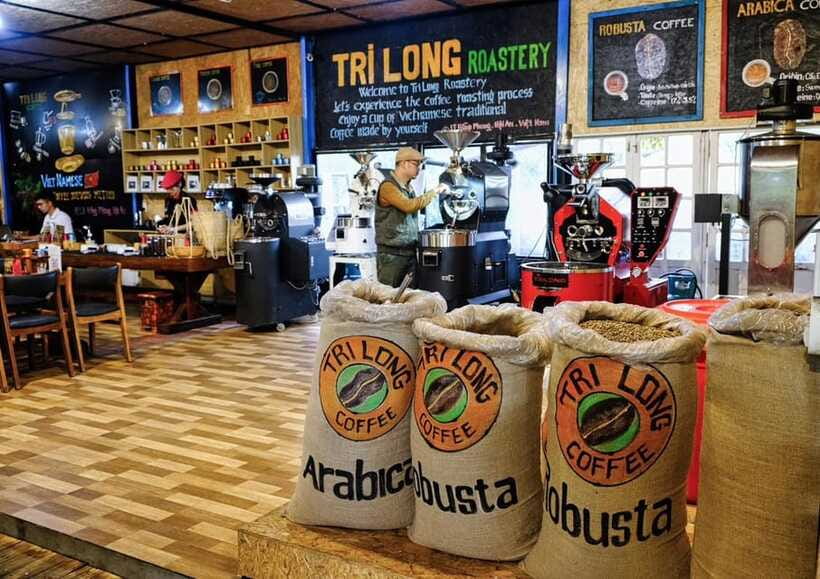
The class is short enough to fit neatly into a morning or afternoon in Hoi An. You meet the English-speaking instructor at Tri Long Coffee, where the session begins with an introduction to Vietnamese coffee and the tools used to prepare it.
The pace appears designed for both beginners and people who already take coffee seriously. You do not need prior barista experience. The value comes from learning what each ingredient does, then trying the method yourself instead of simply watching a demonstration.
The exact flow can vary depending on your chosen booking. The activity allows two, three, or four different sessions, and the coffee choices include egg, coconut, salt, and Phin filter coffee. Since the basic package lists one cup made by yourself but recent booking details describe people making two coffees, I would confirm the number of drinks and sessions before paying if that matters to you.
That small point aside, 90 minutes gives you enough time to learn, prepare, taste, and ask questions without turning the lesson into a long technical workshop. You should leave with a useful understanding of how Vietnamese coffee works at home and in local cafés.
A few more Hoi An runs to compare on price
- Hoi An: Vietnamese Coffee Culture and Coffee Making Class
★ 4.9 · 4,006 reviews - Early Morning My Son Sanctuary Trip w. Champa Food & Coffee
★ 5.0 · 629 reviews - Vietnamese Culture and Coffee Making Class
★ 5.0 · 497 reviews
Seeing beans change during the roasting demonstration
The first useful lesson is the roasted coffee demonstration. You follow the beans from their raw state to the darker, fragrant form used for brewing, while learning how roast levels affect the final taste.
This matters because Vietnamese coffee is not just about adding condensed milk or ice. The bean itself sets the base. A darker roast can produce a stronger, more forceful cup, while other roast levels can bring out different aromas and levels of bitterness.
The class focuses on professionally roasted beans, giving you a chance to notice the difference between a properly prepared coffee and a generic instant drink. You may not become a coffee roaster in one session, but you will understand why two cups made with the same brewing method can taste quite different.
I especially like this part for curious beginners. Coffee menus can feel mysterious when you see unfamiliar names and preparation styles. A roasting explanation gives you a simple starting point: the bean, the roast, the grind, and the brewing method all shape what reaches your cup.
The Phin filter shows coffee at Vietnamese speed
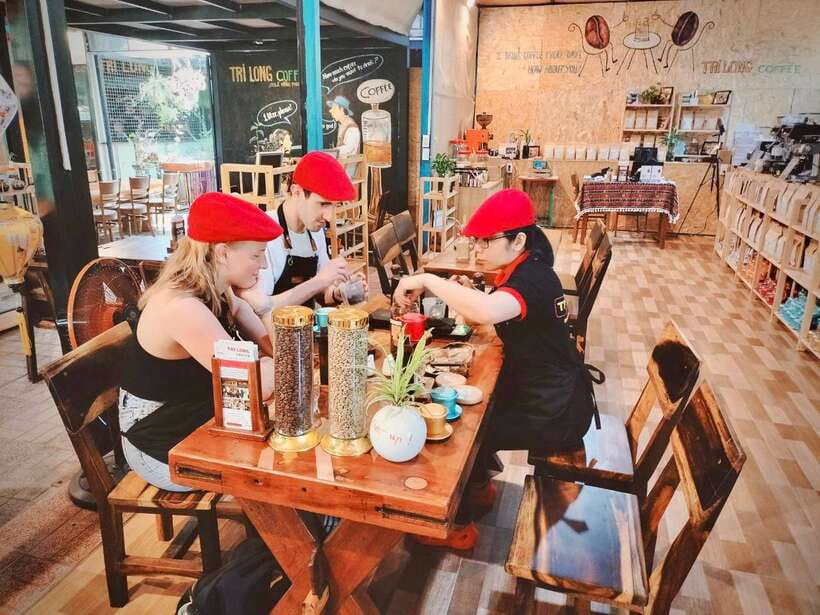
The traditional Phin filter is the heart of Vietnamese coffee culture. It is a small metal brewer placed over a cup. Coffee slowly drips through it, creating a concentrated drink with a bold body.
The class demonstrates how this method works and lets you take part in the preparation. The slow drip is part of the appeal. It encourages you to pause and watch the drink form, rather than pressing a button and moving on with your day.
The final flavor is described as a balance of bitterness and sweetness, especially when the coffee is paired with condensed milk. If you usually drink light coffee, this style may taste intense at first. That is not a flaw, but it is worth knowing before you choose the strongest option.
The Phin lesson also has practical value beyond Hoi An. The equipment is compact and easy to understand, and recipes from the class can help you recreate the drink after your trip. One booking specifically praised receiving recipes at the end, which makes this more useful than a one-time tasting.
Egg coffee is dessert, coffee, and a small kitchen trick
Egg coffee is one of the most unusual choices. The drink combines coffee with egg yolks, condensed milk, and sugar. The mixture is whipped into a smooth, creamy topping before it is combined with the coffee.
The result is closer to a coffee dessert than a plain morning brew. You get the bitter strength of coffee beneath a soft, sweet layer, with a texture that makes the drink feel far more substantial than its short ingredient list suggests.
The class shows the preparation rather than simply handing you a finished cup. That is important here because the texture is the whole point. The whipped egg mixture needs to be smooth enough to feel creamy, not heavy or lumpy.
Choose egg coffee if you enjoy sweet drinks, custard-like desserts, or unusual food combinations. If you prefer black coffee, it may be more fun as a tasting than as your main drink. The option is still worthwhile because it gives you a clear example of how Vietnamese cafés turn a basic cup into something distinctive.
Same city, a very different kind of morning:
- Hoi An: Basket Boat Ride in the Coconut Forest
★ 4.9 · 4,956 reviews - Hoi An: Vietnamese Foldable Lantern Making Class
★ 4.9 · 3,742 reviews - Cooking Class Hoi An:Local Market, Basket Boat, Fishing & Cooking
★ 5.0 · 3,660 reviews - Hoi An Cooking Class(Market,BasketBoat Crabfishing&Cooking Class)
★ 5.0 · 3,386 reviews
Coconut coffee brings a tropical flavor to the cup
Coconut coffee takes a different route. It combines coffee with the nutty sweetness of coconut, creating a cooler and more tropical drink.
This is likely the easiest choice for people who enjoy sweet iced coffee or coconut-based desserts. The coconut softens the sharper edge of the coffee, while the coffee keeps the drink from becoming purely sugary.
The class lets you learn how the coconut flavor is added and balanced. That balance matters. Too much sweetness can hide the coffee, while too little may leave the drink tasting plain. Preparing it yourself helps you understand the proportions instead of treating the recipe as a secret formula.
Coconut coffee also suits a warm Hoi An afternoon, although the class information does not specify whether each version is served hot, cold, or over ice. If temperature matters to you, ask the instructor at the start. The key benefit is the chance to learn a recipe you can attempt again with ingredients available outside Vietnam.
Salt coffee is the most surprising option
Salt coffee sounds strange until you understand what the salt does. A small amount can reduce the perception of bitterness and bring out other flavors in the coffee.
This is not meant to turn the drink salty. The point is balance. The ingredient works in much the same way a little salt can sharpen the taste of certain sweet foods.
The class explains the idea behind the recipe and lets you taste the result. I would choose this session if you want the most memorable lesson of the four. It is also a good pick if you like trying local specialties that are not easy to identify from a standard café menu.
The salt coffee option received particular praise for its unusual flavor and the chance to learn the recipe in a small group. It is a good example of why this class offers more than a basic coffee break: you leave with a story, a technique, and a drink you may not have ordered on your own.
Why the hands-on format matters
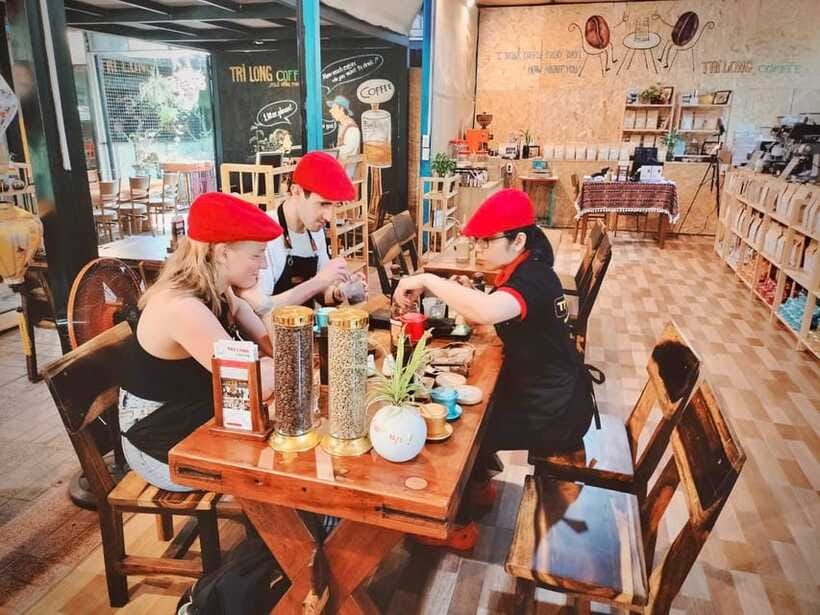
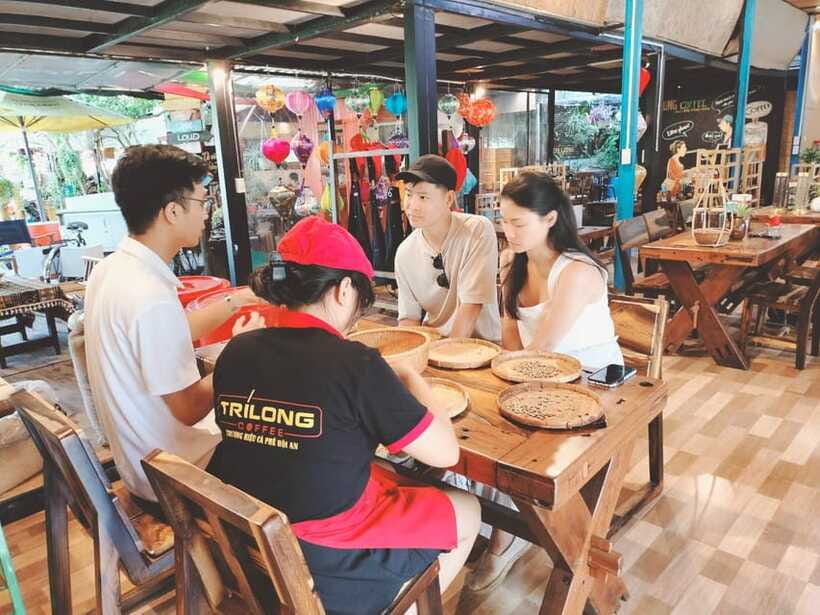
The strongest feature here is participation. You do not simply listen while a barista prepares everything behind a counter. You use the ingredients and tools, make coffee yourself, and taste the result.
That makes the session useful for solo visitors, couples, and small groups. A solo participant can ask questions without needing to organize a larger party, while friends can compare different choices. A private group is also available, which may suit families or a group of friends who want a more personal pace.
The English-speaking instruction is another practical advantage. Coffee terms can become confusing when the recipe involves roasting, filtering, whipped egg, coconut, and salt. Clear explanations help you understand not only what to do, but why the drink tastes the way it does.
The class also appears to leave enough time for preparation and drinking. One German participant praised the detailed explanations and said there was enough time to make and enjoy the coffee. That is an important point. A rushed tasting would miss much of the value.
What the price includes, and where the value lies
At $22 per person, the course is not the cheapest way to drink coffee in Hoi An. Local cafés can serve a cup for far less. You are paying for instruction, ingredients, equipment, a prepared drink, and the chance to repeat the recipes later.
That makes the price reasonable if you care about food culture or enjoy practical activities. The recipes are an extra benefit because they give you something to take home. You may also be able to buy the beans used in the class, which one booking specifically noted as a useful option.
The value is weaker if you only want a quick caffeine stop. The class takes 90 minutes, and you need to reach the meeting point yourself. Someone with a packed sightseeing schedule may prefer to order a coconut or egg coffee at a café and keep moving.
For most people who enjoy making things, the lesson offers fair value. You receive more than four drinks. You learn how roast level, brewing equipment, sweetness, creaminess, and salt affect the final result.
Who should choose which coffee?
You can make your choice based on your usual taste:
- Choose Phin filter coffee if you want the most traditional preparation and prefer a bold, concentrated cup.
- Choose egg coffee if you enjoy sweet, creamy drinks and dessert-style flavors.
- Choose coconut coffee if you like tropical ingredients and a softer, sweeter coffee.
- Choose salt coffee if you want the most unusual option and enjoy tasting how a small ingredient changes bitterness.
You do not necessarily have to choose only one style. The activity allows different numbers of sessions, and some recent booking descriptions indicate that people made two coffees of their choice. Confirm your exact format before arrival, especially if you want to sample several recipes.
Practical planning for your Hoi An day
Tri Long Coffee is the meeting point in Hoi An city. Hotel pickup and drop-off are not included, so allow enough time to reach the café on your own.
The activity lasts 90 minutes, but you should also account for getting there and deciding what to do afterward. A morning class could lead into lunch and old-town sightseeing. An afternoon session may be a pleasant break from walking, especially if the heat makes a slow coffee preparation sound better than another attraction.
Cancellation is flexible up to 24 hours before the start for a full refund. You can also reserve and pay later, which helps if your Vietnam plans are still shifting.
The activity has a 4.9 rating from 25 bookings. The most consistent praise focuses on three things: clear explanations, friendly instruction, and delicious coffee. People also liked that the class was genuinely hands-on, that recipes were available afterward, and that it worked well for both solo visitors and groups.
The main caution remains the session format. Confirm how many drinks are included, which coffee choices are available during your time slot, and whether a private group is needed if you want a fully private lesson.
Should you book the Hoi An coffee class?
I would book this if you want a relaxed, practical activity with a strong connection to everyday Vietnamese food culture. The class suits curious beginners, coffee fans, solo visitors, and anyone who prefers learning a local recipe over taking another guided walk.
Choose it especially if salt coffee or egg coffee sounds intriguing, or if you want to understand the Phin filter before buying one. The recipes and possible bean purchase give the experience value after you return home.
Skip it if your only goal is a cheap cup, or if your schedule leaves no room for a 90-minute class at a fixed meeting point. For $22, though, the combination of instruction, ingredients, coffee, and hands-on practice is a solid deal. Just confirm the number of sessions included, then pick the drink that sounds least familiar. That is usually where the best lesson begins.
FAQ
Where does the coffee class take place?
The meeting point is Tri Long Coffee in Hoi An city. The instructor welcomes you there.
How long does the course last?
The course lasts 90 minutes.
How much does the experience cost?
The listed price is $22 per person.
Is hotel pickup included?
No. Hotel pickup and drop-off are not included, so you must travel to the meeting point yourself.
What kinds of coffee can I make?
You can choose from Vietnamese Phin filter coffee, egg coffee, coconut coffee, and salt coffee.
Is the class taught in English?
Yes. The instructor speaks English, and English is the listed language for the activity.
Do I make the coffee myself?
Yes. The course includes ingredients and tools, and you make at least one cup yourself.
What else is included?
The price includes the coffee-making course, water, ingredients, tools, and a cup of coffee made by you.
Can I book a private group?
Yes. A private group option is available.
Can I cancel the booking for a refund?
Yes. You can cancel up to 24 hours in advance for a full refund. You can also reserve now and pay later.
New around Hoi An
- Snorkeling Cham Island: Snorkeling Tour by Speed Boat★ 3.6 · 26 reviews
- Thanh Ha Village: Pottery Workshop with Locals★ 4.4 · 223 reviews
- Romantic Sunset Dinner Cruise in Hoi An★ 4.7 · 108 reviews
- Hoi An: Rural Cycling Tour to Village with Basket Boat Ride★ 5.0 · 174 reviews
- Private Car Hoi An to Hue Via Hai Van Pass, Lagoon & More★ 5.0 · 22 reviews
- From Hoi An: Day Tour of My Son Temples and Marble Mountain★ 4.8 · 44 reviews
- Market Tour – Cooking Class – Coconut Boat Riding★ 4.4 · 43 reviews
- Mad Monkey Hoi An Pub Craw★ 4.2 · 25 reviews
Hoi An Tours, compared.


Vietnamese Coffee Culture and Coffee Making Class
Read our review →
Cooking Class Hoi An:Local Market, Basket Boat, Fishing & Cooking
Read our review →
Hoi An Cooking Class(Market,BasketBoat Crabfishing&Cooking Class)
Read our review →
My Son Sanctuary Early Morning w. Champa Food Brunch
Read our review →
Hoi An/ Da Nang – Ba Na Hills – Golden Bridge Deluxe Small group
Read our review →
Market Tour, Basket Boat Ride and Cooking Class
Read our review →Browse the lists this tour appears in