
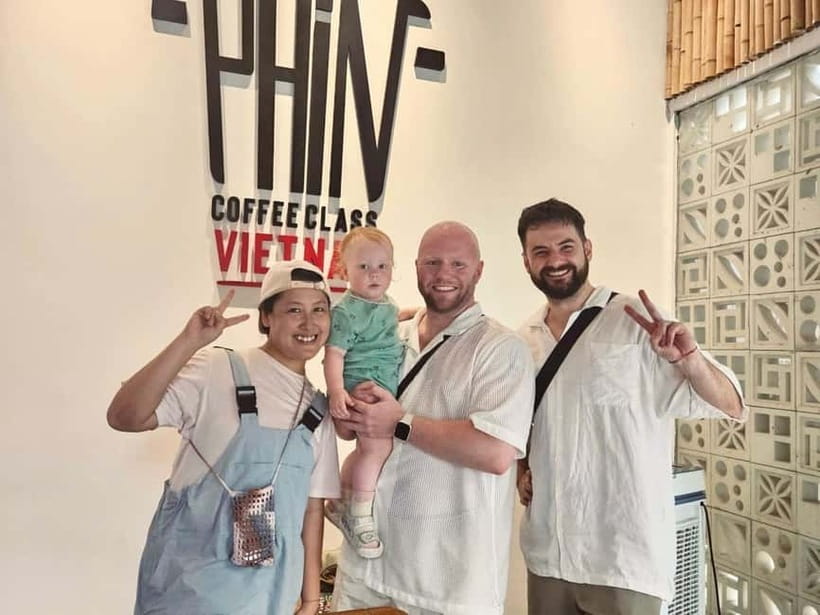
Reviewed · HUE TOURS
Hue: Brew Egg, Salt & Coconut Coffee
Coffee is a tasty way to meet Hue.
This 90-minute workshop turns a simple drink into a hands-on lesson in Vietnamese culture. In a small group of no more than eight, you use traditional phin filters, bold Robusta beans, and local ingredients to prepare four drinks: classic phin coffee, egg coffee, salt coffee, and coconut coffee. I especially like the personal teaching style and the chance to make every drink yourself instead of simply watching a demonstration. The recipe handout is another strong touch, since you can repeat the experience at home.
The main drawback is the amount of coffee. You prepare and taste four recipes, and one participant found it hard to drink everything. If caffeine affects you quickly, share your samples, pace yourself, or plan this activity earlier in the day.
In This Review
- Key points about the Hue coffee workshop
- Finding the class on Hoàng Quốc Việt Street
- Starting with Vietnam’s bold Robusta coffee
- Brewing classic phin coffee one slow drip at a time
- Making egg coffee with a creamy top
- Mixing salt coffee without overdoing the salt
- Preparing coconut coffee, hot and cold
- Why the small group makes a difference
- What the four tastings mean for your day
- The $18 price and what you receive
- Who should book this Hue experience?
- My recommendation for booking
- FAQ
- How long does the Vietnamese coffee workshop last?
- How much does the coffee class cost?
- Which Vietnamese coffees will I make?
- Are the ingredients and equipment included?
- Can I taste the coffees I prepare?
- Is the class taught in English?
- How large is the group?
- Is the activity wheelchair accessible?
- Where is the meeting point?
- Can I cancel the booking?
Key points about the Hue coffee workshop
- Four recipes in 90 minutes: Make phin, egg, salt, and coconut coffee from start to finish.
- A real phin filter lesson: Learn how Vietnam’s slow-drip brewing method works with strong Robusta beans.
- Friendly local instruction: Hosts such as Duck, Uyen, Daisy, and Annie are praised for humor, patience, and clear explanations.
- Small groups capped at eight: A limited class leaves room for questions and individual help.
- Recipes to take home: The handout helps you recreate the drinks after leaving Vietnam.
- Useful on a rainy day: The indoor workshop offers an easy break from Hue’s weather and sightseeing routine.
Finding the class on Hoàng Quốc Việt Street
The meeting point is easy to miss if you are expecting a large café or a major landmark. Enter alley number 1 on Hoàng Quốc Việt Street, walk about 50 meters, and look for the Huế Experience signboard.
That detail matters. Give yourself a little extra time to find the alley, especially if you are unfamiliar with this part of Hue. The meeting point is not described as a hotel lobby or central transport hub, so check the directions before setting out.
The activity is wheelchair accessible, and instruction is offered in English and Vietnamese. You do not need to arrange ingredients or bring special equipment. The tools, coffee, and other materials are provided.
A few more Hue Vietnam runs to compare on price
- Hoi An: My Son Early Morning Tour with Banhmi and Coffee
★ 5.0 · 29 reviews - Hoi An: Vietnamese Coffee Culture and Coffee Making Class
★ 4.9 · 4,006 reviews - Hanoi Coffee Experience: 6 Brews, 9 Recipes & 3 Liquor Tastings
★ 5.0 · 2,945 reviews
Starting with Vietnam’s bold Robusta coffee
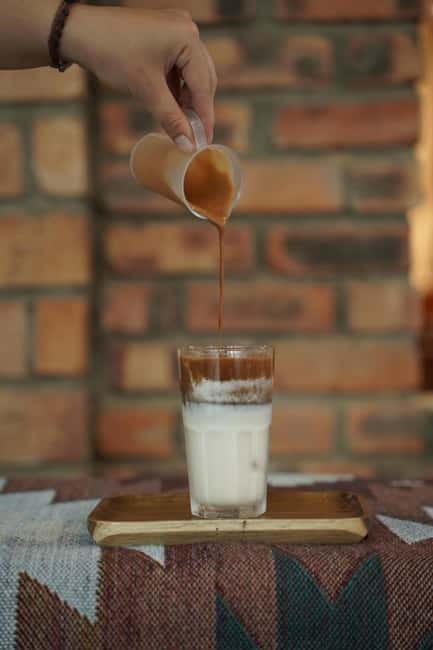
The class begins with an introduction to Robusta beans, the base of Vietnamese coffee. This is a useful starting point because the coffee drinks that follow are not simply sweet versions of a mild morning brew. Robusta gives the cup a strong, assertive flavor, which works well with condensed milk, egg cream, coconut, and salt.
I like this part because it gives the recipes a reason. You are not just adding unusual toppings for novelty. You first understand the coffee itself, then see how each preparation changes its character.
The host also explains coffee’s place in Vietnam and the background of the different drinks. Several participants especially enjoyed learning where the beans come from and how Vietnamese coffee culture developed. The history is kept practical and connected to what you are making, rather than becoming a long lecture.
Hosts have included Duck, whose nickname gives the class a playful tone, as well as Uyen, Daisy, and Annie. Duck is praised again and again for being funny, welcoming, and easy to talk with. Uyen is also singled out for her friendly manner and clear teaching. The exact host may vary, but the experience depends heavily on this personal instruction.
Brewing classic phin coffee one slow drip at a time
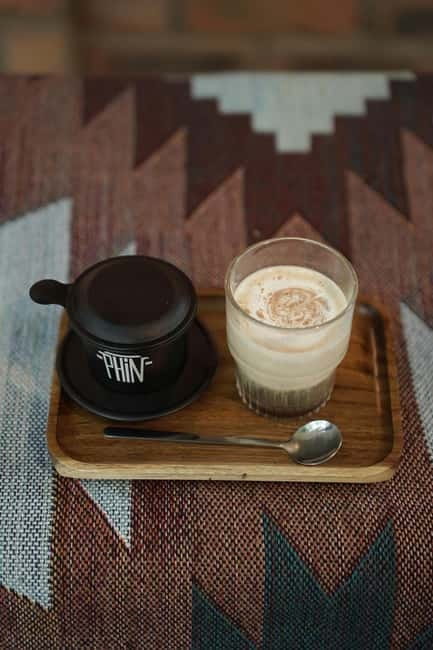
The phin is a small metal filter placed over your cup. Ground coffee goes inside, followed by a top filter and hot water. The coffee then drips slowly into the cup below.
This method rewards patience. You can see the coffee forming drop by drop, which makes the process feel quite different from pressing a button on a machine. The workshop gives you time to handle the phin and understand the basic steps before moving into the specialty drinks.
For you, the value is practical. Once you know how a phin works, you can order Vietnamese coffee with more confidence and use the same method at home. One participant enjoyed the class so much that they bought a filter afterward for home use. The recipe handout adds to that usefulness.
Classic phin coffee is also a good reference point for the other three recipes. Taste it before the sweet and creamy additions, and you get a clearer idea of how much each ingredient changes the cup.
Making egg coffee with a creamy top
Egg coffee is the most surprising drink in the workshop for many people. It combines strong Vietnamese coffee with a sweet egg mixture that creates a smooth, creamy layer.
The appeal is partly in the contrast. The coffee remains bold underneath, while the egg topping softens the bitterness and gives the drink a dessert-like texture. You prepare the recipe yourself, so the class helps you understand how the topping comes together rather than leaving it as a mysterious café trick.
This is a good choice for people who do not normally drink coffee. One participant who rarely drinks coffee found the Vietnamese versions appealing, and another said their partner, who is not a major coffee drinker, still enjoyed the class and the drinks.
Still, egg coffee is sweet and filling. Since you will also make three other recipes, treat this as one part of a tasting session rather than a full-size daily coffee routine.
Same city, a very different kind of morning:
- Hue Customizable Tour with Imperial Citadel & Forbidden City
★ 4.9 · 937 reviews - Hue :Exploring Royal City with Multi Options and Dragon Boat
★ 5.0 · 675 reviews - Hue City Tour Full Day – Group Tour
★ 4.7 · 518 reviews - From Hue: DMZ Tour with Vinh Moc Tunnels and Khe Sanh Base
★ 4.9 · 503 reviews
Mixing salt coffee without overdoing the salt
Salt coffee sounds odd until you try it. The salt is used in a small amount to balance the coffee’s bitterness and support the sweetness. It should not taste like a cup of seawater.
The lesson here is restraint. You learn how a tiny adjustment can change the flavor of strong Robusta coffee. That makes salt coffee more than a quirky item on a café menu. It becomes a simple example of how Vietnamese recipes use contrast.
The workshop is especially good for curious eaters who want to understand the method behind a local specialty. You get to prepare the drink, taste the result, and compare it with the plain phin version.
The salt coffee is also one of the recipes people most want to repeat at home. Since the ingredient list is simple and the handout is included, you leave with a clear way to try it again. Be aware that the class offers a lot of coffee overall, so you may prefer small sips of each drink rather than finishing every cup.
Preparing coconut coffee, hot and cold
Coconut coffee brings a softer, sweeter flavor to the tasting. The supplied description identifies it as one of the four main recipes, and the class includes the ingredients and tools needed to make it.
The drink gives the workshop a different texture and flavor from the egg and salt versions. It is a useful reminder that Vietnamese coffee is not one fixed recipe. The same strong base can be paired with several ingredients to create drinks that feel very different.
One participant described learning to make both hot and cold drinks, so the session is not limited to a single style of serving. Ask your host about the preparation as you work, especially if you want to recreate the recipe in another climate or with ingredients available at home.
Coconut coffee may be the easiest style for someone who finds black Robusta too intense. Its sweetness and creamy character help balance the coffee’s strength, though the exact preference will depend on how you take your coffee.
Why the small group makes a difference
The class is limited to eight participants. That number is small enough for the host to watch your technique, answer questions, and keep the session conversational.
The difference between a demonstration and a workshop is important here. You are not sitting at a table while someone else makes four drinks. You handle the filters, follow the recipes, and taste what you produce. If the group is very small, you may get an even more personal session. One participant had a solo class, while another attended with a family of five.
The social side is part of the appeal. A couple described having plenty of conversation and laughs, while solo participants found the format comfortable. You can ask about coffee, Hue, and Vietnamese customs without trying to get the attention of a large crowd.
The instructor’s style seems to shape the mood. Duck is repeatedly praised for humor and warmth, and Uyen is described as a friendly teacher. Daisy and Annie also received praise for making the class enjoyable and explaining the drinks with care. If you enjoy learning through conversation, this is likely to suit you better than a formal cooking school.
What the four tastings mean for your day
Ninety minutes is a sensible length. It is long enough to cover the bean introduction, four recipes, tasting, and questions, but short enough to fit around visits to Hue’s Imperial City, royal tombs, or other plans.
The coffee volume is the one practical issue to plan around. You are not receiving four tiny aroma samples. You make and taste four drinks, and one participant specifically noted that there was more coffee than they could finish. Eat something beforehand if strong coffee on an empty stomach bothers you, and avoid scheduling another caffeine-heavy activity right afterward.
This class works particularly well on a rainy afternoon. One coffee enthusiast called it a rewarding indoor activity on a wet day, and Hue’s weather can make a flexible plan useful. It also gives you a quieter change of pace after busy sightseeing.
If you are sensitive to caffeine, the experience may require moderation. If you love coffee, the generous tasting format is a benefit. Either way, you can focus on comparing flavors instead of drinking every cup to the last drop.
The $18 price and what you receive
At $18 per person, this is not just a café stop. The fee covers a guided workshop, all ingredients, traditional phin filters, Robusta beans, four prepared drinks, drinking water, and a recipe handout.
The strongest value comes from the instruction and repeatability. You leave knowing how the drinks are made, not just knowing which one you liked best. The handout means the experience can continue after your trip, especially if you buy a phin filter or already have basic kitchen tools.
For a family, the total cost rises, but the format can work well. A family of five enjoyed the class, and the hands-on structure gives children and adults something concrete to do. Very young children may not benefit from tasting strong coffee, but the provided information only confirms that the activity itself is wheelchair accessible, not that it is designed specifically for children.
For solo visitors and couples, the price buys a personal cultural activity with a clear beginning and end. You also avoid spending an entire morning or afternoon on a class when your Hue schedule is tight.
The booking terms add flexibility. You can reserve now and pay later, and cancellation is free up to 24 hours before the activity for a full refund. Starting times vary, so check availability for the date you want.
Who should book this Hue experience?
I would choose this workshop if you want a local food experience with something to do with your hands. It suits coffee fans, curious eaters, solo visitors, couples, and families who like small-group activities.
It is also a good pick if you are not a regular coffee drinker. The egg, salt, and coconut recipes make the session broader than a lesson in black coffee, and several participants enjoyed the drinks despite not usually drinking coffee.
You may want to skip it if you dislike sweet drinks, strong caffeine, or tasting several preparations in one sitting. The class is built around trying all four styles, so it is not ideal for someone who wants only a quick cup of plain coffee.
Bring an appetite for experimentation, not necessarily an empty schedule. The workshop takes 90 minutes, and the recipe handout gives you a useful souvenir that weighs less than a ceramic coffee set.
My recommendation for booking
I recommend the Hue Brew Egg, Salt, and Coconut Coffee workshop for most visitors who want a relaxed cultural activity. The best parts are the hands-on phin brewing, the warm local instruction, and the chance to take the recipes home.
Book it earlier in your Hue stay if you can. That gives you time to return to local cafés with a better understanding of what is in your cup. Just plan for the caffeine, follow the alley directions carefully, and remember that tasting four coffees is more substantial than the title may suggest.
FAQ
How long does the Vietnamese coffee workshop last?
The workshop lasts 90 minutes.
How much does the coffee class cost?
The price is $18 per person.
Which Vietnamese coffees will I make?
You will make classic phin coffee, egg coffee, salt coffee, and coconut coffee.
Are the ingredients and equipment included?
Yes. The activity includes all ingredients and tools for the four recipes, including traditional phin filters and Robusta beans.
Can I taste the coffees I prepare?
Yes. Coffee tasting of all four drinks is included.
Is the class taught in English?
Yes. The host can teach in English and Vietnamese.
How large is the group?
The class is limited to eight participants.
Is the activity wheelchair accessible?
Yes, the activity is listed as wheelchair accessible.
Where is the meeting point?
Enter alley number 1 on Hoàng Quốc Việt Street and walk about 50 meters. The Huế Experience signboard marks the meeting point.
Can I cancel the booking?
Yes. You can cancel up to 24 hours in advance for a full refund. You can also reserve now and pay later.
New around Hue Vietnam
- Phong Nha National Park: Paradise Cave Half-Day Tour★ 5.0 · 23 reviews
- Official Hue: Dragon Boat, Imperial Citadel, & Market tour★ 4.7 · 32 reviews
- Hue to Hoi An by bus: Hai Van Pass, Lang Co, Marble mountain★ 4.6 · 27 reviews
- Hue to Hoi An/Da Nang: Private Scenic Motorbike Tour★ 4.9 · 63 reviews
- Hue: Royal Tombs Private Tour with 3 Best Tombs & Pagoda★ 4.9 · 213 reviews
- Hue Royal Tombs Tour: Visit Best Pagodas & Mausoleums★ 4.9 · 19 reviews
- Hue: Private Transfer to/from Hoi An via Sightseeing Stops★ 4.9 · 111 reviews
- Hue : Private Day Trip to DMZ : Vinh Moc tunnel & Khe Sanh★ 5.0 · 26 reviews
Hue Tours, compared.
Hue to Hoi An ( Hoi An to Hue) Top Gear with Lefamily Riders Tours ( 1 way)
Read our review →
Easy Rider private tour via Hai Van pass from Hue – Da Nang – Hoi An (1Way|Loop)
Read our review →
Hue Customizable Tour with Imperial Citadel & Forbidden City
Read our review →
Imperial City, Hue: Day Tour from Hoi An and Da Nang
Read our review →
Easy Rider From Hue Da Nang Hoi An Via Hai Van Pass With Mister T
Read our review →
Hue to Dn/Hoi An: Hai Van Pass, beaches & Mt Monkey or vice versa
Read our review →
Imperial City Walk, Motorbike Tour & Private Car Options
Read our review →
Exploring Royal City with Multi Options and Dragon Boat
Read our review →Browse the lists this tour appears in