
Reviewed · COOKING CLASSES IN HANOI
Hanoi: Old Quarter Market Tour and Cooking Class with Meal
Come hungry and ready to get your hands dirty. This 3.5-hour experience pairs a guided walk through a local wet market with a practical Vietnamese cooking class at Hoang’s Restaurant in Hanoi’s Old Quarter. You shop for ingredients with a local chef, taste market snacks, prepare several traditional dishes, then sit down to eat what you made.
I especially like the market visit, which gives you useful context for Vietnamese food instead of dropping you straight at a cooking bench. I also like the generous format: you normally choose three dishes, receive recipes afterward, and finish with egg or coconut coffee. The main consideration is that the market and cooking areas may be difficult for anyone with limited mobility, and transportation to the restaurant is not included.
The class is led in Vietnamese and English, with staff members such as Daisy, Laura, Kitty, Tun, Jenny, Tracy, and the chefs often helping at different sessions. That means the exact host can vary, but the repeated strength is clear: friendly guidance, patient instruction, and plenty of food.
In This Review
- Five things to know before you book
- Meeting at Hoang’s Restaurant in the Old Quarter
- Inside Hanoi’s wet market with Daisy, Laura, or another local host
- Choosing three Vietnamese dishes to cook
- The 2.5-hour cooking class: hands-on, not just a demonstration
- Eating the food you prepared
- How the guides shape the experience
- Is $42 a fair price?
- Practical details that affect your choice
- Who should book this Hanoi food experience?
- Should you book Hoang’s cooking class?
- FAQ
- How long does the Hanoi market and cooking class last?
- Where does the experience begin?
- Is transportation included?
- What dishes can I prepare?
- Can dietary requirements be accommodated?
- Is coffee included at the end?
Five things to know before you book
- You shop before you cook: A local guide takes you through a nearby wet market and explains unfamiliar vegetables, herbs, fruit, and other ingredients.
- You usually choose three dishes: Options can include pho, bun cha, spring rolls, banh xeo, fried fish, stir-fried chicken, grilled beef with betel leaves, and salads.
- The meal is part of the lesson: You eat the food prepared during class, with a soft drink included.
- Egg or coconut coffee finishes the class: This gives you a taste of two of Hanoi’s popular sweet coffee styles.
- Recipes and a chef’s certificate are included: You leave with a practical reminder of the dishes, not just a full stomach.
Meeting at Hoang’s Restaurant in the Old Quarter
The experience begins at Hoang’s Restaurant, identified by its red panels. Go inside and check in with the staff. Since transportation is not included, you need to make your own way to the meeting point, so allow extra time if you are crossing the Old Quarter on foot or arriving by taxi.
The class offers a morning option for lunch or an afternoon option for dinner. The full activity lasts about 3.5 hours, with the cooking portion listed at roughly 2.5 hours. That leaves time for the market walk, tastings, the welcome drink, and coffee at the end.
I like this schedule because it gives the market visit a proper role. You are not simply shown a few ingredients on a table. You see food being sold in the place where local cooks buy it, then use some of those ingredients yourself.
The meeting point is also the ending point. That is handy if you have another Old Quarter plan afterward, though you should not expect hotel pickup or a ride to your next stop.
More Cooking Classes in Hanoi
- Hanoi Cooking Class: Culture, Local Market & Meaning CSR Impact
★ 5.0 · 5,147 reviews - 5 Traditional Dishes Hanoi Cooking Class with Market Trip
★ 5.0 · 4,890 reviews - Vietnamese Food Cooking Class in Hanoi with Market Experience
★ 5.0 · 778 reviews
Inside Hanoi’s wet market with Daisy, Laura, or another local host
The market walk is the most distinctive part of the experience. Your guide takes you to a nearby wet market to select fresh ingredients for the dishes you will cook. This is where the class becomes more than a standard restaurant demonstration.
You can expect explanations of Vietnamese produce and help identifying items that may be unfamiliar. The guides also translate and answer questions, making the visit easier for English speakers. Daisy is praised for being friendly, patient, and informative, while Kitty is noted for explaining local foods clearly. Other sessions have included Laura, Jenny, Tracy, and Tun.
The market is also a chance to try local snacks. Fruit tastings are one example, and the food stops give you a quick sense of the flavors used in Vietnamese cooking. You may see ingredients in their everyday setting rather than as tidy portions prepared for tourists.
Bring comfortable shoes and clothes. A wet market can be crowded, damp, and busy underfoot, and you may spend a good amount of time standing. The activity is specifically not suitable for people with mobility impairments, so this is an important point to consider before booking.
The guide helps bridge the gap between looking and understanding. You might recognize herbs or noodles from restaurant meals, but the market visit shows you how they appear before preparation. That knowledge makes the cooking lesson easier to follow later.
Choosing three Vietnamese dishes to cook
The dish selection is a strong feature. You can choose three options from a broad list, with the exact choices depending on the class arrangement. Common options include:
- Green mango salad with or without shrimp
- Beef or chicken noodle soup
- Fried Hanoi spring rolls
- Fresh Hanoi-style spring rolls
- Hanoi fried fish
- Hanoi fried pork
- Stir-fried chicken with chili, lemongrass, and cashew nuts
- Grilled beef wrapped in betel leaves
- Vietnamese pancake
The food list covers several different cooking methods. You may work with soup, frying, grilling, fresh herbs, rice paper, batter, or stir-frying. That variety gives you a better feel for Vietnamese home cooking than preparing three dishes that all use the same technique.
Many people choose pho, bun cha, and banh xeo, while others select fresh rolls, stir-fried tofu and vegetables, or spring rolls. Vegetarian requirements can be accommodated if you announce them when booking or before the class begins. Do not wait until the cooking has started, since the ingredients need to be arranged in advance.
Private classes allow more room to customize the dishes. Small-group classes are also available, and the social side can be part of the appeal. You may prepare food with other people, then share the finished meal at the restaurant.
The choice is useful for repeat visitors to Vietnam, too. If you already know pho, you might select a pancake, salad, or grilled dish instead. If you are new to Vietnamese food, choosing a familiar noodle soup alongside less familiar dishes can make the lesson more approachable.
The 2.5-hour cooking class: hands-on, not just a demonstration
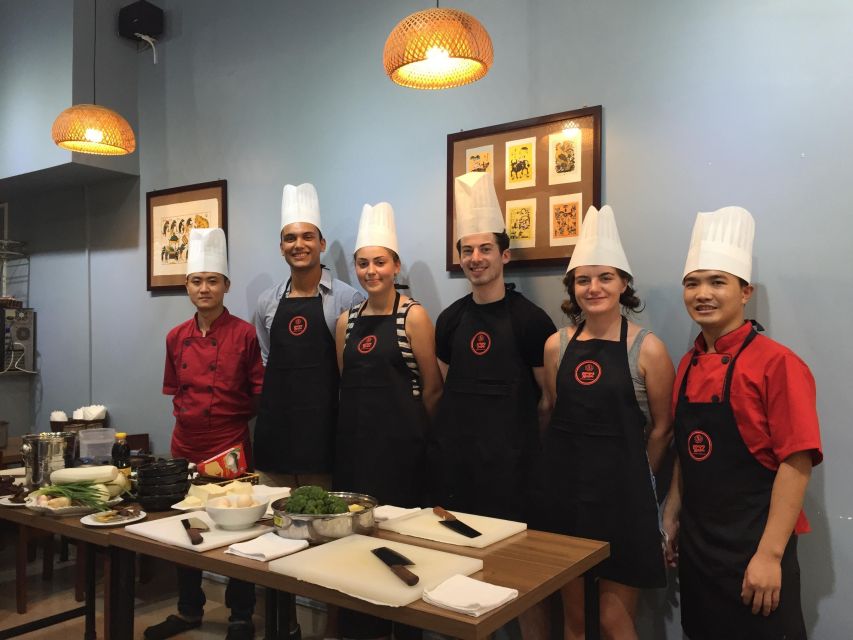
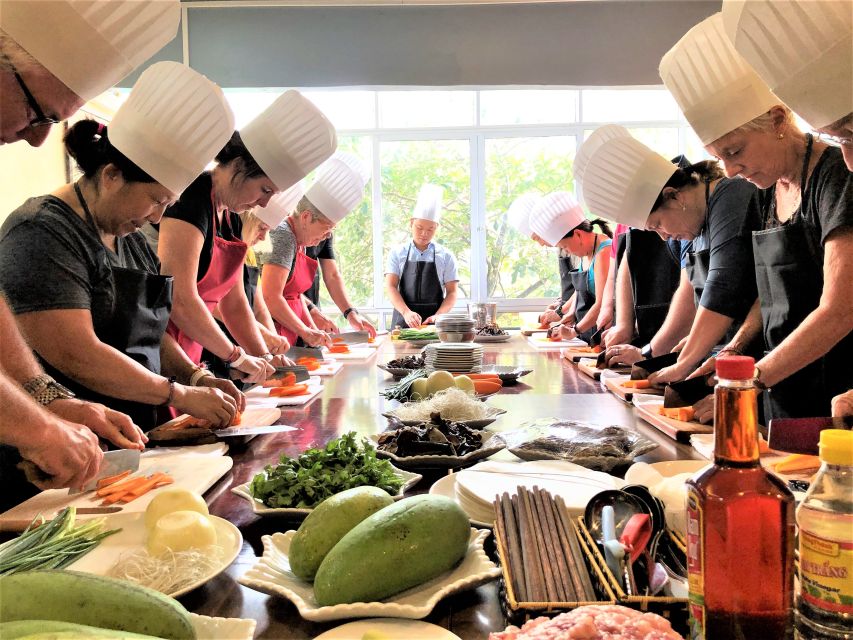
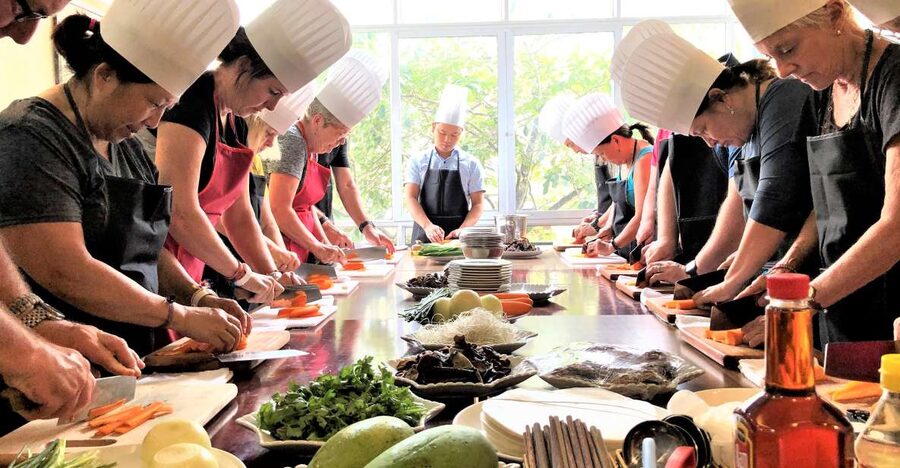
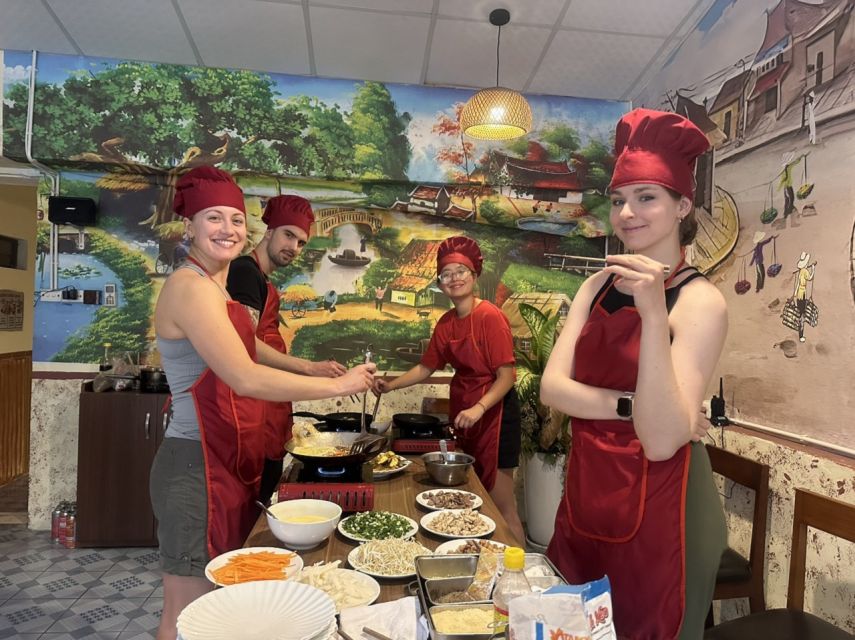
Back at Hoang’s Vietnamese Restaurant and Cooking Class, you begin preparing the ingredients with step-by-step help from the guide and chef. The format is hands-on, so you should expect to chop, mix, roll, season, and cook rather than simply watch someone else work.
Daisy and the chef often share the teaching. In some sessions the guide explains the process in English while the chef demonstrates the cooking. This arrangement works well because you get both language support and practical instruction at the stove.
The class is suited to beginners. The instructions are broken into manageable steps, and the chef stays nearby to show you how each part should look. If you are already comfortable in a kitchen, you may still appreciate the chance to work with local ingredients and learn the restaurant’s approach to familiar dishes.
One useful detail is the amount of food. Portions can be large, and some groups find they prepare more than they can eat. That is a pleasant problem, but arrive with an empty stomach and avoid planning a large meal immediately afterward.
The room has air conditioning, which matters in Hanoi’s warm weather. Cooking over heat can be tiring, so the cooler indoor setting makes the long lesson more comfortable. You also receive a welcome drink and a soft drink with the meal, while any additional drinks cost extra.
The recipes are sent or provided after class. This is one of the best practical benefits because Vietnamese cooking depends on several steps that are easy to forget once you leave Hanoi. The recipe sheets give you a chance to recreate the meal at home, even if your local ingredients are not exactly the same.
More Market Tours in Hanoi
- Hanoi: 5 Local Dishes Cooking Class with Meal & Market Visit
★ 5.0 · 420 reviews - Hanoi Cooking Class and Market Tour in Ancient House
★ 5.0 · 379 reviews - Rose Kitchen Hanoi: Market, Cooking & Culture Tour + Free PickUp
★ 5.0 · 342 reviews - Hanoi Maya Kitchen: Traditional Cooking Class & Market Tour
★ 5.0 · 287 reviews
Eating the food you prepared
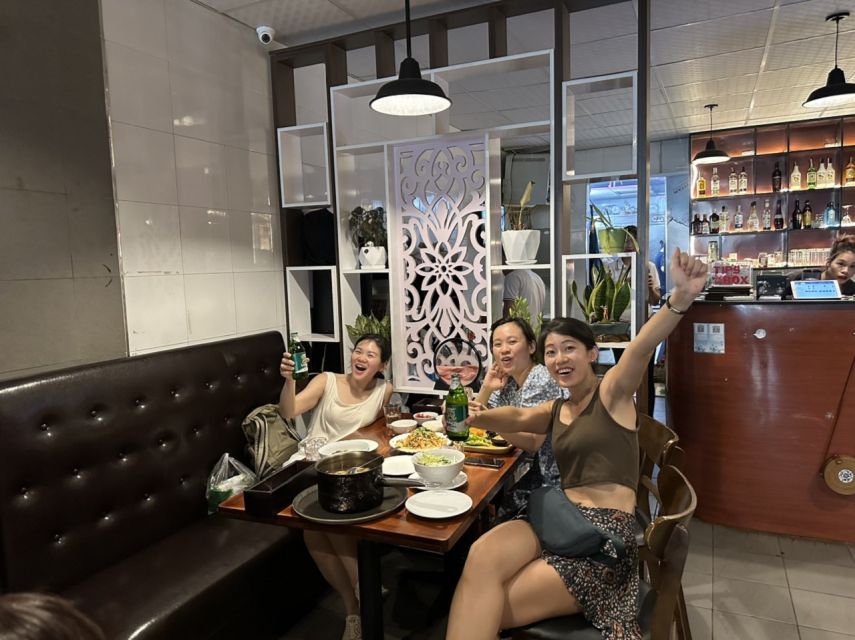
At the end of the cooking session, you sit down and eat the dishes you have made. That changes the tone of the class from instruction to a proper meal, and it gives you an immediate test of your own work.
The food is generally described as fresh and flavorful, especially because the ingredients were chosen at the market earlier in the day. You can compare the different dishes and see how herbs, sauces, noodles, vegetables, and meat work together across Vietnamese recipes.
The meal includes a soft drink. Additional drinks are not included, so check the menu if you want something else. The restaurant setting also gives you a more relaxed place to eat than standing at a cooking station.
I like the connection from market to table. You see the raw ingredients, prepare them with guidance, and then eat the finished dishes. That simple sequence gives the experience a clear purpose and makes the meal feel earned without turning the class into hard work.
The class ends with egg coffee or coconut coffee. Egg coffee is a Hanoi specialty made with a sweet, creamy topping, while coconut coffee offers a different sweet and chilled style. Neither is just an afterthought. The coffee is a pleasant final taste of Hanoi and a good way to close a food-focused morning or afternoon.
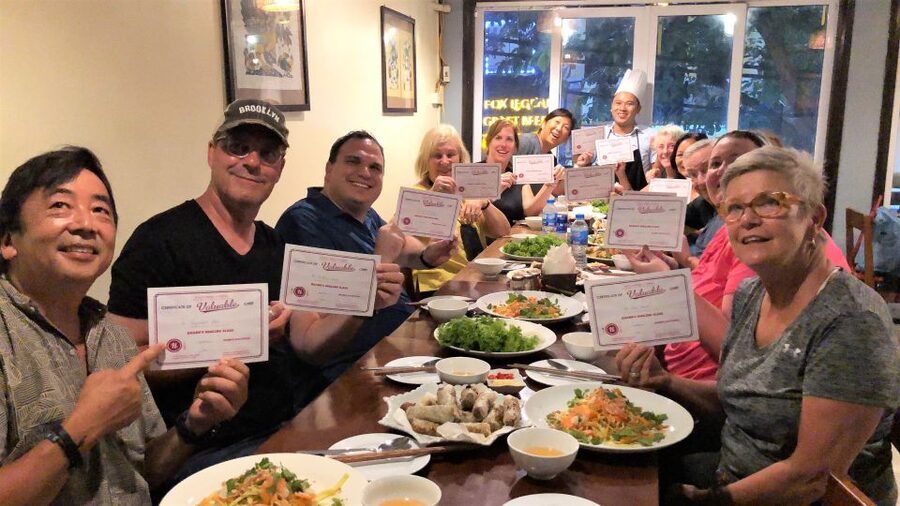
You also receive a certificate from the chef. It is a small souvenir rather than a serious qualification, but it is a nice extra, especially if you are taking the class as part of a special trip.
How the guides shape the experience
The hosts are a major reason this class works. Daisy appears often in the session descriptions and is praised for her warmth, clear explanations, and patience. Laura is also noted for her enthusiasm and friendly teaching style. Kitty has been appreciated for explaining local ingredients and sending recipes after class.
Chef Dragon, Chef L, Chef T, Chef Thuong, and Chef EL are among the chefs who may lead the cooking portion. The exact staff member can vary, so you should book for the format rather than for a guaranteed individual guide.
The best sessions seem to have a good partnership between guide and chef. The guide handles translation and market explanations, while the chef focuses on preparation and cooking technique. That division helps keep the lesson moving.
Private bookings can feel especially personal. One solo participant ended up with a private class, while another group found itself in a one-to-one setting. You cannot count on that arrangement, but small groups offer a better chance for direct help than a large class.
Families can also find the class workable. A session involving children aged four and six was described as enjoyable for the whole family. Still, children under one year are not suitable for the activity, and the market walk requires attention around people, food, and uneven movement.
Is $42 a fair price?
At $42 per person, this is not the cheapest meal in Hanoi. It is also much more than buying a bowl of pho or a few street snacks. The price makes more sense when you count the full package: a guided market visit, tastings, ingredients, a hands-on class, the meal, a soft drink, coffee, recipes, and a certificate.
I consider it good value if you want an activity rather than just lunch. You are paying for instruction, translation, food shopping, and several hours with a local team. The recipes add lasting value because you can use what you learn after returning home.
The value is stronger for people who enjoy cooking or want a structured introduction to Vietnamese food. It is less compelling if your only goal is to eat cheaply, or if you prefer to spend your time sampling food without preparing it.
Private and small-group options may suit you if personal attention matters. A private class gives you more say in the dishes and may make it easier to discuss dietary needs. A group class can be more social and may help keep the cost sensible for people who like meeting others.
Practical details that affect your choice
Choose the morning class if you want to prepare lunch and keep your afternoon open. Choose the afternoon class if dinner fits your schedule better. Either way, set aside the full 3.5 hours rather than trying to squeeze the activity between tight sightseeing plans.
Wear comfortable clothes and shoes. The market portion involves walking and standing, while the cooking portion may require you to work around a kitchen station for an extended period.
Tell the provider about dietary requirements at booking or before class starts. Vegetarian cooking has been accommodated, but advance notice is important so the available dishes and ingredients can be adjusted.
The class is offered in Vietnamese and English. Transportation is not included, and additional drinks are extra. Free cancellation is available up to 24 hours before the activity for a full refund, and you can reserve now and pay later if you want to keep your plans flexible.
The activity ends at Hoang’s Restaurant, where it begins. It is not suitable for people with mobility impairments or babies under one year.
Who should book this Hanoi food experience?
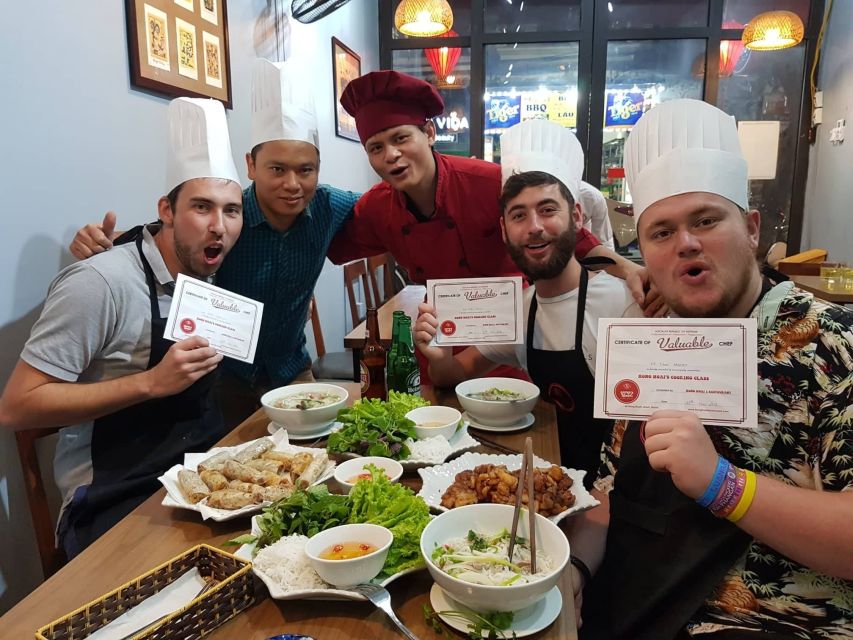
I would recommend it to first-time visitors who want context for Vietnamese food, home cooks who enjoy learning techniques, couples looking for a shared activity, and families with older children who can manage a market walk and cooking session.
It also suits solo visitors. If the class is quiet, you may receive plenty of individual attention, as happened in some sessions. The guide support is useful when you want to ask questions about ingredients or dishes without feeling lost.
I would be more cautious if you have limited mobility, dislike wet markets, or want a quick and passive food tour. The market is an active part of the experience, not a decorative stop, and the class takes several hours.
Should you book Hoang’s cooking class?
Book it if you want to connect the food on your plate with the ingredients sold in Hanoi’s local markets. The strongest parts are the market explanations, the freedom to choose several dishes, the friendly guides, and the chance to eat your own work afterward.
At $42, the class offers solid value for a half-day activity, especially with recipes, coffee, tastings, and a full meal included. Just wear sensible shoes, arrive hungry, disclose dietary needs early, and plan your route to the red-paneled restaurant yourself.
FAQ
How long does the Hanoi market and cooking class last?
The activity lasts 3.5 hours, including the market visit, tastings, cooking class, meal, and coffee. The cooking portion lasts about 2.5 hours.
Where does the experience begin?
Meet at Hoang’s Restaurant in Hanoi’s Old Quarter. Look for the restaurant with red panels and check in with the staff inside.
Is transportation included?
No. You must make your own way to Hoang’s Restaurant, and the activity ends back at the same meeting point.
What dishes can I prepare?
Possible dishes include pho, green mango salad, fried or fresh spring rolls, Hanoi fried fish, Hanoi fried pork, banh xeo, grilled beef with betel leaves, and stir-fried chicken with chili, lemongrass, and cashews. The available selection may allow you to choose three dishes.
Can dietary requirements be accommodated?
Yes, but you should announce dietary requirements when booking or before the class begins. Vegetarian dishes have been accommodated in past sessions.
Is coffee included at the end?
Yes. The experience includes a cup of egg coffee or coconut coffee, along with a welcome drink, a meal, and a soft drink. Additional drinks are not included.
More Workshops in Hanoi
- Hanoi Coffee Workshop: Taste Salt, Coconut and Egg Coffee
★ 5.0 · 1,286 reviews - Hanoi: Salt Coffee Workshop Awake Your Senses With 6 Brews
★ 5.0 · 792 reviews - Hanoi: Handcrafted Wood Carving Workshop with Local Artisan
★ 5.0 · 733 reviews - Hanoi Cooking Class: Pho/Bun Cha/Banh Xeo…+Free Egg/Salt Coffee
★ 5.0 · 267 reviews
More Shopping Tours in Hanoi
- Cooking class with market visit
★ 5.0 · 49 reviews - Cooking Class Hoi An:Local Market, Basket Boat, Fishing & Cooking
★ 5.0 · 3,660 reviews - Hoi An Cooking Class(Market,BasketBoat Crabfishing&Cooking Class)
★ 5.0 · 3,386 reviews - From Hoi An: Market Tour, Basket Boat Ride and Cooking Class
★ 4.8 · 2,208 reviews
New around Hanoi
- Private LUXURY Hanoi City Full day guided tour★ 4.5 · 21 reviews
- Private transfer between Hanoi and Sapa★ 5.0 · 27 reviews
- Private Transfer Hanoi <=> Mai Chau One Way (Free hotel pickup)★ 5.0 · 22 reviews
- Private Transfer from Ninh Binh to Halong or Halong to Ninh Binh★ 5.0 · 21 reviews
- Private Transfers Hanoi <=> Halong One Way (Free Hotel Pickup)★ 5.0 · 31 reviews
- Hanoi Airport See-off (Private Ride from Hotels to Hanoi Airport)★ 4.5 · 70 reviews
- Thang Long Water Puppet Theater★ 4.5 · 45 reviews
- Private transfer Ninh Binh <=> Halong One Way (Free Hotel Pickup)★ 5.0 · 21 reviews
Cooking Classes in Hanoi, compared.

Hanoi Cooking Class: Culture, Local Market & Meaning CSR Impact
Read our review →
5 Traditional Dishes Hanoi Cooking Class with Market Trip
Read our review →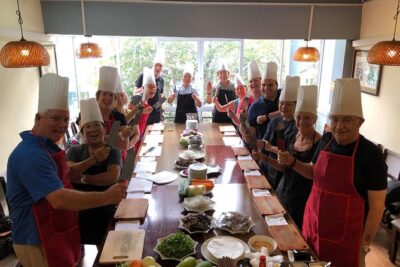
Vietnamese Food Cooking Class in Hanoi with Market Experience
Read our review →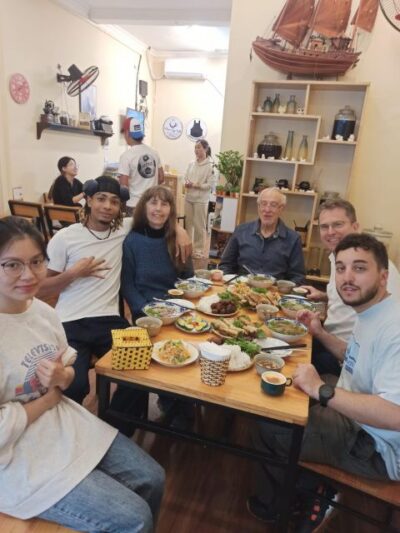
5 Local Dishes Cooking Class with Meal & Market Visit
Read our review →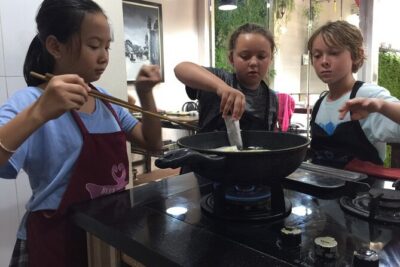
Hanoi Cooking Class and Market Tour in Ancient House
Read our review →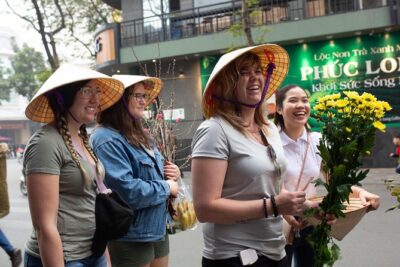
Hanoi Maya Kitchen: Traditional Cooking Class & Market Tour
Read our review →
Hanoi Cooking Class: Pho/Bun Cha/Banh Xeo…+Free Egg/Salt Coffee
Read our review →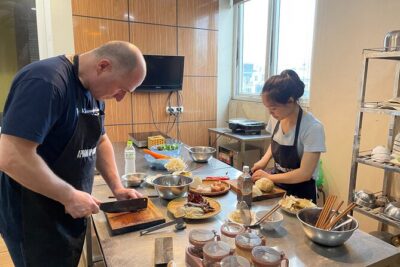
Private Cooking Class with 5 dishes of your choice
Read our review →Browse the lists this tour appears in