
Reviewed · SAPA TOURS
Number one top rated ethical cultural trekking and homestay by ETHOS
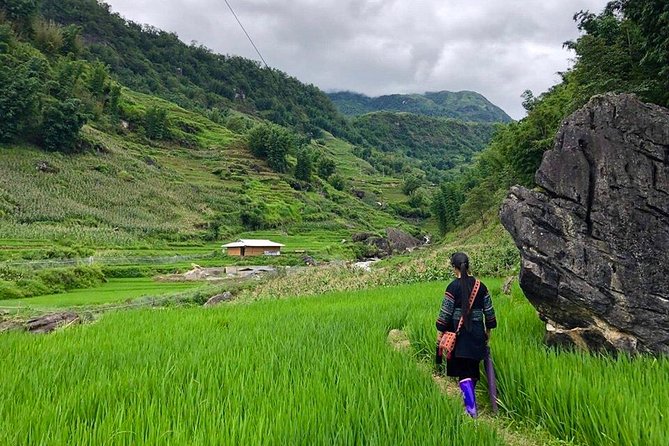
Rice terraces make a fine front door. This private two-day trek brings you into Sapa Valley by foot, through rice fields, bamboo forests, and traditional villages, then gives you a night with a local host family. I especially like the small private format, since your guide can adjust the pace and route, and I like the direct community connection, with meals and village time built into the experience. The main consideration is the physical effort: the first day covers about 14 kilometers, including a steep climb, so this is not a gentle sightseeing walk.
The price is $93.34 per person, including two lunches, dinner, breakfast, drinks, transport, and the homestay. That is a fair package for a private experience, but you should come ready for simple accommodation and uneven mountain paths. The second day is more flexible, which helps balance the demanding first day.
In This Review
- What makes this Sapa trek different
- Starting in Sapa at 8:30 a.m.
- The first six kilometers through terraces and villages
- The steep two-kilometer climb
- Lunch with the host family
- An evening at a village homestay
- A flexible second morning
- What the guides add to the walk
- Price, meals, and what you receive
- Who should book this experience?
- Practical advice before you go
- Should you book the ETHOS Sapa trek?
- FAQ
- Where does the Sapa trek begin?
- What time does the trek start?
- How long is the experience?
- How far is the first day’s walk?
- Is the trek physically difficult?
- Where do you sleep?
- What meals are included?
- Is transportation included?
- Can the experience be canceled because of weather?
What makes this Sapa trek different
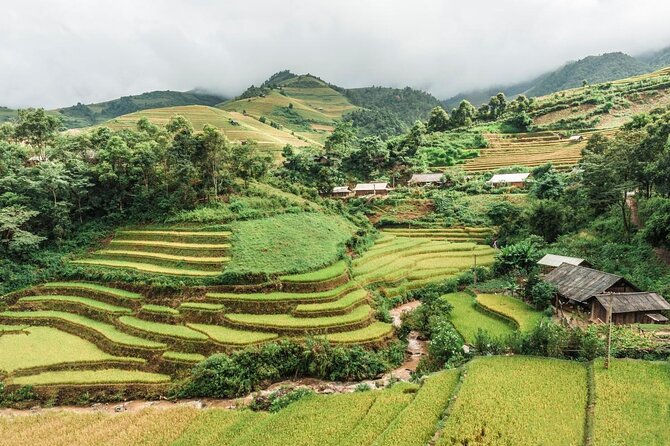
- A full 14-kilometer first day: You cross rice terraces and villages before tackling a steep two-kilometer climb.
- A real village overnight: The homestay puts your evening meal and breakfast in a local family setting rather than a hotel in Sapa.
- Private guiding for your group: Only your party participates, so the pace and second-day distance can be adjusted.
- Direct contact with Hmong and Dao culture: Guides such as Cha, Ha, Ker, My, and Kae have helped visitors understand family life, local customs, plants, and village routines.
- A practical return plan: After the second morning’s walk, a taxi brings you back to Sapa in the afternoon.
- A strong ethical focus: ETHOS channels the experience toward community livelihoods and cultural exchange, not just scenic photo stops.
Starting in Sapa at 8:30 a.m.
Your day begins at the ETHOS center at 79 Nguyen Chi Thanh Street in Sapa. The start time is 8:30 a.m., giving you a clear morning departure rather than a vague hotel pickup window.
The opening matters because ETHOS uses the center to explain the purpose of the trek and provide context before you head into the valley. Hoa has been praised for giving a useful introduction to the region, while guides such as Cha and Ker have helped explain local life and the traditions of Hmong and Dao communities.
I like this approach. A walk through attractive villages can remain shallow if nobody explains what you are seeing. Here, the introduction helps you look past the terraces and notice how the villages function as homes, farms, and working communities.
The tour requires at least two people per booking. It is private, so your group does not have to match the pace of strangers. That is especially useful when one person wants to stop for photographs, ask questions, or take a break.
A few more Sapa runs to compare on price
- Sa Pa: Muong Hoa Valley Trek and Local Ethnic Villages
★ 4.6 · 864 reviews - Sapa: Eco Adventure Terrace Fields and Local Villages Trek
★ 4.9 · 636 reviews - From Sapa: 1-Day Guided Trek to Lao Chai & Ta Van with Lunch
★ 4.9 · 416 reviews
The first six kilometers through terraces and villages
The first day covers roughly 14 kilometers. The opening six kilometers are described as relatively easy, though the ground remains undulating rather than flat.
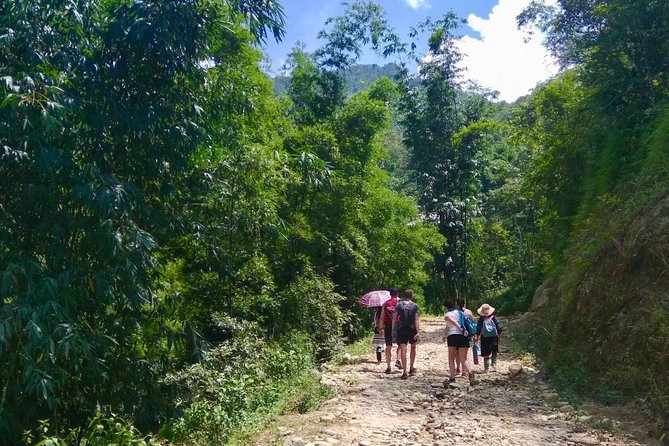
Expect a steady walk through rice terraces and traditional villages. The exact scenery changes with the season and route, but this section is designed to bring you into the valley gradually. You get time to settle into the pace before the harder climb begins.
This is where a local guide adds real value. Guides including My and Ha have been praised for introducing families, explaining village life, and pointing out plants along the route. You are not simply following a path from one viewpoint to another. You have the chance to ask how people live, work, and relate to the land around them.
The word easy needs a little care here. Six kilometers of rolling ground may feel comfortable to a regular walker, but Sapa paths can still be uneven. Wear shoes with a firm grip, and do not treat the early miles as a reason to rush. You still have a long day ahead.
The steep two-kilometer climb
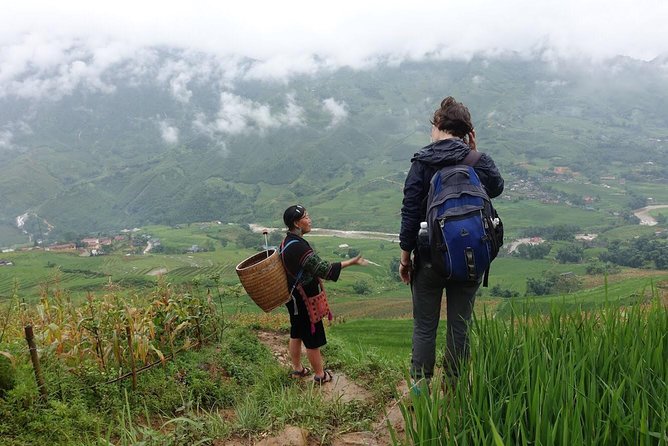
After the easier opening section, the route includes a steep climb of about two kilometers. This is the toughest clearly identified part of the first day.
The climb changes the nature of the trek. You move from a scenic village walk into a proper mountain hike, with effort required before you reach the overnight stop. The private format helps here because your guide can respond to your pace instead of pushing a fixed group schedule.
I would plan this day around the climb, not around the total distance alone. Fourteen kilometers sounds manageable on paper, but undulating paths, a steep section, and stops along the way can make it feel longer than a city walk of the same distance.
Water and refreshments are included, but you should still arrive prepared for sustained walking. The tour calls for a moderate level of physical fitness. That is a sensible description: you do not need to be an athlete, but you should be comfortable walking for several hours on uneven ground.
Lunch with the host family

One of the most appealing details is the chance to stop and cook and share lunch with your host family. Two lunches are included across the two-day experience, and the first day’s meal forms part of the visit rather than functioning as a quick roadside break.
This gives the trek a social center. You can sit down, eat, and talk instead of treating the village as scenery viewed through a moving frame. The family connection also makes the overnight stay feel like part of a wider exchange, not simply a bed placed at the end of a hiking route.
The setting is simple and local. That is the point, but it may not suit someone expecting hotel service or a polished mountain lodge. You should choose this experience because you want contact with village life, not because you want comfort at every step.
Same city, a very different kind of morning:
- Sapa: Fansipan Cable, Cat Cat Village & Moana Instagram Tour
★ 5.0 · 777 reviews - Cat Cat Village, Moana, Fansipan Cable Car, Alpine Coaster – Sapa
★ 5.0 · 420 reviews - Sa Pa Full Day Trekking Tour
★ 5.0 · 414 reviews - Sapa 1 Day Long Trek: Trek to Hau Thao and Sa Seng Villages
★ 4.6 · 344 reviews
An evening at a village homestay
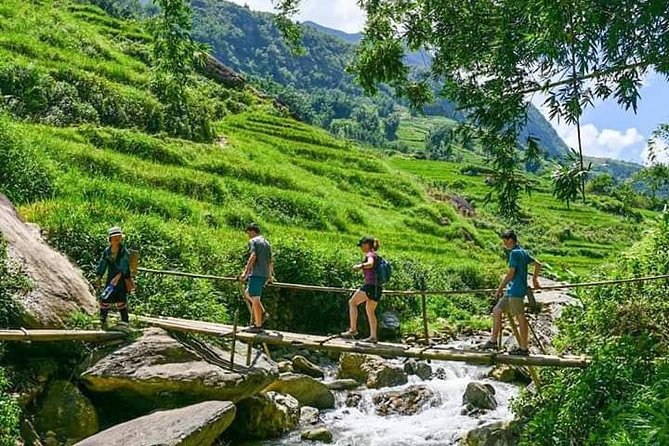
The overnight homestay is the heart of the experience. You spend the night with a host family in a village among rice paddies, with dinner included.
The strongest praise for the tour centers on this personal side of the trip. Cha has been described as a warm guide and host, while Ker has been praised for combining humor, local understanding, and practical guiding. Other guide pairings, including Ha, My, and Kae, have helped visitors meet families and gain a closer look at daily life.
Guide assignments can vary, so you should not book expecting one particular person unless ETHOS confirms it. Still, the repeated strength of the guide element is clear. The value comes from the conversation and introductions as much as from the walking.
A homestay also asks you to be flexible. The supplied details confirm the accommodation, dinner, and breakfast, but they do not promise particular room arrangements or hotel-style facilities. If you need a specific standard of privacy or comfort, ask ETHOS before booking.
The ethical focus is important here. ETHOS presents the trek as a way to support community livelihoods and create culturally respectful contact. That gives your spending a clearer local purpose than a standard transport-and-photo tour, though no ethical claim removes the need for visitors to behave carefully. Ask before photographing people, listen to your guide, and remember that the village is a home, not a stage.
A flexible second morning
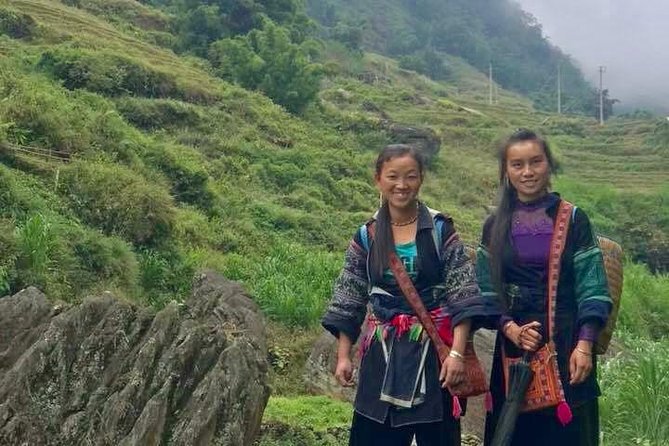
The second day is less fixed than the first. You continue walking in the morning, but the distance and difficulty can be adjusted, and you can choose the destination with your guide.
That flexibility is one of the best practical features. After the longer first day, you may want a shorter walk. If your legs feel good, you can ask for more distance or a tougher route. Since the activity is private, the plan can reflect your group’s energy and interests.
The route may again include villages, forests, and mountain paths. The supplied details do not identify a set second-day destination, so you should discuss your preferred distance and challenge before setting out. This is a strength for mixed abilities, but it also means you should not expect a precisely fixed route.
A taxi pickup in the afternoon returns you to Sapa. Private transportation is included, and the experience ends back at the original meeting point. The return vehicle saves you from having to walk back or arrange your own transport after two days on foot.
What the guides add to the walk
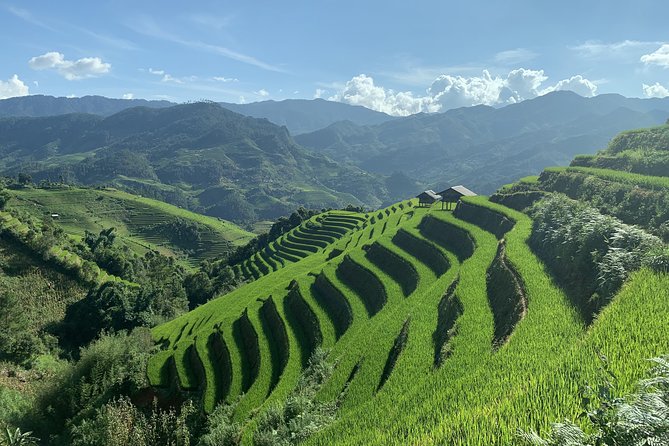
The scenery will get you interested, but the guides are what give the trek meaning. Ha has been praised for explaining family life and local people. My has been valued for showing village routines and introducing families. Kae has led visitors along forest, rice-field, and jungle routes with few other tourists around.
The guide comments also point to a broad range of subjects. You might learn about Hmong and Dao traditions, local plants, family life, and the way village communities relate to their surroundings. The precise conversation depends on your guide and your questions, so come ready to take part.
I would ask questions respectfully and avoid turning the visit into a checklist of cultural displays. The best moments are likely to come from ordinary exchanges: sharing a meal, meeting a family, or stopping to ask about something you see along the path.
The strong 5.0 rating from 456 reviews and a 100 percent recommendation rate indicate unusually consistent satisfaction. Ratings do not remove the physical or comfort considerations, but they do support the idea that ETHOS delivers well on guiding and community contact.
Price, meals, and what you receive
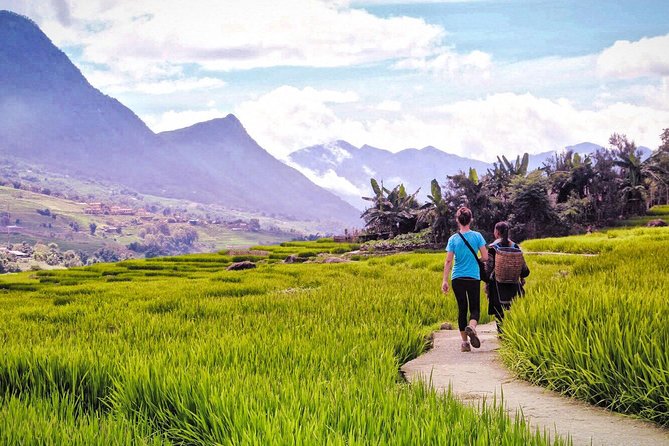
At $93.34 per person, this is not the cheapest way to see Sapa. It is also more than a short valley walk or a group outing with a quick village stop.
The comparison changes when you count what is included:
- Private transportation
- Homestay accommodation
- Two lunches
- Dinner
- Breakfast
- Water and refreshments
- A private guide and private activity
You are paying for two days of guiding, local coordination, food, and an overnight stay, not just for access to a trail. The ethical community focus adds another reason to consider the price. For two people or a small private party, I think the value is good if you want a serious cultural experience.
The package does not include travel insurance. You should arrange that separately, especially for a walking trip in changing mountain weather.
Who should book this experience?
This trek suits you best if you want to walk through the Sapa Valley rather than view it from a vehicle. It is also a good fit if you care about meeting local families, learning about Hmong and Dao life, and spending a night outside Sapa town.
The private setup works well for couples, friends, or a family group that wants control over pace and stops. The flexible second day is useful if your group has different energy levels.
I would think twice if you dislike uneven paths, steep climbs, basic homestays, or shared meals in a local setting. The first day is long, and the description does not suggest a luxury overnight. You should also avoid booking if your main goal is a relaxed hotel break with only a little walking.
The tour needs good weather. If poor conditions force cancellation, you are offered another date or a full refund. You can cancel for a full refund up to three full days before the local start time, but changes or cancellations inside that window are not accepted.
Practical advice before you go
Wear shoes suited to uneven ground and bring clothing that can handle a full day outside. The first day’s length makes comfort more important than appearance.
Keep your daypack light, but carry any personal items you need for the overnight stay. Water and refreshments are included, yet personal preferences and extra needs are your responsibility.
Use the second morning wisely. If the first day leaves you tired, ask for a gentler route. If you feel strong, use the private format to request more walking. The best plan is the one that leaves you happy rather than exhausted before the taxi ride home.
Book ahead if your dates are fixed. This experience is booked an average of 59 days in advance, which suggests that popular travel periods may fill well before arrival.
Should you book the ETHOS Sapa trek?
I would book this trek if your priority is genuine village contact, a local guide, and a proper walk through the Sapa Valley. The host family, included meals, flexible second day, and private format make it more meaningful than a quick viewpoint tour.
I would skip it if you want easy walking or hotel comfort. The 14-kilometer first day and steep two-kilometer climb demand preparation, and the homestay requires an open mind.
For the right person, this is a strong-value two-day experience. You get mountain scenery, village paths, shared food, and a chance to support a community-led approach to tourism. That combination explains why ETHOS is ranked as its top-rated ethical cultural trekking and homestay experience.
FAQ
Where does the Sapa trek begin?
The experience begins at the ETHOS Spirit of the Community center at 79 Nguyen Chi Thanh Street, Sapa, Lao Cai, Vietnam.
What time does the trek start?
The start time is 8:30 a.m.
How long is the experience?
The trek lasts approximately two days.
How far is the first day’s walk?
The first day is approximately 14 kilometers, or about nine miles.
Is the trek physically difficult?
You should have a moderate level of physical fitness. The first six kilometers are relatively easy but undulating, followed by a steep climb of around two kilometers.
Where do you sleep?
You spend the night in a village homestay with a host family.
What meals are included?
The package includes two lunches, one dinner, and breakfast.
Is transportation included?
Private transportation is included. A taxi returns you to Sapa in the afternoon on the second day.
Can the experience be canceled because of weather?
Yes. The experience requires good weather. If poor weather causes cancellation, you are offered a different date or a full refund.
New around Sapa
- Sapa3D2N TrekkingAdventures,Valleys,Bambooforest,Waterfall★ 4.8 · 24 reviews
- Sapa: Y Linh Ho – Lao Chai, and Ta Van Trekking Day Tour★ 5.0 · 25 reviews
- Sapa: Ta Phin Village Trek & Red Dao Herbal Bath★ 5.0 · 22 reviews
- From Sapa: Guided Full-Day Trekking with Lunch and Drop-Off★ 4.2 · 86 reviews
- Sapa: Muong Hoa Mountain Views and Villages Trek with Lunch★ 4.3 · 28 reviews
- Sapa Trekking Bargains With Local Guide★ 4.9 · 91 reviews
- Sapa: Private Highlights Day Tour with Lunch★ 4.8 · 61 reviews
- Sapa: Love Silver Waterfall, LonelyTree in Heaven-Rice Field★ 4.9 · 28 reviews
Sapa Tours, compared.
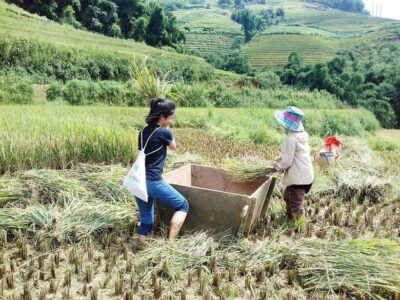
Muong Hoa Valley Trek and Local Ethnic Villages
Read our review →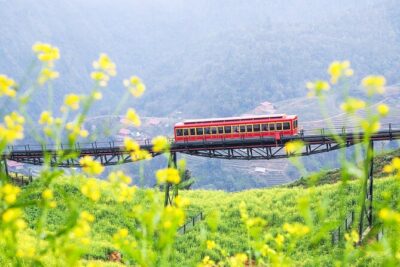
Fansipan Cable, Cat Cat Village & Moana Instagram Tour
Read our review →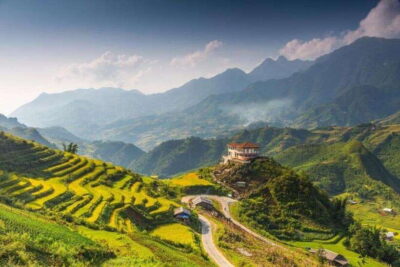
Eco Adventure Terrace Fields and Local Villages Trek
Read our review →
Cat Cat Village, Moana, Fansipan Cable Car, Alpine Coaster – Sapa
Read our review →
1-Day Guided Trek to Lao Chai & Ta Van with Lunch
Read our review →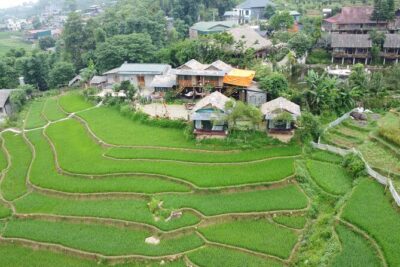
Sapa 1 Day Long Trek: Trek to Hau Thao and Sa Seng Villages
Read our review →Fansipan Cable, Cat Cat Village, Moana Instagram Tour
Read our review →Browse the lists this tour appears in