
Reviewed · SAPA TOURS
Sapa: Ta Phin Village Trek & Red Dao Herbal Bath
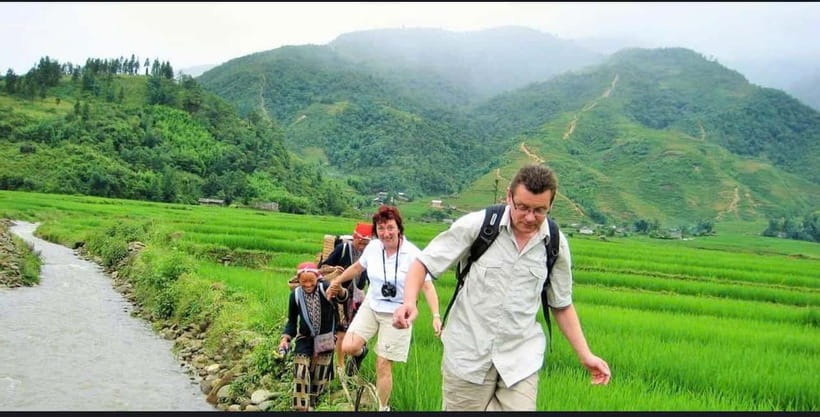
An herbal bath makes a fine finish. This six-hour Sapa outing links Suoi Ho, Ma Tra, and Ta Phin with a 12 to 14 kilometer walk through rice terraces, pine woods, and mountain scenery. I like the chance to learn about Black H’mong farming and Red Dao traditions from a local guide, and I like that the route reaches quieter village areas instead of staying around Sapa’s busy center. The main consideration is the distance: the walking is rated easy to moderate, but you still need decent fitness and steady shoes.
At $26 per person, this is strong value if you want both a village trek and a cultural activity in one day. Lunch, a local guide, the herbal bath, and transport back to Sapa are included. The route is not ideal for children under six or anyone with mobility problems, and weather can change how comfortable the trail feels.
In This Review
- Key things to know before you go
- Starting at Sapa Stone Church at 9 a.m.
- Suoi Ho and the Black H’mong countryside
- Ma Tra, village life, and the lunch stop
- Ta Phin and Red Dao traditions
- The Red Dao herbal bath at 2 p.m.
- How hard is the 12 to 14 kilometer trek?
- Guide quality and the value of a small group
- Is $26 a fair price?
- Who should book this Sapa day trip?
- Should you book the Ta Phin trek and herbal bath?
- FAQ
- Where does the tour start and finish?
- How long does the experience last?
- How far is the trek?
- Is the trek difficult?
- What ethnic communities will I visit?
- Is lunch included?
- What languages does the guide speak?
Key things to know before you go
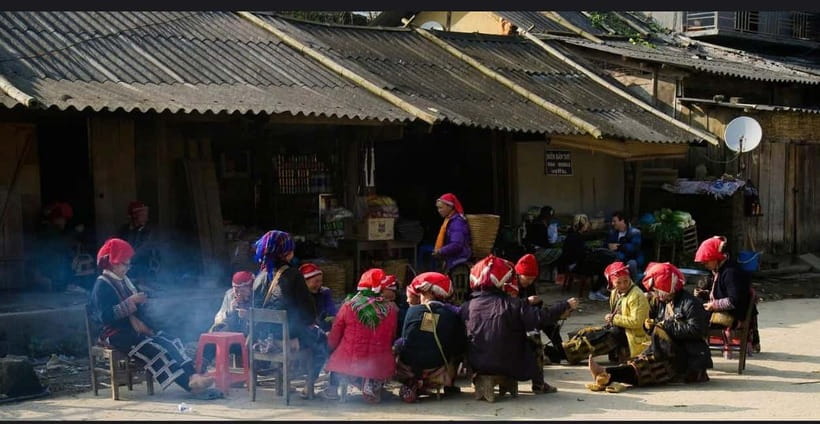
- The route covers three villages: Walk from Sapa toward Suoi Ho, Ma Tra, and Ta Phin, with time to see local homes, farms, crafts, and village life.
- The walk is about 12 to 14 kilometers: It is not a technical mountain climb, but it is a full day on your feet.
- The Red Dao bath is the finale: Soak in a wooden tub filled with aromatic medicinal herbs after the trek.
- Lunch is part of the experience: You may eat a picnic or sit down at a local homestay, with traditional Vietnamese dishes and, in some cases, fresh sturgeon hotpot.
- Small groups keep things personal: The group is limited to 10 people, and guides speak English or Vietnamese.
- Su is especially praised as a guide: He has led many guests through the villages, explaining food, farming, family life, and local customs in clear English. Gao is another guide named in the tour’s feedback.
Starting at Sapa Stone Church at 9 a.m.
You meet at Nhà Thờ Đá Sapa, usually called Sapa Stone Church, at 9 a.m. This central meeting point makes the morning simple if you are staying in town. From there, you meet your guide and begin with a short walk toward Suoi Ho.
The day ends back at the same church around 3:30 p.m., with a car ride returning you to Sapa after the bath. That return transfer matters. After several hours of walking, you do not have to find your own way back or face another uphill route into town.
The group limit of 10 is also useful. You can ask questions without shouting across a crowd, and your guide has a better chance of explaining the small details that make the villages more than a string of photo stops. Guides such as Su have been praised for discussing everything from crops and cooking to family life.
A few more Sa Pa runs to compare on price
- Sa Pa: Muong Hoa Valley Trek and Local Ethnic Villages
★ 4.6 · 864 reviews - Sapa: Eco Adventure Terrace Fields and Local Villages Trek
★ 4.9 · 636 reviews - From Sapa: 1-Day Guided Trek to Lao Chai & Ta Van with Lunch
★ 4.9 · 416 reviews
Suoi Ho and the Black H’mong countryside
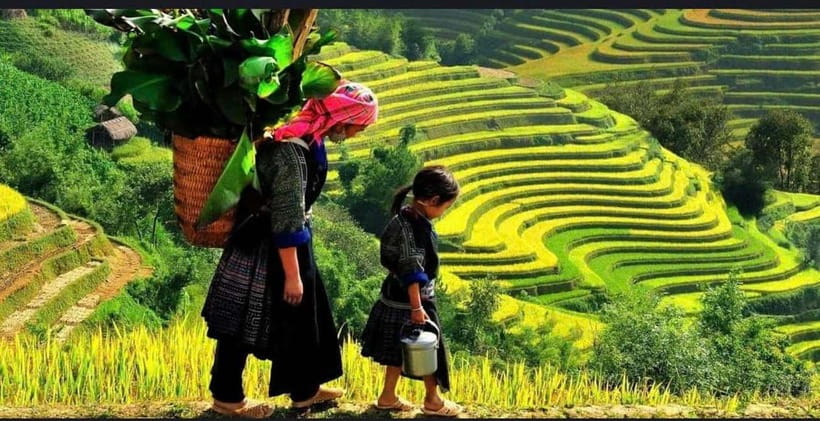
Suoi Ho is the first major village stop. It is associated with the Black H’mong people, and the focus here is daily life rather than a staged show. You learn about farming, animal husbandry, and the crops local families grow and harvest.
The walk through this area brings you past rice terraces and open mountain views. Depending on the season and weather, the terraces may look very different, but the route gives you a close look at how agriculture fits into the slopes around Sapa. This is one of the best parts of the day for anyone who wants context, not just scenery.
I would pay attention to your guide’s explanations here. A good guide can help you understand why fields are arranged as they are, how families use the land, and what role animals play in village life. Without that local voice, you might simply see a pretty path and miss the working countryside around it.
The trail is described as easy to moderate, but easy does not mean effortless. Twelve to 14 kilometers takes time, and the route can feel more demanding if it is wet. Wear shoes with a firm grip, bring water, and keep your daypack light.
Ma Tra, village life, and the lunch stop
From Suoi Ho, you continue to Ma Tra. The itinerary allows time to visit a local school or speak with villagers about customs and crafts. This gives the walk a human focus. You are not just passing through rice fields; you have a chance to connect the scenery with the people who live and work there.
The exact school or village interaction can vary, so you should treat this as a possible part of the visit rather than a formal performance. That is a good thing in many ways. The day feels less manufactured when conversation depends on what is happening locally.
Lunch comes at about 11:30 a.m. The meal may be a picnic or a sit-down meal at a local homestay. Traditional Vietnamese dishes are included, and the food has received good marks overall, though expectations should remain sensible. One meal was described as tasty and another as simply okay, while several people enjoyed the setting and shared dishes.
A group of four had fresh sturgeon hotpot, which adds an appealing local touch, but it should not be treated as a guaranteed menu item. Vegetarian options have also been available at a local restaurant on some outings. If you have dietary needs, tell the operator when booking rather than assuming every meal will suit you.
The lunch setting is part of the value. You might eat at a homestay or family restaurant with a mountain view, rather than in a standard Sapa dining room. It is a pause in the walk, a chance to talk with your guide, and a useful moment to recover before the afternoon section.
Ta Phin and Red Dao traditions
After lunch, you continue to Ta Phin, home to the Red Dao people. This is the cultural center of the outing, with time to learn about embroidery, clothing, herbal medicine, and local traditions.
The Red Dao are well known in the Sapa area for their use of medicinal plants, and the herbal bath gives this part of the tour a practical ending. Your guide can help explain how the bath fits into local custom, while village visits and craft details give you a fuller picture of Red Dao life.
Ta Phin is also where the walk feels most different from a simple countryside hike. You have moved through Black H’mong areas and then arrive in a community with its own customs, clothing, crafts, and plant knowledge. The tour works best when you remain curious and respectful. Ask questions, listen to your guide, and remember that homes and working areas are not just scenery.
Some outings include lunch in Ta Phin before the bath, while the planned schedule places the meal earlier. The precise order can depend on the group and local arrangements. The important point is that Ta Phin gives you time to see more than one cultural community during the day.
Same city, a very different kind of morning:
- Sapa 1 Day Long Trek: Trek to Hau Thao and Sa Seng Villages
★ 4.6 · 344 reviews - Sapa: Fansipan Cable, Cat Cat Village, Moana Instagram Tour
★ 4.8 · 294 reviews - From Sapa: 3-Day Ha Giang Loop with Safe Rider (max 8 pax)
★ 4.9 · 285 reviews - Explore Sapa by TrekkingAdventures, Mountain,Rice fields
★ 4.9 · 229 reviews
The Red Dao herbal bath at 2 p.m.
At around 2 p.m., you settle into a wooden tub filled with aromatic herbs. After walking through villages, fields, and pine forest, the hot soak is a welcome change of pace.
The bath is believed to ease muscle pain and improve circulation. Those are traditional claims, not medical guarantees, but the simple comfort is easy to understand. A hot soak can feel especially good after a long walk, and the bath gives the day a clear ending rather than rushing you straight back to town.
Several parts of this experience have been praised repeatedly: the bath is relaxing, it feels like something different from a normal Sapa excursion, and it offers mountain views at the end of the route. One practical warning is that the water can be very hot. If you are sensitive to heat, take your time and ask for an adjustment if needed.
This is not a spa treatment in the polished hotel sense. It is a traditional bathing experience in a wooden tub, tied to Red Dao herbal practice. That is exactly why it appeals to many people. You get a cultural activity that also helps your tired legs.
How hard is the 12 to 14 kilometer trek?
The tour calls the walk easy to moderate, and that seems like a fair description. You do not need advanced hiking skills, but you do need to manage a full day of walking on uneven rural paths.
Your fitness level matters more than speed. One person described the trek as not too difficult but still requiring a good physical condition. That is the sensible way to approach it. If you regularly walk several hours, you will likely find the pace manageable. If you are unused to long walks, the distance may feel tiring even without steep technical sections.
Bring:
- Comfortable walking shoes with good grip
- Water
- Insect repellent
- Clothing suited to the weather
- A small daypack
Weather appropriate clothing is important in Sapa, where conditions can shift. Avoid carrying a large bag, since you will be walking between villages for much of the day. A light rain layer would be a sensible addition, although it is not specifically listed among the required items.
The tour is not suitable for children under six or people with mobility impairments. Anyone with joint, balance, or walking concerns should think carefully before booking, since the route covers a substantial distance.
Guide quality and the value of a small group
The guide can make or break a cultural walk. Here, the strongest feedback centers on Su, who has been praised for clear English, an easy manner, and explanations about local food, farming, customs, and family life. He even speaks some French, which helped French speaking participants.
Gao has also guided the outing. The important point for you is to expect a live English or Vietnamese speaking guide, not an audio explanation or a printed route sheet. You can ask about what you are seeing as the day unfolds.
The group maximum is 10 people. That is small enough for direct conversation and a more relaxed pace, though the actual group may still affect how quickly you move. A private tour is not promised, so do not book this expecting total control over every stop.
The best guides do more than name ethnic groups. They connect the fields, houses, food, clothing, and herbal traditions to ordinary life. That is where the tour earns its price.
Is $26 a fair price?
Yes, for most people, the price is very reasonable. At $26, you receive a six-hour guided outing, a 12 to 14 kilometer trek, lunch or a local meal, the Red Dao herbal bath, and transport back to Sapa.
The value is especially good if you planned to pay separately for transport, a village guide, lunch, and a bath. Combining them saves time and reduces the chance of spending your day arranging connections between scattered places.
The price does not include personal expenses, so carry some money for anything extra you may wish to buy. The included lunch may vary between a picnic and a homestay meal, and specific dishes are not guaranteed. Consider the tour a well-priced cultural day out, not a luxury food tour or private mountain expedition.
Free cancellation up to 24 hours before departure and reserve now, pay later terms add flexibility. Starting times should be checked when you book, even though the described schedule begins at 9 a.m.
Who should book this Sapa day trip?
I would choose this outing if you want a closer look at village life and prefer a quieter route to a standard town sightseeing day. It suits couples, small groups, solo visitors comfortable joining others, and anyone who wants a guide to explain what they are seeing.
It is also a good fit if you have already done independent hiking around Sapa and felt that you were missing the cultural side. The walk itself may not be the hardest route in the region, but the guide adds meaning to the fields and villages.
You should think twice if you want a short, gentle stroll. Six hours and up to 14 kilometers is a serious day, even at a normal pace. You may also prefer another activity if you do not like hot baths, rural meals, or changing weather.
Should you book the Ta Phin trek and herbal bath?
Book it if you want three villages, two ethnic cultures, a local meal, and a Red Dao bath in one well-priced day. The repeated strengths are clear: friendly guides, beautiful rice terrace scenery, useful cultural explanations, a relaxed lunch stop, and a soothing finish.
The main tradeoff is the walking distance. Pack lightly, wear proper shoes, and do not mistake easy to moderate for a flat city walk. If you accept that, this is one of the better value day trips from Sapa for seeing rural life without giving up comfort at the end.
FAQ
Where does the tour start and finish?
The tour starts at Nhà Thờ Đá Sapa, or Sapa Stone Church, and finishes back at the same location after transportation from Ta Phin.
How long does the experience last?
The full experience lasts about six hours. The described schedule starts at 9 a.m. and ends around 3:30 p.m.
How far is the trek?
The walking distance is approximately 12 to 14 kilometers.
Is the trek difficult?
It is rated easy to moderate and is suitable for most fitness levels. You still need reasonable physical condition because the walk lasts much of the day.
What ethnic communities will I visit?
The route includes Suoi Ho and Ma Tra, associated with the Black H’mong people, and Ta Phin, home to the Red Dao people.
Is lunch included?
Yes. Lunch is included as either a picnic or a meal at a local homestay. Traditional dishes are served, though the exact menu can vary.
What languages does the guide speak?
Live guides speak English or Vietnamese. Guides named in the tour information include Su and Gao.
New around Sa Pa
- Sapa3D2N TrekkingAdventures,Valleys,Bambooforest,Waterfall★ 4.8 · 24 reviews
- Sapa: Y Linh Ho – Lao Chai, and Ta Van Trekking Day Tour★ 5.0 · 25 reviews
- From Sapa: Guided Full-Day Trekking with Lunch and Drop-Off★ 4.2 · 86 reviews
- Sapa: Muong Hoa Mountain Views and Villages Trek with Lunch★ 4.3 · 28 reviews
- Sapa Trekking Bargains With Local Guide★ 4.9 · 91 reviews
- Sapa: Private Highlights Day Tour with Lunch★ 4.8 · 61 reviews
- Sapa: Love Silver Waterfall, LonelyTree in Heaven-Rice Field★ 4.9 · 28 reviews
- Sapa: Motorbike Tour 1 Day Visit Waterfalls & Local Villages★ 5.0 · 112 reviews
Sapa Tours, compared.
Muong Hoa Valley Trek and Local Ethnic Villages
Read our review →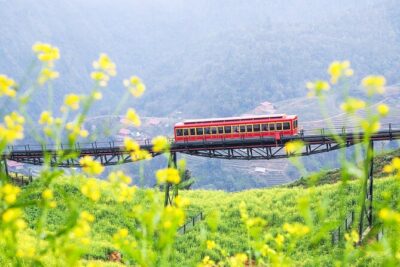
Fansipan Cable, Cat Cat Village & Moana Instagram Tour
Read our review →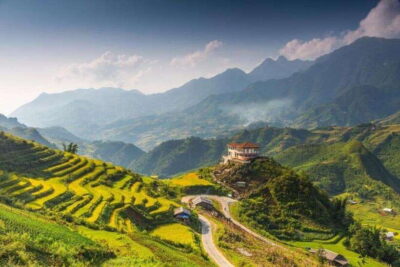
Eco Adventure Terrace Fields and Local Villages Trek
Read our review →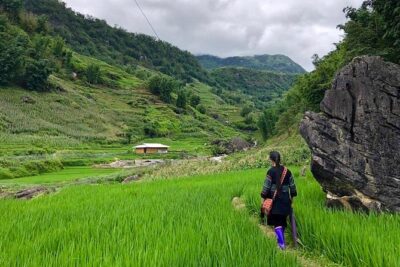
Number one top rated ethical cultural trekking and homestay by ETHOS
Read our review →
Cat Cat Village, Moana, Fansipan Cable Car, Alpine Coaster – Sapa
Read our review →
1-Day Guided Trek to Lao Chai & Ta Van with Lunch
Read our review →
Sapa 1 Day Long Trek: Trek to Hau Thao and Sa Seng Villages
Read our review →Browse the lists this tour appears in