
Reviewed · SAPA TOURS
Sapa: Y Linh Ho – Lao Chai, and Ta Van Trekking Day Tour
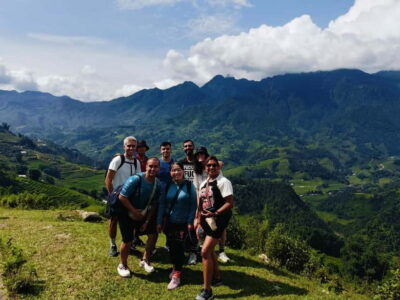
Rice terraces reward steady feet. This 10 to 12 kilometer trek leads from Sapa into Muong Hoa Valley, linking Y Linh Ho, Lao Chai, and Ta Van with a local guide and lunch included. I like the striking rice-field views and the chance to hear about Black Hmong and Giay life from someone who knows the villages personally. The main consideration is the moderate terrain: steep descents, uneven paths, and changing weather make this a poor choice if your fitness is low.
I also like the small-group feel praised by several people who trekked with guide Su. His clear English, local background, and willingness to discuss farming, family, education, marriage, and daily life add depth beyond simple sightseeing. The tour lasts about five to seven hours, so you should expect a full morning and afternoon on foot, not a quick walk with a few photo stops.
In This Review
- Key points to know before you book
- Why this Sapa trek is worth your time
- The descent from Sapa to Y Linh Ho
- Lao Chai combines terraces with village life
- Ta Van brings a change in culture and architecture
- Su’s guiding style is a major part of the value
- How difficult is the 10 to 12 kilometer route?
- The $19 price and what it includes
- Who should choose this tour?
- Should you book the Y Linh Ho, Lao Chai, and Ta Van trek?
- FAQ
- How long does the trekking tour last?
- How far will I walk?
- Where does the tour begin?
- Which villages does the trek visit?
- Is lunch included?
- What should I bring?
- Is the trek suitable for beginners?
- What languages does the guide speak?
Key points to know before you book
- The route links three valley villages: You walk from Sapa to Y Linh Ho, Lao Chai, and Ta Van rather than visiting one viewpoint and returning.
- Su is a local guide: He lives in one of the villages and shares personal details about local culture, farming, family life, and traditions.
- The walking distance is substantial: Plan for 10 to 12 kilometers over uneven and sometimes steep ground.
- Lunch is included: You eat at a local house or riverside restaurant, with a short rest at a homestay or café later in the route.
- The experience is cultural as well as scenic: You learn about Black Hmong customs and weaving, then see Giay village life and different building styles.
- The price is unusually low: At $19 per person, the tour offers a strong value if you want a guided trek with lunch and a return transfer.
Why this Sapa trek is worth your time
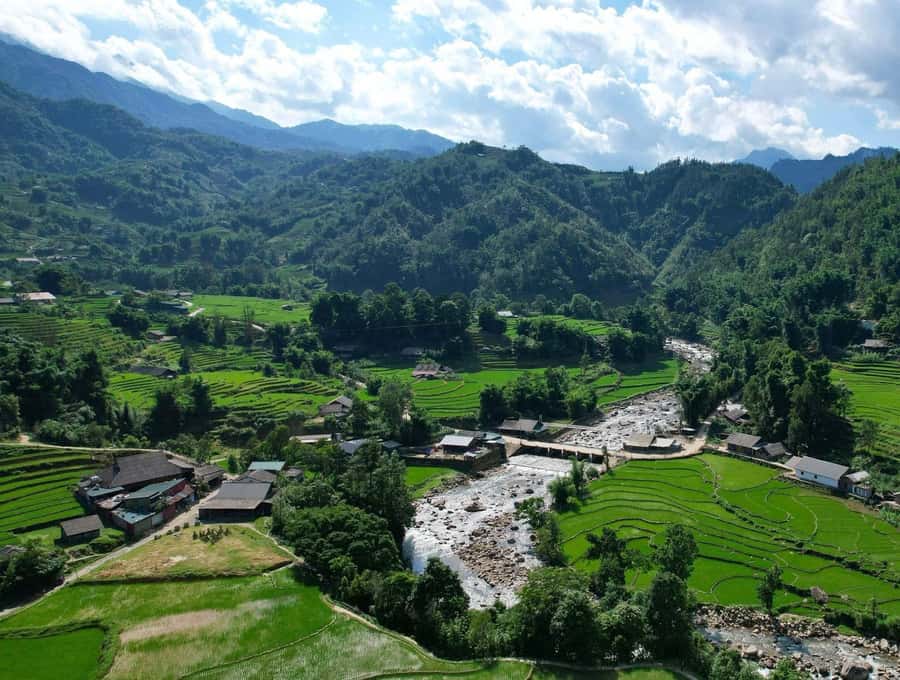
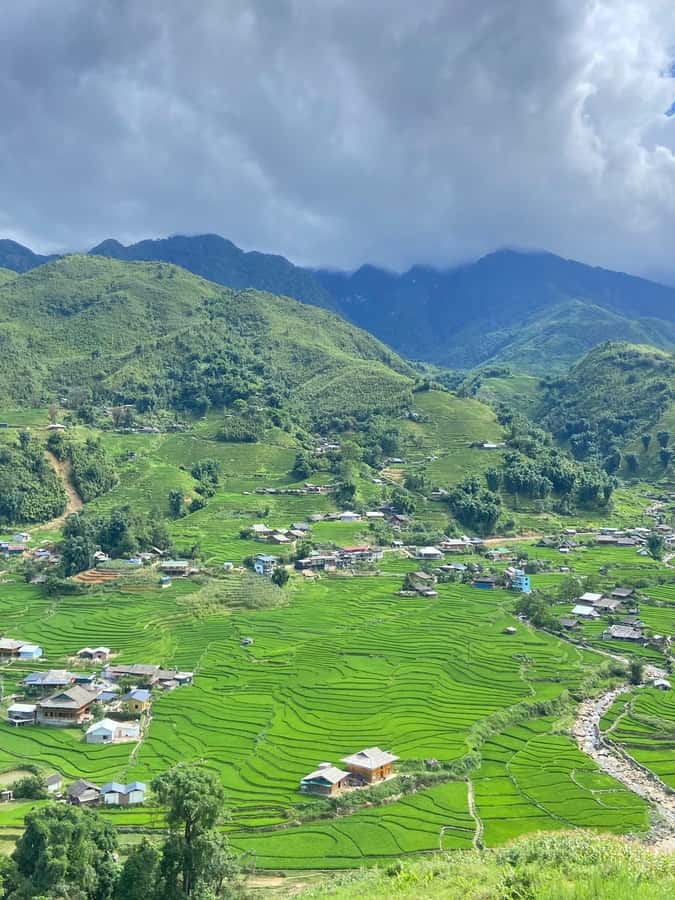
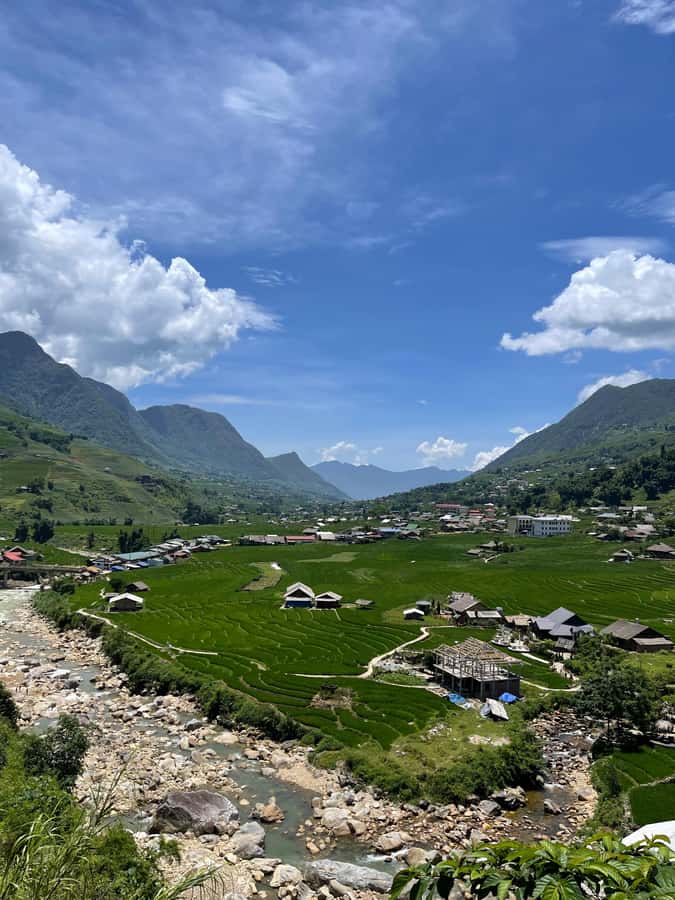
Sapa is famous for its mountain scenery, but the best part often comes after you leave the town streets. This route drops into Muong Hoa Valley, where rice terraces cover the hillsides and small villages sit along the valley floor. The scenery changes as you walk, which makes the day feel like a journey rather than a series of disconnected stops.
I like the balance here. You get wide views and photography time, but you also visit working villages and talk with a guide who can explain what you are seeing. The route is not only about taking pictures of rice fields. It gives you a window into Black Hmong and Giay communities, their crafts, customs, and everyday routines.
The tour starts at about 8:30 in the morning from Sapa church or another agreed meeting point. After a short introduction and safety briefing, you begin the descent toward Y Linh Ho. That opening downhill section is scenic, but it is worth taking slowly. Descending for a long stretch can be harder on your knees than a gentle uphill walk.
A few more Sa Pa runs to compare on price
- Sa Pa: Muong Hoa Valley Trek and Local Ethnic Villages
★ 4.6 · 864 reviews - Sapa: Eco Adventure Terrace Fields and Local Villages Trek
★ 4.9 · 636 reviews - From Sapa: 1-Day Guided Trek to Lao Chai & Ta Van with Lunch
★ 4.9 · 416 reviews
The descent from Sapa to Y Linh Ho
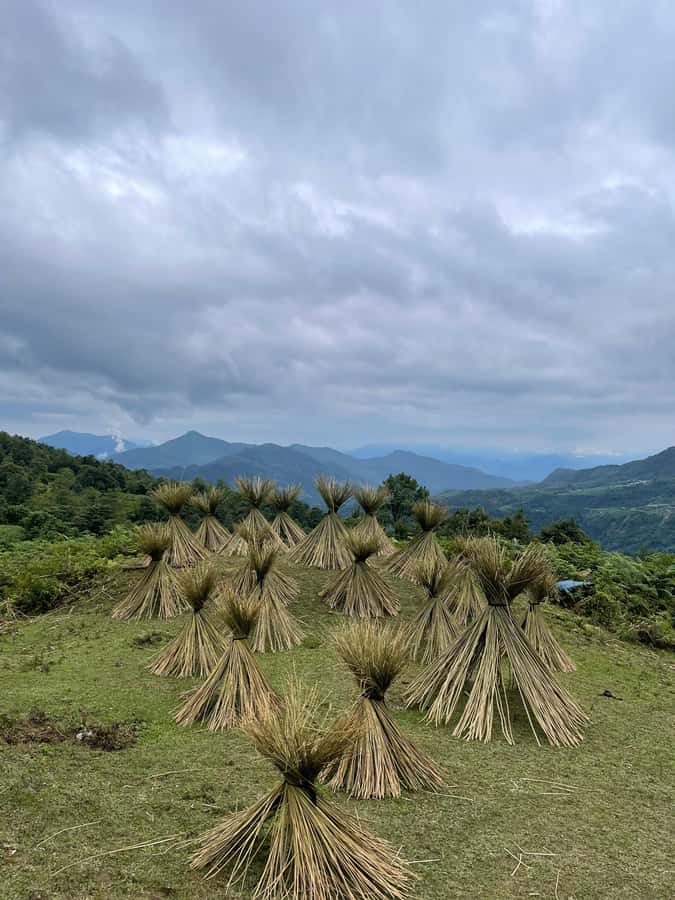
Y Linh Ho is the first major stop, and the approach gives you some of the finest views on the route. You look across rice terraces, forested hills, and the folds of Muong Hoa Valley. The exact appearance changes with weather and season, but the route is built around the valley scenery rather than a single lookout.
Y Linh Ho is home to the Black Hmong ethnic group. Your guide explains local customs, weaving techniques, and daily life, giving context to the homes, clothing, crafts, and fields you see along the way. This is where a local guide matters most. Without explanation, a village visit can become a quick walk through unfamiliar surroundings. With Su, you have the chance to ask direct questions and connect the scenery with real community life.
Several people particularly valued Su’s personal stories. He lives in one of the villages, has experience as a farmer, and speaks clear English. That combination can make conversations about family, farming, education, and marriage much easier than a standard scripted tour.
The path is not described as technically difficult, but the distance and surface still matter. You should be comfortable walking for several hours and handling uneven trails. Comfortable shoes are essential. Sandals or smooth-soled footwear would be a poor match for a route that can change with the weather.
Lao Chai combines terraces with village life
From Y Linh Ho, the trail continues toward Lao Chai along winding paths through the valley. This section gives you more time to watch the scenery unfold instead of stopping at one famous viewpoint. You can pause for photographs, see local handicrafts, and talk with people in the village.
Lao Chai is another Black Hmong community, so the visit builds on what you learned at Y Linh Ho. I find that useful because you can notice more detail after the guide has explained the cultural setting. Craft work and village routines become easier to understand when you know what questions to ask.
The tranquil feel of the valley is one of the strongest parts of the day. Sapa town can feel busy, especially around the central area, while the route into Lao Chai gives you open views and a slower pace. Do not expect every moment to be quiet or solitary, since these are lived-in communities, but the setting feels far removed from town.
Lunch comes at a local house or riverside restaurant. The meal is included, which adds real value to a $19 tour. It also breaks up the walking at the right point. Several people praised the food, describing it as delicious or simply very good, but the exact dishes are not specified, so you should not book this expecting a particular menu.
A local meal also gives you a chance to sit down and talk with your guide. That pause can be as useful as the walking itself, especially if you want to ask about local customs or daily work. Bring water, since lunch is included but personal drinks and other expenses are not.
Ta Van brings a change in culture and architecture
After Lao Chai, the route continues deeper into the valley to Ta Van Village. Ta Van is associated with the Giay ethnic minority, giving the final section a different cultural focus from the Black Hmong villages earlier in the day.
The change is visible in the village setting and architecture. Your guide can help you notice these differences rather than treating Ta Van as just another stop on the route. This is a good reason to keep some energy for the later part of the trek. By this point, your legs may be tired, but the cultural shift gives the walk a fresh purpose.
You may have time for a short rest at a local homestay or café. Traditional snacks may be available, and the stop gives you a chance to recover before the return transfer. The wording of the tour suggests a brief break rather than an overnight stay, so you should think of this as a pause during a day trek, not a homestay experience in the usual sense.
Ta Van is also where the route feels most complete. You have moved through a valley, visited communities linked to different ethnic groups, eaten locally, and watched the scenery change from town outskirts to terraces and village paths. It is a fuller introduction to the Sapa area than a short drive to a photo stop.
Same city, a very different kind of morning:
- Sapa 1 Day Long Trek: Trek to Hau Thao and Sa Seng Villages
★ 4.6 · 344 reviews - Sapa: Fansipan Cable, Cat Cat Village, Moana Instagram Tour
★ 4.8 · 294 reviews - From Sapa: 3-Day Ha Giang Loop with Safe Rider (max 8 pax)
★ 4.9 · 285 reviews - Explore Sapa by TrekkingAdventures, Mountain,Rice fields
★ 4.9 · 229 reviews
Su’s guiding style is a major part of the value
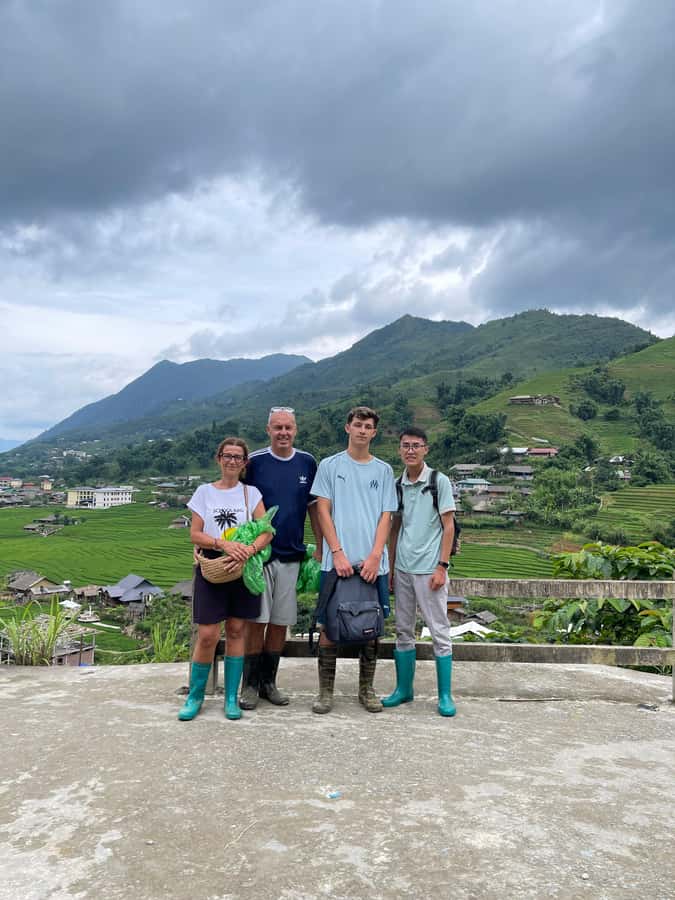
The guide can make or break a walking tour, and Su receives especially strong praise for his manner. He is described as kind, helpful, easy to understand in English, and generous with answers. People also valued the small-group format, including one outing with only two participants.
A small group changes the day in practical ways. You can stop for questions without holding up a large crowd. The guide can give more attention to your walking pace and interests. You also get more room for genuine conversation, which matters on a tour built around culture rather than scenery alone.
Su’s local connection is more important than a long list of facts. He talks about his own family, village life, farming background, and efforts to build his own one-person business. That personal element helps you understand Sapa as a home, not just a mountain destination.
You should still keep your expectations realistic. A local guide does not mean every part of the day will be private or that the route will avoid all commercial activity. The supplied details promise a live guide, village visits, lunch, and a return transfer, but they do not specify an exact maximum group size or a fixed menu. If those details matter to you, confirm them before booking.
How difficult is the 10 to 12 kilometer route?
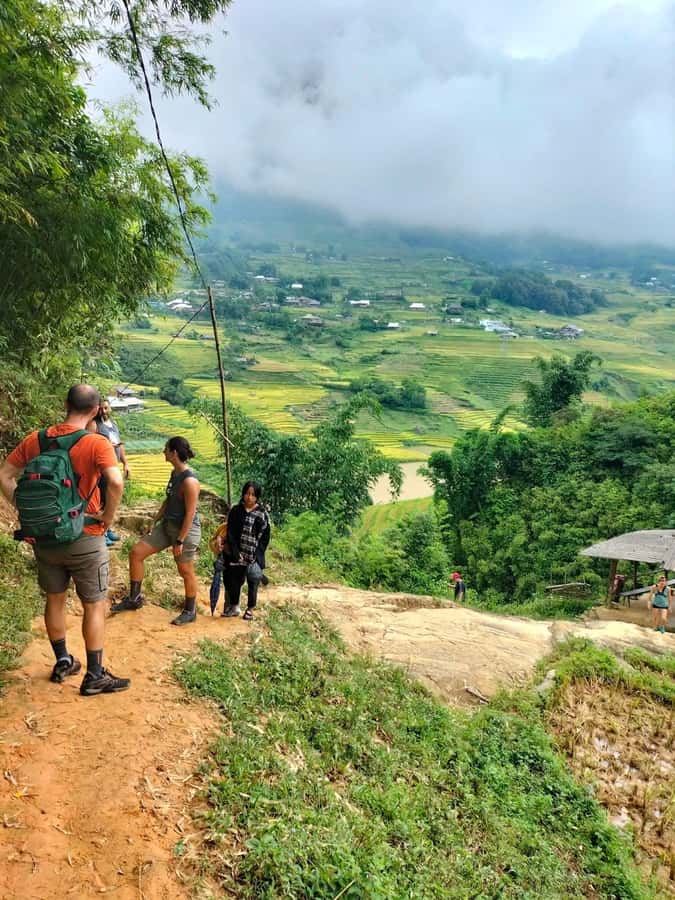
The tour calls the activity moderate and says it suits people with a moderate fitness level. It is not suitable for people with mobility impairments or a low level of fitness. That warning deserves attention, even though one person described the hiking as not difficult.
The distance is the key issue. Five to seven hours outside, with a long descent and uneven village paths, can feel tiring even when there is no technical climbing. You should be able to walk for several hours, manage changes in ground level, and stay comfortable in weather that may shift quickly.
Wear shoes with good grip and bring a hat, sunscreen, water, and a camera. Dress in layers because conditions can change fast in the mountains. A light rain layer is a sensible addition, though it is not listed among the required items.
You should also avoid planning a demanding activity immediately afterward. The tour ends with a car transfer back to Sapa, but you may still want a quiet evening after the walk. Your guide can help with the pace, yet the route remains a real trek rather than a casual stroll.
The $19 price and what it includes
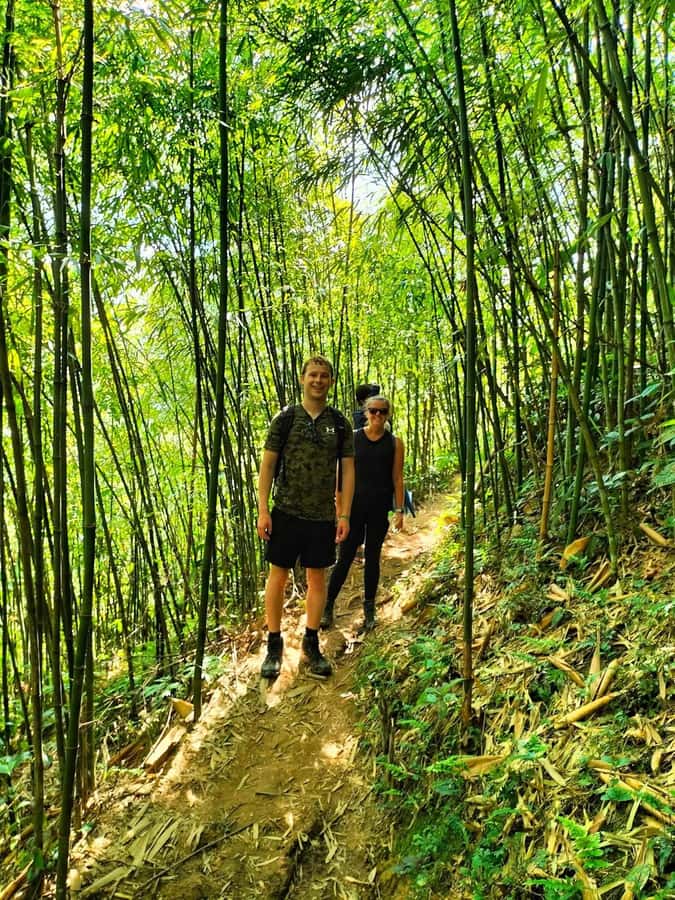
At $19 per person, this is a strong-value day tour. The fee includes a live English or Vietnamese-speaking guide, the trekking route, visits to all three villages, lunch, and the transfer back to Sapa. Those inclusions cover the parts that can otherwise add up quickly.
The best value comes from the guide and transport. You are not simply paying for access to a trail. You are paying for someone to lead you through unfamiliar paths, explain local communities, arrange lunch, and get you back to town after five to seven hours on foot.
The price does not include personal expenses. Bring money if you want to buy snacks, drinks, or crafts. Do not assume that every café or homestay stop is covered by the tour fee.
The reserve-now-and-pay-later option can help if your Sapa plans are still moving around. Cancellation is allowed up to 24 hours before the tour for a full refund. Those policies make the low-cost booking less risky, though you still need to check the final meeting point and timing when you reserve.
Who should choose this tour?
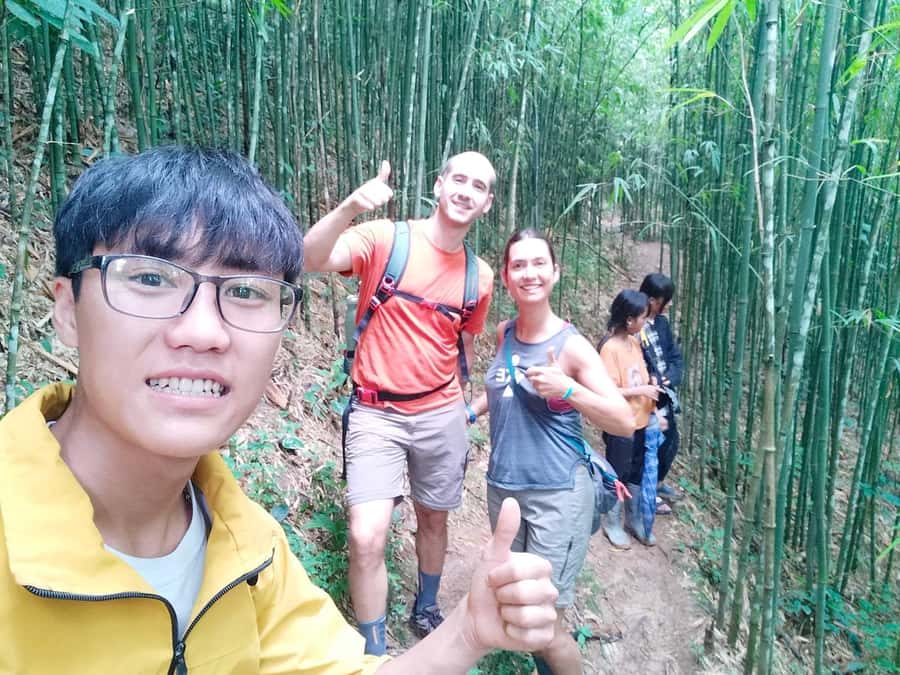
I would recommend this trip to you if you want three things in one day: valley scenery, village culture, and a local lunch. It suits people who prefer walking to riding between viewpoints and who enjoy asking questions along the way.
It is especially appealing if you want a smaller, more personal outing. The strongest praise goes to Su’s communication and local stories, so you should value conversation as much as photographs. This is not the right pick if you want a luxury vehicle tour, a short walk, or a highly polished attraction with fixed facilities at every stop.
Families and older visitors should think carefully about the distance and footing. The tour is not suitable for people with mobility impairments or low fitness. Weather can also change quickly, so you need to accept that the day may be muddy, cloudy, wet, or less clear than the photos suggest.
Should you book the Y Linh Ho, Lao Chai, and Ta Van trek?
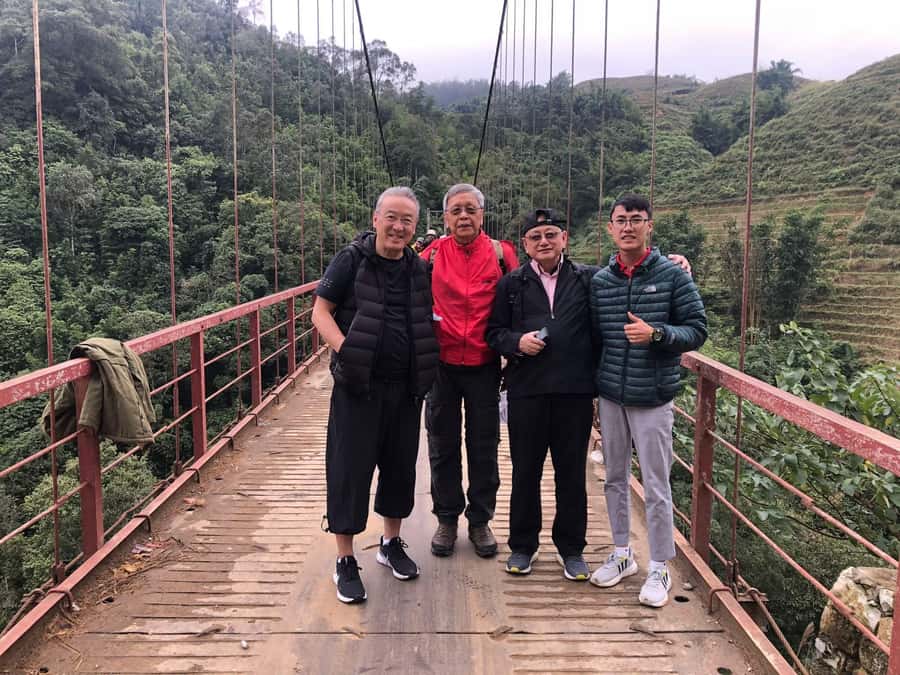
Yes, if you can comfortably walk 10 to 12 kilometers and want a practical, low-cost introduction to the villages around Sapa. The combination of Muong Hoa Valley views, Black Hmong and Giay culture, local lunch, and a return transfer is hard to fault at $19.
I would book it for the guide as much as for the route. Su’s local knowledge, clear English, small-group approach, and personal stories appear to be the heart of the experience. Bring sturdy shoes, water, sun protection, and patience for changing weather. If you do, this tour offers a useful balance of scenery and human connection without putting a large dent in your budget.
FAQ
How long does the trekking tour last?
The tour lasts approximately five to seven hours, including the trek, village visits, lunch, rest stop, and return transfer to Sapa.
How far will I walk?
The route covers about 10 to 12 kilometers through Muong Hoa Valley and the villages of Y Linh Ho, Lao Chai, and Ta Van.
Where does the tour begin?
You meet the guide at Sapa church or another designated meeting point in Sapa. Departure is in the morning, around 8:30 AM.
Which villages does the trek visit?
The route visits Y Linh Ho, Lao Chai, and Ta Van. Y Linh Ho and Lao Chai are connected with the Black Hmong ethnic group, while Ta Van is home to the Giay ethnic minority.
Is lunch included?
Yes. Lunch is included and takes place at a local house or riverside restaurant.
What should I bring?
Bring comfortable shoes, a hat, a camera, sunscreen, and water. Dress for changing conditions because the weather can shift quickly.
Is the trek suitable for beginners?
The tour is rated as moderate and is suitable for people with a moderate fitness level. It is not suitable for people with low fitness or mobility impairments.
What languages does the guide speak?
The tour is offered in English and Vietnamese. The guide associated with the experience, Su, is praised for speaking clear English.
New around Sa Pa
- Sapa3D2N TrekkingAdventures,Valleys,Bambooforest,Waterfall★ 4.8 · 24 reviews
- Sapa: Ta Phin Village Trek & Red Dao Herbal Bath★ 5.0 · 22 reviews
- From Sapa: Guided Full-Day Trekking with Lunch and Drop-Off★ 4.2 · 86 reviews
- Sapa: Muong Hoa Mountain Views and Villages Trek with Lunch★ 4.3 · 28 reviews
- Sapa Trekking Bargains With Local Guide★ 4.9 · 91 reviews
- Sapa: Private Highlights Day Tour with Lunch★ 4.8 · 61 reviews
- Sapa: Motorbike Tour 1 Day Visit Waterfalls & Local Villages★ 5.0 · 112 reviews
- Sapa: Love Silver Waterfall, LonelyTree in Heaven-Rice Field★ 4.9 · 28 reviews
Sapa Tours, compared.
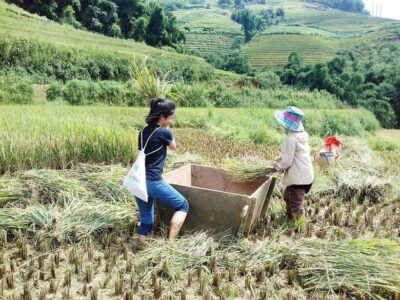
Muong Hoa Valley Trek and Local Ethnic Villages
Read our review →
Fansipan Cable, Cat Cat Village & Moana Instagram Tour
Read our review →
Eco Adventure Terrace Fields and Local Villages Trek
Read our review →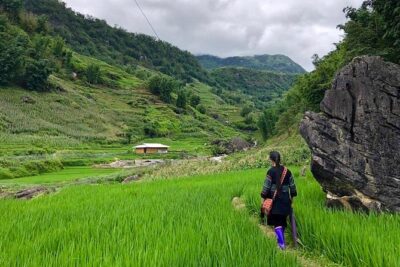
Number one top rated ethical cultural trekking and homestay by ETHOS
Read our review →
Cat Cat Village, Moana, Fansipan Cable Car, Alpine Coaster – Sapa
Read our review →
1-Day Guided Trek to Lao Chai & Ta Van with Lunch
Read our review →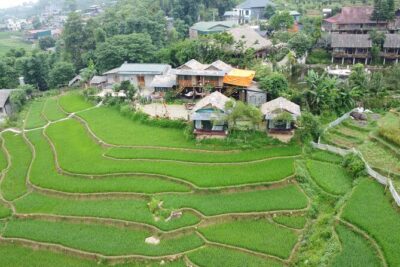
Sapa 1 Day Long Trek: Trek to Hau Thao and Sa Seng Villages
Read our review →Browse the lists this tour appears in