
Reviewed · SAPA TOURS
Sapa 1 Day Long Trek: Trek to Hau Thao and Sa Seng Villages
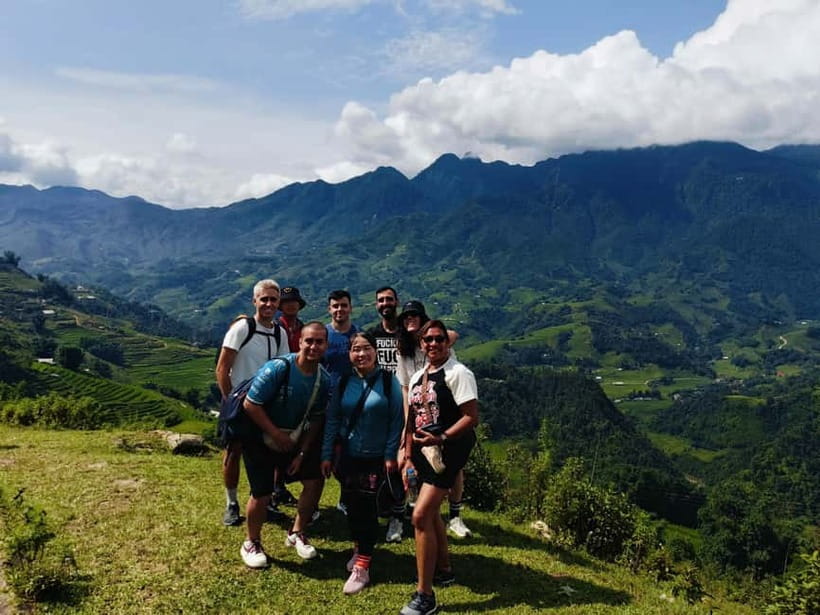
The best views come after a hard climb. This full-day Sapa trek takes you above Muong Hoa Valley, through Black Hmong villages, and down paths lined with rice fields, bamboo and farm animals. I like the grand mountain views from Sa Seng and the chance to hear about Hmong life from guides such as Mama Mao, Su, Zozo and Vang, many of whom are from the local area.
I also like the family-style lunch and the small-group feel, which make the day more personal than a quick sightseeing drive. The main caution is simple: this is not an easy stroll. Mud, steep ground, slippery bamboo-forest paths and long descents can turn the 7 to 10 hour outing into a serious day on your feet.
In This Review
- Quick points before you book
- Why this Sapa trek is worth considering
- The 9:00 AM pickup and first uphill section
- Sa Seng Mountain and the Fansipan view
- Down through Hang Da Village
- Lunch at a family-run restaurant
- Hau Thao and the farming calendar
- Bamboo, mud and the final descent
- The guides are a major part of the experience
- The awkward part: persistent souvenir selling
- Weather, seasons and what you will actually see
- Who should book this trek?
- Practical value at $24
- Should you book the Sa Seng and Hau Thao trek?
- FAQ
- How long does the Sapa trek take?
- Which villages does the route visit?
- Is hotel pickup included?
- What mountain can you see from Sa Seng?
- Is lunch included?
- Is the trek difficult?
- What should I bring?
- What languages does the guide speak?
- Can I cancel or pay later?
Quick points before you book
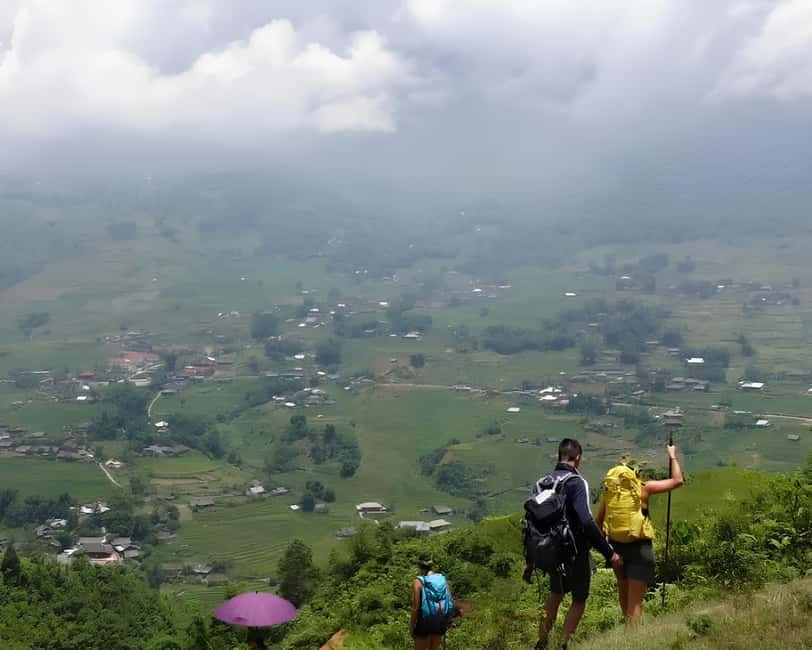
- Sa Seng’s viewpoint: The uphill opening leads to distant views of Mount Fansipan and the full sweep of Muong Hoa Valley.
- A real mountain route: Expect roughly 15 kilometers on some outings, with steep sections, uneven ground and major downhill walking.
- Black Hmong village life: Hang Da and Hau Thao offer insight into rice farming, homes, customs and daily work.
- Strong local guides: Guides including Mama Mao, Su, Zozo, Vang, La and Chau are praised for warmth, humor and care.
- Lunch with local character: The midday meal is freshly prepared at a family-run restaurant, though drinks may cost extra.
- Weather matters: Fog can hide Fansipan, while rain makes the route muddy and slippery. Dry weather gives you the best chance of seeing the valley.
Why this Sapa trek is worth considering
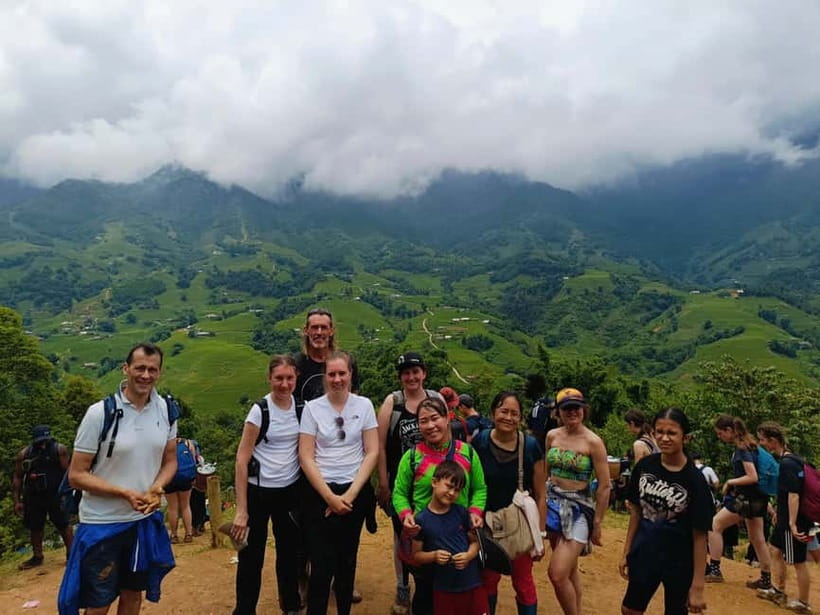
At $24 per person, this is a striking amount of walking and local contact for the money. The price includes pickup in Sapa Town, a guide, village and route fees, bottled water, lunch and transport back to town. You are not paying only for a viewpoint and a few photographs. You are paying for a full route through the hills, interpretation from a local guide and a vehicle waiting at the finish.
I particularly like the shape of the day. You start high, climb higher, then walk down through villages and fields. That gives you changing views and terrain instead of one repeated path. You may see buffaloes, pigs and horses along the way, and, depending on the season, farmers planting or harvesting rice.
The value depends on your legs and expectations. If you want a gentle walk with plenty of time for cafés, this is the wrong choice. If you have only one day in Sapa and want a proper mountain outing without paying for an overnight trek, it makes good sense.
A few more Sa Pa runs to compare on price
- Sa Pa: Muong Hoa Valley Trek and Local Ethnic Villages
★ 4.6 · 864 reviews - Sapa: Eco Adventure Terrace Fields and Local Villages Trek
★ 4.9 · 636 reviews - From Sapa: 1-Day Guided Trek to Lao Chai & Ta Van with Lunch
★ 4.9 · 416 reviews
The 9:00 AM pickup and first uphill section
The day begins around 9:00 AM, with pickup at your accommodation in Sapa Town. The operator can also arrange pickup from a meeting point, including Sapa TT Homestay on Dien Bien Phu Street or July Hotel Central Sapa on To Vinh Diem Street.
Confirm the pickup details through WhatsApp before the morning. One person found the meeting instructions confusing, so I would not leave this until breakfast time. If you are staying outside Sapa Town, pickup may involve an additional fee or a transfer to town.
After a short briefing, the route begins with about 1 kilometer uphill. It takes roughly an hour for this first climb, but the distance does not tell the full story. The path is uneven, and several people describe the opening as steep and tiring.
I would treat this first hour as a fitness check. Walk slowly, keep water handy and do not spend all your energy trying to match the fastest person in the group. Guides such as Su and Vang are repeatedly praised for checking on the group and helping people over difficult ground, but you still need a reasonable level of fitness.
Sa Seng Mountain and the Fansipan view
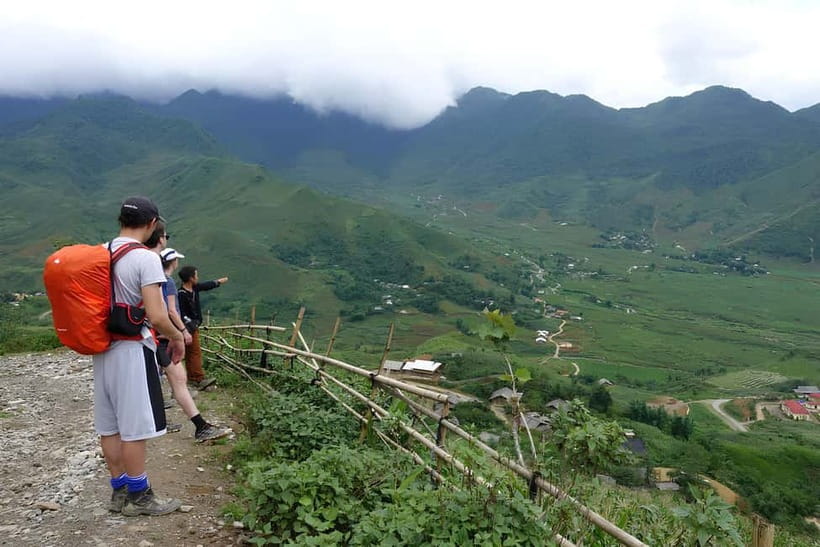
Reaching the top of Sa Seng is the first big reward. From the high point, you can look toward Mount Fansipan, at 3,143 meters the highest peak in Indochina, and down across Muong Hoa Valley.
The view is weather dependent in the strongest possible sense. On clear days, the valley and rice terraces can be spectacular. On foggy days, you may see only brief openings in the cloud. Several outings took place in rain or thick mist, yet the route still worked because the guide, villages and forest remained interesting.
I like that the guide can adjust the day when the weather turns poor. On one misty outing, the group chose a lower route rather than climb higher for a view that might not appear. That is a sensible choice, not a failure. In Sapa, clouds can arrive quickly, and forcing the highest route in bad conditions may bring extra slipping without any visual reward.
Bring a camera, but do not make the day depend on a perfect panorama. If you need guaranteed mountain views, no walking tour in Sapa can promise that. Clear, dry weather gives you the best odds.
Down through Hang Da Village
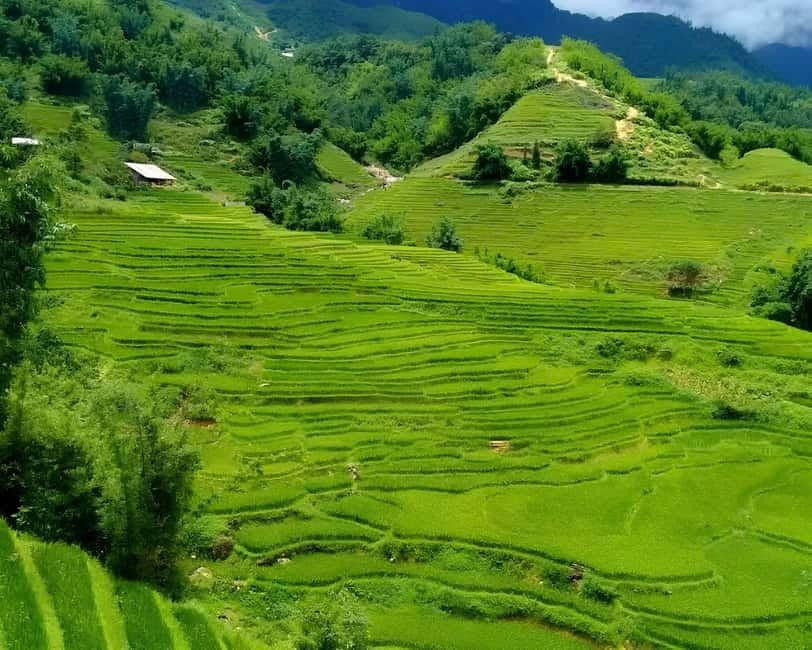
From Sa Seng, the route heads downhill toward Hang Da Village. This part changes the mood of the trek. You leave the high viewpoint behind and begin to see more signs of everyday mountain life.
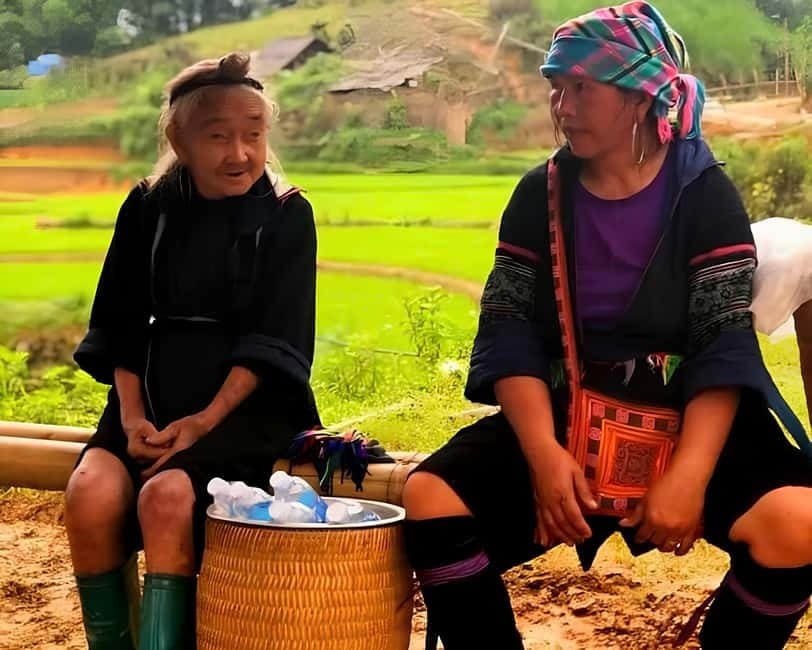
Hang Da is associated with the Black Hmong community, and your guide explains local customs and work as you walk. You might see animals moving freely along the trail, including buffaloes, pigs and horses. These are not staged attractions. They are part of farming life and help explain why the paths and fields look the way they do.
The walking can be rough. Reviews describe rocky sections, fields, bamboo forest and uneven paths. In wet conditions, the bamboo section can become especially slippery. One outing included gum boots supplied for the rain, but proper hiking shoes remain the better plan if you have them.
This is also where a local guide makes a real difference. Guides such as Mama Mao and Zozo are praised not just for speaking English, but for sharing personal stories and making the walk feel relaxed. Su is noted for explaining the mountains, villages and different ethnic groups clearly. The quality of the day seems closely tied to the person leading it, and the guide roster can vary.
Same city, a very different kind of morning:
- Sapa: Fansipan Cable, Cat Cat Village, Moana Instagram Tour
★ 4.8 · 294 reviews - From Sapa: 3-Day Ha Giang Loop with Safe Rider (max 8 pax)
★ 4.9 · 285 reviews - Explore Sapa by TrekkingAdventures, Mountain,Rice fields
★ 4.9 · 229 reviews - EXPLORE SAPA: 2D1N TREKKING & HMONG CULTURE WITH DINH
★ 4.9 · 191 reviews
Lunch at a family-run restaurant
Around midday, you stop for a traditional lunch at a local family-run restaurant. The meal is home-style rather than polished, which suits the setting. One particularly useful detail is the portion size: you may receive a lot of food after the morning climb.
Drinks may not be included. Bring cash for anything outside the stated package, including beverages. Bottled water is provided during the trek, but I would still carry a little extra if you know you drink heavily while walking.
Lunch is more than a refueling stop. It gives you time to sit down, meet the rest of the group and hear more from the guide without trying to keep your balance on a muddy slope. Small groups are available, and a group of five was described as small enough for everyone to connect.
Do not expect a long restaurant break with a broad menu. The appeal is the local setting and a freshly prepared meal, not fine dining. For a $24 day tour, the included lunch adds real value.
Hau Thao and the farming calendar
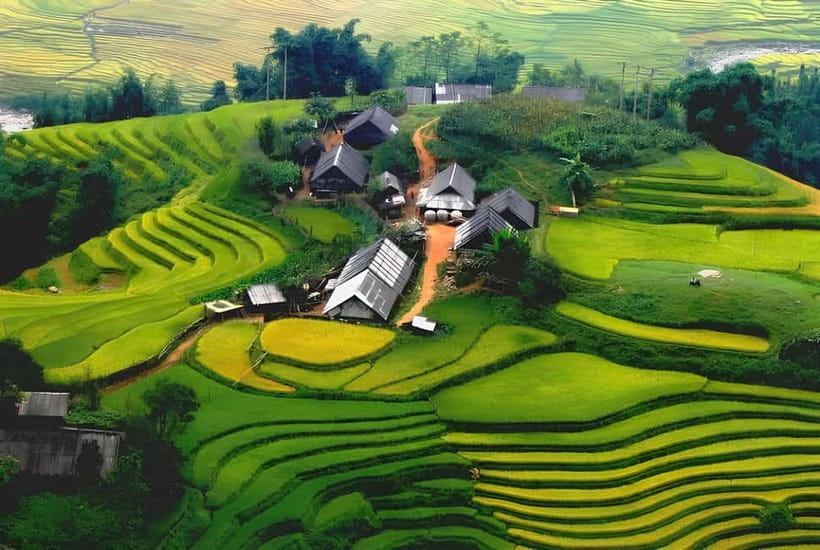
After lunch, the route continues toward Hau Thao, another Black Hmong community in the mountains. Depending on the season, you may see farmers planting or harvesting rice. This timing matters because the terraces change character throughout the year.
Rice work also gives the guide something concrete to explain. You can learn how farming fits the slope, why terraces are built, and how village life follows the growing cycle. The tour also covers Hmong marriage customs, house-building methods and daily routines.
The cultural information appears strongest when you ask questions. One guide was described as excellent when answering questions but less prepared with a formal commentary. If you want a lecture packed with dates and historical detail, this may feel light. If you prefer conversation about how people live now, the local guides can offer more useful insight.
I would ask about the houses, farming tools and family life as you walk. That turns ordinary details into part of the story. It also avoids treating the villages as scenery only.
Bamboo, mud and the final descent
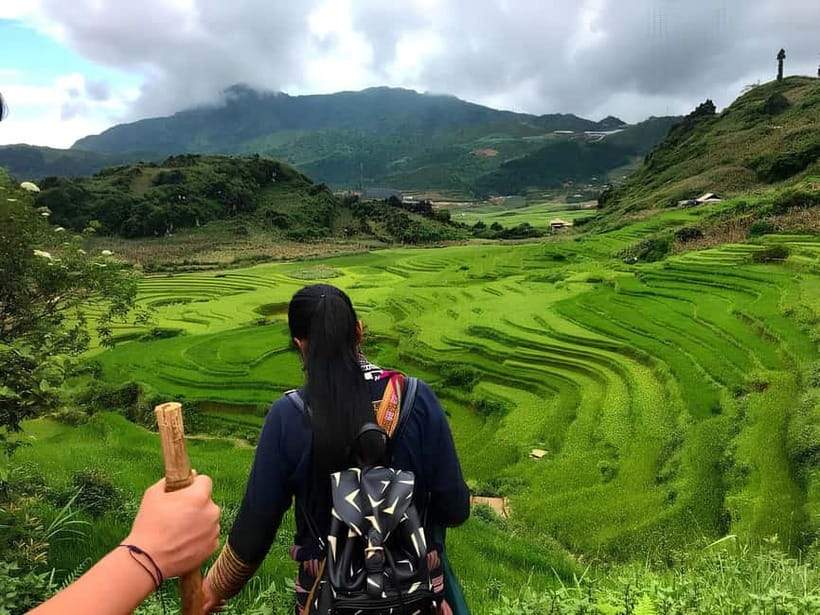
The final section can be the hardest, especially after several hours of walking. The route may include bamboo forest, open fields, rice terraces and steep concrete roads near the end. One outing covered about 15.6 kilometers, with roughly 630 meters of ascent and 1,100 meters of descent, though your exact route and figures may differ.
Downhill walking is easy to underestimate. It can be harder on knees than the climb, especially when the surface is wet. One person described the steep concrete road near the finish as the toughest part of the day. Another said the muddy final paths were challenging but worth the effort.
Wear shoes with a solid grip. Sunglasses, a sun hat, a spare hat and cash are listed as useful items, but I would add light rain protection and clothes that can get dirty. The supplied information specifically advises against walking barefoot, and that is especially important on slick ground.
At around 3:30 PM, you finish in Giang Ta Chai Village, where a vehicle takes you back to Sapa. The overall day can run from 7 to 10 hours, depending on pace, group size, stops and conditions. Arrange any special drop-off in advance, since a different destination may be free or may carry a fee.
The guides are a major part of the experience
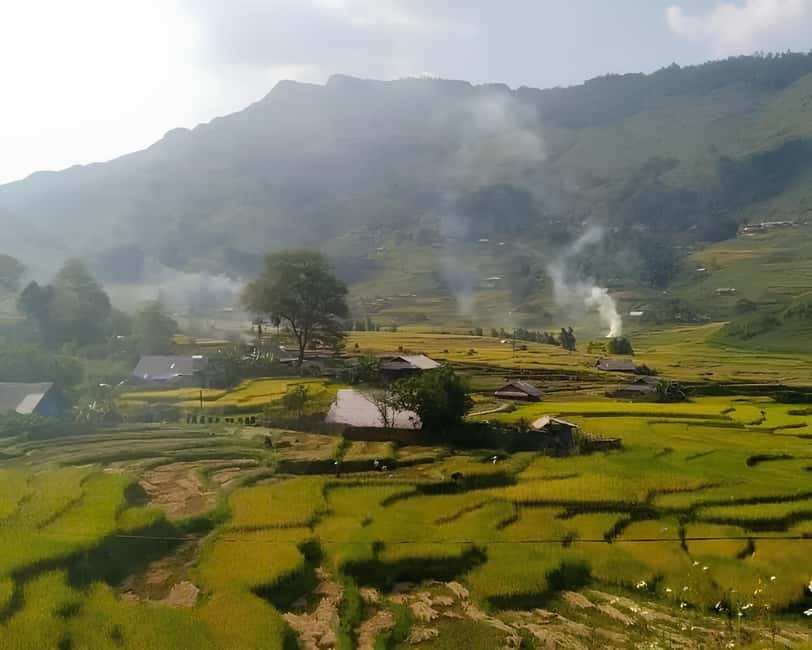
The strongest pattern across the feedback is the quality of the local guides. Mama Mao is repeatedly described as funny, energetic, caring and full of laughter. Su is praised for clear English, cultural explanations and looking after people who needed help. Zozo is described as humorous, thoughtful and informative, while Vang is noted for checking that everyone was safe.
Other named guides include Mao, La, Chau, Pang, Gao, Kerr, Chili and Mu. The names matter because this is not a purely scenic walk. The guide explains what you are seeing and helps you handle the terrain.
The guides also appear willing to adapt. In poor weather, you may be offered a choice between a higher route with uncertain views and a lower route with easier walking. That flexibility is useful, though it means the exact experience can differ from one date to another.
The English level can vary. Most feedback describes communication as good or excellent, but one person wanted more prepared information about the villages. I would book this for a friendly, conversational introduction to Hmong culture rather than a specialist ethnographic tour.
The awkward part: persistent souvenir selling
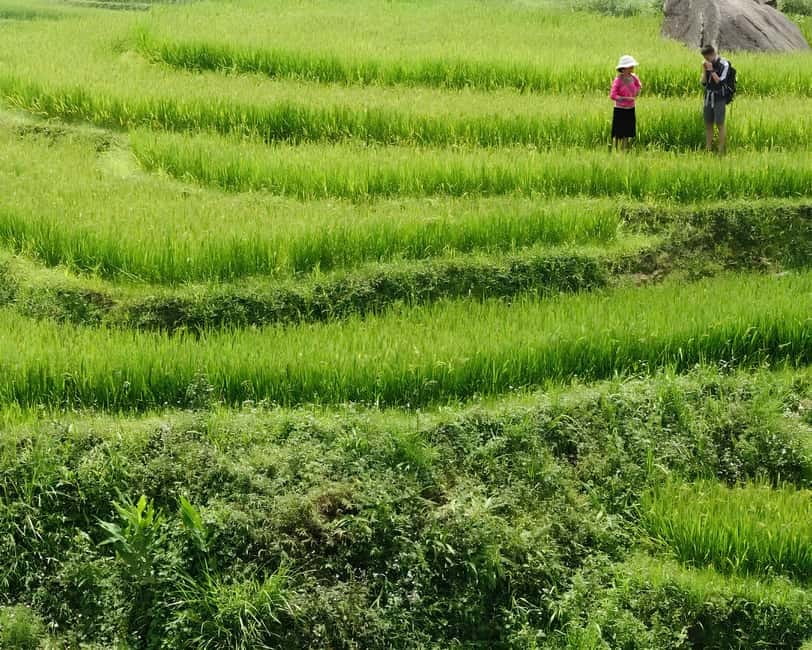
There is one social nuisance worth knowing about. Local women may walk alongside trekking groups and later encourage you to buy scarves or other goods. One person felt hassled at the end and said this seemed common for many groups.
You can handle this politely by deciding in advance if you want to buy anything. If you do not, a clear no thank you is enough. Do not let this issue define the whole outing, but it is fair to include it when weighing the experience.
Weather, seasons and what you will actually see
Sapa weather can change the tour from a grand scenic walk into a misty village hike. In fog, you may lose the view of Fansipan and much of Muong Hoa Valley. Still, several people found the day worthwhile because the guide, lunch, villages and route remained enjoyable.
Rain brings a bigger practical problem: slippery ground. Mud can make the trek much harder than the same route in dry weather. If heavy rain is forecast, ask about changing the date or cancelling within the stated time limit. If the day is dry but cloudy, I would still go. The countryside can look beautiful even when the distant peaks disappear.
Clear weather is especially useful in the rice terrace seasons, but the information provided does not promise a particular planting, growing or harvest period. Ask the operator what conditions are expected on your date if the farming scenes are important to you.
Who should book this trek?
I would recommend it to active visitors who want one full day outside Sapa Town. It suits you if you enjoy uneven trails, local food, village walking and a guide who talks about daily life rather than simply pointing at views.
It is less suitable for anyone with mobility limitations, heart problems, kidney problems, altitude sickness or poor tolerance for long walks. The activity is not suitable for wheelchair users, people with visual impairments, children under four, babies, people over 80, or anyone weighing more than 159 kilograms. The supplied restrictions also list younger children separately, so families should confirm the minimum age before booking.
You do not need to be an expert hiker, but you should be comfortable with a long day and steep ground. One person called it unsuitable for a first-ever hike, while others with limited time in Sapa found it an excellent one-day option.
Practical value at $24
The $24 price is strong if you use the included services. Pickup in Sapa Town, a private return vehicle, an English or Vietnamese guide, lunch, water and route fees cover the basics you would otherwise need to arrange yourself.
The biggest saving is time. You do not need to find a trailhead, negotiate a return ride from Giang Ta Chai or work out which village route connects to the next. You also get context that is difficult to gain from walking alone.
The price does not cover anything not listed, so carry cash for drinks, purchases or an extra transfer. If you want to stay overnight near Hau Thao or Giang Ta Chai, tell the operator beforehand. Local homestay arrangements, luggage transfer and transport plans may be possible, but they need advance coordination.
Should you book the Sa Seng and Hau Thao trek?
Book it if you want a demanding but affordable day with strong scenery, local guides and a real look at mountain communities. I would choose it over a shorter viewpoint visit if I had only one day in Sapa and wanted to understand how the valley works beyond its famous photographs.
Skip it if your knees dislike steep descents, if you need guaranteed clear views, or if rain would spoil your day. The best booking strategy is to choose a dry forecast, wear grippy hiking shoes, carry cash and confirm pickup by WhatsApp.
At 4.6 out of 5 from 344 ratings, the experience has a strong record. Its best features are clear: warm guides, generous lunch, impressive route variety and good value. Its weak points are also clear: difficult footing, changeable weather and occasional pressure to buy local goods. Go prepared, and this is a lively, rewarding way to spend a day in the Sapa hills.
FAQ
How long does the Sapa trek take?
The activity lasts about 7 to 10 hours. The scheduled start is around 9:00 AM, and the trek commonly finishes around 3:30 PM before transport returns you to Sapa.
Which villages does the route visit?
The route includes Sa Seng, Hang Da and Hau Thao, with the trek finishing in Giang Ta Chai Village for the return transfer to Sapa.
Is hotel pickup included?
Pickup and drop-off are included for accommodations located in Sapa Town. If you stay outside town, you can request a pickup for an additional fee or travel to a listed meeting point.
What mountain can you see from Sa Seng?
From Sa Seng, you may see Mount Fansipan, which reaches 3,143 meters and is the highest peak in Indochina. Fog and rain can block the view.
Is lunch included?
Yes. A traditional lunch at a local family-run restaurant is included. Drinks may cost extra, so bring cash.
Is the trek difficult?
The trek includes an uphill opening, uneven trails, muddy sections in wet weather, bamboo forest and long downhill stretches. Some outings cover about 15 kilometers, so a reasonable level of fitness is needed.
What should I bring?
Bring sunglasses, a sun hat or hat, suitable walking shoes and cash. Bottled water is provided during the trek. Clothes that can handle rain and mud are also sensible for poor weather.
What languages does the guide speak?
Guides are available in English and Vietnamese. The tour uses local trekking guides, and English ability can vary by guide.
Can I cancel or pay later?
You can cancel up to 24 hours in advance for a full refund. The activity also allows you to reserve now and pay later.
New around Sa Pa
- Sapa3D2N TrekkingAdventures,Valleys,Bambooforest,Waterfall★ 4.8 · 24 reviews
- Sapa: Y Linh Ho – Lao Chai, and Ta Van Trekking Day Tour★ 5.0 · 25 reviews
- Sapa: Ta Phin Village Trek & Red Dao Herbal Bath★ 5.0 · 22 reviews
- From Sapa: Guided Full-Day Trekking with Lunch and Drop-Off★ 4.2 · 86 reviews
- Sapa: Muong Hoa Mountain Views and Villages Trek with Lunch★ 4.3 · 28 reviews
- Sapa Trekking Bargains With Local Guide★ 4.9 · 91 reviews
- Sapa: Private Highlights Day Tour with Lunch★ 4.8 · 61 reviews
- Sapa: Love Silver Waterfall, LonelyTree in Heaven-Rice Field★ 4.9 · 28 reviews
Sapa Tours, compared.
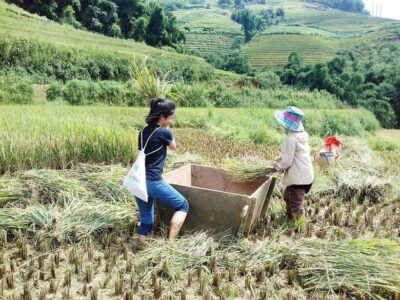
Muong Hoa Valley Trek and Local Ethnic Villages
Read our review →
Fansipan Cable, Cat Cat Village & Moana Instagram Tour
Read our review →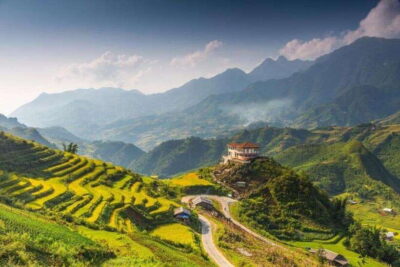
Eco Adventure Terrace Fields and Local Villages Trek
Read our review →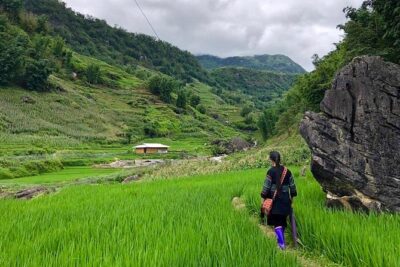
Number one top rated ethical cultural trekking and homestay by ETHOS
Read our review →
Cat Cat Village, Moana, Fansipan Cable Car, Alpine Coaster – Sapa
Read our review →
1-Day Guided Trek to Lao Chai & Ta Van with Lunch
Read our review →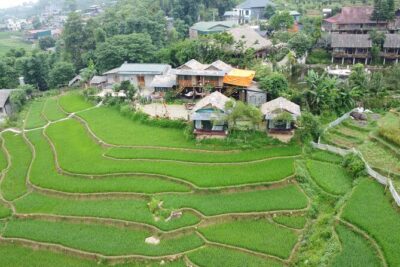
Fansipan Cable, Cat Cat Village, Moana Instagram Tour
Read our review →Browse the lists this tour appears in