
Reviewed · SAPA TOURS
From Sapa: 1-Day Guided Trek to Lao Chai & Ta Van with Lunch
Sapa’s best views require good walking shoes. This full-day trek links rice terraces, mountain paths, and the villages of Lao Chai and Ta Van in one well-paced outing. I especially like the chance to eat lunch in a local home and the way the guides explain daily life among the Black Hmong and Zay communities. The main catch is the 12-kilometer route, which becomes slippery and demanding after rain.
The experience earns a strong 4.9 out of 5 rating from 416 bookings, and I can see why. Guides such as Giang, Toan, Li, and Antoine are repeatedly praised for their warmth and local insight. You should still expect mud, uneven ground, and persistent souvenir sellers along parts of the trail, so this is not a gentle stroll through the countryside.
In This Review
- Quick facts that matter
- Starting in Sapa between 9:00 and 9:30
- Following Muong Hoa and Y Linh Ho Stream
- Arriving at Lao Chai and meeting the Black Hmong
- A generous Lao Chai lunch
- The second half toward Ta Van
- Ta Van and the Zay tradition of incense
- How hard is the trek?
- What the $34 price includes
- The good and the less comfortable parts
- Who should book this Sapa trek?
- FAQ
- How long is the trek?
- Where does the tour start?
- Which villages does the trek visit?
- Is lunch included?
- What languages are available?
- Is the route suitable for beginners?
- What should I bring?
- Is transport back to Sapa included?
- Should you book it?
Quick facts that matter
- A 12-kilometer trek: Expect about five hours of walking and lunch, with uphill and downhill sections.
- Two distinct village cultures: Lao Chai is associated with the Black Hmong, while Ta Van is home to the Zay people.
- Lunch is part of the experience: You eat a filling traditional meal in Lao Chai, with vegetarian choices available.
- Small groups help: Numbers are limited to 12, and several outings have had only four people or fewer.
- The route can turn muddy: Good hiking shoes, rain gear, and possibly rented Wellington boots are sensible after wet weather.
- A practical return: After Ta Van, a bus takes you back to Sapa.
Starting in Sapa between 9:00 and 9:30
Your day begins with hotel pickup in Sapa town centre. You are asked to wait in your hotel lobby between 9:00 and 9:30 AM, so keep your phone nearby and avoid wandering off for breakfast at the last moment.
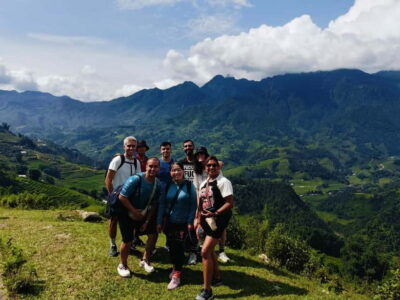
The tour is designed for a small group of up to 12 people. That matters on narrow paths, where a large crowd would slow the walk and make conversation with your guide harder. Small groups also give you more room to ask about farming, family life, clothing, customs, and the different communities in the valley.
The guide is the heart of this outing. Guides named Giang and Toan receive especially warm praise for their humor, patience, and ability to explain local life in clear English. Li is noted for taking people along less-used paths, while several guides have helped walkers over slippery sections or made simple bamboo walking sticks when the ground turned muddy.
English, Vietnamese, and French guiding is available. An English or Vietnamese audio guide is also listed, though the live guide is the more useful source of local explanation.
A few more Sa Pa runs to compare on price
- Sa Pa: Muong Hoa Valley Trek and Local Ethnic Villages
★ 4.6 · 864 reviews - Sapa: Eco Adventure Terrace Fields and Local Villages Trek
★ 4.9 · 636 reviews - Sapa 1 Day Long Trek: Trek to Hau Thao and Sa Seng Villages
★ 4.6 · 344 reviews
Following Muong Hoa and Y Linh Ho Stream
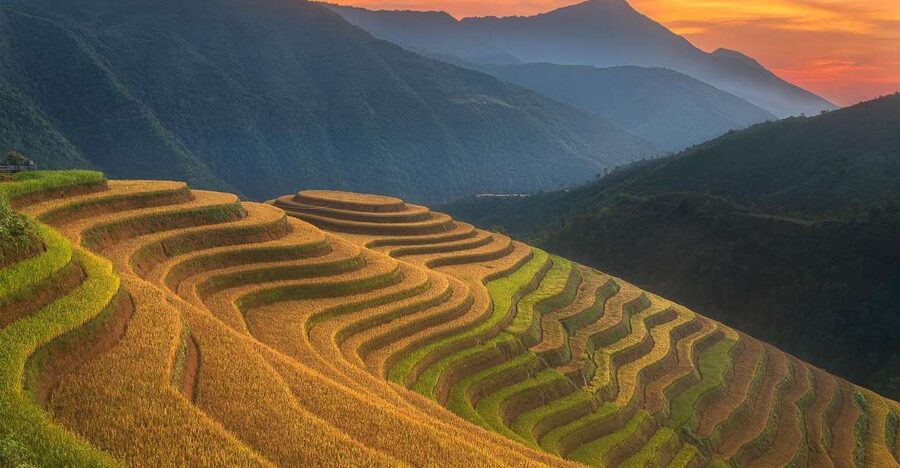
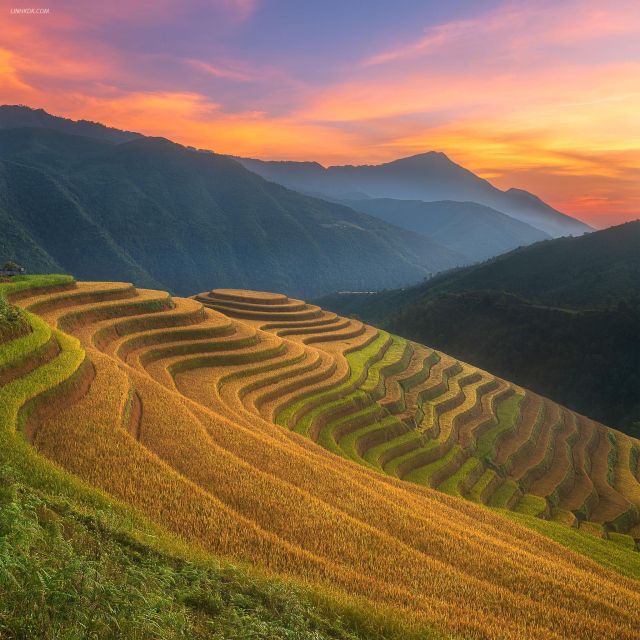
The walk heads out through the countryside toward Lao Chai. You follow the Muong Hoa and Y Linh Ho stream, with rice terraces opening across the valley and the Hoang Lien Son mountains rising around you.
This is the part that makes Sapa so memorable. The terraces are not just pretty patterns for photographs. They show how Hmong communities have shaped steep mountain slopes for rice farming. Your guide can add meaning to what you see by explaining village life, local customs, and the work behind those carefully cut fields.
The exact walking surface changes. Parts of the route are established paths, while other sections leave the easiest track and cross uneven or slippery ground. Several people found the walk manageable in dry conditions but much harder after rain. In wet weather, you might step through mud, walk beside fields, or handle steep sections where balance matters more than speed.
Local women sometimes walk alongside the group and offer help on tricky ground. That can be useful, especially when the trail is slick, but you should also know that some may try to sell handmade goods during long portions of the walk. A polite but firm no, thank you is likely to be needed more than once.
Arriving at Lao Chai and meeting the Black Hmong
Lao Chai is the first major village stop. Here, you get a closer look at Black Hmong life and the everyday setting behind the terraces.
The most valuable part is the conversation with your guide. Guides from the area can explain traditions and family life from personal experience, rather than offering only general facts. Giang, for example, has been praised for explaining her own Black Hmong traditions while also describing the other communities in the valley.
You may see homes, paths between fields, local shops, and ordinary village activity. The setting is not a museum, and that is precisely the point. People live and work here, so you should behave with care: ask before taking close-up photographs and remember that this is a community, not a staged performance.
The village can also bring the most pressure to buy souvenirs. Some local sellers are friendly and interesting to talk with, but a few may continue walking beside you after you decline. If shopping is not your aim, decide early what you want to buy and keep your answer consistent.
A generous Lao Chai lunch
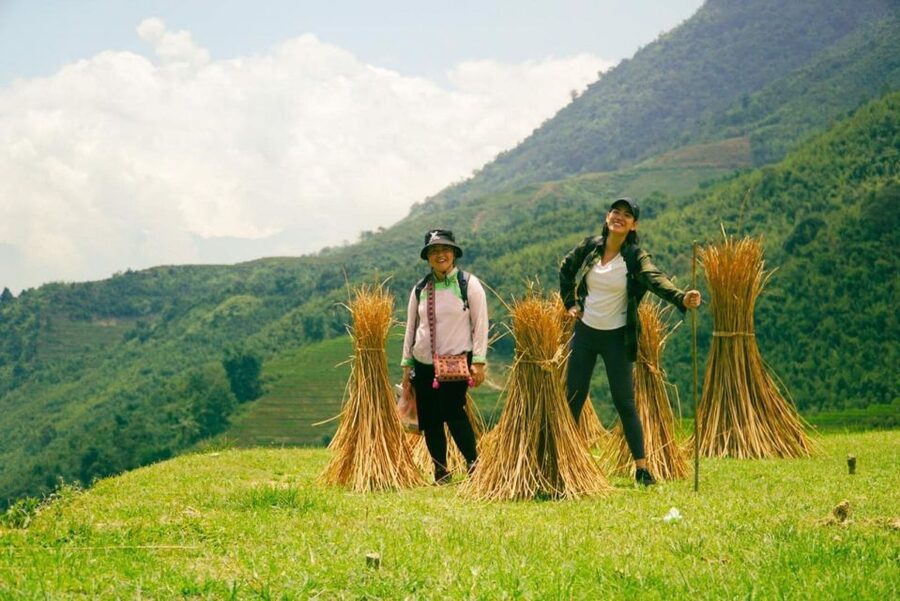
Lunch is served at a local home or restaurant in Lao Chai. It gives you a welcome pause after the first stretch of walking and offers a taste of food from the area.
The meal is repeatedly described as tasty, plentiful, and well timed. Vegetarian options are available, which is helpful if you need a meat-free meal. Drinks beyond the included small bottle of mineral water are not covered, so bring some extra cash if you want something cold with lunch.
I like this stop because it connects food with place. You are not simply eating at the end of a bus tour. You have already walked through the fields and villages, then sit down to recover before continuing to Ta Van.
Lunch also divides the day into two manageable halves. The route is still tiring, but a proper meal makes the second section easier. If you are not used to mountain walking, eat enough and take the break seriously. This is not the time to rush through lunch for more photographs.
Same city, a very different kind of morning:
- Sapa: Fansipan Cable, Cat Cat Village, Moana Instagram Tour
★ 4.8 · 294 reviews - From Sapa: 3-Day Ha Giang Loop with Safe Rider (max 8 pax)
★ 4.9 · 285 reviews - Explore Sapa by TrekkingAdventures, Mountain,Rice fields
★ 4.9 · 229 reviews - EXPLORE SAPA: 2D1N TREKKING & HMONG CULTURE WITH DINH
★ 4.9 · 191 reviews
The second half toward Ta Van
After lunch, the trail continues toward Ta Van through more terraces, mountain paths, streams, and village scenery. Some outings take quieter routes, giving you a better chance to walk without a line of tour groups directly ahead.
The pace can be adjusted to the group. Guides have been praised for slowing down for photographs, asking if walkers prefer easier or steeper paths, and watching carefully on difficult sections. That personal attention is a real advantage over following a fixed route with a large crowd.
Still, do not confuse a flexible pace with an easy walk. The published distance is 7.5 miles, or 12 kilometers, and one person recorded walking more than 14 kilometers in total. Elevation and route details can vary, but you should be comfortable with a moderate to high level of fitness.
The views are the reward. Rice terraces spread across the hills, bamboo trails add variety, and the surrounding mountains give the walk a grand setting. Clear weather can bring excellent views, while cloud and rain create a moodier but less predictable day. Rain gear is worth carrying even if the morning looks fine.
Ta Van and the Zay tradition of incense

Ta Van introduces you to the Zay community. Your guide explains local traditions and the way of life in the village, then shows how incense is made using local herbs.
This demonstration is a small detail, but it gives the afternoon a clear cultural focus. You learn about a practical tradition tied to plants and household life, rather than simply passing through another scenic village.
Ta Van is also a chance to compare the two communities you have encountered. The Hmong and Zay peoples share the same mountain region, but they have their own customs and identities. A good guide helps you notice those differences without turning the visit into a dry lecture.
After the village visit, you board a bus back to Sapa. The return transport is included and has been praised for being punctual, which matters after several hours on foot.
How hard is the trek?
You should treat this as a real hike. The route covers 12 kilometers and includes uneven terrain, slopes, and sections that can become very slippery. People over 70 and wheelchair users are specifically advised not to book, and the activity requires a moderate-high level of fitness.
The route is most comfortable with:
- Hiking shoes with good grip
- Warm clothing for Sapa’s changeable mountain weather
- Waterproof clothing or rain gear
- Sunglasses and biodegradable sunscreen
- Biodegradable insect repellent
- A camera and a small day bag
Do not bring large luggage. You will be walking, not moving between hotels, and bulky bags will quickly become a nuisance.
After rain, hiking boots are strongly recommended. Some people rented Wellington boots locally, while others used bamboo walking sticks made by their guide. Those details tell you something important: the route is fun and manageable for an active person, but conditions can change quickly.
What the $34 price includes
At $34 per person, this is good value if you want transport, a guide, entrance tickets, and lunch handled in one booking. You also get a small group, which can make the cultural discussion far better than a large coach excursion.
The price includes hotel pickup within central Sapa, the English-speaking guide, entrance tickets, lunch, a small bottle of mineral water, and the bus back to Sapa. You pay separately for other drinks, souvenirs, and insurance.
The strongest value comes from the guide rather than the transport. A guide such as Giang or Toan can turn a walk past terraces into a lesson about farming, village customs, and family life. Without that explanation, you would still see beautiful scenery, but you would miss much of what makes the route meaningful.
There are also practical booking protections. You can cancel up to 24 hours ahead for a full refund, and reserve now while paying later. Starting times should be checked when booking, since availability can vary.
The good and the less comfortable parts
The best feature is the combination of scenery and local context. You see terraces, streams, bamboo paths, and mountains, but you also learn how people live in the villages. The lunch and incense-making demonstration keep the day from becoming only a photo stop.
The guides are another major strength. Giang is often praised for being kind, funny, careful, and well informed about her community. Toan is described as lively and generous with local stories, even sharing guava with specialty salt. These personal touches can make a long hike feel friendly rather than formal.
The weak points are mostly physical and commercial. Rain can make the trail slick, and the distance is too much for anyone wanting a light walk. Souvenir sellers may also follow you for part of the route, which can take away from the quiet countryside mood.
You should also keep expectations realistic about the word authentic. You do visit working villages, but the route is popular and includes tourist services. That does not make it worthless. It simply means you should approach the communities respectfully and understand that local commerce is part of the visit.
Who should book this Sapa trek?
I would choose this outing if you want one active day that combines mountain scenery with cultural explanation. It suits adults who enjoy walking, do not mind uneven ground, and want more than a quick viewpoint stop.
It is especially good for:
- First-time visitors to Sapa
- People interested in Hmong and Zay traditions
- Small groups and solo visitors who want a social outing
- Anyone who values a local lunch
- Hikers comfortable with 12 kilometers
- Photographers prepared for changing weather
I would hesitate if you have knee, balance, or mobility concerns, or if you want a relaxed sightseeing day. You may also prefer a shorter route if the forecast calls for heavy rain.
FAQ
How long is the trek?
The stated route is 7.5 miles, or 12 kilometers. The main activity lasts about one day, with the walking and lunch portion listed at approximately 5.1 hours.
Where does the tour start?
Pickup is from hotels in Sapa town centre. You should wait in your hotel lobby between 9:00 and 9:30 AM.
Which villages does the trek visit?
The route visits Lao Chai, associated with the Black Hmong, and Ta Van, home to the Zay people.
Is lunch included?
Yes. Lunch is included and is served in Lao Chai at a local home or restaurant. Vegetarian options are available.
What languages are available?
Live guides are available in English, Vietnamese, and French. An audio guide is listed in English and Vietnamese.
Is the route suitable for beginners?
The route requires a moderate-high level of fitness. It includes 12 kilometers of walking and can be slippery or muddy after rain, so it is not suitable for anyone seeking an easy stroll.
What should I bring?
Bring warm clothing, sunglasses, a camera, hiking shoes, biodegradable sunscreen, rain gear, and biodegradable insect repellent. Large luggage is not suitable.
Is transport back to Sapa included?
Yes. After visiting Ta Van, you return to Sapa by bus. Hotel pickup in central Sapa is also included.
Should you book it?
Yes, if you are ready for a proper walk. At $34, the included lunch, tickets, guide, pickup, and return transport make this a strong-value way to see the Muong Hoa valley.
Book it for the guides, the terrace views, and the chance to learn about Black Hmong and Zay life along the way. Skip it if rain, mud, steep paths, or repeated souvenir offers would spoil your day. For fit walkers who pack sensible shoes and arrive prepared for mountain weather, this is one of the better one-day introductions to Sapa’s villages and countryside.
More 1-Day Tours in Sa Pa
- Sapa: Motorbike Tour 1 Day Visit Waterfalls & Local Villages
★ 5.0 · 112 reviews - 1-Day Sapa Long Trek – Rice Field Terrace, Ethnic Culture
★ 4.9 · 62 reviews - In Sapa: 1 Day Mountain Trek, Visit beautiful villages
★ 5.0 · 50 reviews - Hanoi/Ninh Binh: 1-Day Tam Coc/Trang An, Hoa Lu & Mua Caves
★ 4.6 · 3,706 reviews
New around Sa Pa
- Sapa3D2N TrekkingAdventures,Valleys,Bambooforest,Waterfall★ 4.8 · 24 reviews
- Sapa: Y Linh Ho – Lao Chai, and Ta Van Trekking Day Tour★ 5.0 · 25 reviews
- Sapa: Ta Phin Village Trek & Red Dao Herbal Bath★ 5.0 · 22 reviews
- From Sapa: Guided Full-Day Trekking with Lunch and Drop-Off★ 4.2 · 86 reviews
- Sapa: Private Highlights Day Tour with Lunch★ 4.8 · 61 reviews
- Sapa: Muong Hoa Mountain Views and Villages Trek with Lunch★ 4.3 · 28 reviews
- Sapa Trekking Bargains With Local Guide★ 4.9 · 91 reviews
- Sapa: Love Silver Waterfall, LonelyTree in Heaven-Rice Field★ 4.9 · 28 reviews
Sapa Tours, compared.
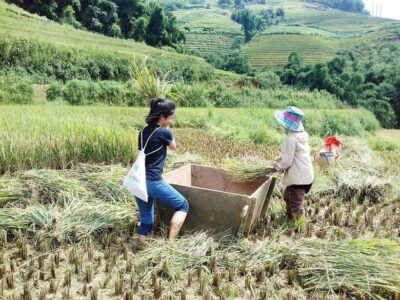
Muong Hoa Valley Trek and Local Ethnic Villages
Read our review →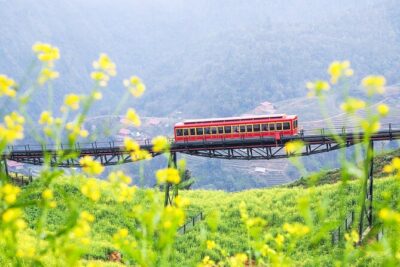
Fansipan Cable, Cat Cat Village & Moana Instagram Tour
Read our review →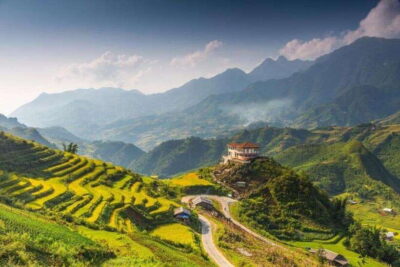
Eco Adventure Terrace Fields and Local Villages Trek
Read our review →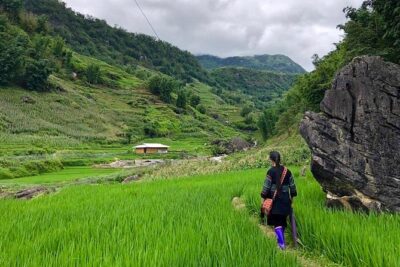
Number one top rated ethical cultural trekking and homestay by ETHOS
Read our review →
Cat Cat Village, Moana, Fansipan Cable Car, Alpine Coaster – Sapa
Read our review →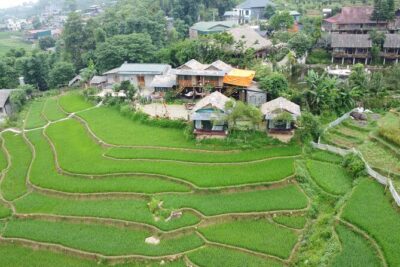
Sapa 1 Day Long Trek: Trek to Hau Thao and Sa Seng Villages
Read our review →Fansipan Cable, Cat Cat Village, Moana Instagram Tour
Read our review →Browse the lists this tour appears in