
Reviewed · SAPA TOURS
AUTHENIC 2D1N Trek & Bungalow Retreat with Dinh Hmong Family
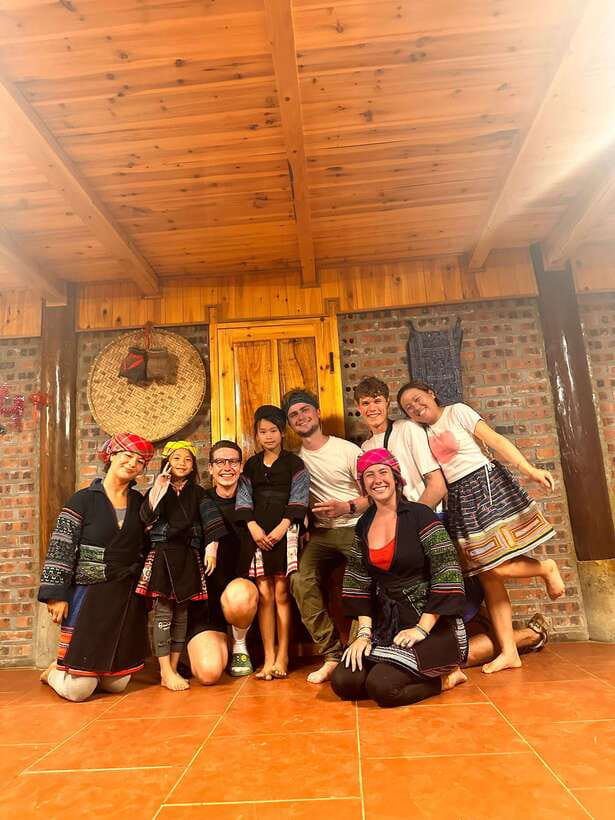
The best Sapa memories often begin on foot. This two-day trek pairs Muong Hoa Valley’s rice terraces with a night at Dinh’s family homestay, giving you more than a quick viewpoint stop. I especially like the chance to learn about Hmong customs from Dinh, a local Hmong guide, and the warm family meal with cooking, dance, children, and local rice wine.
I also like the practical value: $48 includes two lunches, dinner, breakfast, a guide for both days, village entry fees, the overnight stay, drinking water, and transport back to Sapa. The main caution is the terrain. You will cover about 18 kilometers over two days, with steep and uneven sections, so this is not a gentle village stroll.
In This Review
- Key points to know before booking
- Why this Sapa trek feels different
- Day one: from Sapa into Muong Hoa Valley
- Lunch with a Hmong family
- Lao Chai and Ta Van: villages with a story
- The family homestay in Ta Van
- Cooking, dancing, and Happy Water
- Day two: bamboo forest and Giang Ta Chai waterfall
- Red Dao villages and the return to Sapa
- What the $48 price really covers
- Who should book this trek
- Booking advice and final verdict
- FAQ
- Where does the Sapa trek begin?
- How long is the trek?
- How long does each walking day take?
- Who guides the tour?
- Where do you spend the night?
- What meals are included?
- Is transportation back to Sapa included?
- Can you swim at the waterfall?
- Is the trek suitable for all fitness levels?
- What happens if you need to cancel?
Key points to know before booking
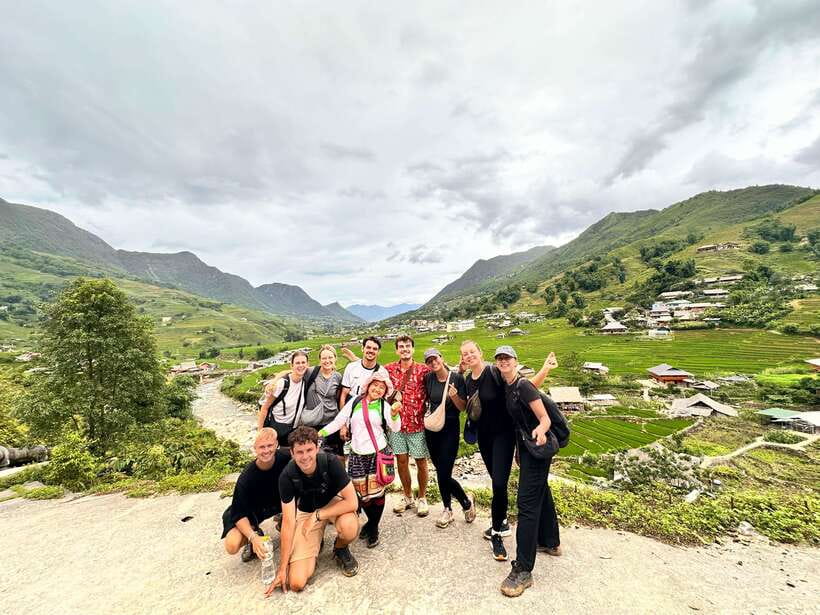
- Hmong family connection: Dinh and her sister guide the trek, and the overnight stay is with Dinh’s family in Ta Van.
- Two very different walking days: Day one follows rice terraces and Hmong villages, while day two brings bamboo forest, waterfalls, and Red Dao communities.
- A real homestay evening: You can help prepare dinner, hear about Hmong marriage traditions, meet local children, and join traditional dancing.
- Moderate but demanding terrain: The total distance is about 18 kilometers, with narrow, steep, and uneven paths.
- Strong value at $48: Meals, guiding, accommodation, entry fees, water, and the return ride to Sapa are included.
- Best for active, curious visitors: It suits people who want local contact and mountain scenery more than polished hotel comfort.
Why this Sapa trek feels different
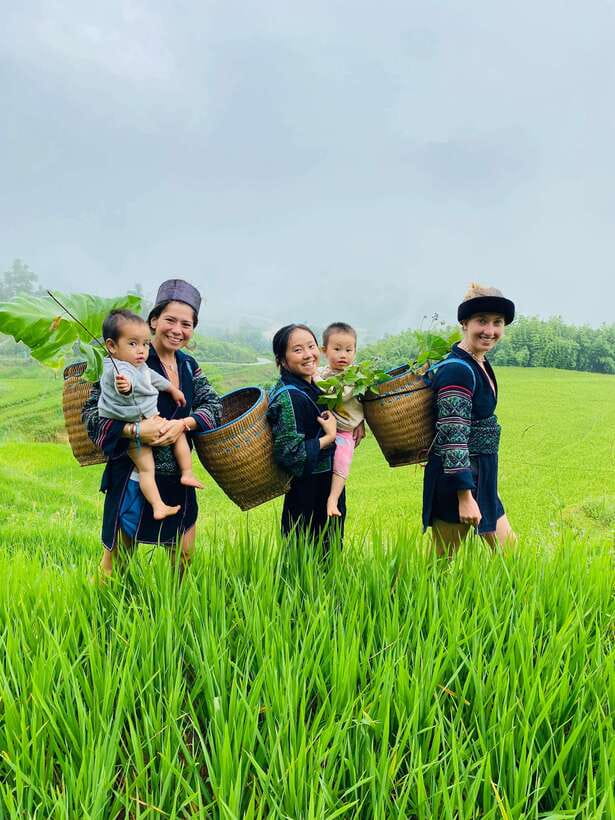
Sapa has no shortage of rice terrace walks. The difference here is the overnight connection. You do not simply pass through a village, take a photo, and return to town. You spend the evening with a Hmong family, eat their food, and hear about daily life from someone who grew up in the area.
Dinh is a Hmong guide from the region, and that matters. She can explain cultural differences between the Hmong, Giay, and Red Dao communities as you walk through their villages. The focus is not only on scenery. You get context for the homes, farming, clothing, customs, and seasonal work you see along the way.
The experience also has a personal side. Dinh supports the education of 10 local children, and her students may perform a traditional dance to welcome you. That gives the evening a community feel, although you should come with an open mind and avoid expecting a formal stage show. This is a family gathering, not a theater production.
A few more Sa Pa runs to compare on price
- Sa Pa: Muong Hoa Valley Trek and Local Ethnic Villages
★ 4.6 · 864 reviews - Sapa: Eco Adventure Terrace Fields and Local Villages Trek
★ 4.9 · 636 reviews - From Sapa: 1-Day Guided Trek to Lao Chai & Ta Van with Lunch
★ 4.9 · 416 reviews
Day one: from Sapa into Muong Hoa Valley
The first morning begins at 9:00 AM. Dinh and her sister meet you at your hotel in Sapa Town or in front of the local main church. After a short introduction, you leave the town and start walking down toward Y Linh Ho village.
This opening section takes you away from Sapa’s busy center and into the broad views of Muong Hoa Valley. The rice terraces are the main attraction, but the best views change with the season. During planting and harvest, you may see people working in the fields. At other times, the terraces may look quieter and more open.
The route covers about 9 to 12 kilometers on the first day and takes roughly five and a half hours. That timing includes stops, meals, and breaks, but you still need a fair level of stamina. The direction is mostly downhill at the start, though downhill walking on uneven paths can be hard on knees and ankles.
You will see water buffalo along the way. These animals are part of ordinary farm life here, not arranged props for a photo. Give them room and follow Dinh’s instructions when paths become narrow.
Lunch with a Hmong family
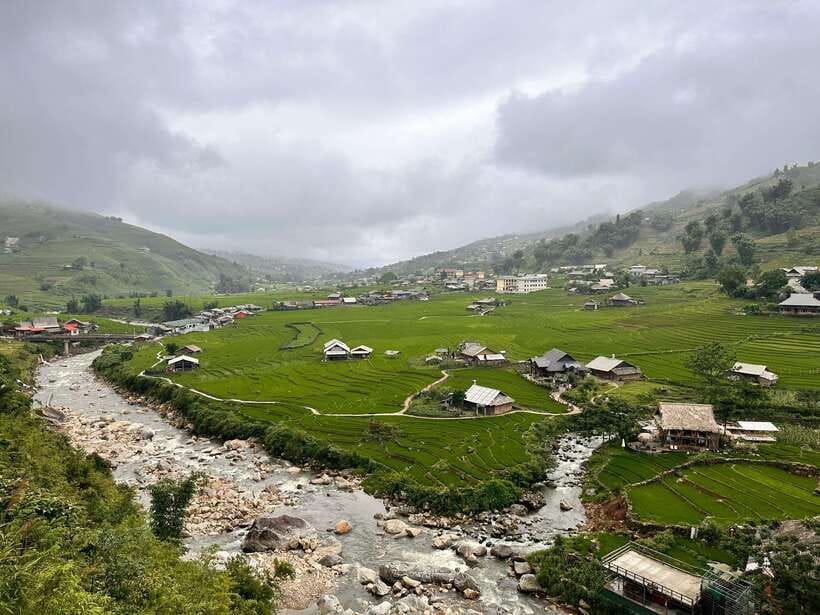
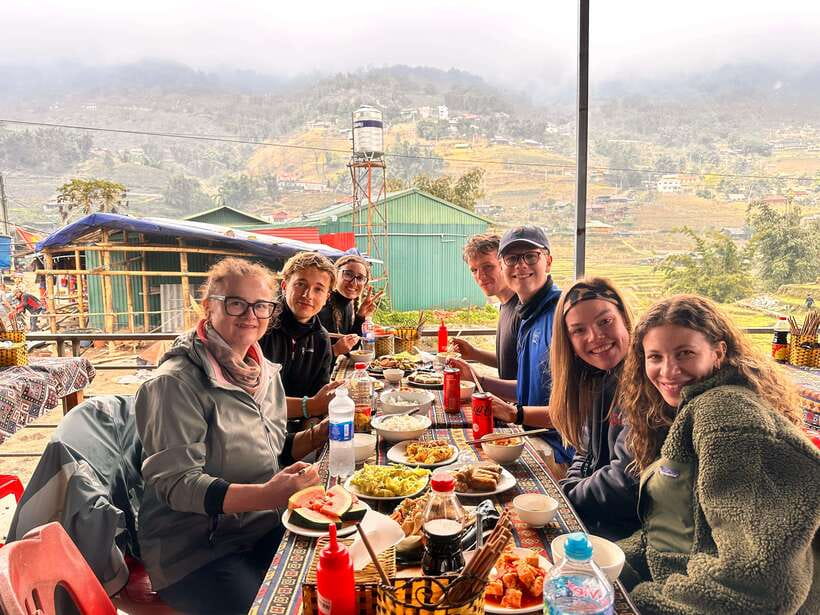
Lunch takes place at a small restaurant run by a local Hmong family. This is a useful middle point in the day because you can rest, eat, and learn more about the people who live in the valley.
Two lunches are included in the price, along with one dinner and breakfast. The food is described as homemade and prepared with fresh ingredients. Still, you should bring snacks in case you need extra energy between stops, especially if you are unused to long walks in warm weather.
The meal also helps explain the value of this tour. A low-cost excursion can easily rely on large restaurants or standard tourist meals. Here, part of your money goes toward a small family-run place, and the setting connects your meal with the community you are visiting.
Lao Chai and Ta Van: villages with a story
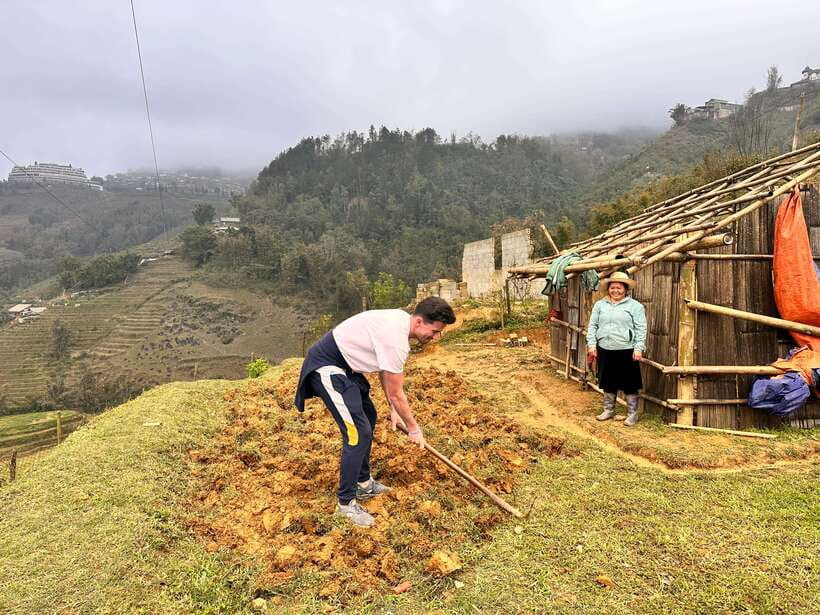
After lunch, the route continues to Lao Chai, described as one of the oldest and largest Hmong villages in the area. You then walk toward Ta Van, where Giay and Hmong communities live.
The villages are not simply scenic backdrops. Dinh explains how ethnic groups differ in their customs and daily routines. One topic covered on the tour is Hmong marriage tradition, a subject that adds depth to what you see around you. Ask questions as you go. The walking pace and local guide make this easier than trying to learn the same information from a sign or guidebook.
You may see people planting or harvesting rice, depending on the season. That seasonal timing is important. Sapa’s famous terraces are working farmland, and the views are tied to farming cycles. If you visit when fields are green, the valley looks lush. During harvest, the colors change. At other times, the terraces may be brown or partly bare, but you still see how the hills are shaped for agriculture.
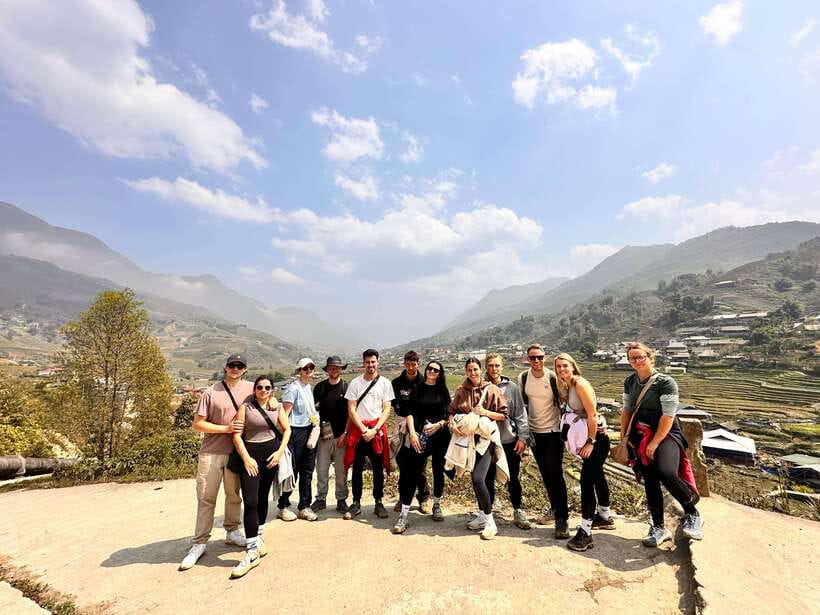
The route is shared with other people, so you should not expect a private walk. Group size is not specified, and the pace may need to suit different fitness levels. The advantage is company and a lower price. The tradeoff is less freedom to stop whenever you want.
Same city, a very different kind of morning:
- Sapa 1 Day Long Trek: Trek to Hau Thao and Sa Seng Villages
★ 4.6 · 344 reviews - Sapa: Fansipan Cable, Cat Cat Village, Moana Instagram Tour
★ 4.8 · 294 reviews - From Sapa: 3-Day Ha Giang Loop with Safe Rider (max 8 pax)
★ 4.9 · 285 reviews - Explore Sapa by TrekkingAdventures, Mountain,Rice fields
★ 4.9 · 229 reviews
The family homestay in Ta Van
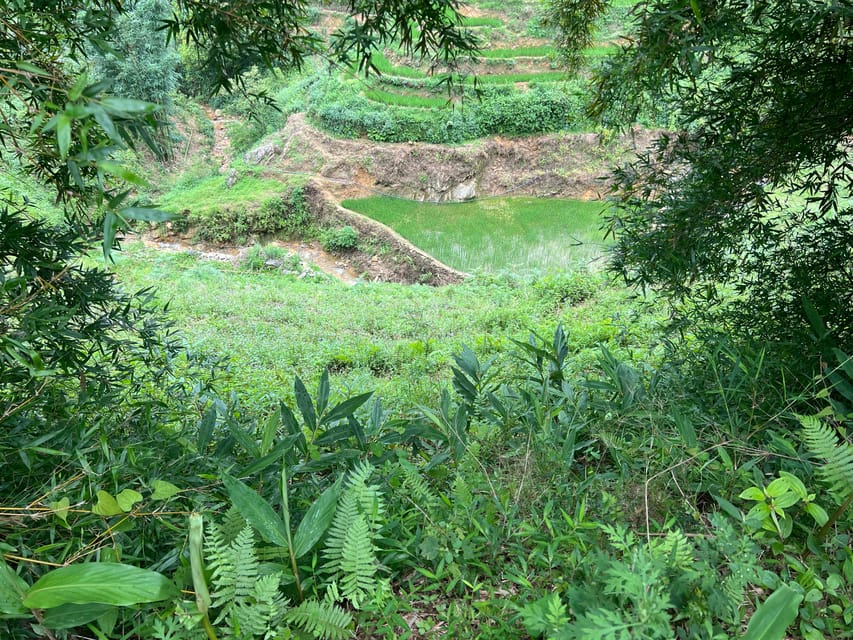
Arriving at Dinh’s family home is the turning point of the trip. You have time to rest, take a hot shower, and settle into the simple accommodation before dinner.
The homestay is basic, cozy, and built around the setting rather than hotel-style facilities. Descriptions of the bungalow-style accommodation highlight bamboo details and views over the rice fields. You may wake to misty mountains and natural morning sounds, but you should not book this expecting a resort room or a long list of amenities.
That simplicity is part of the appeal. You are staying in a family home, not an isolated property designed only for short-term visitors. The experience works best if you are comfortable with modest facilities and shared social space.
The accommodation has received especially strong praise for being clean and comfortable. That is reassuring, but the phrase simple homestay still matters. If you need high-end bedding, private hotel services, or complete quiet, choose a Sapa hotel instead.
Cooking, dancing, and Happy Water
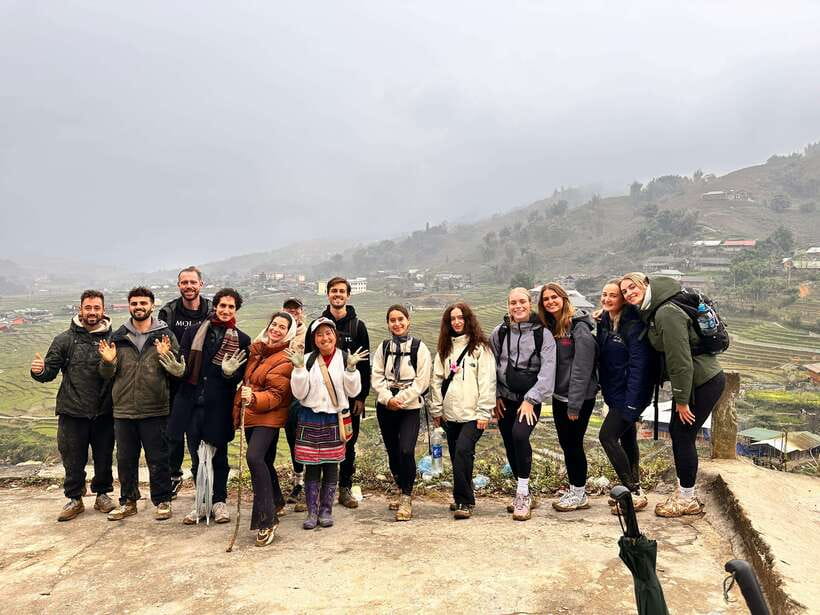
The evening includes an informal cooking session with Dinh’s family. You can help prepare a traditional Hmong dish, then sit down for a home-cooked dinner.
This is one of the strongest parts of the experience because the kitchen creates natural conversation. Food gives you a way to ask about ingredients, farming, family life, and customs without turning the evening into a lecture. The hosts are also described as welcoming and happy to include visitors in the meal.
Dinh may tell you about her work supporting 10 local children’s education. Her students may perform a traditional dance, and you can play with the children afterward. There may also be drinking games involving Happy Water, the local name for rice wine.
You do not have to drink. If you do, take it slowly. Rice wine can be stronger than it tastes, and you still have another walking day ahead. The social part is the point, not proving how much you can consume.
Day two: bamboo forest and Giang Ta Chai waterfall
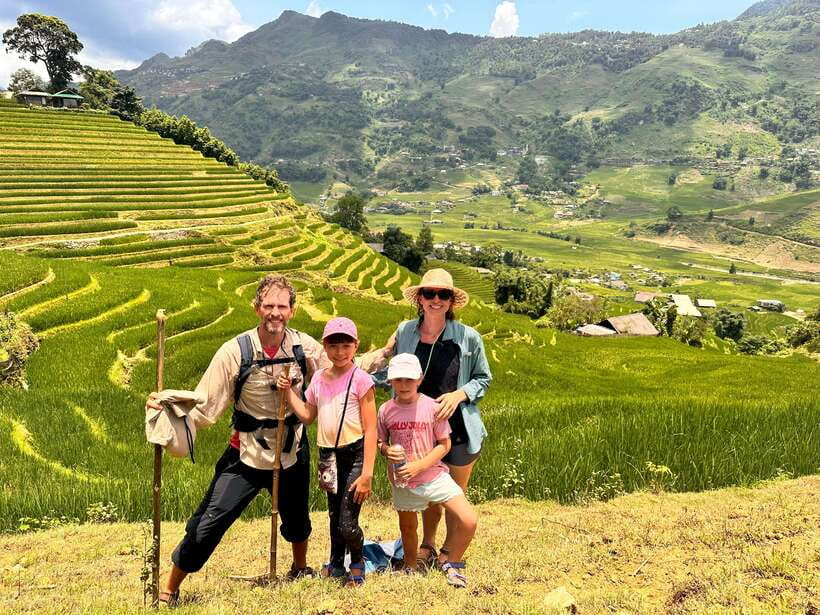
Begin the second morning with hot coffee or tea at the homestay. After breakfast, you walk through bamboo forest and terraced fields toward the waterfalls of Giang Ta Chai.
The second day is shorter, about 7 to 8 kilometers and roughly four to five hours. It is still a proper trek, with uneven ground and some steep sections. The bamboo forest changes the mood from the wide valley views of day one. You get shade, narrower paths, and a closer feeling of being in the mountain environment.
At the waterfall, you may swim if conditions suit you and you feel comfortable. Bring suitable clothing if you want to get in. The supplied information does not promise changing facilities, so plan for a simple outdoor stop rather than a developed swimming area.
The waterfall is a good reason to pack carefully. Comfortable shoes are essential, and sunscreen, a hat, water, and snacks are recommended. Each person receives one large bottle of drinking water per day, but you should not rely on that alone if you know you drink heavily while walking.
Red Dao villages and the return to Sapa
After the waterfall, the route enters an area associated with the Red Dao ethnic group. This gives the second day a useful cultural contrast with the Hmong and Giay communities seen earlier.
You then continue to the main road for lunch with a local family. After the meal, a taxi takes you back to Sapa. The tour ends between about 2:00 and 3:30 PM, depending on the walking pace and timing.
This return arrangement is convenient if you need to catch a train, bus, or other connection from Sapa, but do not schedule something extremely tight. The finish time has a range, and mountain transport can take longer than expected.
The ride back is included, which adds value and saves you the trouble of arranging your own transfer. There is no stated pickup from another town, so confirm the meeting point if you are staying outside Sapa Town.
What the $48 price really covers
At $48 per person, this is a strong package for an active two-day outing. You receive:
- An English-speaking local guide for two days
- Village entry fees for four villages
- Two lunches
- One dinner
- One breakfast
- One night with Dinh’s family
- One large bottle of water per person per day
- Transportation back to Sapa
You still pay for snacks, extra drinks, souvenirs, and personal expenses. The price also does not turn the homestay into a hotel. Its value comes from the guide, meals, local access, and family setting.
A free T-shirt is provided at the end of the Sapa journey. That is a small extra, but it is a practical souvenir and a nice closing touch.
The current rating is 5.0 from 19 ratings, with repeated praise for the scenery, food, clean accommodation, guide service, and family welcome. Those are exactly the parts that carry the most weight here. The tour is not selling luxury. It is selling time in the valley with a local family, and the price supports that goal well.
Who should book this trek
I would choose this trip if you want three things at once: mountain scenery, a moderate physical challenge, and direct contact with local life. It is especially suitable for couples, friends, and solo visitors who enjoy shared meals and informal conversation.
You should be comfortable walking for several hours on rough ground. The route is not suitable for pregnant women, people with back problems, mobility impairments, vertigo, or a strong fear of heights. It is also not recommended for people over 70, according to the supplied guidance.
Children under three can join free, but you need to inform the provider in advance. Older children may enjoy the animals, waterfalls, village paths, and time with local children, but the distance still requires attention to their stamina.
Pack comfortable walking shoes, a hat, camera, snacks, sunscreen, and extra water. Clothing that can handle dust, mud, and changing mountain weather is sensible, though the specific weather conditions are not provided.
Booking advice and final verdict
Book before 1:00 PM on the first day if you want the complete itinerary. The tour can be reserved with payment later, and cancellation is allowed up to 24 hours ahead for a full refund.
I would book this trek if a simple homestay sounds appealing and you want a personal introduction to Hmong culture. The family dinner, cooking session, children’s dance, and two different ethnic areas make it more meaningful than a standard day hike.
I would skip it if you want private transport throughout, polished accommodation, or a relaxed schedule with little walking. For everyone else, the combination of Muong Hoa Valley, rice terraces, bamboo forest, waterfalls, local meals, and Dinh’s family welcome makes this a very good-value Sapa experience.
FAQ
Where does the Sapa trek begin?
The tour begins at 9:00 AM from your hotel in Sapa Town or in front of the local main church.
How long is the trek?
The total walking distance is about 18 kilometers over two days and one night. Day one covers about 9 to 12 kilometers, and day two covers about 7 to 8 kilometers.
How long does each walking day take?
The first day takes about five and a half hours. The second day takes about four to five hours.
Who guides the tour?
Dinh, a local Hmong guide, and her sister meet you and guide the experience. English and Vietnamese are available.
Where do you spend the night?
You stay for one night with Dinh’s family in Ta Van. The homestay is simple, authentic, cozy, and equipped with basic amenities.
What meals are included?
The price includes two lunches, one dinner, and one breakfast. Personal snacks and drinks besides the provided water are not included.
Is transportation back to Sapa included?
Yes. After lunch on the second day, transportation by taxi back to Sapa is included.
Can you swim at the waterfall?
You may swim at Giang Ta Chai waterfall if you wish. Bring suitable clothing if you plan to enter the water.
Is the trek suitable for all fitness levels?
No. The trek requires moderate fitness and includes steep and uneven terrain. It is not suitable for people with mobility impairments, back problems, vertigo, or a fear of heights.
What happens if you need to cancel?
You can cancel up to 24 hours in advance for a full refund.
New around Sa Pa
- Sapa3D2N TrekkingAdventures,Valleys,Bambooforest,Waterfall★ 4.8 · 24 reviews
- Sapa: Y Linh Ho – Lao Chai, and Ta Van Trekking Day Tour★ 5.0 · 25 reviews
- Sapa: Ta Phin Village Trek & Red Dao Herbal Bath★ 5.0 · 22 reviews
- From Sapa: Guided Full-Day Trekking with Lunch and Drop-Off★ 4.2 · 86 reviews
- Sapa: Muong Hoa Mountain Views and Villages Trek with Lunch★ 4.3 · 28 reviews
- Sapa Trekking Bargains With Local Guide★ 4.9 · 91 reviews
- Sapa: Private Highlights Day Tour with Lunch★ 4.8 · 61 reviews
- Sapa: Love Silver Waterfall, LonelyTree in Heaven-Rice Field★ 4.9 · 28 reviews
Sapa Tours, compared.
Muong Hoa Valley Trek and Local Ethnic Villages
Read our review →
Fansipan Cable, Cat Cat Village & Moana Instagram Tour
Read our review →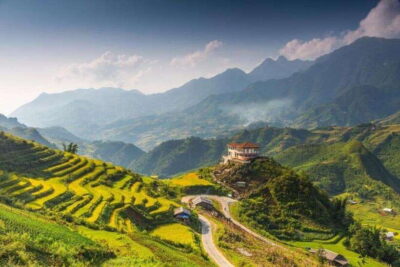
Eco Adventure Terrace Fields and Local Villages Trek
Read our review →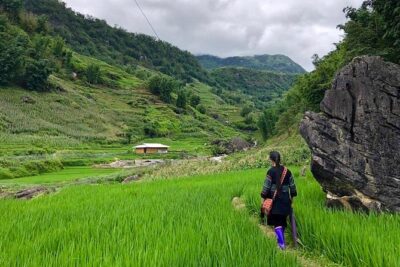
Number one top rated ethical cultural trekking and homestay by ETHOS
Read our review →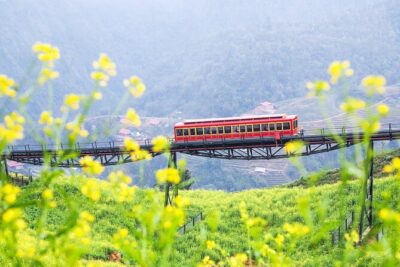
Cat Cat Village, Moana, Fansipan Cable Car, Alpine Coaster – Sapa
Read our review →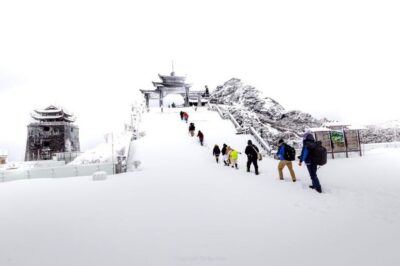
1-Day Guided Trek to Lao Chai & Ta Van with Lunch
Read our review →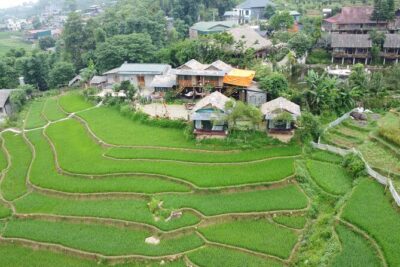
Sapa 1 Day Long Trek: Trek to Hau Thao and Sa Seng Villages
Read our review →Browse the lists this tour appears in