
Reviewed · SAPA TOURS
EXPLORE SAPA: 2D1N TREKKING & HMONG CULTURE WITH DINH
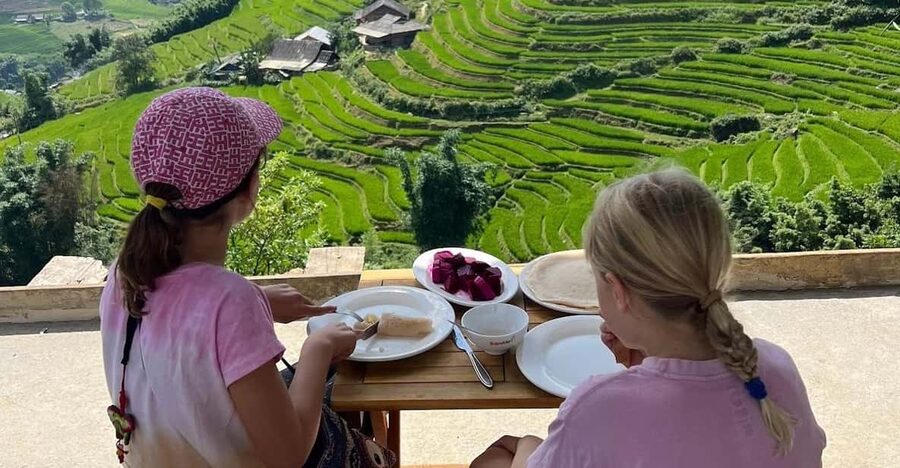
Sapa reveals itself one footstep at a time. This 2-day trek with Dinh links rice terraces, bamboo forests, waterfalls, and mountain villages with an overnight stay in her family home in Ta Van. The walk is not just a scenic outing. Dinh explains Hmong life, introduces the Giay and Red Dao areas, and shares how her trekking work helps support local children’s education.
I especially like the genuine family homestay and the chance to learn directly from a Hmong guide who lives in Ta Van. The food is another strong point: fresh, plentiful meals include vegetarian choices, and the evening cooking session gives you a place at the table rather than a quick meal in a tourist restaurant. The main consideration is the terrain. Eighteen kilometers over two days can mean mud, steep paths, and slippery rice-field tracks, especially after rain.
Dinh brings plenty of energy, humor, and personal knowledge to the walk. Family members such as Su, Ku, Zu, and Mo may help guide larger groups, and their care on rough sections is often part of the experience. If you want a polished resort-style outing, this is not it. If you want mountain scenery with real family contact, it offers very good value at $43 per person.
In This Review
- Key points to know before you book
- Starting in Sapa and walking toward Y Linh Ho
- Lunch with a Hmong family near Lao Chai
- Lao Chai to Ta Van, the most rewarding stretch
- An evening of cooking, stories, and local hospitality
- Day 2 through bamboo forest and rice fields
- Returning to Sapa after lunch
- What $43 buys you
- Group size, guides, and the feel of the walk
- The honest drawbacks to keep in mind
- Who should book this Sapa trek?
- FAQ
- How long is the trek?
- Where does the tour begin?
- Where do I sleep?
- Are meals included?
- Can I swim at the waterfall?
- What happens to my large bags?
- Is the tour suitable for children?
Key points to know before you book
- A real Ta Van family homestay: You stay with Dinh’s family, with a private room or bungalow available by request.
- Two distinct trekking days: Day 1 covers 9 to 11 kilometers from Sapa through Y Linh Ho and Lao Chai to Ta Van. Day 2 covers 7 to 8 kilometers through bamboo forest and rice fields to Giang Ta Chai.
- Hmong culture comes through personal stories: Dinh discusses local ethnic groups, traditions, clothing, farming, and her work helping children attend school.
- Waterfall swimming is possible: Bring suitable clothing if you want to swim at Giang Ta Chai.
- The walk can get muddy: Good hiking shoes are essential, and you should expect uneven, wet ground in rainy weather.
- The price covers the basics well: Guiding, village fees, three main meals plus breakfast, accommodation, daily water, and the return ride to Sapa are included.
Starting in Sapa and walking toward Y Linh Ho
The tour begins at 9:00 in Sapa Town. Dinh meets you at your hotel or outside the main local church, gives a short introduction, and then leads you downhill toward Y Linh Ho.
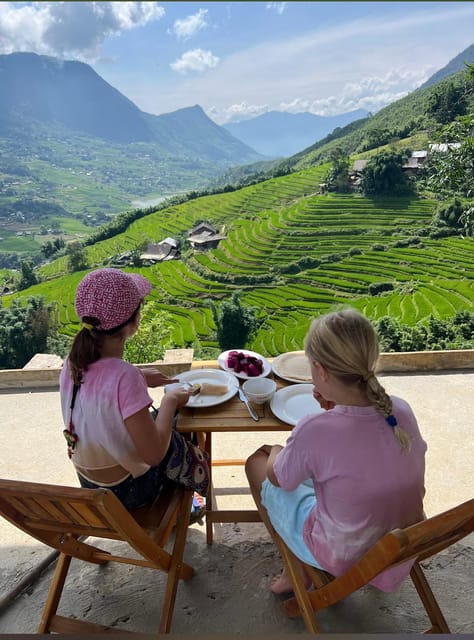
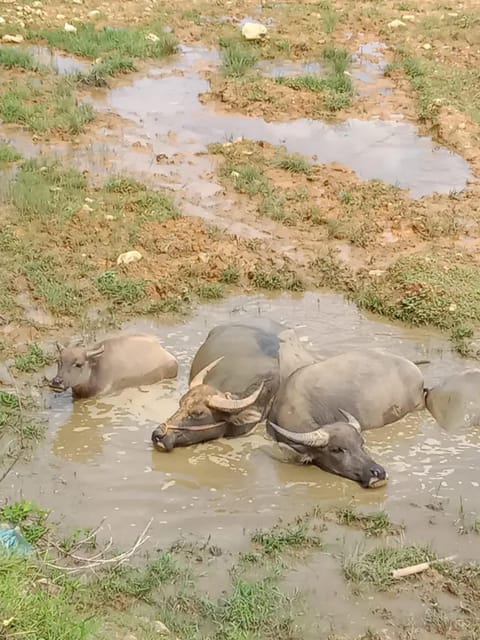
That downhill start is scenic but worth noticing. You are heading into valleys and villages, so the first part is not a gentle stroll around town. The trail soon opens onto views of rice terraces, mountain slopes, and narrow paths linking homes and fields. Depending on the season, you may see people planting or harvesting rice, which helps explain why these terraces are more than pretty scenery. They are working farmland shaped by weather, water, and generations of local skill.
Y Linh Ho provides an early taste of the quieter side of Sapa. The route passes through mountain scenery and local settlements rather than staying near the town’s busy center. Still, do not expect complete solitude. Sapa is a popular trekking area, and some paths can have other walking groups and local sellers.
The route covers roughly 9 to 11 kilometers on the first day and takes about five and a half hours. That estimate includes stops, lunch, and time to look around. Your pace may vary with weather, group size, and how much time you spend talking with Dinh.
A few more Sa Pa runs to compare on price
- Sa Pa: Muong Hoa Valley Trek and Local Ethnic Villages
★ 4.6 · 864 reviews - Sapa: Eco Adventure Terrace Fields and Local Villages Trek
★ 4.9 · 636 reviews - From Sapa: 1-Day Guided Trek to Lao Chai & Ta Van with Lunch
★ 4.9 · 416 reviews
Lunch with a Hmong family near Lao Chai
Lunch comes at a small restaurant run by a local Hmong family. The meal is included, and it breaks up the longest walking day at a useful point.
The value here is practical as well as cultural. You are eating in a local setting during the route, not waiting until you return to Sapa. Meals on the tour are regularly described as generous, fresh, and home-cooked. Vegetarian food is available at breakfast, lunch, and dinner, but you should still mention your preference when booking.
After lunch, the trail continues to Lao Chai, one of the area’s oldest and largest Hmong villages. Dinh uses this part of the walk to explain differences between the Hmong, Giay, and other ethnic communities in the valley. This is one of the tour’s strongest features because the information is tied to the places you are seeing. Clothing, farming, family life, and village traditions make more sense when you hear about them while walking through the communities.
You may also have opportunities to buy small local items along the route. Some people appreciate the chance to support local sellers. Others find the number of sellers distracting, especially on busier stretches. Bring a little cash if you want to shop, but do not feel pressured to buy.
Lao Chai to Ta Van, the most rewarding stretch
From Lao Chai, you continue toward Ta Van Village, where Hmong and Giay communities live. This section combines the main visual pleasures of the first day: terraces cut into the slopes, mountain views, village paths, and seasonal farm work.
The walking is active rather than extreme, but the surface can change quickly. A dry trail may become slick after rain, and narrow tracks beside fields require attention. Dinh and her relatives adjust the pace and, when possible, offer easier or harder route choices. That flexibility is useful for mixed groups, particularly when children or less experienced walkers are included.
You arrive at Dinh’s family homestay in Ta Van with time to rest, shower, and settle in. The accommodation is simple, cozy, and equipped with basic amenities. You can request a private room or a bungalow with a mountain and rice-terrace view. A heated blanket has been particularly welcome during cool weather.
This is a homestay in the meaningful sense of the word. You are staying in the family’s home and meeting relatives and children, not simply checking into a small hotel labeled as a homestay. That means the setting feels personal, but it also means you should accept a simpler standard than you would find in a Sapa town property.
An evening of cooking, stories, and local hospitality
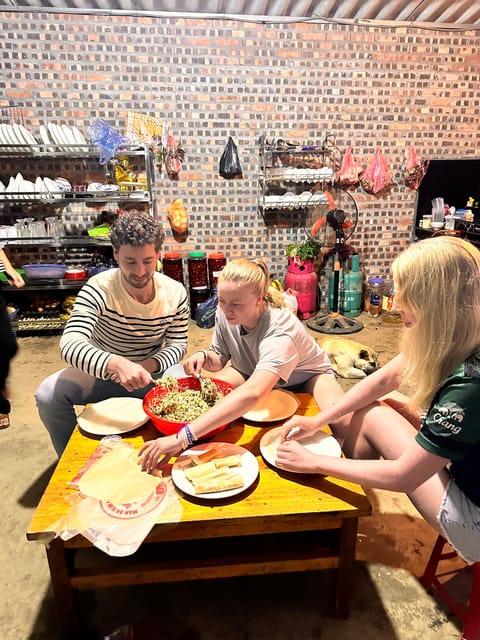
The evening begins with the option to help prepare a traditional dinner with Dinh’s family. I like this part because it gives you a small role in the meal. You are not just served a plate and sent to bed. You can watch how the family works together and ask questions in a relaxed setting.
Dinner includes local dishes made with fresh ingredients, and vegetarian choices are available. Portions are described as generous, so arrive hungry. The food is one of the clearest value points in a tour costing $43, particularly since dinner, breakfast, both lunches, and the homestay are included.
Dinh also talks about her own life and her effort to support the education of 10 local children. The project adds weight to the visit, but it is best understood through conversation rather than treated as a formal presentation. You are meeting a woman who built a guiding and homestay business while trying to create better opportunities for children in her community.
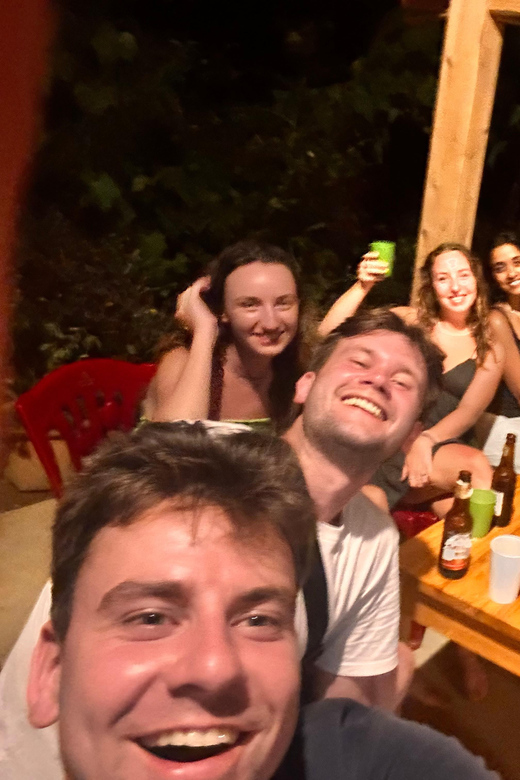
The evening may include a traditional dance performed by her students, time with the children, and local rice wine known as happy water. The mood is informal and social. You can join in, but you do not need to drink alcohol to take part. The friendly atmosphere is a major reason this outing feels different from a standard point-to-point hike.
Same city, a very different kind of morning:
- Sapa 1 Day Long Trek: Trek to Hau Thao and Sa Seng Villages
★ 4.6 · 344 reviews - Sapa: Fansipan Cable, Cat Cat Village, Moana Instagram Tour
★ 4.8 · 294 reviews - From Sapa: 3-Day Ha Giang Loop with Safe Rider (max 8 pax)
★ 4.9 · 285 reviews - Explore Sapa by TrekkingAdventures, Mountain,Rice fields
★ 4.9 · 229 reviews
Day 2 through bamboo forest and rice fields
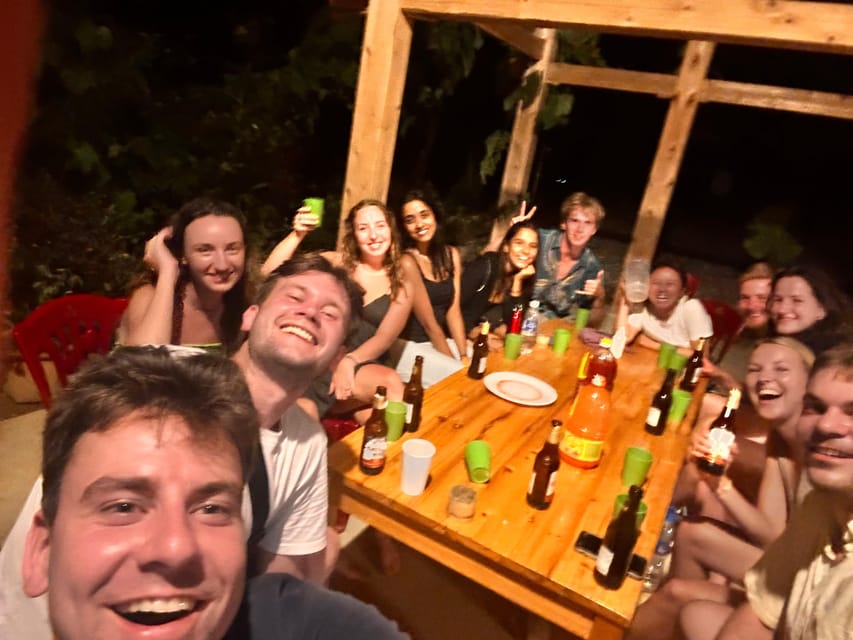
The second morning starts quietly, with coffee or tea at the homestay. After breakfast, you set out from Ta Van for a shorter walk of about 7 to 8 kilometers, usually taking around four hours.
The route leads through bamboo forests and terraced fields toward Giang Ta Chai. Bamboo gives this part a different feel from the open views of Day 1. The trail becomes more enclosed, and streams, forest paths, and changing ground keep the walk interesting.
Giang Ta Chai’s waterfall is the main reward. If conditions allow and you want to, you can swim in the cool water. Pack a swimsuit or quick-drying clothes in your daypack, along with a small towel if you have room. Swimming is optional, so you can simply enjoy the setting if the water or weather does not appeal.
Rain can make this section demanding. One guide, Mo, was especially careful with safety when earlier rain had left parts of the route muddy and soggy. You should wear shoes with a good grip and expect to get dirty. Sandals and smooth-soled trainers are poor choices here.
After the waterfall, the route enters a Red Dao ethnic area before reaching the main road. This provides another useful cultural contrast. The tour does not treat the valley as one single culture. Dinh explains how different ethnic groups have their own clothing, customs, and ways of life.
Returning to Sapa after lunch
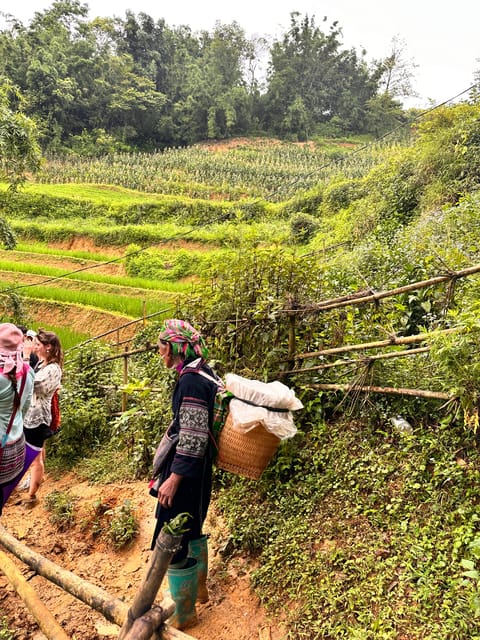
A final lunch comes before transportation back to Sapa. The return ride is included, which saves you from arranging a taxi at the end of a tiring walk.
The tour is scheduled to finish between 2:00 and 3:30 PM. Allow extra time if you have a bus or train to catch. A group of 13 once took longer than planned, with lunch and bag transport pushing the finish closer to 4:30 PM. That is not a problem if your schedule is open, but it matters if you have a tight connection.
The return transfer is by taxi from the village to Sapa. Your large luggage can usually stay at your hotel or hostel while you trek. If that is not possible, Dinh can help transport it to her house, so you only carry a daypack during the walk.
For the trek, pack water, sunscreen, mosquito spray, cash, a hat, comfortable hiking shoes, and a daypack. The tour provides one large bottle of water per person per day, but you may want extra water during the walk. Personal drinks, beer, and additional bottled water cost extra.
What $43 buys you
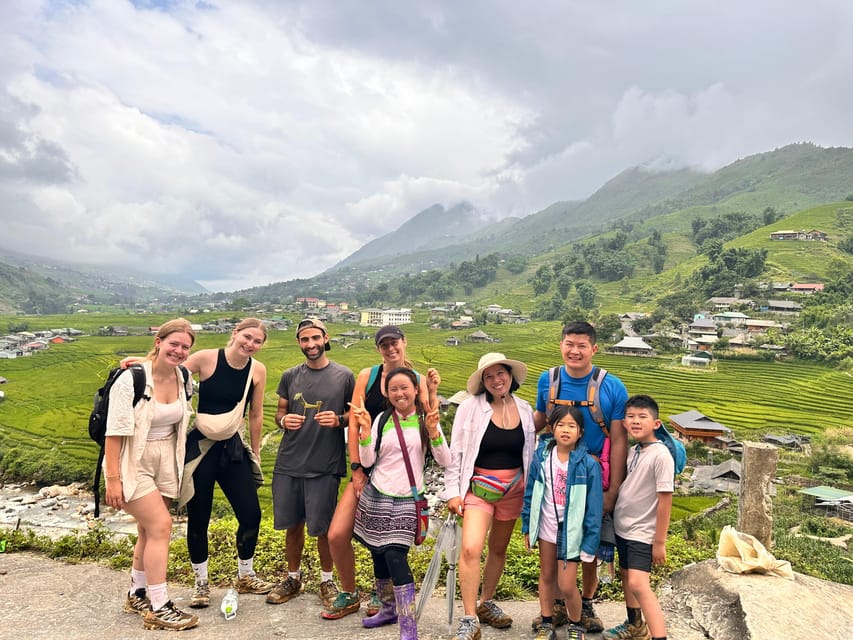
At $43 per person, this is a strong-value package for a 2-day outing. The price includes:
- A local guide for both days
- Entry fees for four villages
- Two lunches
- One dinner
- One breakfast
- One night at the homestay
- One large bottle of water per person per day
- Transportation back to Sapa
You are also given a free T-shirt at the end of the trip. It is a small extra, but a useful souvenir.
The low price does not mean every cost disappears. Drinks bought during the walk are not included, and you need your own travel insurance. The bigger trade-off is comfort. The homestay has basic amenities, and the route involves real walking on mountain paths. You are paying for access to local life, meals, guiding, and scenery, not for luxury.
Group size, guides, and the feel of the walk
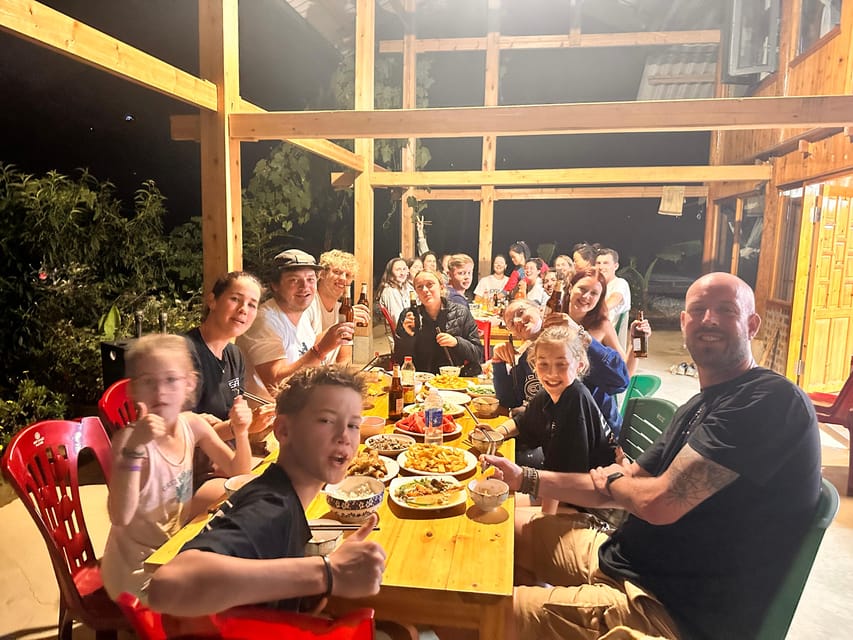
This is a group tour, so you will walk with other people. The number can vary, and larger groups may slow lunch, luggage handling, or the end of the route. On the positive side, Dinh and her relatives are used to sharing the work. Dinh may be joined by family guides such as Su, Ku, Zu, or Mo.
Each guide brings a slightly different presence, but the common thread is warmth and attention. Dinh is known for her high energy, infectious laugh, and willingness to explain her life and culture. Her cousins and nieces may help with children, rough sections, and the general pace of the group.
Families can take this tour if children are comfortable with a moderate hike. One family with children aged seven and nine found the support from Dinh and her cousin especially helpful, including assistance when the children tired. Children under three can join free, but you need to tell the organizer in advance.
The official fitness level is moderate. The total distance is about 18 kilometers across two days, with steep and uneven terrain. The route may suit you if you walk regularly, but it is not the right pick if you want flat paths or a mostly vehicle-based tour.
The honest drawbacks to keep in mind
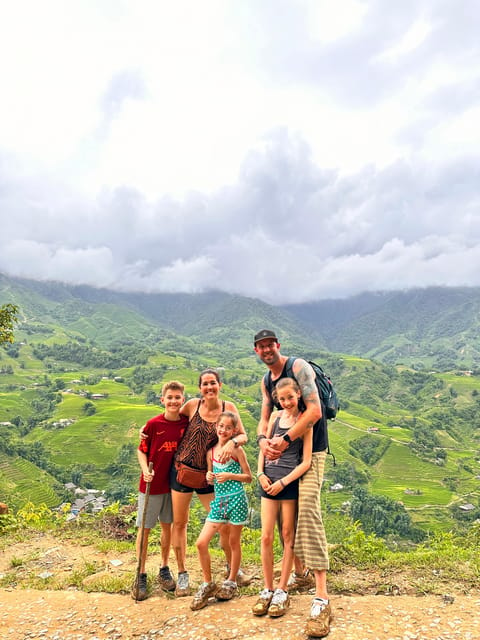
The scenery depends on weather and season. Clouds can hide some mountain views, while rain can turn the paths into mud. That does not erase the cultural value of the visit, but you should pack for conditions rather than for postcard weather.
The walking route is sometimes slippery and narrow. Good hiking shoes matter more than stylish clothing. Bring biodegradable sunscreen and mosquito spray, and keep your valuables in a waterproof bag if rain is likely.
The homestay is comfortable by local standards, not luxurious. You may have a private room or bungalow, but facilities remain basic. That is part of the appeal for many people, though anyone who needs hotel-level privacy and services may prefer staying in Sapa Town.
Finally, local sellers can appear along some paths. The walk itself remains the main event, but you may want to set a friendly boundary if you are not shopping. Carrying a little cash lets you support local people on your own terms.
Who should book this Sapa trek?
I would choose this tour if you want mountain scenery plus personal contact. It suits nature lovers, families with reasonably active children, couples, solo visitors, and anyone curious about Hmong life beyond Sapa’s main streets.
You should book it if you value home cooking, local stories, and a host who is directly connected to the area. Dinh’s work supporting children’s education also gives your spending a clear community purpose.
I would think twice if you dislike mud, shared group pacing, simple accommodation, or flexible finish times. You should also avoid booking it with a tight same-day transport connection unless you can leave plenty of room after the scheduled 2:00 to 3:30 PM finish.
Overall, this is a warm, active, good-value way to see Sapa. The best moments come from the combination: walking through working terraces, hearing Dinh explain the valley, eating with her family, and waking up above Ta Van. Book it for the human side of the mountains, not just the photographs.
FAQ
How long is the trek?
The total distance is about 18 kilometers over two days. Day 1 covers approximately 9 to 11 kilometers and Day 2 covers about 7 to 8 kilometers.
Where does the tour begin?
The tour starts at 9:00 AM in Sapa Town. Dinh meets you at your hotel or in front of the local main church.
Where do I sleep?
You stay for one night at Dinh’s family homestay in Ta Van Village. A private room or a bungalow with a mountain and rice-terrace view may be requested when booking.
Are meals included?
Yes. The price includes two lunches, one dinner, and one breakfast. Vegetarian options are available for all meals.
Can I swim at the waterfall?
Yes, swimming is possible at the Giang Ta Chai waterfall if you want to take part. Bring suitable clothing if you plan to swim.
What happens to my large bags?
You can ask your hotel or hostel to store them. If that is not possible, Dinh can help transport them to her house, so you only need to carry a daypack during the trek.
Is the tour suitable for children?
Children under three can join free with advance notice. The route has a moderate fitness level, steep sections, and uneven ground, so older children should be comfortable with active walking.
New around Sa Pa
- Sapa3D2N TrekkingAdventures,Valleys,Bambooforest,Waterfall★ 4.8 · 24 reviews
- Sapa: Y Linh Ho – Lao Chai, and Ta Van Trekking Day Tour★ 5.0 · 25 reviews
- Sapa: Ta Phin Village Trek & Red Dao Herbal Bath★ 5.0 · 22 reviews
- From Sapa: Guided Full-Day Trekking with Lunch and Drop-Off★ 4.2 · 86 reviews
- Sapa: Muong Hoa Mountain Views and Villages Trek with Lunch★ 4.3 · 28 reviews
- Sapa Trekking Bargains With Local Guide★ 4.9 · 91 reviews
- Sapa: Private Highlights Day Tour with Lunch★ 4.8 · 61 reviews
- Sapa: Love Silver Waterfall, LonelyTree in Heaven-Rice Field★ 4.9 · 28 reviews
Sapa Tours, compared.
Muong Hoa Valley Trek and Local Ethnic Villages
Read our review →
Fansipan Cable, Cat Cat Village & Moana Instagram Tour
Read our review →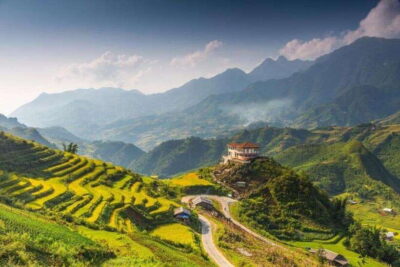
Eco Adventure Terrace Fields and Local Villages Trek
Read our review →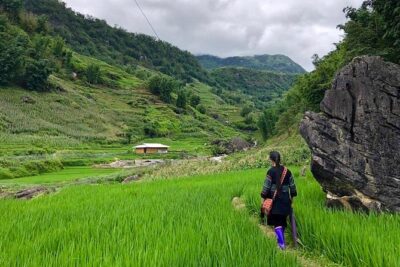
Number one top rated ethical cultural trekking and homestay by ETHOS
Read our review →
Cat Cat Village, Moana, Fansipan Cable Car, Alpine Coaster – Sapa
Read our review →
1-Day Guided Trek to Lao Chai & Ta Van with Lunch
Read our review →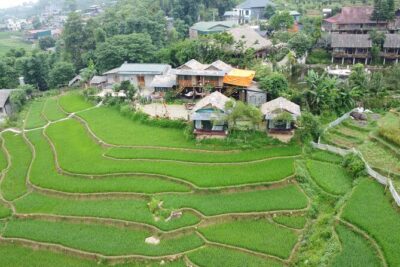
Sapa 1 Day Long Trek: Trek to Hau Thao and Sa Seng Villages
Read our review →Browse the lists this tour appears in