
Reviewed · SAPA TOURS
Half Day Sapa Trekking to Visit Lao Chai – Ta Van
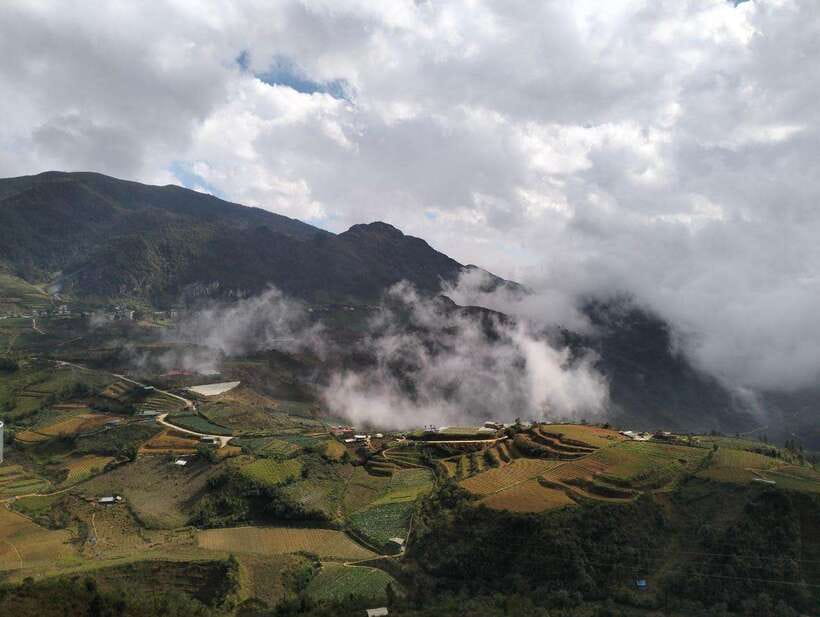
The valley opens below your feet. This half-day walk from Sapa combines terraced rice fields with visits to Y Linh Ho, Lao Chai, and Ta Van, giving you a close look at village life among the Black Hmong and Dzay communities. I especially like the four-hour length and the local guides, including Soso, Sua, Song, Tung, and Ku, who have been praised for their English and personal stories. The main drawback is the rough, muddy ground and the persistent sales pressure from local women and children along parts of the route.
At $22 per person, this is a strong value if you want mountain scenery without committing to a full-day hike. You get transport, an English or Vietnamese-speaking guide, and entrance fees, though drinks, insurance, VAT, and personal costs are extra. Good shoes are not optional, particularly after rain.
In This Review
- Key points to know before booking
- Why this four-hour Sapa trek is worth your morning
- Leaving Sapa for Y Linh Ho
- Walking beside the Muong Hoa Stream
- Lao Chai and the Black Hmong community
- Ta Van and the Dzay village visit
- The bus back to Sapa at midday
- What the weather does to the experience
- How difficult is the 9 kilometer route?
- Cultural contact, crafts, and respectful behavior
- Who will get the most from this Sapa outing?
- Is $22 good value?
- Should you book the Lao Chai and Ta Van trek?
- FAQ
- How long is the trek?
- What villages does the tour visit?
- What time does the tour start and finish?
- Is transportation included?
- Is lunch included?
- What should I wear?
- Is the trek suitable for wheelchair users?
- Can I cancel for a refund?
Key points to know before booking
- About 9 kilometers on foot: The trek lasts roughly four hours and includes steep, uneven, muddy paths rather than smooth walking trails.
- Three village areas in one morning: You pass through Y Linh Ho, Lao Chai, and Ta Van before returning by bus.
- Local guides add the meaning: Guides such as Soso and Sua have explained farming, village life, and their own communities in clear English.
- Excellent mountain views, weather permitting: Clear skies reveal rice terraces, the Muong Hoa Stream, villages, and Hoang Lien Son Mountain.
- A shorter route with real physical effort: It suits active visitors who want a compact Sapa outing, but it is not suitable for wheelchair users.
- Expect some sales pressure: Village women may walk with you and offer handmade goods. A polite but firm approach helps keep the walk pleasant.
Why this four-hour Sapa trek is worth your morning
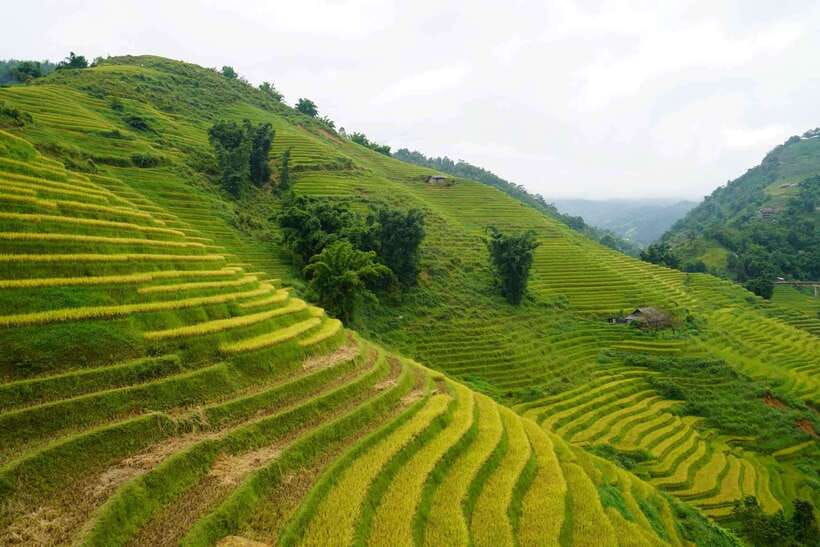
Sapa is one of those places where the best views usually require leaving town. The road out quickly gives way to steep hills, farm paths, streams, and scattered villages. This trip makes that escape simple: you are collected in Sapa around 8:10 or 8:20 in the morning, taken to the walking area, and returned to town around noon.
I like the balance here. You get a proper walk through the Muong Hoa Valley, but you do not spend the entire day on your feet. The route covers about 9 kilometers and takes around four hours, although the timing can shift with weather, road conditions, and the pace of the group.
The tour is particularly useful if you have only one night in Sapa. One morning gives you mountain scenery, village visits, cultural explanation, and a look at rice farming. You can still have lunch in town afterward and keep the afternoon free.
The price also makes sense. For $22, you are not simply paying for a viewpoint transfer. The cost includes the air-conditioned bus between Sapa, Y Linh Ho, Ta Van, and Sapa, an experienced driver, a local guide, and entrance fees. That is good value compared with arranging transport and a guide separately.
Still, keep expectations sensible. This is a popular village route, not a private wilderness walk. You may share the paths with other groups, and local sellers can become part of the experience, sometimes more insistently than you would like.
A few more Sa Pa runs to compare on price
- Sa Pa: Muong Hoa Valley Trek and Local Ethnic Villages
★ 4.6 · 864 reviews - Sapa: Eco Adventure Terrace Fields and Local Villages Trek
★ 4.9 · 636 reviews - From Sapa: 1-Day Guided Trek to Lao Chai & Ta Van with Lunch
★ 4.9 · 416 reviews
Leaving Sapa for Y Linh Ho
The morning begins with hotel pickup in Sapa and a short transfer toward the starting point. The supplied schedule mentions preparing a light pack for a long trek, so take that instruction seriously. You do not need a large bag, but you do need water, sun protection, and enough space for personal essentials.
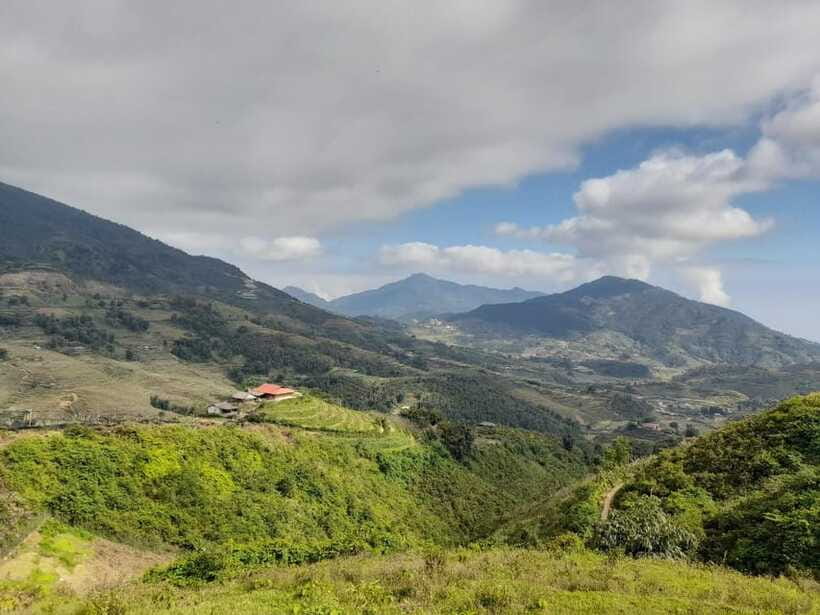
The first walking section leads toward Y Linh Ho. The route includes a descent into the valley, which gives you an immediate change from Sapa’s busy streets to open mountain scenery. On clear days, you can see the river, rice terraces, and hills spreading below.
Y Linh Ho is a good first stop because it sets the tone for the rest of the outing. Instead of rushing from one photo stop to another, you begin walking through the countryside and gradually meet the communities that live there. The guide can explain what you are seeing as you go, including local farming and village life.
The weather matters greatly at this point. Clear skies can reveal wide views across the valley, while clouds may settle over the hills and hide much of the scenery. Rain can make the paths slippery and muddy. Several people found the walk worthwhile in poor weather, but the experience becomes more physical and less scenic.
Walking beside the Muong Hoa Stream
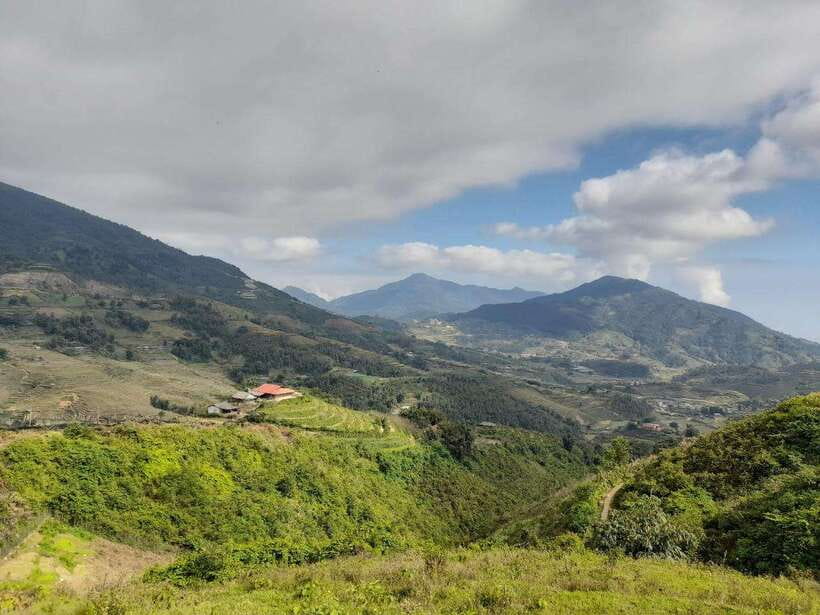
From Y Linh Ho, the route continues through rice terraces and along the Muong Hoa Stream. This is one of the most attractive sections because the scenery changes constantly. You may be walking beside water, crossing dirt tracks, passing farm plots, or looking down toward houses in the valley.
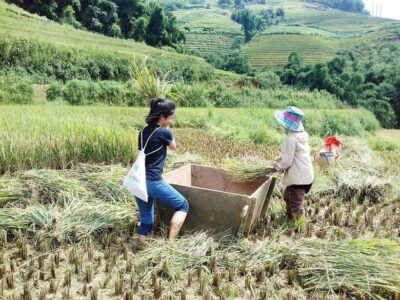
The rice terraces are not just a photo background. They show how farming fits into the steep terrain. The route also passes through corn and rice fields, and guides may explain local farming practices. Sua, for example, has been praised for showing how people work their fields and for sharing details about her own life.
This is where footwear makes a real difference. The ground can be uneven, steep, wet, and slippery. Several people recommended rubber boots after rain, while others managed with hiking shoes or sports shoes. Sandals and smooth-soled casual shoes are poor choices.
You should also pace yourself. The walk is described as moderate by some people and challenging by others. That difference usually comes down to fitness, heat, mud, and the group’s speed. The distance is not extreme, but four hours on rough ground feels very different from four hours on a paved path.
Lao Chai and the Black Hmong community
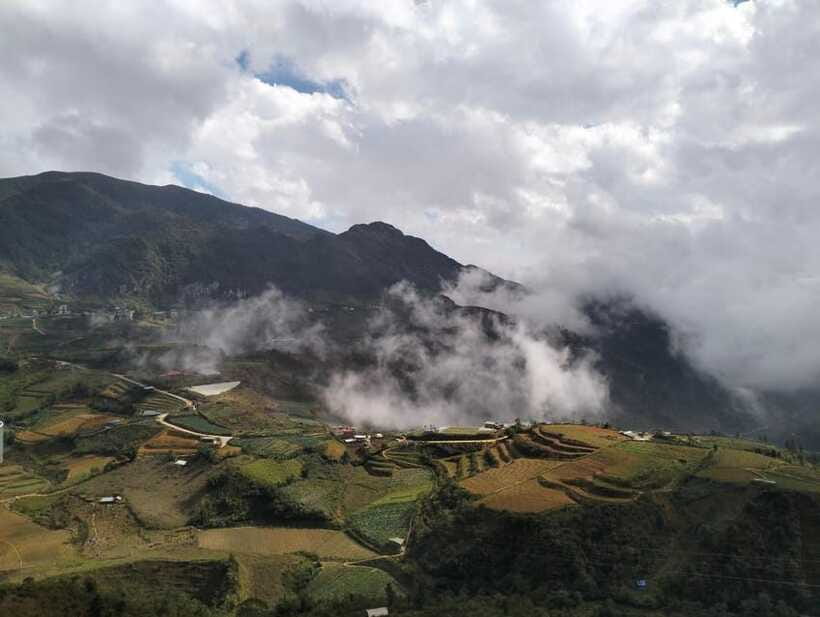
The route then reaches Lao Chai, a village associated with the Black Hmong people. Here, the guide helps put the houses, clothing, fields, and surrounding countryside into context. The cultural part of the outing is one of its strongest features because the explanations come from local guides rather than from a guidebook alone.
Guides named Soso, Song, Sua, Tung, and Ku have received particular praise for their friendly manner, clear English, humor, and willingness to discuss their own communities. That personal connection can turn a simple walk into something more meaningful. You are not only looking at rice terraces. You are hearing how people use the land and how village life fits into the mountains.
The stop also allows time for photographs. The valley views around Lao Chai can be spectacular in good weather, with terraces and the Hoang Lien Son range forming the backdrop. In cloudy conditions, you may see less, but mist can still give the valley a dramatic feel.
There is a social complication here. Local women may join the route, walk beside you, and offer handmade goods for sale. Some people enjoy the chance to buy crafts directly from village sellers. Others find the repeated approach distracting, especially when they simply want to walk quietly.
My practical advice is to decide before you start how you will handle sales. If you want to buy something, set a budget and choose carefully. If you do not, say no politely and keep moving. Do not feel obliged to purchase from everyone who walks beside you.
Same city, a very different kind of morning:
- Sapa 1 Day Long Trek: Trek to Hau Thao and Sa Seng Villages
★ 4.6 · 344 reviews - Sapa: Fansipan Cable, Cat Cat Village, Moana Instagram Tour
★ 4.8 · 294 reviews - From Sapa: 3-Day Ha Giang Loop with Safe Rider (max 8 pax)
★ 4.9 · 285 reviews - Explore Sapa by TrekkingAdventures, Mountain,Rice fields
★ 4.9 · 229 reviews
Ta Van and the Dzay village visit
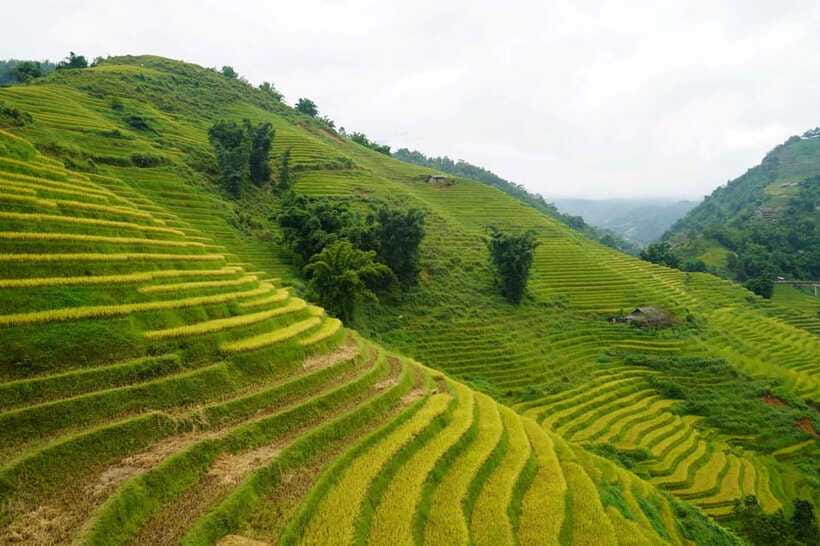
After Lao Chai, the walk continues toward Ta Van, home to the Dzay ethnic community. This section brings together the day’s main elements: village paths, fields, mountain views, and cultural explanation.
Ta Van is not presented as a formal museum visit. You are moving through a living community, which is precisely why the stop can feel more intimate than a standard sightseeing circuit. The guide may discuss local customs and daily life, and the walk gives you time to observe the setting at a slower pace.
The schedule allows around an hour and a half here, including a break and photo opportunities. That longer pause is helpful after the more demanding sections. It gives you time to catch your breath, take pictures, and absorb the setting without treating the village as a quick stop on a checklist.
The route through Ta Van may include rural roads, village streets, dirt paths, and less crowded tracks. One small group was taken along quieter paths and into a home, while other outings focused on the main village route. The exact experience can vary with the guide and conditions, so do not expect every departure to follow precisely the same path.
You should also note that lunch is not part of the stated inclusions. One person referred to a delicious lunch, but the tour information does not promise a meal. Bring a small snack if you need one, and plan to eat in Sapa after returning.
The bus back to Sapa at midday
At about 11:30, a bus collects the group at Ta Van Bridge. The drive back to Sapa takes roughly 45 minutes, with the scheduled end around noon.
This return transfer is a welcome feature. You do not have to retrace the entire route on foot, which keeps the outing within half a day. The air-conditioned vehicle also gives you a chance to cool down and rest after the trek.
Timing is not always perfect. A delayed start once meant that the full route could not be completed. If you have an important train, bus, or fixed lunch reservation, leave a reasonable buffer rather than planning everything to the minute.
What the weather does to the experience
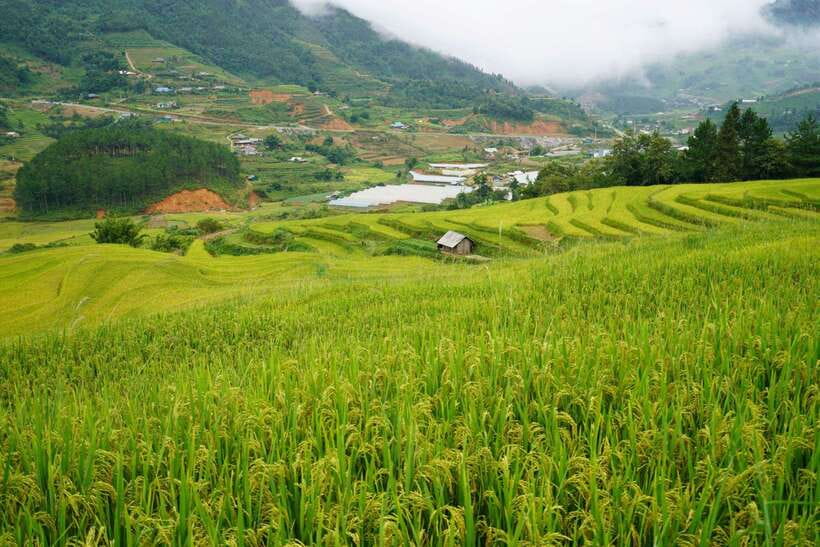
Sapa’s mountain weather can change the quality of this outing more than almost anything else. In clear weather, the views of terraces, stream, villages, and Hoang Lien Son Mountain are the main reward. Several outings benefited from bright skies and wide views across the valley.
Rain brings a different set of challenges. The paths become muddy and slippery, and cloud can cover the mountains. The walk may become more tiring, but it still provides a close look at village roads and farm areas. A waterproof layer and shoes with strong grip are wise additions to your bag.
Heat is another concern. One outing in extreme heat felt quite physical even though it was only half a day. Wear light sportswear, hiking pants, a sun hat, sunglasses, and sunscreen. Carry water, as beverages are not included.
The suggested packing list also includes a camera and a first aid kit. That is practical advice for a route with uneven ground. You should bring only what you can comfortably carry for four hours.
How difficult is the 9 kilometer route?
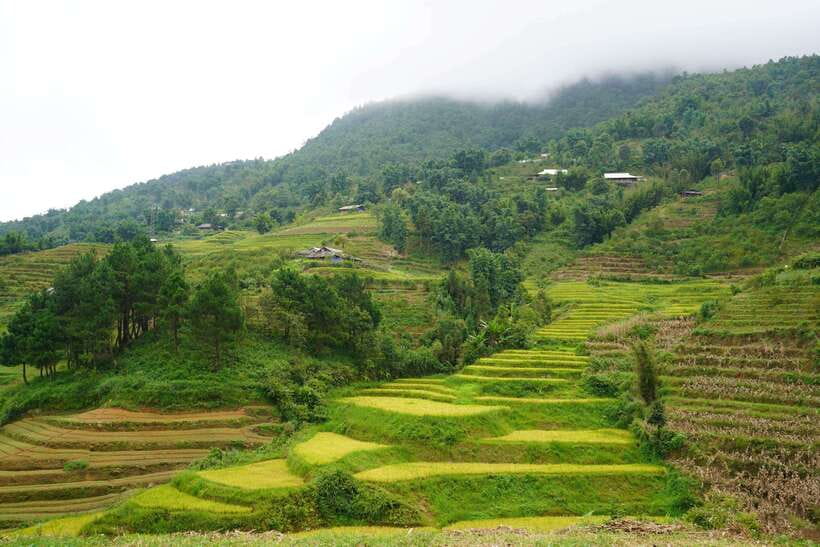
The tour is best for people with a reasonable level of fitness. You do not need to be an expert hiker, but you should be comfortable walking for four hours on steep and uneven ground.
The route can include:
- Dirt paths and rural roads
- Steep sections
- Mud after rain
- Slippery ground
- Rice fields and farm tracks
- Village streets and paths
The advertised description refers to preparing for a 5 kilometer trek, but the detailed route and timing describe approximately 9 kilometers of walking. Plan for the longer figure. That is the safer assumption.
A smaller group can make the walk easier because the guide can adjust the pace. One particularly positive outing had only four people, allowing everyone to stay together. The group size is not specified, so ask before booking if pace is important to you.
This trip is not suitable for wheelchair users. It may also be a poor match if you have mobility limitations, dislike steep ground, or want a gentle stroll.
Cultural contact, crafts, and respectful behavior
The strongest cultural value comes from the local guides. They can explain their own backgrounds, farming practices, customs, and village life in a way that a remote viewpoint cannot. Guides have been described as friendly, funny, patient, and eager to answer questions.
At the same time, the commercial side of the route can feel uncomfortable. Women from nearby villages may accompany you for part or all of the walk, offering embroidered items and other crafts. Children may also approach and ask you to buy something.
This can affect your enjoyment, particularly if you expected a quiet nature walk. It is not a hidden issue, so prepare for it. You can appreciate the people and still decide not to buy. Keep your response calm, brief, and respectful.
If you do buy, remember that bargaining should not turn into an unpleasant exchange. A small purchase can support local sellers, but you should choose something because you want it, not because you feel trapped into it.
Who will get the most from this Sapa outing?
I would recommend this trek to:
- First-time visitors with only a morning available
- People who want village scenery without a full-day hike
- Active families who can manage uneven terrain
- Anyone interested in Black Hmong and Dzay communities
- Photographers who can accept changing weather
- Visitors who prefer a local guide to exploring alone
I would be more cautious if you want polished paths, guaranteed mountain views, or a completely private experience. The route is authentic partly because it passes through working villages and real farm areas, but that also means mud, uneven ground, and sales approaches.
Families can enjoy the trip, and one family of five completed the walk in time for lunch. Still, children should be comfortable walking several hours and handling steep sections. The heat and mud can make the distance feel longer.
Is $22 good value?
Yes, provided you want the walking experience rather than only the photo stops. Transport alone would not give you the same contact with the valley, and the guide adds useful cultural context throughout the route.
The included entrance fees keep the price straightforward. You still need to pay for drinks, personal expenses, insurance, VAT, and anything you buy from village sellers. Since lunch is not clearly included, budget for food after returning to Sapa.
The free cancellation policy allows cancellation up to 24 hours before departure for a full refund, and you can reserve now and pay later. Those terms are useful if the mountain forecast looks uncertain, although you should still check the available start time when booking.
Should you book the Lao Chai and Ta Van trek?
Book it if you want a compact, active introduction to Sapa’s valley villages and you are prepared for mud, steep ground, and changing weather. The combination of Y Linh Ho, Lao Chai, Ta Van, rice terraces, streamside walking, and local explanation gives you a lot in four hours.
I would choose this over a longer trek if your schedule is tight or you want to return to town for lunch. I would also choose it if a local guide such as Soso, Sua, Song, Tung, or Ku is available, since the best part of the experience is the personal explanation of village life.
Skip it if you need accessible paths, dislike physical walking, or find persistent craft selling especially frustrating. For most reasonably fit visitors, though, $22 buys a practical and memorable morning in the Sapa mountains.
FAQ
How long is the trek?
The walk is approximately 9 kilometers and lasts about four hours. The total activity lasts 270 minutes, including transport.
What villages does the tour visit?
The route includes Y Linh Ho, Lao Chai, and Ta Van. Lao Chai is associated with the Black Hmong community, while Ta Van is home to Dzay people.
What time does the tour start and finish?
Pickup is scheduled around 8:10 to 8:20 in the morning. The bus collects the group at Ta Van Bridge around 11:30, with arrival back in Sapa around noon.
Is transportation included?
Yes. An air-conditioned bus is provided for the Sapa to Y Linh Ho, Ta Van, and Sapa sections. The walk takes place between the transfer points.
Is lunch included?
Lunch is not listed among the included services. Drinks are also excluded, so plan to bring water and arrange food separately.
What should I wear?
Wear hiking shoes or sports shoes with good grip, along with sportswear or hiking pants. Sunglasses, a sun hat, sunscreen, and a camera are also recommended. Rubber boots may be useful after rain.
Is the trek suitable for wheelchair users?
No. The tour is not suitable for wheelchair users because the route includes uneven, steep, muddy, and slippery ground.
Can I cancel for a refund?
You can cancel up to 24 hours in advance for a full refund. The reserve-now-and-pay-later option is also available, subject to the booking conditions shown when you select a departure time.
New around Sa Pa
- Sapa3D2N TrekkingAdventures,Valleys,Bambooforest,Waterfall★ 4.8 · 24 reviews
- Sapa: Y Linh Ho – Lao Chai, and Ta Van Trekking Day Tour★ 5.0 · 25 reviews
- Sapa: Ta Phin Village Trek & Red Dao Herbal Bath★ 5.0 · 22 reviews
- From Sapa: Guided Full-Day Trekking with Lunch and Drop-Off★ 4.2 · 86 reviews
- Sapa: Muong Hoa Mountain Views and Villages Trek with Lunch★ 4.3 · 28 reviews
- Sapa Trekking Bargains With Local Guide★ 4.9 · 91 reviews
- Sapa: Private Highlights Day Tour with Lunch★ 4.8 · 61 reviews
- Sapa: Love Silver Waterfall, LonelyTree in Heaven-Rice Field★ 4.9 · 28 reviews
Sapa Tours, compared.
Muong Hoa Valley Trek and Local Ethnic Villages
Read our review →
Fansipan Cable, Cat Cat Village & Moana Instagram Tour
Read our review →
Eco Adventure Terrace Fields and Local Villages Trek
Read our review →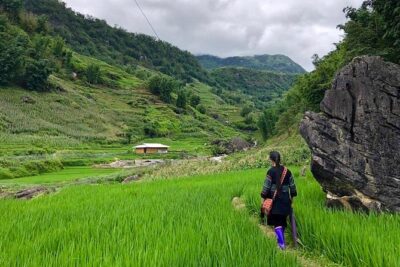
Number one top rated ethical cultural trekking and homestay by ETHOS
Read our review →
Cat Cat Village, Moana, Fansipan Cable Car, Alpine Coaster – Sapa
Read our review →
1-Day Guided Trek to Lao Chai & Ta Van with Lunch
Read our review →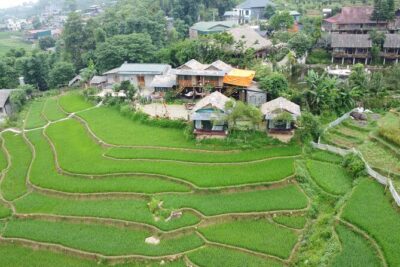
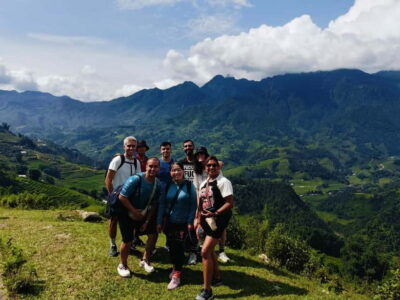
Sapa 1 Day Long Trek: Trek to Hau Thao and Sa Seng Villages
Read our review →Browse the lists this tour appears in