
Reviewed · SAPA TOURS
Sa Pa: 2-Day Trekking Trip with Ethnic Minority Homestay
The best Sa Pa days happen on foot. This two-day trek leads you through the Muong Hoa Valley, past rice terraces and mountain villages, then gives you a night in a Dzay family homestay rather than sending you back to town. I especially like the small-group format, limited to 14 people, and the chance to learn about Black H’mong and Dzay customs from local guides such as Lan, Khu, Lam, and Nhu. The main catch is simple: mountain paths can turn slick and muddy after rain, and the route is more demanding than a gentle village walk.
I also like the practical value. At $55 per person, the price includes transport back to Sa Pa, entrance fees, two lunches, dinner, breakfast, water, a guide, and the overnight stay. You should still arrive ready for basic conditions, uneven trails, and a homestay that may be comfortable without feeling like a hotel.
In This Review
- Quick reasons to consider this Sa Pa trek
- What the two-day route really offers
- Day one: 11 kilometers from Y Linh Ho to Ta Van
- The Dzay homestay: simple, social, and worthwhile
- Day two: bamboo forest, Giang Ta Chai, and the river
- The guides are central to the experience
- How hard is the trek?
- Is $55 good value?
- Weather, group size, and expectations
- Who should book this experience?
- FAQ
- Where does the trek begin?
- How long do you walk each day?
- Where do you sleep?
- What meals are included?
- Is transportation back to Sa Pa included?
- What should I bring?
- Can children or people with mobility problems join?
- Should you book the Sa Pa two-day trek?
Quick reasons to consider this Sa Pa trek
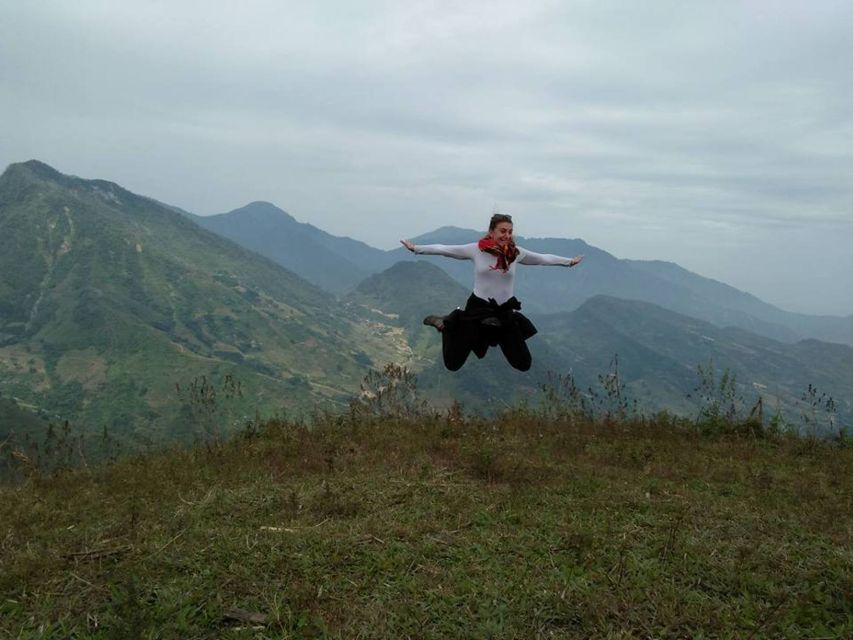
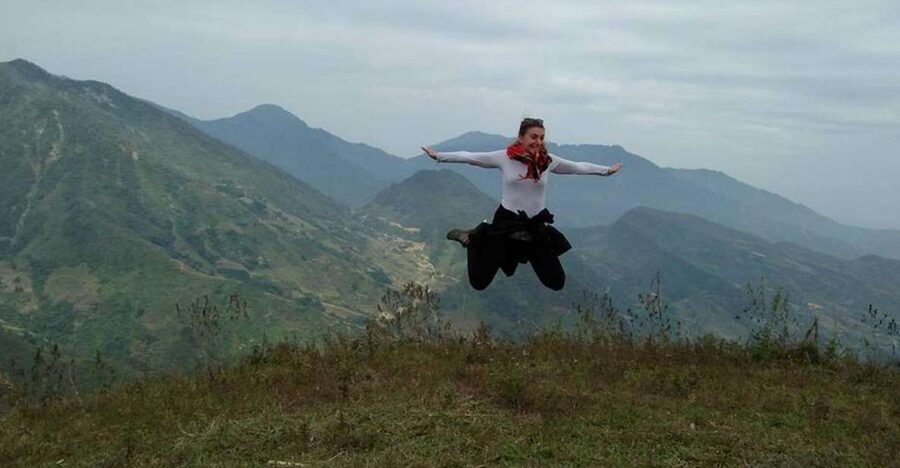
- The first day covers 11 kilometers: You walk from Y Linh Ho through Lao Chai to Ta Van, with broad views toward Fansipan and the Muong Hoa Valley.
- The second day adds an 8-kilometer route: Bamboo forest, Giang Ta Chai, a waterfall, and a possible swim in the Muong Hoa River give the day variety.
- Your overnight stay is in a Dzay village: This is the cultural heart of the experience, with a hosted dinner and breakfast in a local home.
- Local guides make the difference: Guides including Lan and Khu are praised for clear English, patience, humor, and help on rough sections.
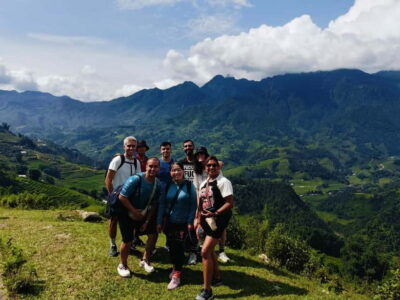
- Small groups keep the walk manageable: A group may be much smaller than the 14-person limit, which gives you more time to ask questions and set a comfortable pace.
- Rain changes the character of the trek: Mud adds a little adventure, but slippery descents can be uncomfortable and should not be treated lightly.
What the two-day route really offers
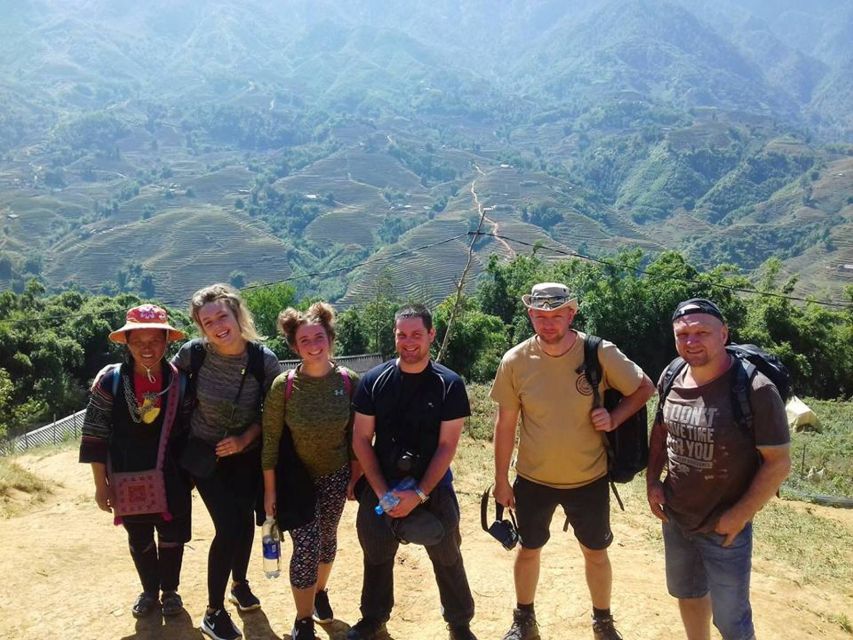
This is not a sightseeing bus trip with a short stroll attached. You spend two days moving through the valley, with the first day being the longer walk and the second day following a dirt trail through forest and village areas.
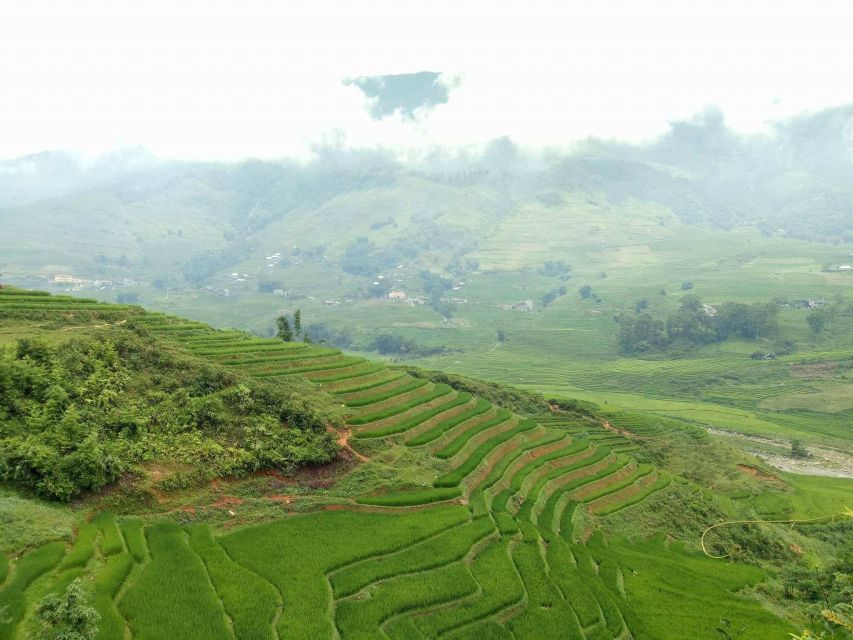
The route is less about reaching one grand viewpoint than about the steady change in scenery. You see rice paddies from different angles, pass homes and settlements, meet people from several ethnic groups, and learn how village life differs from what you see in Sa Pa town.
I think that makes the tour a good choice if you want more than photographs. You get the photographs, of course, but the useful part is having an English-speaking guide explain what you are seeing instead of simply pointing at a terrace and moving on.
A few more Sa Pa runs to compare on price
- Sa Pa: Muong Hoa Valley Trek and Local Ethnic Villages
★ 4.6 · 864 reviews - Sapa: Eco Adventure Terrace Fields and Local Villages Trek
★ 4.9 · 636 reviews - From Sapa: 1-Day Guided Trek to Lao Chai & Ta Van with Lunch
★ 4.9 · 416 reviews
Day one: 11 kilometers from Y Linh Ho to Ta Van
Pickup is available from hotels in central Sa Pa. From town, the experience quickly shifts from urban streets to mountain paths and valley views.
The first major section takes you toward Y Linh Ho, where you meet members of the Black H’mong community. You may visit a typical wooden house, an opportunity to see how a traditional home is arranged and to hear about local customs. The value here is the human scale of the visit. You are not just looking across the valley. You are learning about the people who live and work in it.
The views toward Fansipan are a major reward, especially when the air is clear. The mountain and rice paddies create the classic Sa Pa scene, but weather has a large say in how much you see. On cloudy or wet days, the views can soften or disappear, though the mist and village paths still give the walk a different mood.
From Y Linh Ho, the route continues through settlements including Lao Chai. This is where you should expect a genuine trek, not a paved promenade. The path can be uneven, with muddy stretches after rain and downhill sections that require care.
Some local women may walk alongside the group for part of the first day. They can offer a steadying hand on slippery ground, and this support can be useful when the trail is wet. You should also understand the social arrangement: they hope you will buy something from them when they leave. It is best to decide in advance how you want to handle that, then remain polite and firm.
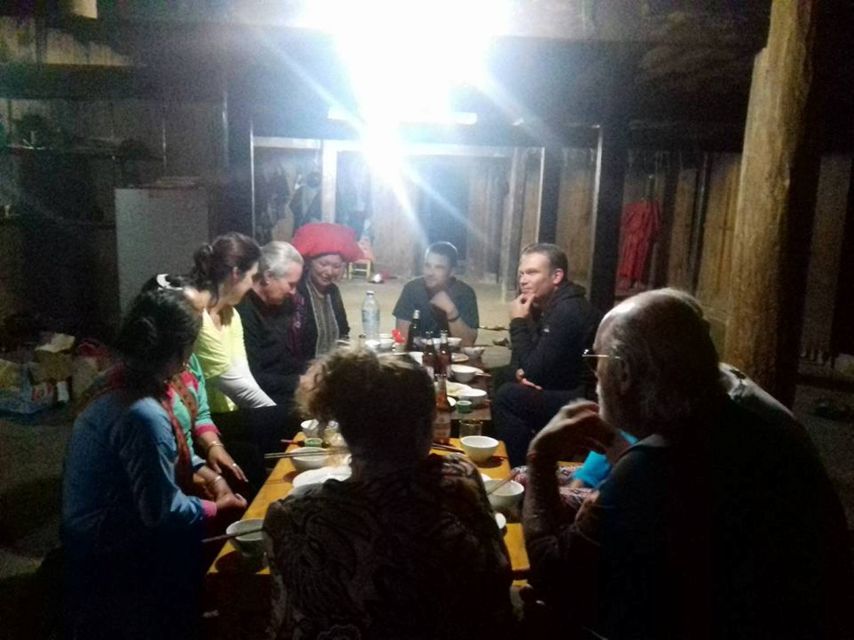
The walk finishes at Ta Van, a village associated with the Dzay people. You check into the homestay, eat dinner, and spend the night there. The hosted meal is one of the most praised parts of the trip, with home-cooked Vietnamese food and a warm, shared atmosphere.
Some meals may include happy water, the local name often used for homemade rice alcohol. You can try it if you wish, but you do not need to treat it as a challenge. The point is the welcome and conversation, not proving anything.
The Dzay homestay: simple, social, and worthwhile
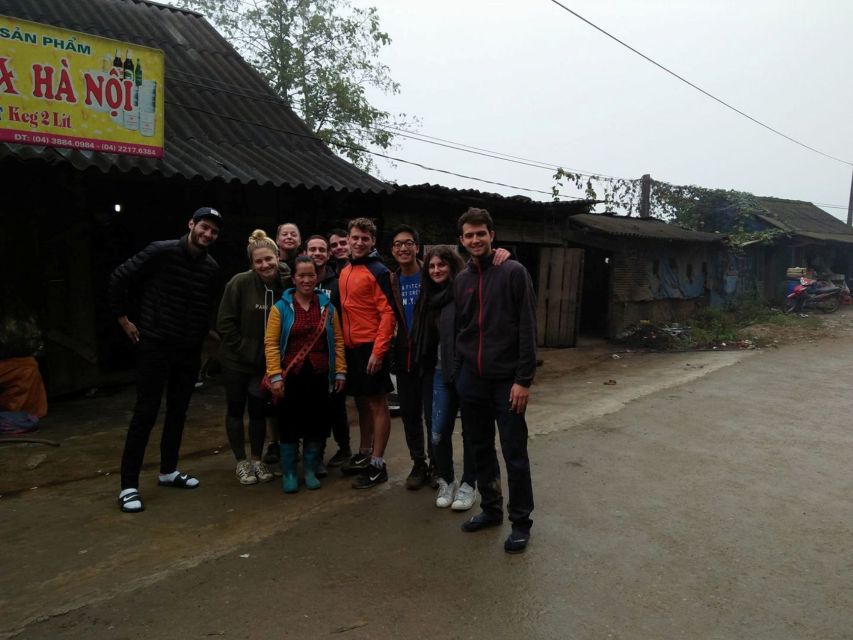
The overnight stay is the part that separates this trip from a standard day hike. You sleep in a Dzay village and get a closer look at local daily life, rather than returning to Sa Pa before dinner.
Expect a straightforward homestay rather than polished accommodation. The rooms have been described as comfortable, and some have mountain views, internet, power outlets, and warm blankets. One report raised a bedbug concern in some beds, so I would pack a sleeping liner if you already carry one and ask the operator about current room conditions.
There may not be much to do in the evening beyond eating and talking. After 11 kilometers on mountain trails, that is often a benefit. You can share the meal with the group, speak with your guide, and enjoy the slower pace of the village.
The dinner and breakfast are included, as are two lunches during the trip. Drinks are not included, so bring extra cash if you want something beyond the supplied mineral water. The food receives strong praise, but exact dishes can vary.
Day two: bamboo forest, Giang Ta Chai, and the river
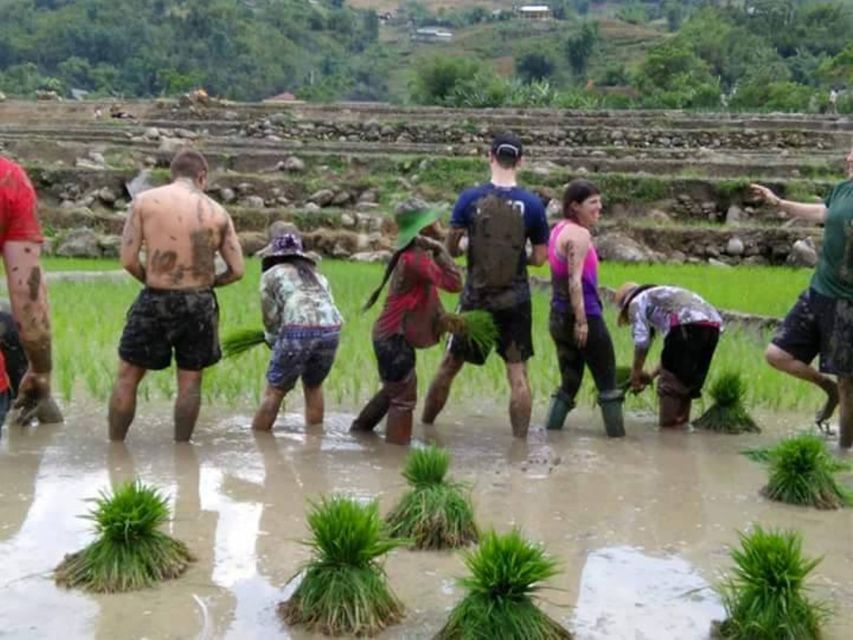
After breakfast, you set out for an 8-kilometer walk along a dirt trail. This day is shorter, but that does not mean it is effortless. Wet ground, uneven footing, and changes in elevation can still make the route tiring.
You pass a small H’mong village before reaching a bamboo forest. This section gives the walk a different feel from the open rice terraces of day one. The trail becomes more enclosed, and the forest provides shade and a change of pace.
The route continues toward Giang Ta Chai, with a break at a waterfall. Depending on conditions and your comfort level, you may cool off with a swim in the Muong Hoa River. Treat this as an optional pleasure rather than the main reason to book. Weather, water conditions, and your own energy will determine how appealing it feels after walking.
Lunch is served at a local restaurant before the return drive to Sa Pa. That transfer is included, which makes the trip easier to combine with other plans. Still, leave a generous buffer if you have a bus or train connection. One person had to wait about 40 minutes for another group during the final transfer and nearly missed a bus to Hanoi.
Same city, a very different kind of morning:
- Sapa 1 Day Long Trek: Trek to Hau Thao and Sa Seng Villages
★ 4.6 · 344 reviews - Sapa: Fansipan Cable, Cat Cat Village, Moana Instagram Tour
★ 4.8 · 294 reviews - From Sapa: 3-Day Ha Giang Loop with Safe Rider (max 8 pax)
★ 4.9 · 285 reviews - Explore Sapa by TrekkingAdventures, Mountain,Rice fields
★ 4.9 · 229 reviews
The guides are central to the experience
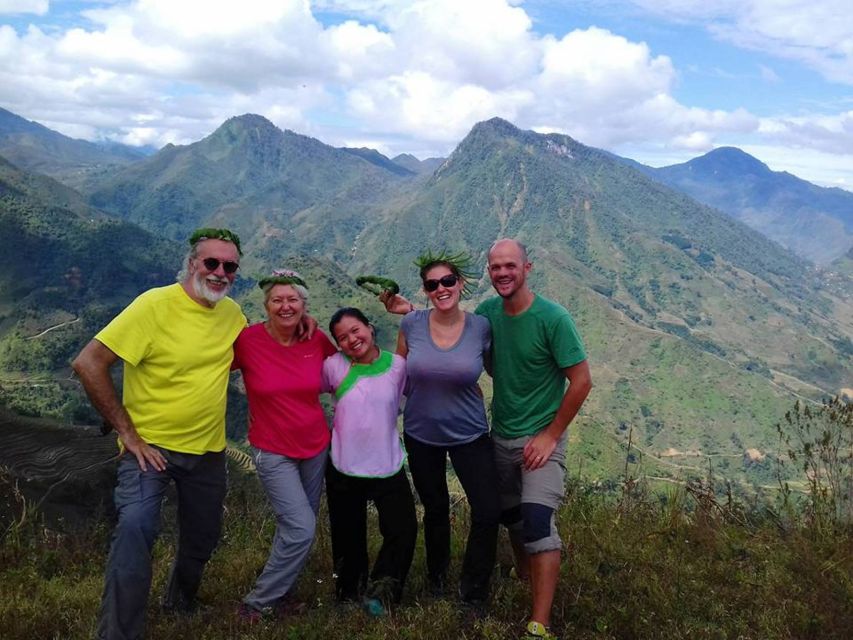
A good guide matters more here than on a simple city tour. The trail has muddy and slippery sections, and the cultural setting calls for tact. You want someone who can explain what you are seeing, help you move safely, and adjust the pace when the group needs it.
Lan receives especially warm praise for her friendly manner, clear English, and explanations of H’mong culture. She is also described as patient, funny, and attentive to the group. Khu is another frequently praised guide, valued for answering questions, helping with the walking, and sharing information about local people and customs.
Other named guides include Khu L, Lam, Dung, Son, Coo, Nhu, and Lang. The experience can vary by guide, as with any small-group tour, but the overall pattern is strong: the guide is often the person who turns a scenic walk into a useful cultural experience.
One point is worth keeping realistic. A guide can be excellent at route finding and cultural explanation without giving you constant conversation every minute. If you want a guide who stays highly engaged throughout, make your questions clear and take part in the discussion.
How hard is the trek?
The route is suitable for a healthy person who can walk for several hours on uneven ground. It is not described as an extreme mountain expedition, and the walking is considered manageable by many people who take it. Still, 19 kilometers over two days is enough to expose weak shoes, poor planning, or a dislike of mud.
Rain is the main complication. A wet trail can become slippery, particularly on the descent into the valley and during the first part of the first day. Local women may help people across difficult sections, but you should not depend on that support as your safety plan.
Bring:
- Trekking shoes with a firm grip
- Comfortable clothing that can get dirty
- Warm layers from October through March
- Sunglasses and sunscreen
- Insect repellent
- A small amount of drinking water beyond the supplied mineral water if you prefer to carry more
- A light bag for an overnight stay
The tour is not suitable for people with mobility impairments, back problems, or pregnancy. Children under six cannot join, and the activity is not suitable for disabled people. Those restrictions make sense given the trail surface and the lack of smooth access through the valley.
Is $55 good value?
At $55 per person, this is a strong package if you want an overnight village experience without arranging each part yourself. You receive a guide, entry tickets, two lunches, a hosted dinner, breakfast, the homestay, mineral water, and the return bus to Sa Pa.
The price also covers the part that is hardest to arrange independently: connecting several villages and finding a reliable homestay while having someone explain local customs. You are paying for coordination as much as for transport and food.
The value is less clear if you only want dramatic viewpoints. In that case, a shorter walk might be enough. This tour asks for two days and a night away from town, so its worth depends on how much you value village contact and a slower rhythm.
There is a $30 per-person surcharge during Lunar New Year, from January 26 through February 2, 2025. Drinks are extra. Those are small additions compared with the total package, but you should include them in your budget.
Weather, group size, and expectations
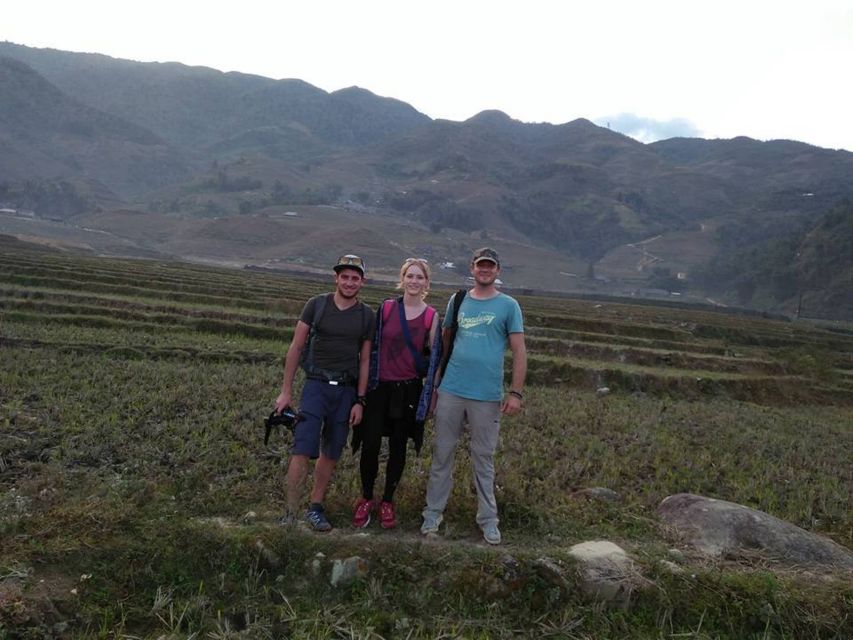
The group is limited to 14 people, though some departures may be much smaller. A group of five, for example, gives you a more personal feel and makes it easier to get to know the others during the walk and dinner.
The small-group setup also helps the guide adjust the pace. One guide is described as asking throughout the trek whether people wanted longer or shorter routes and what time they preferred to start or finish. That flexibility is useful, but it does not mean you can redesign the entire route.
Sa Pa weather can change the experience sharply. Clear skies bring the best views of Fansipan and the rice terraces. Rain brings mud, mist, and harder footing. I would not cancel automatically because of a poor forecast, but I would make sure my shoes and clothing can handle it.
Warm clothing is recommended between October and March. Even if the town feels mild during the day, evenings in a mountain homestay can feel cool.
Who should book this experience?
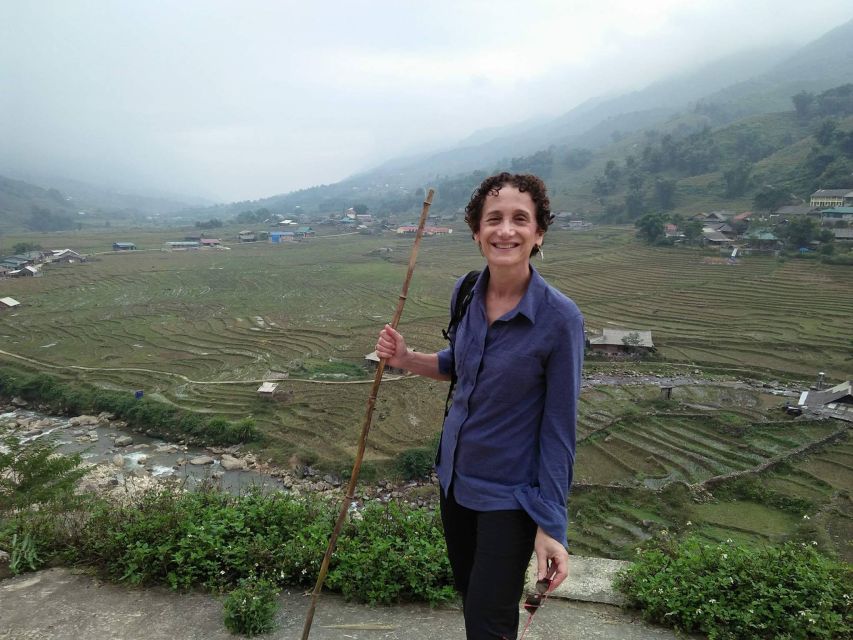
You should consider this trip if you want:
- A real walking experience rather than short photo stops
- Contact with Black H’mong and Dzay communities
- A night in a local home
- A guide who can explain customs in English
- A small group and an included return transfer
- Rice terrace views, forest trails, and village scenery in one outing
You may want a different activity if you need smooth paths, private accommodation, a fixed luxury standard, or an easy schedule. You should also think twice if muddy trails make you miserable. This is a cultural trek with basic comforts, not a resort excursion with a little walking.
FAQ
Where does the trek begin?
Pickup is available from hotels in Sa Pa town center.
How long do you walk each day?
Day one covers about 11 kilometers from Y Linh Ho through Lao Chai to Ta Van. Day two covers about 8 kilometers from Ta Van through the bamboo forest and Giang Ta Chai.
Where do you sleep?
You spend the night at a homestay in a Dzay ethnic minority village.
What meals are included?
The package includes two lunches at local restaurants, one hosted dinner in the village, and breakfast at the homestay.
Is transportation back to Sa Pa included?
Yes. A return transfer by bus is included after lunch on the second day.
What should I bring?
Bring comfortable trekking shoes, warm clothing, sunglasses, sunscreen, and insect repellent. Warm clothes are especially recommended from October through March.
Can children or people with mobility problems join?
Children under six cannot join. The trek is also not suitable for pregnant women or people with back problems, mobility impairments, or disabilities.
Should you book the Sa Pa two-day trek?
I would book this if your priority is village life, walking, and a local homestay, not polished comfort. The combination of Muong Hoa Valley views, H’mong and Dzay communities, good included meals, and guides such as Lan or Khu gives you a lot for $55.
Go prepared for mud, basic lodging, possible sales pressure from local vendors, and a transfer that may run late. Pack sturdy shoes, keep your next transport connection flexible, and approach the homestay as a cultural stay rather than a hotel night. If that sounds appealing, this is one of the better-value ways to experience Sa Pa beyond the town center.
New around Sa Pa
- Sapa3D2N TrekkingAdventures,Valleys,Bambooforest,Waterfall★ 4.8 · 24 reviews
- Sapa: Y Linh Ho – Lao Chai, and Ta Van Trekking Day Tour★ 5.0 · 25 reviews
- From Sapa: Guided Full-Day Trekking with Lunch and Drop-Off★ 4.2 · 86 reviews
- Sapa: Ta Phin Village Trek & Red Dao Herbal Bath★ 5.0 · 22 reviews
- Sapa: Muong Hoa Mountain Views and Villages Trek with Lunch★ 4.3 · 28 reviews
- Sapa Trekking Bargains With Local Guide★ 4.9 · 91 reviews
- Sapa: Private Highlights Day Tour with Lunch★ 4.8 · 61 reviews
- Sapa: Love Silver Waterfall, LonelyTree in Heaven-Rice Field★ 4.9 · 28 reviews
Sapa Tours, compared.
Muong Hoa Valley Trek and Local Ethnic Villages
Read our review →
Fansipan Cable, Cat Cat Village & Moana Instagram Tour
Read our review →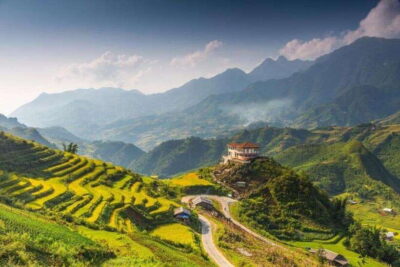
Eco Adventure Terrace Fields and Local Villages Trek
Read our review →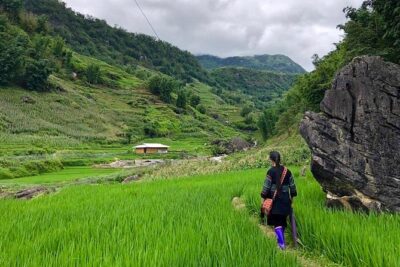
Number one top rated ethical cultural trekking and homestay by ETHOS
Read our review →
Cat Cat Village, Moana, Fansipan Cable Car, Alpine Coaster – Sapa
Read our review →
1-Day Guided Trek to Lao Chai & Ta Van with Lunch
Read our review →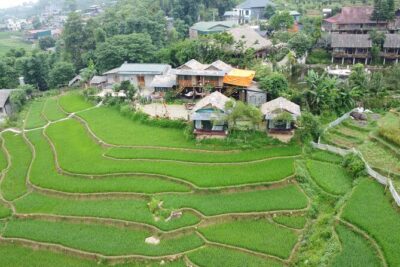
Sapa 1 Day Long Trek: Trek to Hau Thao and Sa Seng Villages
Read our review →Browse the lists this tour appears in