
Reviewed · SAPA TOURS
Sa Pa: 6-Hours Muong Hoa Valley Trek with Local Ethnic guide
Rice terraces reward every careful step. This six-hour trek from Sa Pa combines grand mountain views with visits to Y Linh Ho, Lao Chai, and Ta Van, where you learn about Black Hmong and Dzay life. I especially like the local ethnic guide and the chance to see crafts such as indigo dyeing, batik, and hemp weaving. The $18 price is also hard to beat, though the 10-kilometer route can be slippery, steep, and tiring.
This is not a gentle stroll. I like that the route takes you off the main Sa Pa streets and into bamboo, village paths, and rice fields, with local women sometimes helping you over muddy sections. The main caution is clear: you need reasonable fitness, proper shoes, and a willingness to accept rough footing, especially in wet weather.
In This Review
- Key points before you book
- Why this Sa Pa trek is worth your time
- Leaving Sa Pa for Y Linh Ho
- Walking through Lao Chai’s rice terraces
- Hmong crafts: indigo, batik, and hemp
- Lunch at a local restaurant
- Ta Van and the Dzay way of life
- What the trail is really like
- The guide makes the difference
- Transport and the end of the day
- Who should take this trek?
- Price, cancellations, and seasonal surcharges
- Should you book the Muong Hoa Valley trek?
- FAQ
- How long is the Muong Hoa Valley trek?
- What villages does the route visit?
- Which ethnic groups do you learn about?
- Is lunch included?
- Is transport included?
- Is hotel pickup available?
- What should I bring?
- Is the trek suitable for children or people with mobility issues?
Key points before you book
- A 10-kilometer downhill trek: Much of the route follows uneven paths, slopes, dirt roads, and rice-field trails rather than level pavement.
- Three important valley stops: You walk through Y Linh Ho, Lao Chai, and Ta Van, each offering a different view of Hmong and Dzay life.
- Local women may help on muddy paths: Their support can be genuinely useful, but they may later offer handmade goods for sale.
- A small group of up to 11 people: This gives the guide a better chance to keep an eye on the group.
- Lunch costs extra: You pay separately at a local restaurant, and food quality may vary from tasty and plentiful to rather plain.
- Good value at $18: The price includes the guide, transport, entrance fees, and a 500-milliliter bottle of water.
Why this Sa Pa trek is worth your time
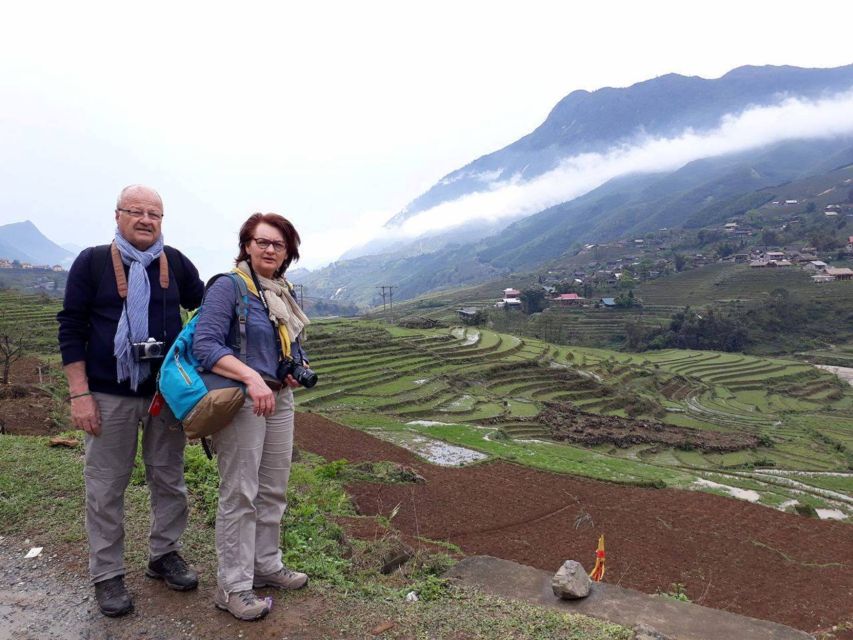
Sa Pa is famous for its mountain views, but the best part of a visit often comes after you leave the town center. This route leads into Muong Hoa Valley, where rice terraces spread across steep hillsides and village paths cut through bamboo and farmland.
At $18 per person, the outing offers a lot for a half-day. You get an English-speaking guide, entrance tickets, transport back to Sa Pa, and a small bottle of water. Food, drinks, insurance, tax, and personal purchases are extra, so the final cost will be higher than the advertised price, but the basic tour remains excellent value.
The group is limited to 11 people. That matters on a trail where some people move quickly and others need help on slippery descents. The guide can explain local customs, answer questions, and help manage the pace more easily than on a large bus excursion.
The experience earns a 4.5 out of 5 rating from 178 bookings, with especially strong praise for the guides, scenery, local assistance, and food. Guides named Sang, Sai, Su, and Bao have been singled out for clear English, humor, patience, and care. Guide names can change, but these comments show the sort of personal service you should expect from a good day.
A few more Sa Pa runs to compare on price
- Sa Pa: Muong Hoa Valley Trek and Local Ethnic Villages
★ 4.6 · 864 reviews - Sapa: Eco Adventure Terrace Fields and Local Villages Trek
★ 4.9 · 636 reviews - From Sapa: 1-Day Guided Trek to Lao Chai & Ta Van with Lunch
★ 4.9 · 416 reviews
Leaving Sa Pa for Y Linh Ho
The outing begins with pickup from hotels in Sa Pa town, if the operator can reach your address. Some hotels may require you to walk to an office or meeting point, so send the exact hotel name and address before the trip.
The first section is described as a scenic 20-minute walk toward Y Linh Ho village. This opening gives you a quick change of scene: Sa Pa’s tourist streets give way to mountain paths and views across the valley.
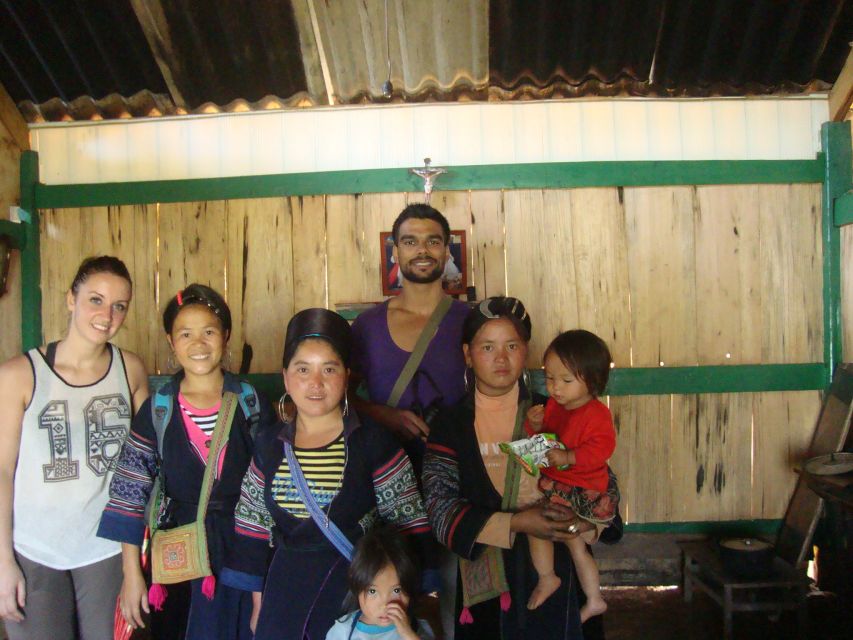
Y Linh Ho is associated with the Black Hmong people. Your guide introduces aspects of local daily life, particularly around the village center, and helps you understand the difference between seeing a village and simply passing through it.
The cultural side works best when you ask questions. You can learn about farming, clothing, household life, and the practical work behind the valley’s famous terraces. Keep your camera ready, but ask before photographing children, and never touch a child’s head. Those are simple signs of respect that matter.
Walking through Lao Chai’s rice terraces
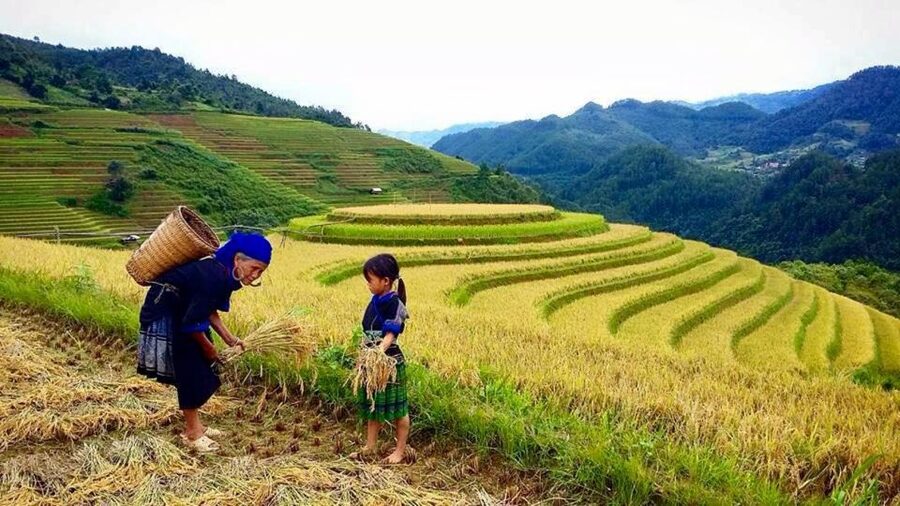
Lao Chai is the visual high point for many people. Here, the route opens onto broad views of terraced rice fields carved into the hills. The exact appearance changes with the season, so you may see different colors and levels of activity depending on when you visit.
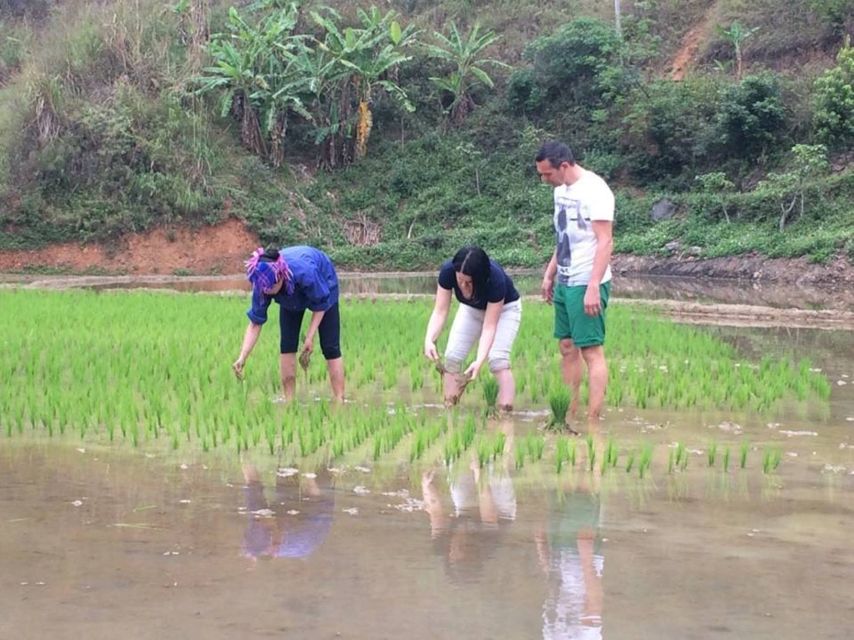
Rice terraces are not just pretty scenery. They show how local communities turn steep mountain slopes into farmland, using water, soil, and careful planting. Your guide can connect the view to rice cultivation and explain why the fields shape the daily rhythm of village life.
The route through this section is not always easy. In good weather, some stretches may be concrete or stone, but other parts use dirt paths and uneven tracks. One person described the walk as manageable but still tiring enough to make the return bus welcome. That is a fair description.
The downhill direction can be harder than it sounds. Descending a steep muddy trail puts pressure on your knees and makes balance difficult. In hot weather, the combination of sun, humidity, and slopes can also wear you down.
Hmong crafts: indigo, batik, and hemp
Lao Chai also gives you a closer look at Hmong craft traditions. The planned activities include indigo dyeing, batik making, and hemp weaving.
These crafts help explain the clothing you see in the villages. Hmong textiles are not factory-made souvenirs in the simple sense. They can involve growing and preparing hemp, weaving the fibers, applying patterns, and dyeing fabric with indigo.
The craft demonstrations add meaning to any purchase you might make later. If you buy something, do it because you like it and understand the price, not because you feel obliged. Local women may walk with the group and offer assistance, then present handmade goods at lunch or near the end.
This part requires a little tact. Some people appreciate the chance to support local makers, while others feel uncomfortable when sales become persistent. You can thank people for their help without buying anything, and a polite but firm no thank you is enough.
Same city, a very different kind of morning:
- Sapa 1 Day Long Trek: Trek to Hau Thao and Sa Seng Villages
★ 4.6 · 344 reviews - Sapa: Fansipan Cable, Cat Cat Village, Moana Instagram Tour
★ 4.8 · 294 reviews - From Sapa: 3-Day Ha Giang Loop with Safe Rider (max 8 pax)
★ 4.9 · 285 reviews - Explore Sapa by TrekkingAdventures, Mountain,Rice fields
★ 4.9 · 229 reviews
Lunch at a local restaurant
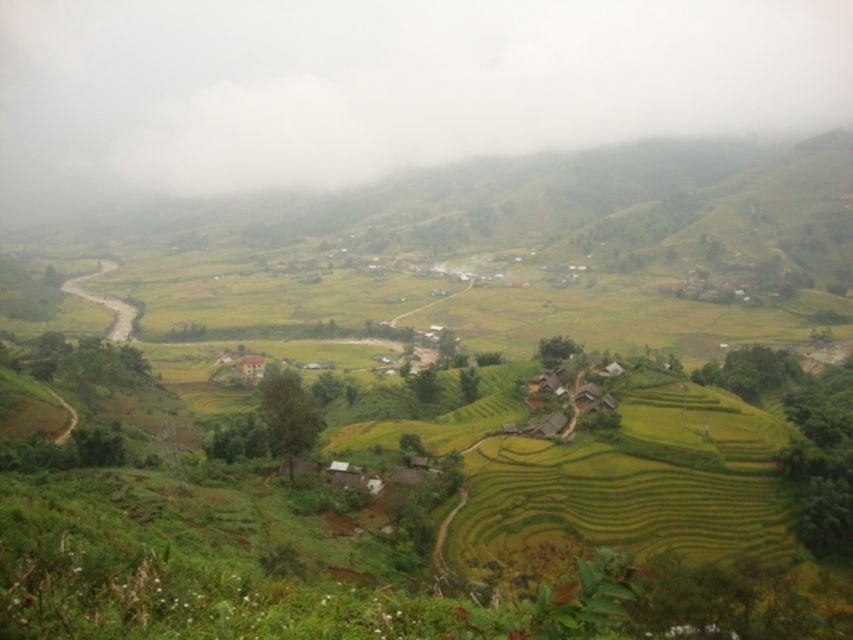
Lunch is not included, so bring cash for the meal and any soft drinks. The description promises local specialties and fresh produce, but the actual meal can vary.
Some meals have been described as tasty, plentiful, and full of variety. Other diners found the food bland. I would treat lunch as a simple local meal rather than a culinary event, and keep your expectations sensible.
The lunch stop can also be the most sales-heavy part of the day. Women and children may approach you with handicrafts while you eat. If that feels uncomfortable, decide in advance how you will respond, and avoid making promises you do not want to keep.
The meal is still useful as a rest break. After several hours on uneven ground, sitting down, eating, and drinking is more than a minor detail. It gives you a chance to recover before the final village section.
Ta Van and the Dzay way of life
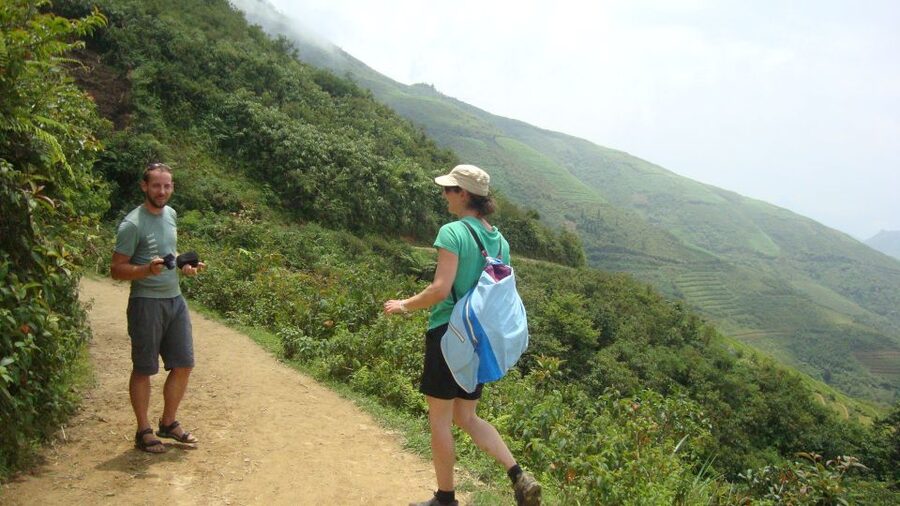
After lunch, the trek continues to Ta Van village. This is where you encounter the Dzay people and see a contrast in customs, clothing, and village life.
The route includes visits to traditional local homes. You may learn about weaving, rice cultivation, and everyday household practices. The value here comes from the comparison between communities: the Black Hmong and Dzay are not presented as one general hill-tribe culture, but as groups with their own traditions.
A local guide can make this stop much more useful. Instead of only taking photographs, you can ask how homes are used, how farming works, and how traditional clothing is made. Several guides have been praised for sharing details about their own lives in Sa Pa, which can make the conversation more personal and grounded.
Do not expect a museum-style visit with displays and signs. This is a living rural community. You are walking through homes, farms, and paths used by local people, so keep your voice down, follow the guide’s instructions, and ask permission before entering or photographing private spaces.
What the trail is really like
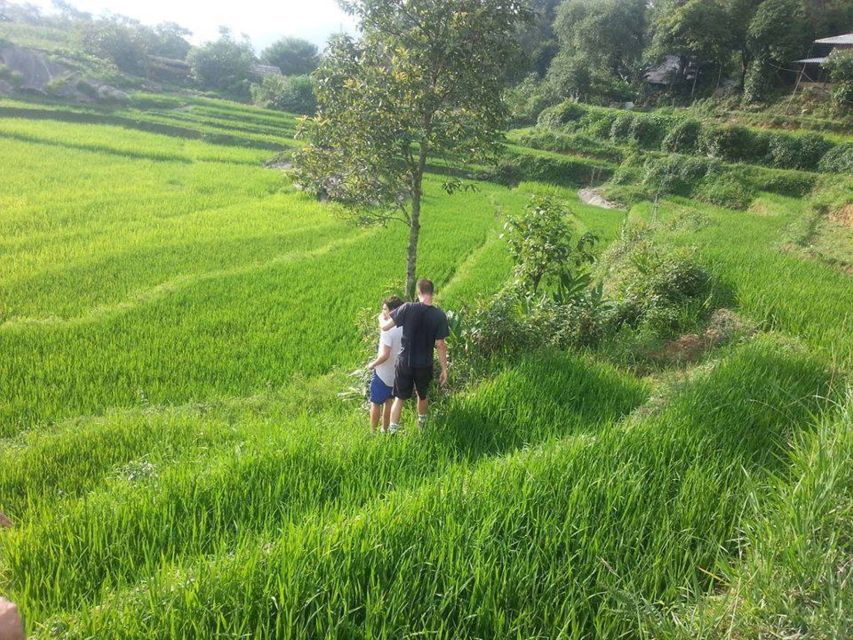
The tour description calls this a challenging 10-kilometer trek, and you should believe that wording. It is not a technical mountain climb, but the distance and footing make it demanding.
Expect a mix of:
- Steep downhill sections
- Muddy rice-field paths
- Uneven dirt and stone roads
- Bamboo or forest trails
- Small bridges and rough crossings
- Slippery surfaces after rain
Local women sometimes accompany the group and help people across difficult sections. Many people have found this assistance valuable, especially when the trail becomes muddy. You should still bring shoes with a firm grip and avoid assuming that someone else can safely catch you every time.
Rain changes the character of the trek. A path that feels easy in dry weather can become slick and awkward after a storm. Winter may bring fog, while October through March can feel cool enough to require warm layers. Summer heat can make the climbs and descents feel heavier.
The best packing list is practical:
- Trekking shoes with strong traction
- Sunglasses and sunscreen
- Insect repellent
- Warm clothing from October through March
- Extra water beyond the included 500 milliliters
- Cash for lunch and purchases
- A spare pair of shoes if rain is likely
The advice about spare footwear is not overcautious. Thick mud can cover your shoes, especially in the wetter months.
The guide makes the difference
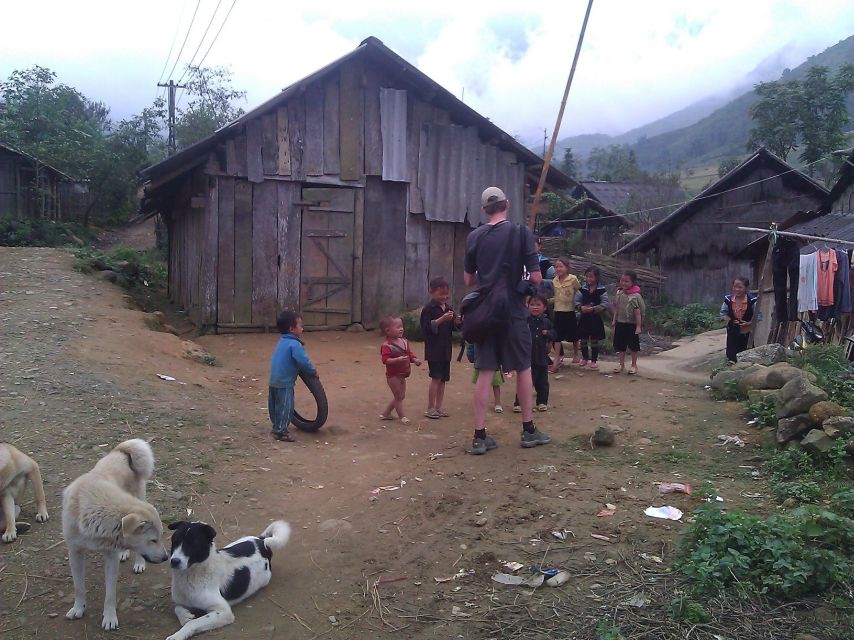
The strongest part of this outing is the guide-led format. A local English-speaking guide can explain customs while also helping you handle the route.
Sang has been praised for being funny, attentive, and easy to understand. Sai has been noted for strong English and useful explanations about the villages. Su was described as setting a comfortable pace and offering helpful cultural information, while Bao received praise for being friendly and supportive.
You should not expect perfect classroom English from every guide. One person found the guide understandable even though the grammar was not always polished. For this kind of tour, warmth, local knowledge, and trail awareness matter as much as formal language skills.
The guide also helps with group rhythm. If you are fit, you may want to move faster, but the route is better when nobody feels rushed. Ask early if you need a short pause, especially in the heat.
Transport and the end of the day
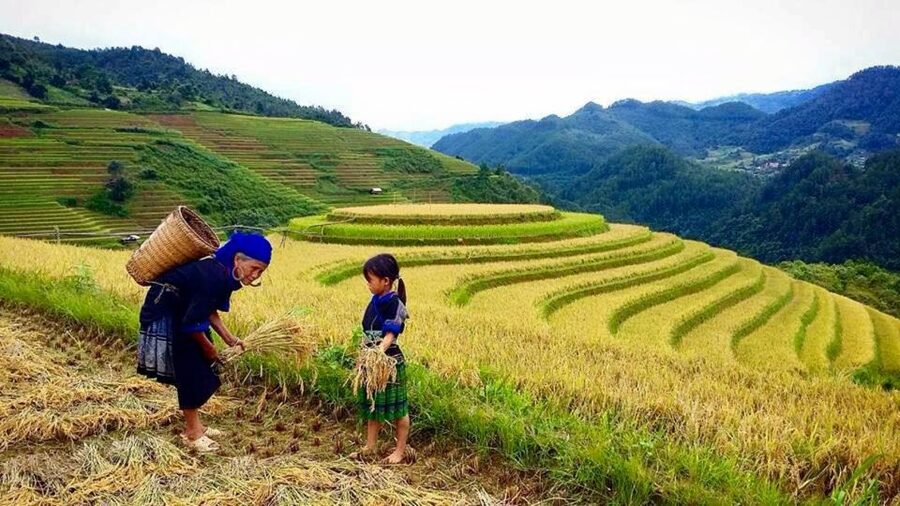
This is a one-way trek, not a loop. That means you do not walk back over the same route, which is a welcome feature after 10 kilometers on mountain paths.
A bus takes you from Ta Van back to the operator’s office in central Sa Pa. The vehicle transfer is included, and it turns the final stretch into a comfortable ride rather than another long walk.
Pickup deserves some attention. Hotel collection is available only in Sa Pa town, and the operator needs your hotel details to confirm it. There has been at least one reported pickup problem involving a late collection and motorbikes instead of the expected minivan, so confirm the meeting point and pickup time before setting out.
That appears to be an exception rather than the normal pattern, but it is worth preventing. If you are not comfortable riding a motorbike, say so clearly and keep the operator’s contact details handy.
Who should take this trek?
I would recommend it to anyone who wants an active introduction to Muong Hoa Valley and has only one day, or part of a day, in Sa Pa. It suits couples, families with older children, and people who would rather walk through villages than spend the day looking out of a vehicle window.
Teenagers may enjoy the combination of views, physical activity, and cultural visits. One family with three children found the walk rewarding, but the general guidance says the trek is not suitable for children under six.
You should skip it if you are pregnant, use a wheelchair, have a mobility impairment, or are not comfortable on steep and slippery ground. Senior citizens are specifically advised not to take this trek because wet conditions can make it dangerous.
A moderate level of fitness is the sensible minimum. You do not need to be an athlete, but you should be able to walk 10 kilometers and manage uneven paths for several hours. If your knees, balance, or stamina are concerns, choose a shorter and easier outing.
Price, cancellations, and seasonal surcharges
At $18 per person, the tour is one of the better-value active outings in Sa Pa. The fee covers the English-speaking guide, bus transport, entrance tickets, and 500 milliliters of water.
You pay for lunch and soft drinks yourself. Personal expenses, insurance, VAT, and handicrafts are also excluded, so bring extra cash. The most important optional expense is not the lunch, but the temptation to buy textiles and other handmade goods after receiving help on the trail.
Free cancellation is available up to 24 hours before the start for a full refund. You can also reserve now and pay later, which helps if your Sa Pa plans depend on weather or train connections.
Check the dates carefully for Lunar New Year surcharges. The supplied details list different dates and amounts for different years, including a $20 charge per person for February 14 to 21, 2025, and an older $30 surcharge period. A French-speaking guide costs an additional $20 per person, paid directly on the trip.
Should you book the Muong Hoa Valley trek?
Book it if you want dramatic rice terraces, village contact, and a genuine physical outing at a low base price. The guides and local help are the main strengths, and the one-way route makes the day easier to manage.
Skip it if you want a relaxed sightseeing tour, dislike sales approaches, or will be unhappy walking through mud. Pack proper shoes, confirm your pickup, carry cash, and treat the weather as part of the decision.
For an active visitor with limited time in Sa Pa, this trek gives you a lot: Black Hmong and Dzay culture, traditional crafts, bamboo and rice-field paths, a local meal, and a comfortable bus ride home. Just do not mistake six hours for six easy hours.
FAQ
How long is the Muong Hoa Valley trek?
The activity lasts six hours and covers about 10 kilometers.
What villages does the route visit?
The route goes through Y Linh Ho, Lao Chai, and Ta Van villages.
Which ethnic groups do you learn about?
The tour focuses on the Black Hmong people in Y Linh Ho and Lao Chai, and the Dzay people in Ta Van.
Is lunch included?
No. Lunch and soft drinks cost extra and are paid for at a local restaurant.
Is transport included?
Yes. Bus transportation is included, including the transfer from Ta Van back to central Sa Pa.
Is hotel pickup available?
Pickup is available from hotels in Sa Pa town only. You must provide your hotel name and address so the operator can confirm pickup or give you a meeting point.
What should I bring?
Bring trekking shoes, sunglasses, sunscreen, insect repellent, and warm clothes between October and March. Extra water and spare shoes are useful if rain or mud is expected.
Is the trek suitable for children or people with mobility issues?
It is not suitable for children under six, pregnant women, wheelchair users, or people with mobility impairments. Senior citizens are advised not to take the 10-kilometer route because it can be dangerous in wet conditions.
New around Sa Pa
- Sapa3D2N TrekkingAdventures,Valleys,Bambooforest,Waterfall★ 4.8 · 24 reviews
- Sapa: Y Linh Ho – Lao Chai, and Ta Van Trekking Day Tour★ 5.0 · 25 reviews
- Sapa: Ta Phin Village Trek & Red Dao Herbal Bath★ 5.0 · 22 reviews
- From Sapa: Guided Full-Day Trekking with Lunch and Drop-Off★ 4.2 · 86 reviews
- Sapa: Muong Hoa Mountain Views and Villages Trek with Lunch★ 4.3 · 28 reviews
- Sapa Trekking Bargains With Local Guide★ 4.9 · 91 reviews
- Sapa: Private Highlights Day Tour with Lunch★ 4.8 · 61 reviews
- Sapa: Love Silver Waterfall, LonelyTree in Heaven-Rice Field★ 4.9 · 28 reviews
Sapa Tours, compared.
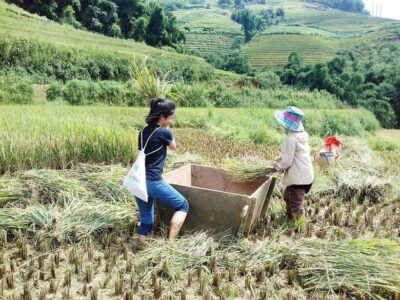
Muong Hoa Valley Trek and Local Ethnic Villages
Read our review →
Fansipan Cable, Cat Cat Village & Moana Instagram Tour
Read our review →
Eco Adventure Terrace Fields and Local Villages Trek
Read our review →
Number one top rated ethical cultural trekking and homestay by ETHOS
Read our review →
Cat Cat Village, Moana, Fansipan Cable Car, Alpine Coaster – Sapa
Read our review →
1-Day Guided Trek to Lao Chai & Ta Van with Lunch
Read our review →
Sapa 1 Day Long Trek: Trek to Hau Thao and Sa Seng Villages
Read our review →Browse the lists this tour appears in