
Reviewed · SAPA TOURS
SAPA : Climb up to Fansipan mountain with LOCAL GUIDE
The roof of Indochina takes real effort. This one-day Fansipan climb begins before sunrise, then follows a demanding mountain trail from Tram Ton Pass to the 3,143-meter summit. I especially like the local Black Hmong guides, who add stories about village life and the mountain, and the homemade picnic lunch, a welcome reward during a long day on foot. The main catch is simple: this is not a casual walk. Mud, rain, steep steps, rocks, altitude, and a 7 to 10-hour day can test even fit hikers.
Guides such as Za, Zo, Ke, Mai, Khu, and A Già have led this outing, with Za receiving especially warm praise for his clear communication, good English, patience, photography, and care for tired hikers. The route is not described as highly technical, but it includes scrambling over rocks and a very tiring final section. If your legs are ready for a serious climb, this is one of Sapa’s most personal ways to reach Fansipan.
In This Review
- Key Points at a Glance
- Why This Fansipan Route Is Worth Considering
- The 5:30 AM Pickup From Sapa
- From Tram Ton Pass to the Forest
- Cardamom, Forest Changes, and Muong Hoa Views
- Lunch on the Mountain
- Reaching the 3,143-Meter Summit
- The Descent and the Cable Car Decision
- Guide Quality and Cultural Connection
- Price, Inclusions, and What You Still Pay
- Who Should Book This Climb?
- Final Verdict: Book It If the Climb Is the Point
- FAQ
- Where does the Fansipan hike start?
- What time does the tour begin?
- How long does the hike take?
- How high is Fansipan?
- Is the hike difficult?
- Is lunch included?
- Is the cable car included?
- What happens if the weather is bad?
- What does the tour provide?
- Who should not join this tour?
Key Points at a Glance
- Start at 5:30 AM: Meet at your Sapa hotel, Stone Church, or an agreed point before driving or riding to Tram Ton Pass.
- Reach 3,143 meters: The summit of Fansipan is the highest point in Indochina, with views that depend heavily on the weather.
- Expect a demanding route: The climb includes stairs, rocks, mud, and some light scrambling, especially near the upper section.
- Eat local food on the trail: The included picnic lunch may be banh mi or a hot meal prepared by your guide, with snacks, tea, or coffee on some departures.
- Learn from a Black Hmong guide: Local stories and explanations about the area add a cultural side to the physical challenge.
- Keep the cable car as a backup: You can pay separately to descend by cable car if your legs are finished, but the ticket and onward shuttle are not included.
Why This Fansipan Route Is Worth Considering
Fansipan is often associated with its cable car, which makes the summit available to people who do not want a full mountain climb. This tour takes the harder route up from Tram Ton Pass. You earn the summit step by step, rather than arriving after a short ride above the clouds.
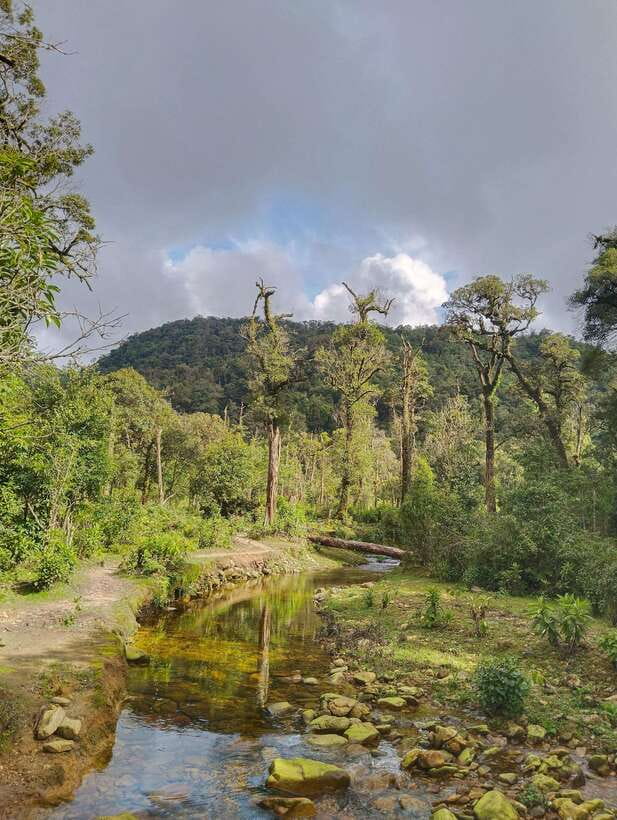
That difference matters. The mountain changes as you gain height, with forest types shifting along the route. You may see cardamom plants, a spice widely used in cooking, as well as the plant and animal life of Hoang Lien Son National Park. The route is described as passing through an area with 2,024 floral varieties and 327 faunal species, though your actual sightings will depend on weather, season, and pace.
The views are another reason to choose the hike. You may look toward Muong Hoa Valley, see mountain ridges through gaps in the trees, and find good photo spots on the ascent. At the summit, though, the weather can change quickly. Several departures have reached the top in thick cloud or rain, with little view at 3,143 meters. That is not a fault in the guiding, but it is an important part of the bargain.
A few more Sa Pa runs to compare on price
- Sa Pa: Muong Hoa Valley Trek and Local Ethnic Villages
★ 4.6 · 864 reviews - Sapa: Eco Adventure Terrace Fields and Local Villages Trek
★ 4.9 · 636 reviews - From Sapa: 1-Day Guided Trek to Lao Chai & Ta Van with Lunch
★ 4.9 · 416 reviews
The 5:30 AM Pickup From Sapa
The day begins early. Your guide and driver meet you at your hotel if it lies along the route, or at Stone Church in central Sapa. From there, transport takes you toward Tram Ton Pass. Depending on the group and arrangements, this may be by car or motorbike.
The early start gives you the best chance of completing the route in daylight. It also means you should prepare breakfast or arrange something to eat before leaving. One guide helped a participant pick up breakfast to go for the drive, but this should not be treated as a guaranteed inclusion.
Tram Ton Pass sits at about 1,800 meters above sea level. This is the practical starting point for the climb. You do not walk from Sapa town, so the tour avoids a long approach and puts your energy into the main ascent.
Wear proper hiking shoes from the start. Comfortable closed-toe shoes are listed as essential, but the muddy sections call for footwear with a firm grip. Pack rain gear even if the morning looks clear. At Fansipan, conditions can turn from dry to wet and cloudy with little warning.
From Tram Ton Pass to the Forest
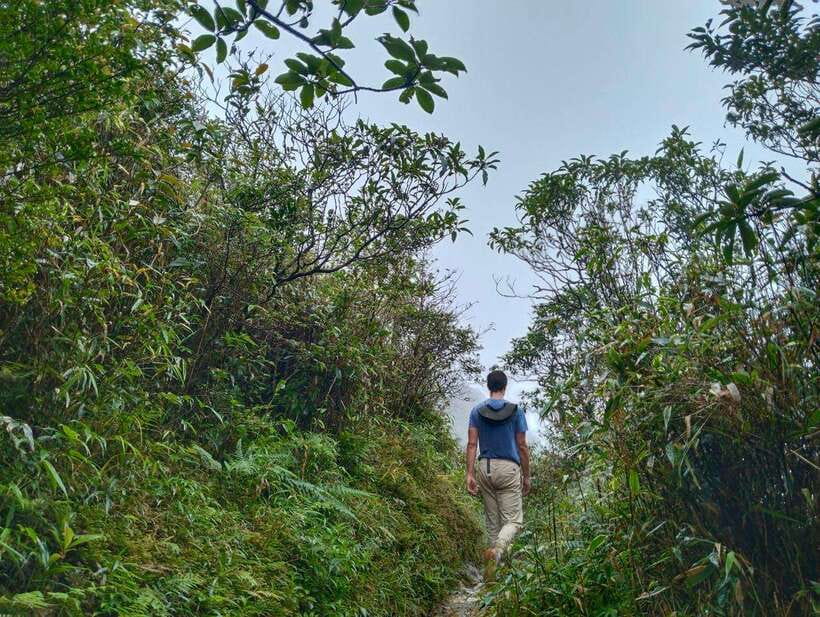
The trail begins at roughly 6 AM. At first, the route gives you time to settle into a steady rhythm, but the day gradually becomes harder. You will gain a large amount of height on foot, and there are sections with stairs, exposed rocks, and scrambling.
The trek is often described as moderate to challenging, but that label deserves a serious reading. You do not need special climbing skills, and the route is not presented as a trail with frightening cliff edges. You do need healthy joints, good shoes, and a decent level of fitness.
One useful comparison from the trip reports is the 5K test: if you can run 5 kilometers at a reasonable pace, the climb may be within reach, though that is not a guarantee. Hiking uphill for several hours is different from running on level ground. The descent can also be harder than expected because tired legs must keep working over uneven surfaces.
Your guide should set the pace for the group. Za was praised for adjusting his speed, taking breaks when needed, and checking on people who were struggling. Another group was organized according to fitness levels, which helped keep the walking rhythm comfortable. Still, the pace may feel fast if you underestimate the route, so tell your guide early if you need a pause.
Cardamom, Forest Changes, and Muong Hoa Views
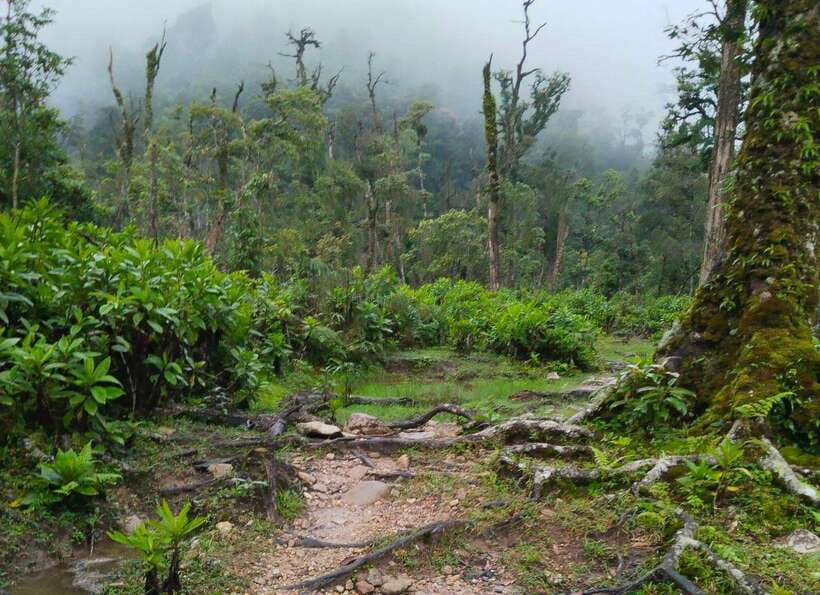
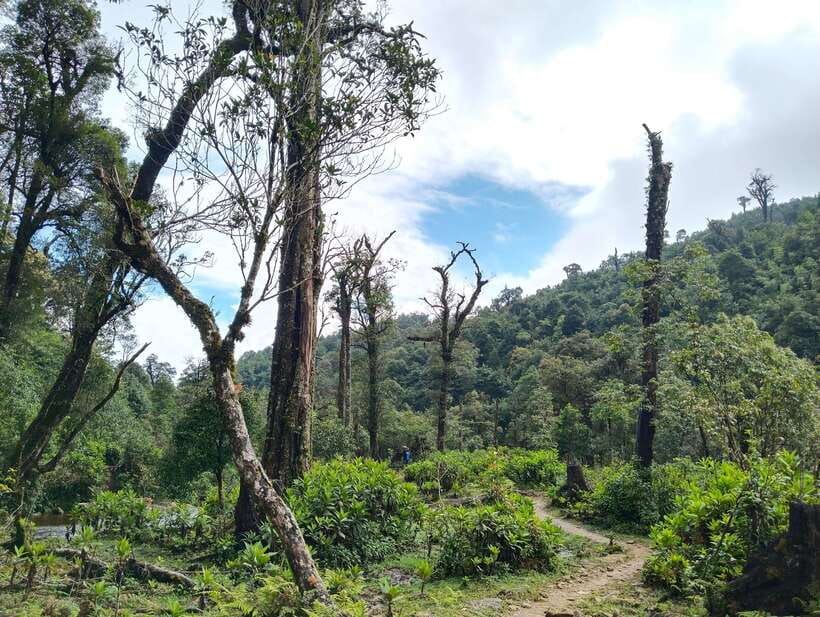
One of the best parts of walking Fansipan is seeing the mountain change as you climb. The forest is not just a green backdrop. Different types of vegetation appear at different heights, and your guide can point out details you would likely pass without noticing.
Cardamom is a particularly useful example. The plant produces seeds that give food a distinctive flavor, and seeing it growing in the mountain forest connects the route to local cooking and rural life. A local guide can also explain what the area means to the Black Hmong communities around Sapa.
The cultural side is modest but genuine. This is not a village tour with a long program of staged demonstrations. Instead, you learn through conversation while walking. Za and other guides have shared stories about Black Hmong life, local communities, and the mountain. That makes the day feel less like a standard fitness outing and more like time spent with someone who knows the area personally.
The scenery may be excellent, or it may be hidden by cloud. Some people have enjoyed clear views during the climb but reached a foggy summit. Others have spent almost the entire day in cloud and rain. You should book this for the climb itself first, with the panoramic view treated as a bonus.
Same city, a very different kind of morning:
- Sapa 1 Day Long Trek: Trek to Hau Thao and Sa Seng Villages
★ 4.6 · 344 reviews - Sapa: Fansipan Cable, Cat Cat Village, Moana Instagram Tour
★ 4.8 · 294 reviews - From Sapa: 3-Day Ha Giang Loop with Safe Rider (max 8 pax)
★ 4.9 · 285 reviews - Explore Sapa by TrekkingAdventures, Mountain,Rice fields
★ 4.9 · 229 reviews
Lunch on the Mountain
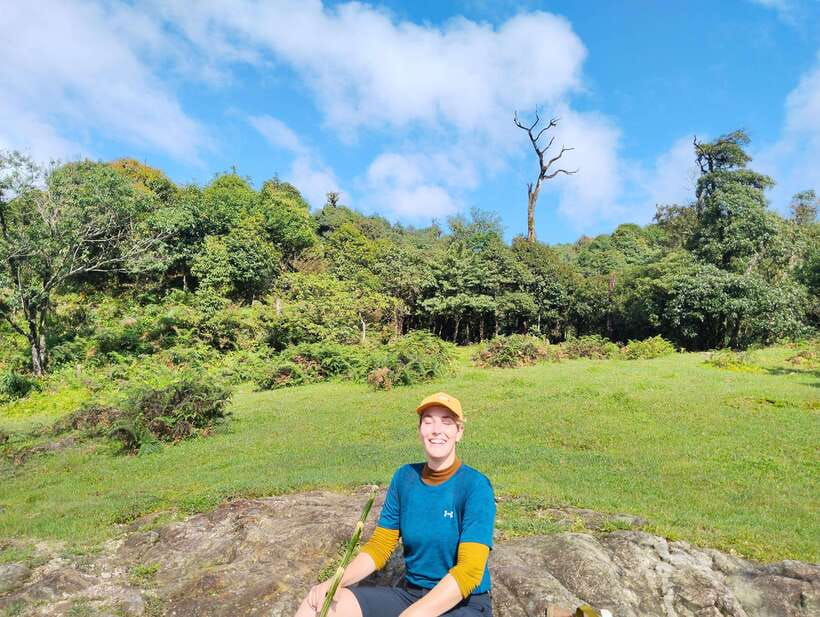
Lunch is one of the tour’s most praised details. The included meal has been described as banh mi on some trips and as a hot soup or cooked meal on others. Guides have also provided snacks, tea, coffee, and food at a high camp around 2,800 meters.
The exact menu appears to vary, so do not expect a fixed restaurant-style meal. What you can expect is practical trail food served at the right moment. On a long climb, a warm meal prepared by Za or another guide can feel far more valuable than a basic packed snack.
The timing also varies. One participant ate lunch as early as 9 AM, while the main schedule places lunch around midday near the summit. This may depend on the group’s pace and where the guide finds a suitable stopping point.
Bring your own extra snacks if you normally eat often during exercise. The tour includes 1.5 liters of water, but that may not be enough for every person on a full day of strenuous walking, especially in warm or wet conditions. The supplied gloves are a useful touch for rocky sections, but you should still bring your own if you want a particular fit or extra warmth.
Reaching the 3,143-Meter Summit
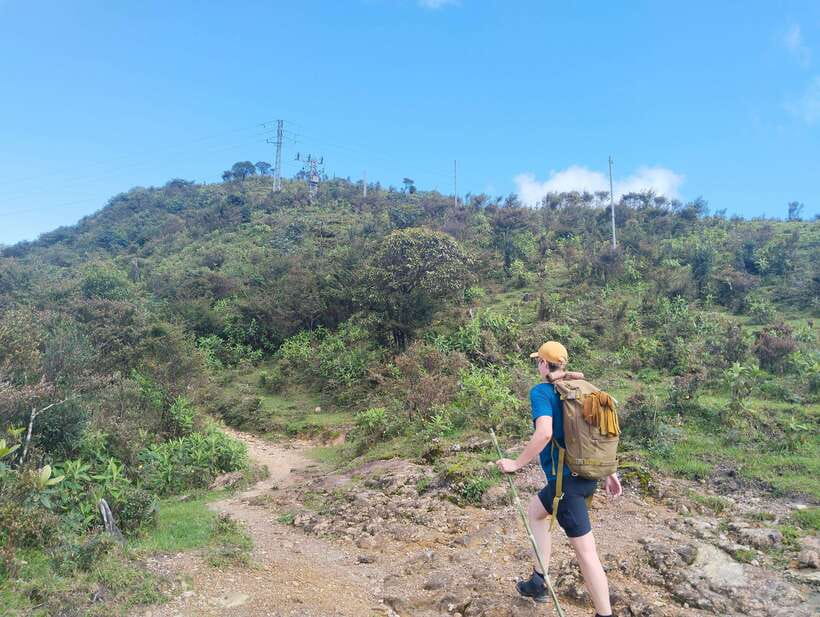
The stated goal is Fansipan Peak at 3,143 meters, the highest mountain in Indochina. The final hours are the toughest for many people. You may be tired, wet, muddy, and moving through cloud, with the last rocks and stairs requiring more concentration than the early trail.
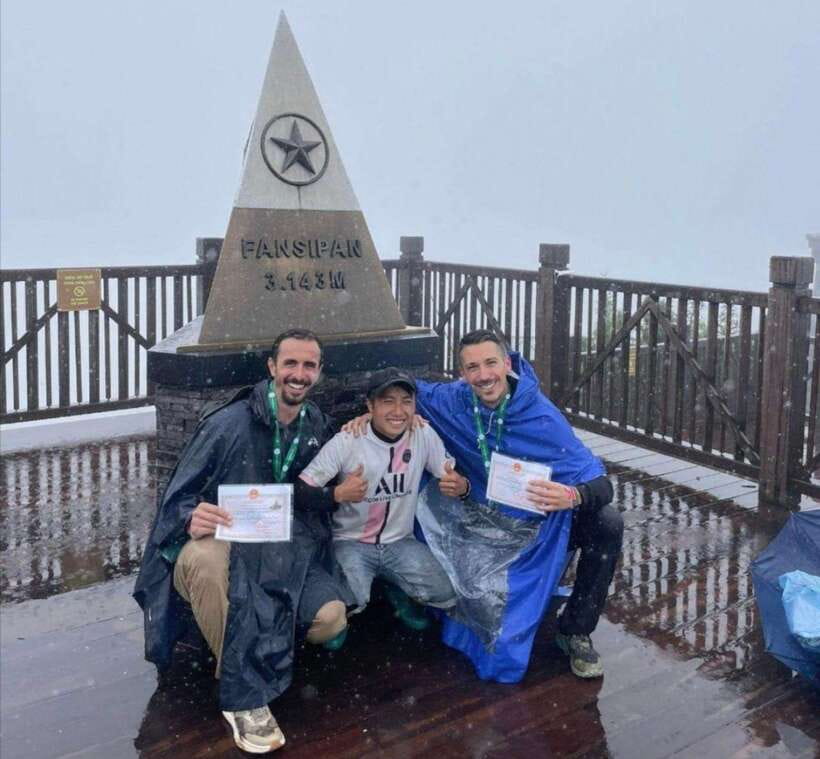
At the top, you can take photographs, admire the summit area, and mark the achievement with your guide. The included climbing certificate gives the day a pleasant finish, and some participants also received a medal. Those small extras do not change the physical challenge, but they make the accomplishment feel official.
Do not assume the summit will be quiet. The cable car brings many people to the upper area, so you may reach a busy summit even after spending hours on the trail. That contrast can be surprising: a solitary-feeling forest climb may end at a crowded viewpoint.
Cloud is the other wildcard. You might get a clear view across the mountains, or you might see only white mist. The ascent still offers photo opportunities, so take pictures along the way rather than saving your camera for the summit.
The Descent and the Cable Car Decision
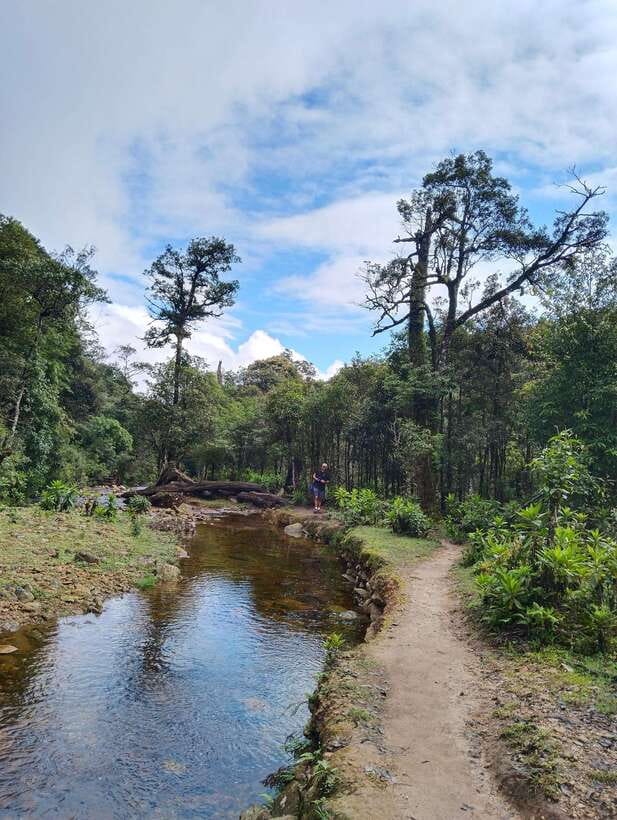
The advertised schedule has you beginning the descent in the afternoon, reaching about 2,900 meters around 1:30 PM, then continuing toward Tram Ton Pass. The full day may end between 4 PM and 6 PM in Sapa. In practice, some groups took around 10 hours, especially in rain or when walking at a slower pace.
This is where you need to make an honest decision about your fitness. The descent is not automatically easy. Tired thighs, slippery mud, and uneven rocks can make going down slow and uncomfortable. One participant found the descent more difficult than expected, while another enjoyed it because it allowed more time with the scenery.
The cable car offers a sensible escape if your legs are finished. It is optional and not included. The ticket was reported at about 800,000 Vietnamese dong per person, and you need to budget separately for transport from the cable car station to your accommodation because that shuttle is also excluded.
Ask your guide about the practical details if you choose this option. Carry cash for the ticket, since one participant specifically noted needing it. You should also understand that taking the cable car down changes the return arrangements. The standard service brings you back from Tram Ton Pass, not automatically from the cable car station to your hotel.
Guide Quality and Cultural Connection
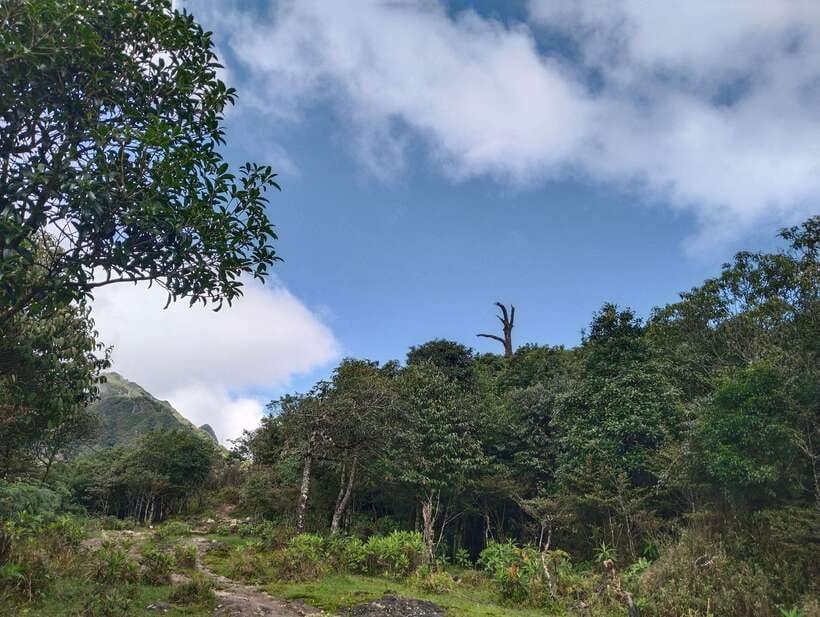
The strongest reason to book this particular outing is the guiding. Za has been singled out for excellent English, careful scooter driving, clear pre-trip messages, local knowledge, encouragement, and a good sense of humor. He also took photographs for participants and prepared a well-liked lunch.
Other guides have received similar praise. Ke was described as friendly and safety-minded, Mai as informative about the mountain and nearby communities, and Khu as careful and a good cook. Za’s wife also guided a group and took special care of an older parent. The exact guide is not guaranteed, but the operation uses local people who know the route.
That local connection is worth more than a rehearsed speech. You can ask about the Black Hmong community, daily life near Sapa, plants, and the mountain while walking. Conversation also helps on the hard sections, when a few calm words and a steady pace can make the difference between continuing and giving up.
English is the stated tour language. Communication before the hike has also been a strong point, with guides explaining pickup, equipment, and what to bring. Message the provider in advance if you have concerns about pace, weather, or returning by cable car.
Price, Inclusions, and What You Still Pay
At $72 per person, this tour offers good value for a demanding full-day activity. The price includes a guide, entrance fee, transport to and from the Sapa meeting point, picnic lunch, 1.5 liters of water, gloves, a Fansipan climbing certificate, and a porter for groups of four or more.
The entrance fee and transport matter because arranging the climb independently is not as simple as turning up at the trailhead. You also receive local support on a route where weather and timing can complicate the day.
The price does not include personal travel insurance or the optional cable car. If you use the cable car down, budget about 800,000 VND per person based on the reported fare, plus your own onward transfer from the cable car station. The tour also does not promise unlimited water, so bring more if you know you drink heavily while hiking.
Free cancellation up to 24 hours before departure and the option to reserve now and pay later reduce the risk of committing while Sapa’s weather is uncertain. Still, check the current terms and starting time when booking.
Who Should Book This Climb?
I would choose this tour if you want a genuine physical achievement, prefer a local guide to a large organized group, and are happy to accept uncertain weather. It suits active adults and older teenagers aged 15 or above who can handle a long uphill day.
I would think twice if you dislike mud, have limited hiking experience, or want a relaxed mountain outing. The minimum age is 15, the maximum stated age is 70, and the tour is not suitable for people outside that range. Those limits are sensible, given the distance, altitude, and uneven trail.
You also need to be comfortable with a flexible finish. The day may take eight hours, but the actual hike can run seven to nine hours, and rain may stretch it longer. If you have a train, bus, or flight immediately afterward, leave a generous buffer.
Final Verdict: Book It If the Climb Is the Point
Book this Fansipan tour if you want to earn the summit and meet a local guide who can add meaning to the walk. The guides’ patience, homemade food, safety checks, and local stories receive the strongest praise, and the included transport and entrance fee make $72 a fair price.
Do not book it simply because you want a quick photo at the top. The cable car is the easier choice for that. Choose this outing for the forest, the effort, the changing weather, the cardamom plants, the conversation, and the satisfaction of reaching 3,143 meters under your own power.
FAQ
Where does the Fansipan hike start?
The guide and vehicle meet you at Stone Church in Sapa or at a hotel located along the route from Sapa to Tram Ton Pass. The walking section begins at Tram Ton Pass, about 1,800 meters above sea level.
What time does the tour begin?
Pickup is scheduled for 5:30 AM, with the trek starting around 6 AM at Tram Ton Pass. Check the available departure time when booking.
How long does the hike take?
The full activity is listed as eight hours, but the ascent and descent can take seven to nine hours. Some groups have taken about 10 hours, especially in rain or when moving slowly.
How high is Fansipan?
Fansipan Peak is 3,143 meters above sea level. It is the highest mountain in Indochina.
Is the hike difficult?
Yes. It is rated moderate to challenging and includes steep sections, stairs, rocks, mud, and some light scrambling. You need good physical condition, comfortable hiking shoes, and healthy joints.
Is lunch included?
Yes. A picnic lunch is included. Depending on the departure, it may be banh mi or a hot meal prepared by the guide, with some guides also providing snacks, tea, or coffee.
Is the cable car included?
No. The optional cable car is an extra cost. The reported fare is about 800,000 VND per person, and transport from the cable car station to your accommodation is also excluded.
What happens if the weather is bad?
Rain can make the trail muddy, more difficult, and slower. Cloud may also block views at the summit. You should bring rain gear and be prepared for changing conditions.
What does the tour provide?
The tour provides an English-speaking guide, entrance fee, transport, picnic lunch, 1.5 liters of water, gloves, a Fansipan climbing certificate, and a porter for groups of four or more.
Who should not join this tour?
The activity is not suitable for children under 15 or people over 70. It is also a poor fit if you are not in good physical condition or do not have suitable footwear for a long, uneven mountain route.
New around Sa Pa
- Sapa3D2N TrekkingAdventures,Valleys,Bambooforest,Waterfall★ 4.8 · 24 reviews
- Sapa: Y Linh Ho – Lao Chai, and Ta Van Trekking Day Tour★ 5.0 · 25 reviews
- Sapa: Ta Phin Village Trek & Red Dao Herbal Bath★ 5.0 · 22 reviews
- From Sapa: Guided Full-Day Trekking with Lunch and Drop-Off★ 4.2 · 86 reviews
- Sapa: Muong Hoa Mountain Views and Villages Trek with Lunch★ 4.3 · 28 reviews
- Sapa Trekking Bargains With Local Guide★ 4.9 · 91 reviews
- Sapa: Private Highlights Day Tour with Lunch★ 4.8 · 61 reviews
- Sapa: Love Silver Waterfall, LonelyTree in Heaven-Rice Field★ 4.9 · 28 reviews
Sapa Tours, compared.
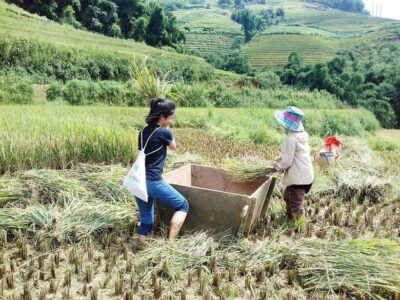
Muong Hoa Valley Trek and Local Ethnic Villages
Read our review →
Fansipan Cable, Cat Cat Village & Moana Instagram Tour
Read our review →
Eco Adventure Terrace Fields and Local Villages Trek
Read our review →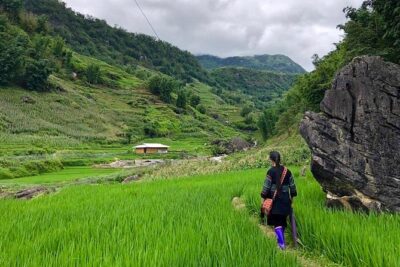
Number one top rated ethical cultural trekking and homestay by ETHOS
Read our review →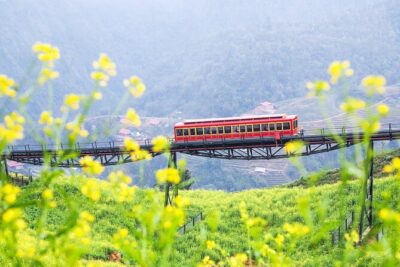
Cat Cat Village, Moana, Fansipan Cable Car, Alpine Coaster – Sapa
Read our review →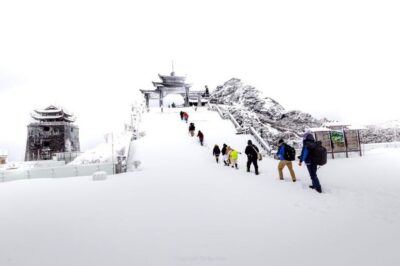
1-Day Guided Trek to Lao Chai & Ta Van with Lunch
Read our review →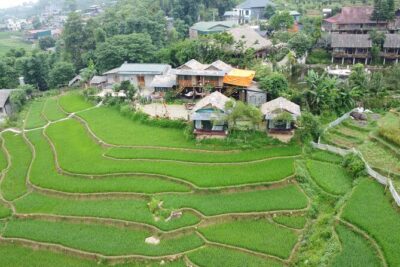
Sapa 1 Day Long Trek: Trek to Hau Thao and Sa Seng Villages
Read our review →Browse the lists this tour appears in