
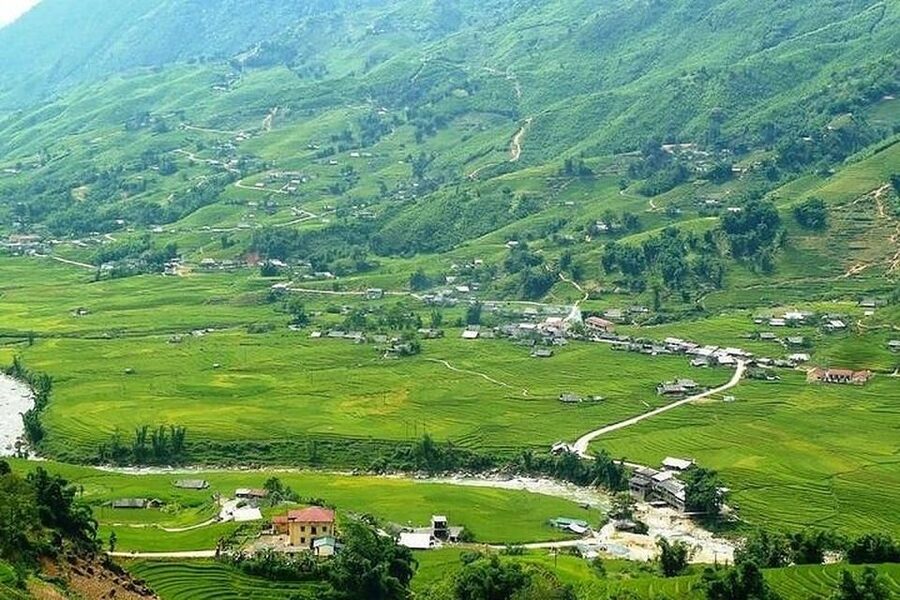
Reviewed · SAPA TOURS
From Hanoi: 2-Day 2-Night Sapa Tour by Overnight Train
Sapa begins after dark. This trip combines an overnight train from Hanoi with guided walks through Black H’mong and Dzay villages, so you spend less time arranging transfers and more time seeing northern Vietnam on foot. I like the train journey itself, especially the chance to wake near Lao Cai with mountain scenery ahead. I also like the village walks, where guides such as Ai, Sung, and Zua have helped visitors understand local customs and daily life.
The main drawback is the pace. You arrive early, begin the first day after a night on the train, then face a longer walk through the Muong Hoa Valley the next morning. The train can also be noisy, transport arrangements may change, and Sapa weather can turn cold and wet quickly. At $168 per person, the package offers good value if you want transport, meals, guiding, and a hotel handled together, but it is not a soft, leisurely escape.
In This Review
- Five things to know before booking
- What the $168 price really covers
- Leaving Hanoi at 9pm
- Lao Cai to Sapa at 6am
- Sin Chai village and the first 4-kilometer walk
- The Muong Hoa Valley trek to Ta Van
- Returning to Hanoi by daytime vehicle
- Weather, clothing, and walking conditions
- How well the organization works
- Who should choose this Sapa tour?
- Should you book it?
- FAQ
- How long does the Hanoi to Sapa tour last?
- What time does the train leave Hanoi?
- Where is the Hanoi meeting point?
- What kind of train accommodation is included?
- Is early hotel check-in included?
- Which villages does the tour visit?
- What meals are included?
- Is the tour suitable for people with mobility impairments?
Five things to know before booking

- The overnight train saves daylight: You leave Hanoi around 10pm and reach Lao Cai the next morning, keeping your daytime hours for Sapa.
- Sin Chai is the gentler first village walk: The 4-kilometer trek introduces Black H’mong life without using your strongest hiking legs right away.
- The second trek is the main event: Y Linh Ho, Lao Chai, and Ta Van bring rice terraces, valley views, muddy paths, and a longer walking day.
- Your guide matters greatly: Ai, Sung, and Zua have been praised for their care, humor, English, and explanations of local culture.
- Pack for sudden weather changes: Warm layers, shoes with firm grip, and waterproof protection are important, especially from December through the rainy months.
What the $168 price really covers
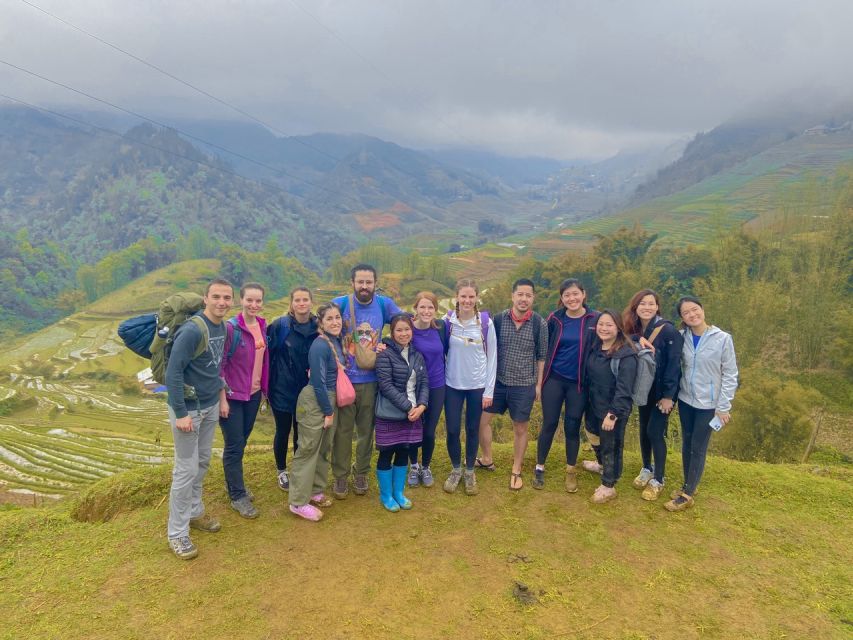
The price includes a shared air-conditioned four-bed train cabin from Hanoi to Lao Cai, a shared minivan to Sapa, a one-night stay in a 3-star hotel, an English-speaking guide, entrance fees, two breakfasts, two lunches, and one dinner. You also return to Hanoi by limousine-style vehicle, scheduled to leave Sapa around 2:30pm and arrive in Hanoi around 8pm to 9pm.
That is a useful bundle. Buying the train, Lao Cai transfer, hotel, meals, guide, and return transport separately would take time, and the early morning arrival can be awkward to organize on your own. The included meals also reduce the need to search for food during a packed schedule.
The value is strongest for first-time visitors who want a straightforward Sapa introduction. It is less attractive if you already have a hotel, prefer independent hiking, or want to spend several days in the mountains. One night in Sapa gives you a taste, not a full stay.
The hotel standard appears to be reasonable rather than luxurious. Rooms have been described as clean and spacious, with heating useful in late December. The restaurant and reception areas can feel chilly, however, so bring a warm layer for breakfast and dinner.
A few more Sa Pa runs to compare on price
- Hanoi: Guided Food Tour with Train Street Visit
★ 4.9 · 6,239 reviews - Hanoi: Street Food Tour with Train Street & Hidden Alleyways
★ 5.0 · 2,831 reviews - Hanoi: Guided Street Food Tour with Train Street Experience
★ 4.9 · 2,479 reviews
Leaving Hanoi at 9pm
If you stay in Hanoi’s Old Quarter, staff arrange a taxi to Hanoi Railway Station at 120 Le Duẩn Street at around 9pm. If your hotel is outside the Old Quarter, you need to reach the station yourself and meet the staff before boarding.
This part should be simple, but allow extra time. A late pickup has caused stress for some people, while other arrangements have worked smoothly. Keep your phone available and confirm the meeting details in advance. The train leaves at about 10pm, and missing it would spoil the whole plan.
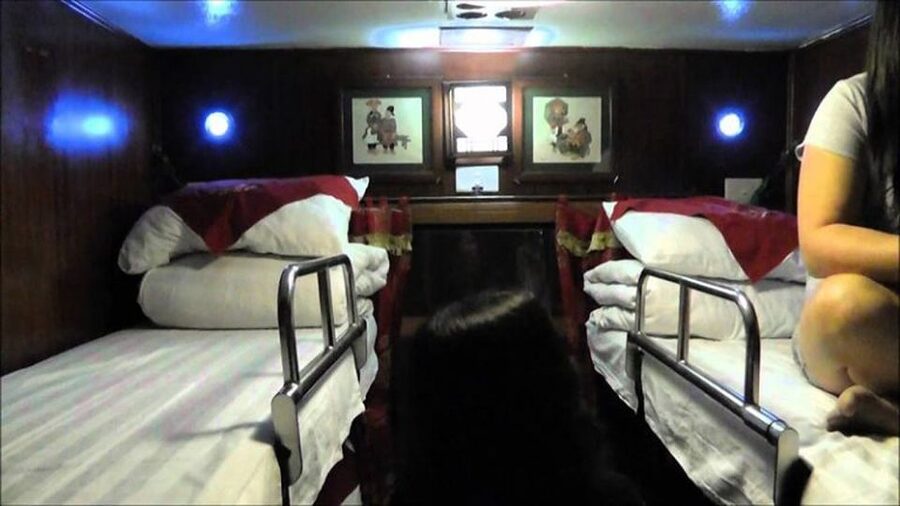
At the station, you receive your boarding information and enter a shared, air-conditioned four-bed cabin. A private cabin upgrade may be available for an extra fee, which can be worthwhile for a couple or anyone who values sleep and privacy.
The train is part of the experience, but do not mistake it for a silent hotel room. Some journeys have been comfortable, with duvets, water, snacks, clean toilets, and wash basins. Other journeys have been noisy, with frequent stops that make sleep difficult. I would pack earplugs, a small towel, tissues, and warm clothing. Keep your passport or identification card handy, as it is required for the trip.
Lao Cai to Sapa at 6am
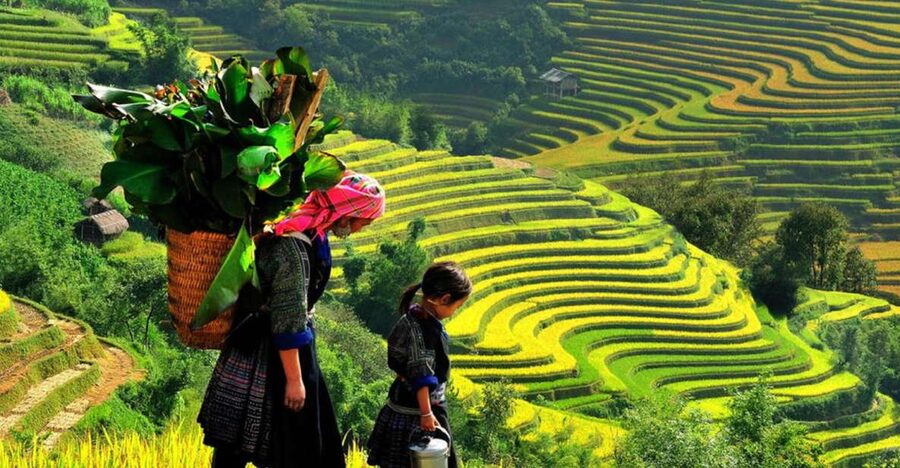
You meet your guide at Lao Cai Station and travel by shared minivan to Sapa, usually arriving around 6am. The road transfer takes you from the rail town toward the high country, and the change in scenery is one of the pleasures of using the train.
Once in Sapa, you leave your luggage at the hotel and have breakfast. The normal check-in time is 2pm, so your room will not usually be ready when you arrive. An early check-in can be purchased, and I consider it a sensible option after a night train. A hot shower and a short rest make the first trek much easier.
If you bring a large suitcase, ask about leaving it at the hotel or the tour operator’s office. Carrying heavy luggage through village paths would be a poor use of your energy. A small daypack is better for water, a rain layer, warm clothing, and personal items.
Sin Chai village and the first 4-kilometer walk
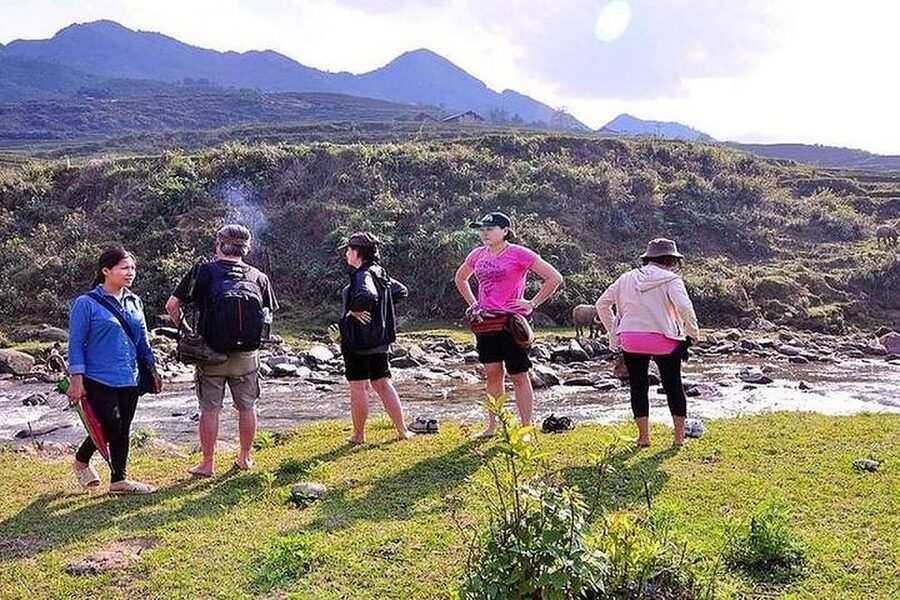
The first walk heads southwest from Sapa toward Sin Chai, a Black H’mong village roughly 2 kilometers from the town center. The total trek is around 4 kilometers and gives you an early look at the quieter side of the area.
Sin Chai is described as simple and rustic, with a way of life that still feels connected to the highland setting. The point is not a grand monument. You are there to see village surroundings, learn about Black H’mong culture, and notice how different daily life can be outside Sapa’s center.
Your guide adds the value here. Guides such as Sung have explained traditions, local people, and village life in clear English. Sung has also been praised for welcoming visitors into her family setting, a rare personal touch when it happens, though you should treat this as a possible guide-led experience rather than a guaranteed part of every departure.
After the walk, lunch is served at the hotel restaurant. The rest of the afternoon and evening are free, which is welcome after the early start. You can rest, explore Sapa on your own, visit the old cathedral, browse the market, or try local snacks such as roasted corn and baked eggs beside a charcoal fire.
This free time is one of the tour’s better design choices. Sapa itself deserves a little breathing room, and the evening lets you experience the town without being led from one stop to the next. Food quality can vary by meal and venue. Breakfast has generally been a strong point, while lunch and dinner may feel less varied to some people.
Same city, a very different kind of morning:
- Sa Pa: Muong Hoa Valley Trek and Local Ethnic Villages
★ 4.6 · 864 reviews - Sapa: Eco Adventure Terrace Fields and Local Villages Trek
★ 4.9 · 636 reviews - From Sapa: 1-Day Guided Trek to Lao Chai & Ta Van with Lunch
★ 4.9 · 416 reviews - Sapa 1 Day Long Trek: Trek to Hau Thao and Sa Seng Villages
★ 4.6 · 344 reviews
The Muong Hoa Valley trek to Ta Van

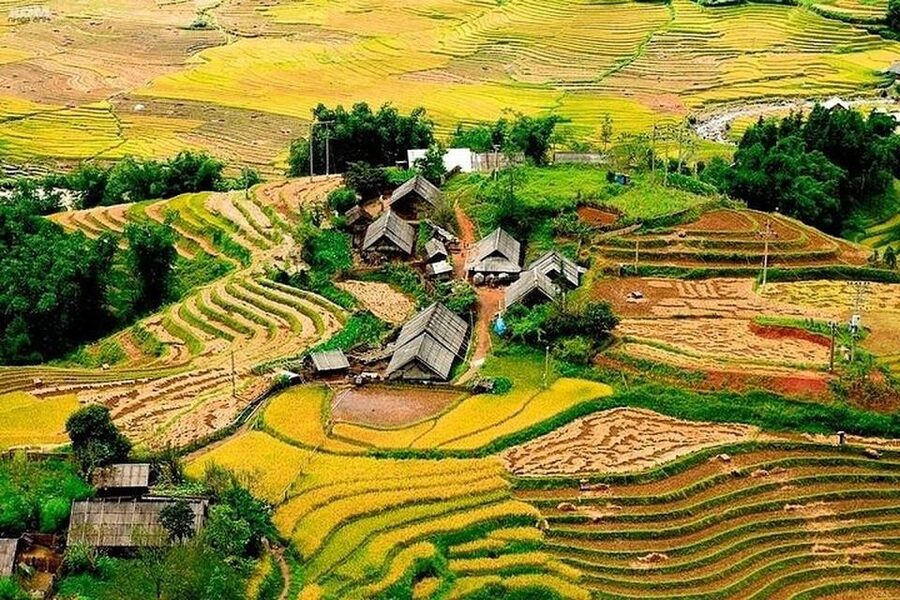
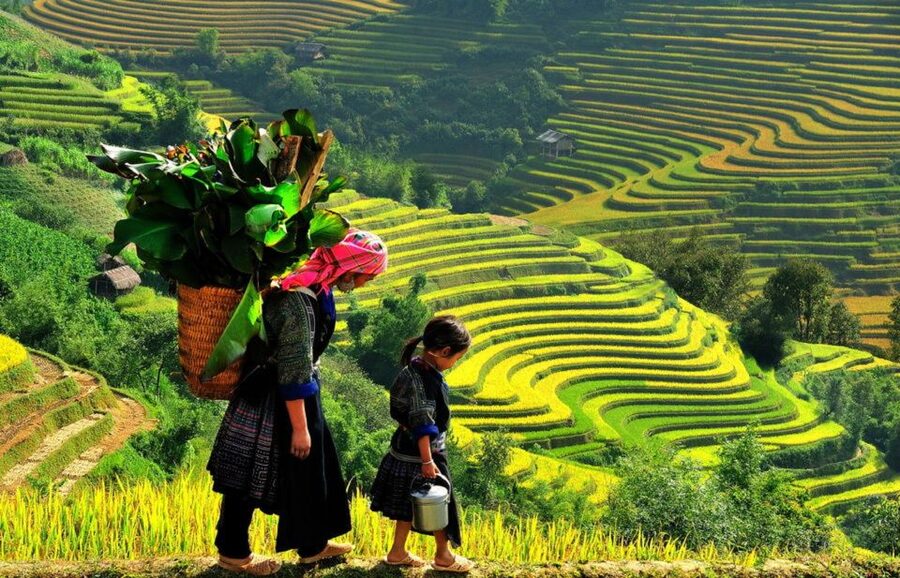
The second day is the physical heart of the tour. After breakfast, you walk down along the Muong Hoa Valley toward Y Linh Ho, a Black H’mong village. From there, you continue to Lao Chai, then cross rice terraces and corn fields toward Ta Van, home to the Dzay minority.
Expect this walk to feel more demanding than the first day. You descend into the valley, cross uneven paths, and spend a long period outside. In wet weather, the ground can become muddy and slippery. Good shoes with firm grip are essential. In very wet conditions, local advice to wear gum boots should be taken seriously.
The reward is the setting. You see terraced fields, valley views, and village paths at walking speed rather than through a vehicle window. The route also gives your guide time to explain the differences between Black H’mong and Dzay communities, along with local customs and the countryside around Sapa.
Guides Ai, Sung, and Zua have received especially warm praise for this kind of work. Ai has been described as careful, funny, clear, and helpful when people needed assistance crossing fields. Zua has been praised for explaining plants, the natural setting, and local culture in excellent English. A good guide turns a pretty walk into a useful cultural visit.
There is an uncomfortable issue along this route. Local ethnic people may walk with you for much of the trek, then ask for money or try to sell handmade goods at high prices. The tour company advises you to stay with your guide and ignore persistent selling. Some people may prefer to buy a small item as a friendly gesture, but you should decide for yourself and avoid feeling pressured.
The route is not suitable for people with mobility impairments, wheelchair users, or pregnant women. Children must be accompanied by an adult, and infants must sit on laps during transport. This is a real walking tour, not simply a scenic drive with short stops.
Returning to Hanoi by daytime vehicle
Around 2pm, you collect your belongings and prepare to leave Sapa. The return vehicle is scheduled for about 2:30pm, with arrival at your Hanoi hotel around 8pm to 9pm.
The return ride is comfortable in some cases, but the word limousine can create the wrong expectation. Vehicles have included 7-seat or 9-seat buses, and some journeys have involved transport changes. Seatbelt problems have also been reported, while other people found the vehicle comfortable and appreciated seeing the scenery during the daytime.
The long ride is the least exciting part of the package. Still, traveling back by road instead of taking another overnight train lets you see more of northern Vietnam. If you are prone to motion sickness, keep medication available and place water and snacks in your daypack. Meals are not included after the scheduled dinner, so plan for personal drinks and extra food if needed.
Communication between drivers and passengers may be limited because some drivers do not speak English. Your guide or tour coordinator should help, but keep the key schedule and hotel information saved on your phone.
Weather, clothing, and walking conditions
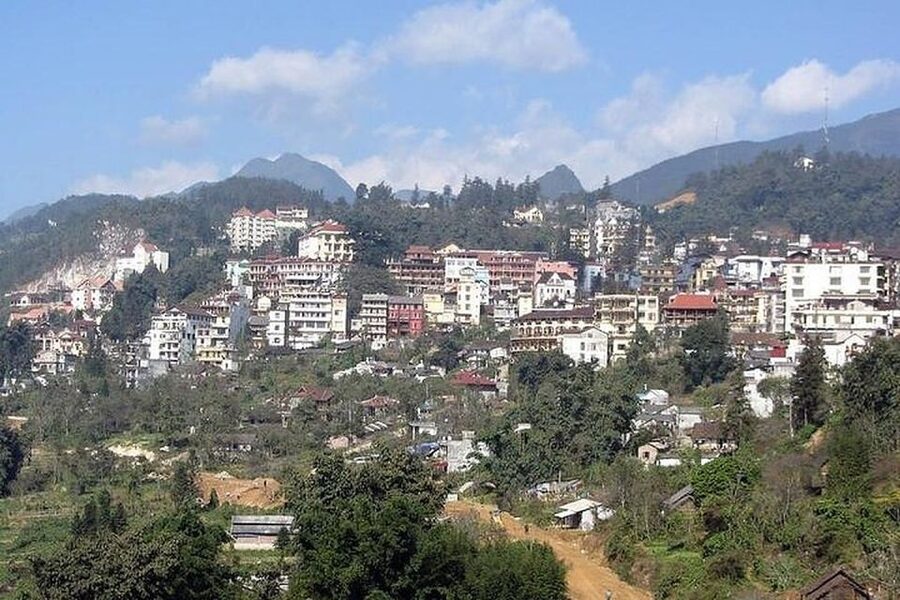
Sapa’s temperature can change quickly. December can be cold, and rain makes the village paths much harder. Warm clothes are not optional in winter. Pack a fleece or sweater, a waterproof jacket, spare socks, and shoes with good grip.
You should also bring:
- Your passport or identification card
- A small daypack
- Water and personal snacks
- Waterproof protection for electronics
- Earplugs for the overnight train
- Comfortable walking shoes or gum boots in very wet weather
Do not pack for a city break alone. You need clothing for a chilly train, a cold hotel restaurant, and a muddy mountain path. The difference between a pleasant trek and a miserable one may be no more than dry socks and a rain jacket.
The tour is not designed for people seeking a fully private experience, though a private group can be arranged. The standard train cabin is shared with three other people. Solo visitors should expect to share, while couples can ask about a private compartment upgrade.
How well the organization works
The overall structure is sensible: train north, transfer to Sapa, walk on arrival day, sleep in a hotel, complete the longer valley trek, then return by road. Staff have arranged taxis, train boarding information, station transfers, and hotel drop-offs successfully on many departures.
The weak point is communication when plans change. Pickup confusion, delayed drivers, hotel changes, and vehicle substitutions have caused uncertainty. One useful lesson is to ask direct questions before departure: Where do I meet the staff? Is early check-in confirmed? Where is my luggage stored? What vehicle returns to Hanoi? What time should I expect to arrive?
The guides often make up for the rough edges. A caring local guide can explain changes, help on slippery paths, and give the visit a human focus. The best guides do not simply point at rice fields. They explain who lives in the villages and how the culture differs from what you see in central Sapa.
Who should choose this Sapa tour?
I would choose this tour if you have limited time in Vietnam and want to combine several essential pieces in one booking: the overnight train, Sapa town, ethnic minority villages, mountain walks, meals, and a hotel.
It suits reasonably fit walkers who are comfortable with uneven ground and early mornings. It also works well for couples and solo visitors who want a guide without paying for a completely private trip. The private group option may be worth considering if your party has different walking speeds or special preferences.
I would hesitate if you need guaranteed sleep, dislike long road rides, or want a relaxed schedule. I would also look elsewhere if you have limited mobility or cannot manage muddy, sloping paths. This tour is active, and the overnight train means your first morning begins before most hotel breakfasts elsewhere in Vietnam.
Should you book it?
Book it if you want a well-priced first taste of Sapa and like the idea of making the journey part of the adventure. The strongest elements are the local guides, the Muong Hoa Valley trek, the two different ways of traveling, and the practical inclusion of meals and accommodation.
Skip it if you want a quiet luxury trip or precise, unchanging transport arrangements. For the best chance of enjoying it, pay for early check-in, pack warm waterproof clothing, wear shoes with grip, confirm every pickup, and keep your expectations realistic about the shared train and long return ride.
FAQ
How long does the Hanoi to Sapa tour last?
The activity lasts about 2.5 days, with an overnight train from Hanoi to Lao Cai, one night in Sapa, and a daytime return to Hanoi.
What time does the train leave Hanoi?
The overnight train leaves Hanoi at around 10pm. Old Quarter pickup is arranged at about 9pm.
Where is the Hanoi meeting point?
The train station is Hanoi Railway Station at 120 Le Duẩn Street. Pickup is available from hotels in Hanoi’s Old Quarter. If your hotel is outside the Old Quarter, you need to go to the station yourself.
What kind of train accommodation is included?
The included ticket is for a shared, air-conditioned four-bed cabin from Hanoi to Lao Cai. A private cabin may be available for an additional fee.
Is early hotel check-in included?
No. The normal check-in time is 2pm. Early check-in can be selected as an additional option.
Which villages does the tour visit?
The tour visits Sin Chai, Y Linh Ho, Lao Chai, and Ta Van. Sin Chai, Y Linh Ho, and Lao Chai are associated with Black H’mong communities, while Ta Van is associated with the Dzay minority.
What meals are included?
The package includes two breakfasts, two lunches, and one dinner. Drinks and meals not listed are not included.
Is the tour suitable for people with mobility impairments?
No. The tour is not suitable for wheelchair users, pregnant women, or people with mobility impairments because the walking routes include uneven and potentially muddy paths.
More 2-Day Experiences in Sa Pa
- EXPLORE SAPA: 2D1N TREKKING & HMONG CULTURE WITH DINH
★ 4.9 · 191 reviews - Sa Pa: 2-Day Trekking Trip with Ethnic Minority Homestay
★ 4.7 · 145 reviews - 2-Day Fansipan Mountain Trek – Indochina’s Highest Peak
★ 4.3 · 42 reviews - From Sapa Homestay Hideaway 2-Day Local Life Adventure
★ 4.7 · 26 reviews
New around Sa Pa
- Sapa3D2N TrekkingAdventures,Valleys,Bambooforest,Waterfall★ 4.8 · 24 reviews
- Sapa: Y Linh Ho – Lao Chai, and Ta Van Trekking Day Tour★ 5.0 · 25 reviews
- Sapa: Ta Phin Village Trek & Red Dao Herbal Bath★ 5.0 · 22 reviews
- From Sapa: Guided Full-Day Trekking with Lunch and Drop-Off★ 4.2 · 86 reviews
- Sapa: Muong Hoa Mountain Views and Villages Trek with Lunch★ 4.3 · 28 reviews
- Sapa Trekking Bargains With Local Guide★ 4.9 · 91 reviews
- Sapa: Private Highlights Day Tour with Lunch★ 4.8 · 61 reviews
- Sapa: Love Silver Waterfall, LonelyTree in Heaven-Rice Field★ 4.9 · 28 reviews
Sapa Tours, compared.
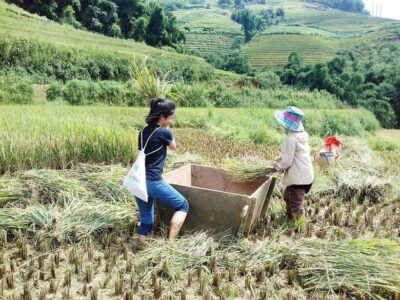
Muong Hoa Valley Trek and Local Ethnic Villages
Read our review →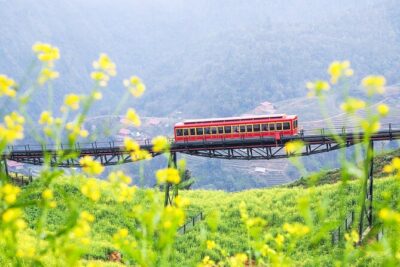
Fansipan Cable, Cat Cat Village & Moana Instagram Tour
Read our review →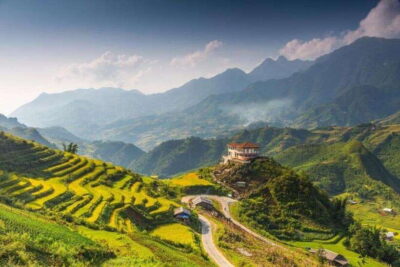
Eco Adventure Terrace Fields and Local Villages Trek
Read our review →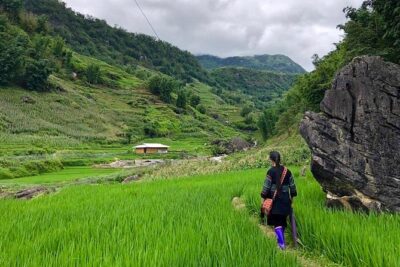
Number one top rated ethical cultural trekking and homestay by ETHOS
Read our review →
Cat Cat Village, Moana, Fansipan Cable Car, Alpine Coaster – Sapa
Read our review →
1-Day Guided Trek to Lao Chai & Ta Van with Lunch
Read our review →
Sapa 1 Day Long Trek: Trek to Hau Thao and Sa Seng Villages
Read our review →Browse the lists this tour appears in